Transfer of a selected single blastocyst optimizes the chance of a healthy term baby: a retrospective population based study in Australia 2004-2007

BACKGROUND

The practice of single embryo transfer (SET) is highly accepted by clinicians in Australia. This study investigates whether the SET of blastocysts results in optimal perinatal outcomes.

METHODS

This retrospective population-based study included 34 035 single or double embryo transfer cycles in women who had their first fresh autologous treatment in Australia during 2004–2007. Pregnancy, live delivery and ‘healthy baby’ (live born term singleton of ≥2500 g birthweight and survived for at least 28 days without a notified/reported congenital anomaly) rates per transfer cycle were compared in four groups: selective single embryo transfer (SSET), unselective single embryo transfer (USSET), selective double embryo transfer (SDET) and unselective double embryo transfer (USDET). Live delivery and ‘healthy baby’ rates per transfer following SSET were further compared by number of embryos available. The analysis was stratified by woman's age and stage of embryo development.

RESULTS

The highest rates of live delivery and ‘healthy baby’ per transfer cycle (46.2 and 38.0%) were achieved with transfer of a single blastocyst in women aged younger than 35 years. In women aged younger than 40 years, SSET had a significantly higher rate of ‘healthy baby’ per transfer cycle than did SDET regardless of stage of embryo development. In woman aged younger than 35 years who had SSET, there was no significant difference in live delivery and ‘healthy baby’ rates per transfer cycle whether two, three, four or five embryos were available. For all of these women, SSET of a cleavage embryo had significantly lower rates of live delivery and ‘healthy baby’ per transfer cycle compared with SSET of a blastocyst where only two blastocysts were available.

CONCLUSIONS

Consultation with the patient with respect to the advantage of extended culture and selective single blastocyst transfer will result in better success rates following assisted reproductive technology treatment in Australia.

Disclosure patterns of mode of conception among mothers and fathers-5-year follow-up of the Copenhagen Multi-centre Psychosocial Infertility (COMPI) cohort

BACKGROUND

Most studies on disclosure of mode of conception after fertility treatment have focused on donor insemination. We present a large, longitudinal cohort study of fertility patients who conceived through a variety of fertility treatments, including both non-donor and donor techniques.

METHODS

A cohort of 2812 women and men (n = 1406 couples) received questionnaires when initiating fertility treatment and at 1-year and 5-year follow-ups. At the 5-year follow up, the response rate was 69.4% and 1036 of the responding participants had at least one child born after fertility treatment. Around 66% of the children were conceived with in vitro fertilization or intrauterine insemination with partners semen, 26% with intracytoplasmic sperm injection, 7% with donor gametes and <1% with other treatments. The parents were asked whether they already had or intended to disclose the conception method to the child and to others. We used logistic regression to identify determinants among women and men for disclosure.

RESULTS

Most of the parents had disclosed or intended to disclose the mode of conception to the child, and almost everyone had disclosed to someone else. Not having used donor gametes was a significant determinant of disclosure both to the child and to other people among women and men. Having disclosed to other people was a significant predictor for having disclosed or intending to disclose to the child. Among women, low social class was a significant determinant of disclosure to the child. Among men, satisfaction with the medical treatment was a significant determinant of disclosure to other people.

CONCLUSIONS

We found a large majority who had or intended to disclose to the child how he/she was conceived. Non-disclosure was significantly related to the use of donor gametes.

Assisted reproductive technology in Europe, 2006: results generated from European registers by ESHRE

BACKGROUND

In this 10th European IVF-monitoring (EIM) report, the results of assisted reproductive techniques from treatments initiated in Europe during 2006 are presented. Data were mainly collected from existing national registers.

METHODS

From 32 countries, 998 clinics reported 458 759 treatment cycles including: IVF (117 318), ICSI (232 844), frozen embryo replacement (FER, 86 059), egg donation (ED, 12 685), preimplantation genetic diagnosis/screening (6561), in vitro maturation (247) and frozen oocytes replacements (3498). Overall this represents a 9.7% increase in activity since 2005, which is partly due to an increase in registers (seven more countries with complete coverage). European data on intrauterine insemination using husband/partner's (IUI-H) and donor (IUI-D) semen were reported from 22 countries. A total of 134 261 IUI-H and 24 339 IUI-D cycles were included.

RESULTS

In 20 countries, where all clinics reported to the IVF register, a total of 359 110 assisted reproductive technology (ART) cycles were performed in a population of 422.5 million, corresponding to 850 cycles per million inhabitants. For IVF, the clinical pregnancy rates per aspiration and per transfer were 29.0 and 32.4%, respectively. For ICSI, the corresponding rates were 29.9 and 33.0%. After IUI-H the delivery rate was 9.2% in women below 40. After IVF and ICSI the distribution of transfer of one, two, three and four or more embryos was 22.1, 57.3, 19.0 and 1.6%, respectively. Compared with 2005, fewer embryos were replaced per transfer, but significant national differences in practice were apparent. The proportion of singleton, twin and triplet deliveries after IVF and ICSI combined was 79.2, 19.9 and 0.9%, respectively. This gives a total multiple delivery rates of 20.8% compared with 21.8% in 2005 and 22.7% in 2004. IUI-H in women below 40 years of age resulted in 10.6% twin and 0.6% triplet pregnancies.

CONCLUSIONS

Compared with previous years, the reported number of ART cycles in Europe has increased, pregnancy rates have increased marginally, even though fewer embryos were transferred and the multiple delivery rates have declined.

A decade of sperm washing: clinical correlates of successful insemination outcome

BACKGROUND

Since 1999, we have treated HIV-positive men with sperm washing as part of a risk-reduction programme.

METHODS

Retrospective analysis of the sperm-washing database from the treatment of 245 couples with 439 cycles of intrauterine insemination assessed the effects of patient factors (age, maternal FSH, rank of attempt), markers of HIV-disease [time since diagnosis, CD4 count, viral load (VL), use of highly active antiretroviral therapy (HAART)], cycle factors (natural versus stimulated, number of follicles, fresh versus frozen sperm) and sperm parameters on clinical (CPR) and ongoing pregnancy rate (OPR).

RESULTS

Overall 111–245 (45.4%) couples achieved a clinical pregnancy (CPR: 13.5% and OPR: 9.6% per insemination) with no seroconversions. The mean duration since HIV diagnosis was 5.8 years, 73% of men were on antiretroviral therapy, there was an undetectable VL in 64% and the median CD4 was 409 cells/mm3. A significantly decreased OPR and a non-significantly increased miscarriage rate (MR) was observed after the female age of 40. Similarly, there was a significant increased OPR and decreased MR for women with a mean cycle maternal FSH of <6.4 IU/l. There was no effect of VL, CD4 count, use of HAART or time since diagnosis on the outcome. Nor was there a difference in the OPR according to paternal age, rank of attempt, cycle regime or number of follicles. Semen volume, sperm concentration, total count and progressive motility and post-wash concentration, progressive motility and total motile count inseminated were significantly higher in successful cycles. The use of frozen sperm had a significant negative impact on outcome.

CONCLUSIONS

This study of the potential safe and successful reproductive options available to HIV-positive men demonstrates that maternal age and semen quality, rather than HIV factors, remain the most important determinants of cycle success.

Sperm DNA integrity in cancer patients before and after cytotoxic treatment

BACKGROUND

We assessed sperm DNA fragmentation index (DFI) in cancer patients before and after treatment to evaluate if sperm DNA integrity is compromised by cancer itself or its treatment.

METHODS

In a prospective study, DFI was assessed in 127 patients diagnosed with testicular germ cell tumours (TGCT), Hodgkin's lymphoma (HL), non-Hodgkin's lymphoma (NHL) and various malignancies. The severity of cancer and tumour markers at diagnosis was recorded. Follow-up DFI after treatment was available in 52 patients who were mostly less severely affected.

RESULTS

In patients diagnosed with TGCT, HL and various malignancies, pretreatment DFI levels were not significantly different from that of proven fertile controls, but in patients with NHL an increased DFI was found. An overall significant decrease in post-treatment DFI (13.2% range 5.0–70.5) compared with pretreatment values (17.1% range 5.1–66.6) was found (P = 0.040). In TGCT patients, post-treatment DFI was significantly higher in patients who were treated with radiotherapy (16.9% range 11.5–39.9) compared with that in patients treated with chemotherapy (CT) alone (10.9% range 5.5–39.9) (P = 0.037). In HL patients, the type of treatment or number of CT cycles was not associated with DFI. Overall, post-treatment DFI in cancer patients was not significantly different from that of proven fertile controls.

CONCLUSIONS

In this study, the presence of cancer does not seem to negatively affect the sperm DNA integrity in TGCT and HL patients; only NHL patients showed increased DFI at the time of diagnosis compared with healthy controls. Our results confirm previous reports that DFI decreases significantly following various anti-cancer treatments. In contrast, radiotherapy in TGCT patients is associated with an increase in DFI compared with CT treatment alone.

Speriolin is a novel human and mouse sperm centrosome protein

BACKGROUND

Oocytes in humans, mice and other mammals lack identifiable centrioles. The proximal centriole brought in by the fertilizing sperm in humans and most other mammals appears to gives rise to the centrioles at the spindle poles in the zygote, and is believed to indicate that centrioles are inherited through the paternal lineage. However, both the proximal and distal sperm centrioles degenerate in mice and other rodents. A bipolar mitotic spindle nucleates from multiple centrosome-like structures in the mouse zygote and centrioles are not seen until the blastocyst stage, suggesting that centrioles are inherited through the maternal lineage in mice. We previously identified speriolin as a spermatogenic cell-specific binding partner of Cdc20 that co-localizes with pericentrin in mouse spermatocytes and is present in the centrosome in round spermatids.

METHODS

The nature and localization of speriolin in mouse and human sperm and the fate of speriolin following fertilization in the mouse were determined using immunofluorescence microscopy, immunoelectron microscopy and western blotting.

RESULTS

Speriolin surrounds the intact proximal centriole in human sperm, but is localized at the periphery of the disordered distal centriole in mouse sperm. Human speriolin contains an internal 163-amino acid region not present in mouse that may contribute to localization differences. Speriolin is carried into the mouse oocyte during fertilization and remains associated with the decondensing sperm head in zygotes. The speriolin spot appears to undergo duplication or splitting during the first interphase and is detectable in 2-cell embryos.

CONCLUSIONS

Speriolin is a novel centrosomal protein present in the connecting piece region of mouse and human sperm that is transmitted to the mouse zygote and can be detected throughout the first mitotic division.

No influence of body mass index on first trimester fetal growth

BACKGROUND

Our objective was to determine what effect maternal BMI has on fetal growth rate in the early first trimester.

METHODS

This was a prospective observational study of singleton pregnancies with certain dates, initially presenting for a transvaginal scan (TVS) before 12 weeks of gestation. Maternal characteristics (BMI, ethnicity, maternal age, obstetric history, abdominal pain and vaginal bleeding) were recorded. Fetal crown-rump length (CRL) was measured at the initial scan, and at subsequent ultrasound assessments. In order to assess the fetal growth rates, women with at least two CRL measurements were included in the analysis. A mixed-linear effects model analysis was performed to determine whether BMI influences the rate of change in CRL.

RESULTS

A total of 264 pregnancies were analysed. The median BMI was 23.55 (range 16–45), median age was 32 (17–44) and the proportion of white, black and Asian women was 61.0, 15.5 and 5.3%, respectively. Mean gestational age (GA) at first TVS was 56 (range 33–84) days. Studying CRL as a function of GA with a mixed-linear effects model showed that this relationship was neither significantly influenced by BMI when modelling BMI as a continuous variable (P = 0.7529), nor when modelling it as a categorical variable using the WHO criteria (P = 0.8904).

CONCLUSIONS

Dating by CRL influences subsequent growth assessment and previous studies have suggested that first trimester fetal growth rates may be influenced by ethnicity and age. Our data however suggest that maternal BMI does not significantly influence early fetal growth.

HLA sharing among couples appears unrelated to idiopathic recurrent fetal loss in Saudi Arabia

BACKGROUND

Recurrent fetal loss (RFL) is a prevalent problem affecting ~1% of all women of childbearing age. Many factors can lead to RFL; however, recent studies have indicated the important role of the maternal immune system in this process. The human leukocyte antigens (HLA), HLA-linked genes and regulatory factors play an important role in fetal loss and in fetal development. The current retrospective study was preformed to examine the HLA alleles shared between couples with RFL in Saudi Arabia, using a large cohort of women (having three or more RFL). Specific HLA alleles that could influence this condition, or the number of miscarriages experienced, were expected to be highlighted in this way.

METHODS

A total of 253 consecutive patients who visited the RFL clinic at the King AbdulAziz Medical City, National Guard Hospital in Riyadh were included in this study. They included 54 consanguineous couples, 132 non-consanguineous couples and another 67 couples shared only their tribal origin. Clinical examinations as well as laboratory investigations were carried out on each patient. Class I HLA, HLA-A, HLA-B and HLA-C, and Class II HLA, HLA-DR and HLA-DQ, were typed for each patient and their partner.

RESULTS

No relationship was seen between sharing of HLA alleles and the number of RFL experienced by the couples, among neither consanguineous nor non-consanguineous couples.

CONCLUSIONS

Although the results of this study suggest that HLA sharing is not an indicative factor in RFL, definitive conclusions on this topic must be based on large case–control studies.

The influence of delayed blastocyst formation on the outcome of frozen-thawed blastocyst transfer: a systematic review and meta-analysis

BACKGROUND

There are conflicting results on whether the rate of blastocyst development before freezing influences the outcome of frozen-thawed blastocyst transfers.

METHODS

We conducted a systematic review and meta-analysis of controlled studies to compare pregnancy outcomes following transfer of thawed blastocysts that were frozen either on Day 5 or Day 6 following fertilization in vitro. Searches were conducted on MEDLINE, EMBASE, Cochrane Library and Web of Science. Study selection and data extraction were conducted independently by two reviewers. The Newcastle-Ottawa Quality Assessment Scale was used for quality assessment.

RESULTS

We identified 15 controlled studies comprising 2502 frozen-thawed transfers involving blastocysts that were either frozen on Day 5 or Day 6. Meta-analysis of these studies showed significantly higher clinical pregnancy rate [relative risk (RR) = 1.14, 95% confidence interval (CI): 1.03–1.26, P = 0.01] and ongoing pregnancy/live birth rate (RR = 1.15, 95% CI: 1.01–1.30, P = 0.03) with Day 5 compared with Day 6 frozen-thawed blastocyst transfers. Sensitivity analysis of those studies where blastocysts frozen on Day 5 or Day 6 were at the same stage of development showed no significant difference in the clinical pregnancy rate (RR = 1.07, 95% CI: 0.87–1.33, P = 0.51) and ongoing pregnancy/live birth rate (RR = 1.08, 95% CI: 0.92–1.27, P = 0.36).

CONCLUSION

Slower developing blastocysts cryopreserved on Day 6 but at the same stage of development as those developing to the blastocyst stage on Day 5 have similar clinical pregnancy and ongoing pregnancy/live birth rates following frozen-thawed blastocyst transfers.

The fate of the mosaic embryo: chromosomal constitution and development of Day 4, 5 and 8 human embryos

BACKGROUND

Post-zygotic chromosome segregation errors are very common in human embryos after in vitro fertilization, resulting in mosaic embryos. However, the significance of mosaicism for the developmental potential of early embryos is unknown. We assessed chromosomal constitution and development of embryos from compaction to the peri-implantation stage.

METHODS

From 112 cryopreserved Day 4 human embryos donated for research, 21 were immediately fixed and all cells were analysed by fluorescent in situ hybridization (FISH) for chromosomes 1, 7, 13, 15, 16, 18, 21, 22, X and Y. The remaining 91 embryos were thawed, with 54 embryos undergoing biopsy of one or two cells which were fixed and analysed by FISH. Biopsied embryos were kept in standard culture conditions for 24 h. Embryos arrested before cavitation (n = 24) were fixed whereas developing Day 5 blastocysts (n = 24) were co-cultured for a further 72 h on an endometrial monolayer followed by fixation. Cell numbers were counted and all nuclei were analysed by FISH. Data from a previous FISH analysis on cryopreserved good-quality Day 5 blastocysts (n = 36) were also included in the present study.

RESULTS

FISH analysis was successful for 18 Day 4 fixed embryos and, according to our definition, 83% were mosaic and 11% showed a chaotic chromosomal constitution. FISH analysis of two blastomeres from Day 4 developing embryos showed that 54% were mosaic, 40% were normal and 6% were abnormal. Analysis of Day 4, 5 and 8 whole embryos showed a decrease in incidence of mosaicism over time, from 83% on Day 4 to 42% on Day 8. A significant positive correlation was observed between the total cell number and the percentage of normal cells in developing Day 5 and Day 8 embryos but not in developing Day 4 or embryos arrested before cavitation.

CONCLUSIONS

These data suggest that both the developmental arrest of a significant proportion of mosaic embryos on Day 4, and the cell death or reduced proliferation of aneuploid cells within an embryo may be responsible for the observed decrease of aneuploid blastomeres from compaction to the peri-implantation stage.

Discovery of a novel imprinted gene by transcriptional analysis of parthenogenetic embryonic stem cells

BACKGROUND

Parthenogenetic embryonic stem cells (PESCs) may have future utilities in cell replacement therapies since they are closely related to the female from which the activated oocyte was obtained. Furthermore, the avoidance of parthenogenetic development in mammals provides the most compelling rationale for the evolution of genomic imprinting, and the biological process of parthenogenesis raises complex issues regarding differential gene expression.

METHODS AND RESULTS

We describe here homozygous rhesus monkey PESCs derived from a spontaneously duplicated, haploid oocyte genome. Since the effect of homozygosity on PESCs pluripotency and differentiation potential is unknown, we assessed the similarities and differences in pluripotency markers and developmental potential by in vitro and in vivo differentiation of homozygous and heterozygous PESCs. To understand the differences in gene expression regulation between parthenogenetic and biparental embryonic stem cells (ESCs), we conducted microarray analysis of genome-wide mRNA profiles of primate PESCs and ESCs derived from fertilized embryos using the Affymetrix Rhesus Macaque Genome array. Several known paternally imprinted genes were in the highly down-regulated group in PESCs compared with ESCs. Furthermore, allele-specific expression analysis of other genes whose expression is also down-regulated in PESCs, led to the identification of one novel imprinted gene, inositol polyphosphate-5-phosphatase F (INPP5F), which was exclusively expressed from a paternal allele.

CONCLUSION

Our findings suggest that PESCs could be used as a model for studying genomic imprinting, and in the discovery of novel imprinted genes.

The use of misoprostol before hysteroscopic surgery in non-pregnant premenopausal women: a randomized comparison of sublingual, oral and vaginal administrations

BACKGROUND

The aim of the present study was to evaluate the efficacy of misoprostol administered orally, vaginally, or sublingually on cervical ripening before hysteroscopic surgery in premenopausal non-pregnant women.

METHODS

Non-pregnant premenopausal women scheduled for operative hysteroscopy (with a 10-mm hysteroscope) were assigned by computerized randomization to receive 400 mg of misoprostol, administered either orally or vaginally 6–8 h prior to surgery or 400 mg sublingually 2–4 h prior to surgery. The primary outcome in this study was the preoperative cervical width as measured by the largest number of Hegar dilators. The time to Hegar number 10 was also recorded along with side effects related to misoprostol and complications during surgery for each group.

RESULTS

Patients were randomized to receive sublingual (n = 47), oral (n = 47) or vaginal (n = 47) misoprostol. The three groups were comparable in terms of age, BMI (body mass index), parity, gravidity, history of vaginal delivery, post-operative pathological findings and surgeon type. The preoperative cervical width [sublingual: 7.5 ± 2.0 mm (8, 3–10); oral: 7.5 ± 1.9 mm (7, 4–10); vaginal: 7.6 ± 2.4 mm (8, 1–10)] was statistically similar among the groups. The time to Hegar number 10, side effects and complications during the hysteroscopy were comparable among the three groups.

CONCLUSION

A limitation of this study was that the surgeons, but not the patients, were blinded to the test procedures. Nevertheless we found that sublingual, oral and vaginal misoprostol were equally effective for cervical priming before hysteroscopic surgery in premenopausal non-pregnant women.

The trial was registered under ClinicalTrials.gov identifier NCT01024270.

Complications, pregnancy and recurrence in a prospective series of 500 patients operated on by the shaving technique for deep rectovaginal endometriotic nodules

BACKGROUND

The debate continues between advocates of the shaving technique and supporters of bowel resection in case of deep endometriosis with rectal muscularis involvement, despite little evidence for better improvement with bowel resection.

METHODS

We analyzed complication, pregnancy and recurrence rates after deep endometriotic nodule excision by shaving surgery. This is a prospective analysis of 500 cases (<40 years old) of deep endometriotic nodules.

RESULTS

Laparoscopic nodule resection was performed successfully in all cases. Major complications included: (i) rectal perforation in seven cases (1.4%); (ii) ureteral injury in four cases (0.8%); (iii) blood loss >300 ml in one case (0.2%); and (iv) urinary retention in four cases (0.8%). The median follow-up duration was 3.1 years (range 2–6 years). In our prospective series of 500 women, 388 wished to conceive. Of this number, 221 (57%) became pregnant naturally and 107 by means of IVF. In total, 328 women (84%) conceived. The recurrence rate was 8% among these 500 women, and it was significantly lower (P < 0.05) in women who became pregnant (3.6%) than in those who did not (15%). In women who failed to conceive, or were not interested in conceiving, severe pelvic pain recurred in 16–20% of patients.

CONCLUSION

In young women, conservative surgery using the shaving technique preserves organs, nerves and the vascular blood supply, yielding a high pregnancy rate and low complication and recurrence rates. There is a need, however, for further strong and energetic debate to weigh up the benefits of shaving (debulking surgery) versus rectal resection (radical surgery).

Obama now more unpopular in Arizona than any other State

AZ about to go fully GOP?

From Eric Dondero:

Stunning new poll numbers just released from an Arizona polling firm. Reported on by the Arizona Daily Star, July 18:

PHOENIX - Most Arizonans no longer think Barack Obama is doing a decent job as president.

A new Behavior Research Poll released Sunday shows that nearly four out of every 10 Arizonans now rate Obama's performance as poor or very poor. That's up 5 points from the same survey taken in January.

What's different is that the number of those who think he's doing an excellent or good job has plummeted.

Three months after taking office, fully 51 percent of Arizonans gave Obama positive ratings, even though the state went for hometown favorite John McCain in the 2008 election.

A 28% approval rating beats even hardline Republican Red States like Idaho, Utah and Alabama.

In the crosstabs other stunning info: Only 52% of all registered Democrats now support Obama. His support among Independents is down to 22%. Only 8% of self-described Republicans still give him a positive job approval.

Note - Arizona has three Democrat Congressmen. The three of them are in tight races for reelection. With two GOP Senators, a Republican Governor, and Republican control of both legislative bodies, the State could go all GOP in November.

Quico Canseco gains after Ciro Rodriguez outburt on constituent

From Eric Dondero:

Democrat Congressman Ciro Rodriguez of San Antonio has some anger management issues. Last week at a meeting with constituents at a local Mexican restaurant, Rodriguez lashed out at a lady who asked him a question. Being challenged by an attendee on the accuracy of his CBO numbers, he banged his stack full of papers on a table in front of her, and said:

"Let me finish, otherwise... if you're not willing to dialogue then... Ma'am don't accuse me of not saying the truth... It's not a (unintelligible) ego... If you're not going to dialogue... I'm not going to take this any more."

See the video at YouTube.

Rodriguez was forced to apologize. According to MySanAntonio.com he issued an apology:

"for losing my temper"

Rodriguez's outburst has now given under-dog Republican Quico Canseco an unexpected boost in his campaign.

"Quico Canseco had already outraised Rodriguez on the finances this quarter, and was running neck and neck with him in the polls," said Republican Party of Texas spokesman Bryan Preston. "But that video of Rodriguez losing it when a voter just asks him to tell the truth - that's so explosive that it may change the whole campaign. And though Rodriguez has tried to somehow blame it on Canseco, the fact is it's entirely his own fault for voting for Obamacare and believing anything that the Obama administration told him about that bill. Ciro is mad because he know's he's been had - by his own party."

Canseco also responded to the outburst saying Rodriguez:

“has a history of cursing and yelling at people who disagree with him.”

Canseco has gained additional strength on his tough on border control stance.

From Hispanic Trending:

We've haven't secured the border," said Francisco "Quico" Canseco, who is running for the Texas district Rep. Ciro Rodriguez, a Democrat, has held, on and off, since 1997. "Arizona acted because of a failure on the part of the federal government."

cansecoforcongress.com

Beware of weasly Democrats pretending to be like Republicans in this down-Dem year

by Dave Nalle

It always fascinates me how politicians who are running for office find ways to warp and spin their records to appeal to every audience regardless of what their past positions and actions really were. Ambiguous votes on peculiar bills, supporting legislation they know will get voted down just to get it on their resume, authoring hopeless bills which die in committee to pander to a single-issue constituency, trading endorsements with other candidates which are full of qualifiers which can then be quoted out of context — all of these are fair game when it’s time to hoodwink the voters.

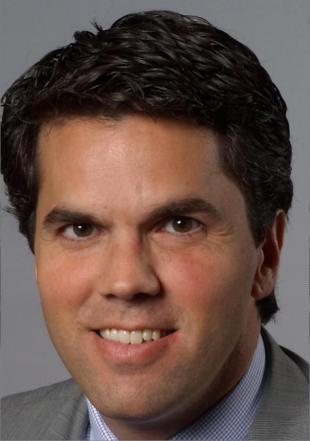
Here in the Austin area, Democrat Mark Strama (Texas House District 50) (see permanently sneering image to right) has been particularly adept at trading favors and distorting his record to try to strengthen his position in a district which is fairly evenly split between Democrat and Republican voters. To win and hold his seat he has had to make deals with Republicans and do everything he can to win Republican votes, but since he doesn’t actually vote much like a Republican that means misrepresenting the substance of his record on key issues. He’s clearly feeling the pressure from insurgent Republican Patrick McGuiness and the resulting mendacity is enlightening.

To win over Republican voters, Strama has made use of supportive quotes from Republican Representative Jim Keffer (Tecas House District 60) to look like a model of bipartisanship. In 2006 Keffer said that Strama “worked with Republicans to cut property taxes and keep our public schools open.” Yet further investigation demonstrates that Strama really didn’t do either of these things.

The truth is that Strama did not work on or support any major education initiatives and actually voted against property tax reductions twice in 2006. I can’t imagine how voting against property tax reductions can possibly be defined as working for them, except maybe by a definition broad enough to classify opposing legislation as an important collaborative role.

What Strama actually did do in 2006 was to support Keffer’s anti-business, job destroying and tax increasing franchise tax bill, one of the most negative pieces of legislation to come out of the Texas legislature this decade. This is a classic example of a corrupt bargain. Keffer needed votes from Strama and other Democrats to pass his tax increase, and as payback he provided Strama with a supportive quote to use in his next campaign to hoodwink fiscally conservative Republicans into voting for a tax and spend leftist.

So not only did Strama not cut property taxes as claimed (though the legislature did it without his support), he helped create a whole new strongly anti-busienss tax structure with the collaboration of big government Republicans. Yes, this was certainly bipartisan, but is being bipartisan a good thing when it sells out the best interests of the voters? Bad legislation doesn’t become good just because unprincipled legislators from both sides of the aisle support it.

Despite Strama’s attempts to draw Republican votes by presenting himself as a tax cutter, what we learn from the facts behind his claims is that he opposed tax cuts and supported tax increases, and what’s more that there are some Republicans like Jim Keffer who maybe ought to be looked at with a skeptical eye. Keffer not only authored the franchise tax, but also opposed the indian gaming bill which would have brought in substantial additional revenue for the state without imposing new taxes on the public. Someone with more authentic Republican principles ought to think about running against Keffer in the GOP primary in 2012.

For voters in Texas House District 50 the maxim “fool me once shame on you, fool me twice shame on me” ought to apply. Strama may have fooled them through his tit-for-tat with Keffer and by misrepresenting his record in the past, but in this election Republicans and moderate but fiscally sensible Democrats ought to know better and vote for Republican challenger Patrick McGuinness instead.

Editor's Note - Dave Nalle is National Chairman for the Republican Liberty Caucus (RLC). He is also Communications Director for the Travis County (Austin) Republican Party.