Varicella Vaccination Program Success

One of the basic human “needs” is the desire for simplicity. We have limited cognitive resources, and when we feel overwhelmed by complexity one adaptive strategy is to simplify things in our mind. This can be useful as long as we know we are oversimplifying. Problems arise when we mistake our schematic version for reality.

In this same vein we also like our narratives to be morally simple, so there is a tendency to replace the complex shades of gray with black and white. This is perhaps related to cognitive dissonance theory. We have a hard time reconciling how someone can be both good and bad, or how a good person can do bad things. So there is also a tendency to see people as all good or all bad. We can transcend these tendencies with maturity and wisdom, but that takes work.

A good example of the desire for simple moral clarity is the anti-vaccine movement. Their world is comprised of white hats and black hats (guess which one they perceive themselves as wearing), as evidenced by the blog posts and comments over at Age of Autism. There is a certain demand for purity of thought and message that seems to be getting worse over time in a self-reinforcing subculture. Many now see their struggle in apocalyptic terms.

The desire for simplicity even extends to factual claims. They oppose vaccination, and so they tend to make every argument against vaccines possible – even arguing, against all the evidence, that vaccines do not work. If vaccines were effective but carried significant risks, that would cause a genuine dilemma (cognitive dissonance). But if vaccines are both ineffective and risky, there is no dilemma, the cognitive dissonance is resolved, and the brain is given a nice dose of dopamine as a reward.

This means that defenders of science-based medicine have to counter anti-vaccine propaganda stating that vaccines do not work. For example, the data on measles is overwhelmingly clear, but this has not stopped vaccine deniers from distorting the data to argue that measles just happened to decline all on its own. It’s a massive exercise in not seeing the forest for the trees. Deniers look for anomalies in the data (usually artifacts of data collection) and then use that to call the big picture into question. Or they confuse death rates with incidence rates (death rates can decline just by improvements in medical care – this does not mean that the spread of the disease was decreasing). Meanwhile the big picture is dramatically clear – vaccine introduction lines up nicely with plummeting disease incidence.

So forgive us if we take the time to point out when further evidence comes to light that vaccines are effective public health measures. A recent study published in Pediatrics reviews the evidence for the effect of the varicella (chicken pox) vaccine on varicella-related deaths. They found:

During the 12 years of the mostly 1-dose US varicella vaccination program, the annual average mortality rate for varicella listed as the underlying cause declined 88%, from 0.41 per million population in 1990–1994 to 0.05 per million population in 2005–2007. The decline occurred in all age groups, and there was an extremely high reduction among children and adolescents younger than 20 years (97%) and among subjects younger than 50 years overall (96%). In the last 6 years analyzed (2002–2007), a total of 3 deaths per age range were reported among children aged 1 to 4 and 5 to 9 years, compared with an annual average of 13 and 16 deaths, respectively, during the prevaccine years.

That’s an impressive decline, if the absolute numbers are low. But when you are talking about childhood deaths, any reduction is welcome. Although it was not covered in this study, other studies also have looked at varicella incidence and hospitalizations, also finding a dramatic decrease. For example:

The vaccination program reduced disease incidence by 57% to 90%, hospitalizations by 75% to 88%, deaths by >74%, and direct inpatient and outpatient medical expenditures by 74%.

All of this data is also with the single doses vaccine, which was found not to produce adequate antibody levels in some children. The current recommendation is for a second follow up dose to boost immunity levels. It is probable that the two-dose vaccine will produce even more impressive results.

And so as not to oversimplify the picture – the varicella vaccine did come with a possible unintended consequence. Previous generations were often exposed to chicken pox in children throughout their life, resulting in a natural immunity booster. With the near elimination of chicken pox due to the vaccine, older adults have waning immunity and this has possibly led to an increase in herpes zoster. Once infected with varicella the virus is never completely eliminated from the body. It goes dormant in the dorsal root ganglia (packets of sensory nerve cells just outside the spinal cord) and can be reactivated later in life. It’s possible that decreasing antibody levels in older adults who are no longer getting exposed to cases in children are allowing more cases of zoster to occur.

The data on this is currently mixed. Models predict an increase, but actual surveillance has produced unclear results. The worst case scenario is that the older generation will experience an increase in herpes zoster, but this will be a temporary effect as the next generation will never have had chicken pox due to the vaccine. There is also available a varicella zoster vaccine to reduce the risk of zoster in the at risk generation.

Conclusion

There is a large and growing body of scientific data from which we can draw a few very reliable conclusions. Vaccines work. The general concept is sound, and specific vaccines have clearly been effective in significantly reducing (and in two cases eliminating) infectious disease. They are not risk free, but the incidence of adverse events is orders of magnitude lower than the benefits of the available vaccines.

We need to continue active surveillance of vaccine safety and effectiveness, as well as tight regulation of vaccine manufacturing. Vaccines are an important public health intervention, and we need to watch the vaccine program closely.

Despite this, vaccine opponents have continued to argue that vaccines are not safe or effective. Thankfully the data is so clear that the public is largely ignoring them.

Facebook Google Buzz Digg <!--<!--LinkedIn StumbleUpon LiveJournal Share

Angell’s Review of Psychiatry

Marcia Angell has written a two-part article for The New York Review of Books: “The Epidemic of Mental Illness: Why?” and “The Illusions of Psychiatry.” It is a favorable review of 3 recent books:

and an unfavorable review of the most recent version of the Diagnostic and Statistical Manual of Mental Disorders, DSM-IV-TR. It paints a disturbing picture of psychiatry. It raises a number of serious concerns but it borders on psychiatry-bashing, a sport that I deplored in a previous post.

Angell has good credentials. She is an MD trained in internal medicine and pathology, a former editor of The New England Journal of Medicine, and is currently a Senior Lecturer at Harvard Medical School. When she speaks, she usually has something interesting to say. In a 1998 editorial she and Jerome Kassirer wrote

It is time for the scientific community to stop giving alternative medicine a free ride… There cannot be two kinds of medicine — conventional and alternative. There is only medicine that has been adequately tested and medicine that has not, medicine that works and medicine that may or may not work. Once a treatment has been tested rigorously, it no longer matters whether it was considered alternative at the outset. If it is found to be reasonably safe and effective, it will be accepted.

She has previously criticized the U.S. healthcare system and the pharmaceutical industry in her books Science on Trial: The Clash of Medical Evidence and the Law in the Breast Implant Case and The Truth About the Drug Companies: How They Deceive Us and What to Do About It.

Is There an Epidemic? We are seeing an apparent epidemic of mental illness. 46% of adults are diagnosed with mental illness at some point in their lives. Mental illness is now the leading cause of disability in children, with a 35-fold increase over the last two decades. The tally of those who are so disabled by mental disorders that they qualify for Supplemental Security Income (SSI) or Social Security Disability Insurance (SSDI) increased nearly two and a half times between 1987 and 2007—from one in 184 Americans to one in 76.

Is the incidence of mental illness really increasing? Or are we just getting better at diagnosing it? Or have we expanded the criteria for mental illness to where almost everyone can be classified as mentally ill?  It’s not clear.

My skeptical psychiatric consultant, Dr. William Hoffman, comments:

I suspect that the studies overestimate the lifetime prevalence of depression, anxiety, ADHD, etc. either because the diagnostic criteria are sufficiently vague or because normal individuals are incorrectly diagnosed with mental illness (Aragones et al., 2006).  The problem stems, in part, because depression, anxiety disorders and ADHD (this is a subset, but accounts for most of the problem) overlap with sadness, anxiety and inattentiveness that is not pathological. As there is no independent diagnostic test for these disorders, their prevalence depends critically on where the severity line is drawn in the diagnostic criteria.  Tighten the depression criteria and there are fewer depressed people.  Additionally, in clinical practice, diagnostic criteria may simply not be used (Zimmerman and Galione, 2010).

There are several forces that drive looser diagnostic criteria (Mulder, 2008):

  1. Pharmaceutical companies certainly benefit from more inclusive criteria, higher prevalence rates and more prescriptions written. An indication for depression is a gold mine for a pharma company; witness the stampede to get depression indications for antipsychotics. Industry influence can be felt in the design of clinical trials, industry supported education of providers (remember, most antidepressants are prescribed by primary care providers) and direct marketing of the drugs.
  2. Looser diagnostic criteria can give the illusion that the clinician is helping more people. Coupled with the (almost certainly erroneous) belief that pharmacotherapy is at worst harmless, this leads to prescriptive practices treat people who do not even meet the permissive DSM-IV criteria (“Dr. Hoffman, why would you deny this patient the possibility that Superdrug might help them? Can’t you see that she’s suffering?”).
  3. Permissive criteria also indirectly foster the clinical impression of efficacy. Normative sadness is by definition a time limited phenomenon and, if a sad person is treated with an antidepressant, they certainly cease being sad sometime after drug initiation. Clinicians don’t have as much experience with sad people who weren’t treated with drugs and got better sometime after the decision to withhold pharmacotherapy.

It’s reasonable to hypothesize that permissive diagnostic criteria are responsible for the high rate of failed trials of antidepressants and of the meta-analytic finding that ‘mild’ depression responds to antidepressants no better than to placebo. There are other possible (not mutually exclusive) explanations for these findings (diagnostic heterogeneity, e.g.), but criterion creep probably accounts for a lot of the problem.

How much are pharmaceutical companies to blame? The three authors agree that the pharmaceutical industry has unduly influenced our thinking about diagnosis and treatment. Studies have shown that psychiatrists receive more money from pharmaceutical companies than physicians in any other specialty. In his book, Carlat explains that psychiatrists are an easy target because

Our diagnoses are subjective and expandable, and we have few rational reasons for choosing one treatment over another.

It is illegal for pharmaceutical companies to encourage off-label prescription in their marketing efforts. Several firms have been charged with such offenses in recent years. Angell thinks the laws should cover not just companies, but physicians. She says:

I believe doctors should be prohibited from prescribing psychoactive drugs off-label.

I disagree. Sometimes off-label indications are justified by published evidence before formal approval is obtained. A blanket prohibition on off-label prescribing would slow the incorporation of new knowledge into clinical practice and would be an unwarranted interference with physician autonomy and clinical judgment.

Financial considerations affect individual providers and patients as well as pharmaceutical companies.

Like most other psychiatrists, Carlat treats his patients only with drugs, not talk therapy, and he is candid about the advantages of doing so. If he sees three patients an hour for psychopharmacology, he calculates, he earns about $180 per hour from insurers. In contrast, he would be able to see only one patient an hour for talk therapy, for which insurers would pay him less than $100.

Children are increasingly being given psychoactive drugs that have not been studied in children. Children from low-income families are four times as likely to be on these drugs. SSI income is a strong incentive for labeling them with a qualifying diagnosis.

Are These Diseases Caused by Chemical Imbalance? None of the three authors subscribes to the popular belief that mental illness is caused by a chemical imbalance in the brain.  Indeed, the evidence for it is very shaky.  All we really know for sure is that the chemistry of the brain changes in patients on medication.

My psychiatric consultant Dr. Hoffman agrees that the chemistry imbalance hypothesis is simplistic, misleading, and essentially wrong. However, he argues that this is not a reason to abandon psychoactive medications:

This is not to say that major depression, anxiety disorders and ADHD don’t exist or that no one should be treated with psychotropics for these disorders. Severely depressed people, e.g. those with melancholia, do not improve in a short time, are markedly unresponsive to normal rewards, have group differences in fMRI responses and are much more likely to respond to pharmacotherapy and much less likely to respond to placebo (Heinzel et al., 2009; Horn et al., 2010).  Are patients with melancholia qualitatively different from more mildly unhappy people? That is, does the mechanism by which they are unhappy differ from more usual sadness? Do they have a ‘chemical imbalance’? Let’s look at a more straightforward example.

Schizophrenia is a brain disease. ECA (Epidemiologic Catchment Area) estimates of the prevalence of schizophrenia have not changed. The prevalence of schizophrenia is the same (about 1%) in every human culture and ethnic group. The phenotype of schizophrenia is markedly different from normality and does not overlap much with normal behavior. Schizophrenics as a group have many biologically replicable differences from non-psychotic individuals, although the pathognomonic diagnostic test eludes us still. This qualitative and quantitative difference is reflected in the lower rate of failed clinical trials of antipsychotics and the very low rate of placebo response. Is schizophrenia due to a ‘chemical imbalance’?

Nope. But then, neither is any other neuropsychiatric disorder.

Schizophrenia is one of the most intensely studied neuropsychiatric disorders. No credible neuroscientist doubts that the schizophrenic syndrome arises from genetically influenced brain abnormalities present at birth that interact with subsequent brain development and environmental contributors in a manner that increases the risk of undergoing a psychotic transition sometime in adolescence or early adulthood. Dopamine D2 family antagonists are the only (even partially) effective treatment for some of the symptoms. Despite three decades of looking, there does not seem to be a large primary abnormality in the dopaminergic system in schizophrenics’ brains. Contemporary conceptions of schizophrenic pathology concern abnormalities in brain circuitry (Swerdlow, 2011).  DA modulates the function of some of those circuits and, through this mechanism, DA blockade exerts its influence. Greater DAergic stimulation (like by cocaine) makes schizophrenic symptoms worse and DA blockade makes it a bit better, but the actual state of affairs is quite complex and not due to a simple chemical imbalance.  Depression fits this simplistic model even more poorly, particularly because depression (perhaps of lesser severity) will respond to psychosocial interventions while schizophrenia does not.

Borderline personality disorder, another syndrome that is relatively reliably (don’t know yet about validity) defined responds poorly to drugs and best to specific psychosocial interventions (Gunderson, 2011; Leichsenring et al., 2011). Does response to non-pharmacologic interventions mean that the disorder under consideration is not a brain disease? Does this mean that the individual is somehow more responsible for their disorder than someone with, say Parkinson’s disease? Certainly not. The affective, behavioral and cognitive dysregulation in borderlines is based on genetic and developmental variance from the norm. No one would choose borderline personality disorder as a lifestyle.  It’s just that that disorder, like milder depression, occurs in a brain that is able to respond to techniques that get the patient to practice behaviors that preclude their more troubling symptoms.

This is a source of some confusion and is reflected in some of the authors’ work in the review. Just because the chemical imbalance model is too simplistic (or just plain silly) as an explanation of a disorder does not suggest that the disorder doesn’t exist or imply that (and this is never explicitly stated, only implied) the disorder is not really dependent on brain function in the same way as, say, Parkinson’s Disease. To the extent that the disorder can be reliably diagnosed and has adequate validity (one could readily argue that some DSM-IV disorders lack validity), it must, of necessity, reflect variant brain function.

So why does the model persist? William Hoffman again:

There are many reasons why the chemical imbalance model persists despite no real evidential support of its primary form. Busy clinicians like simplicity. It frees them from uncertainty and provides a guide to purportedly healing actions. A common complaint from psych residents about presentations of the neurobiology of psychiatric disorders is, “But how does this neuroanatomical circuit stuff tell me what to do?” And it doesn’t always tell clinicians what to do, although sometimes it might tell them what to avoid. If one can go through the depression checklist, determine that the person meets criteria, prescribe the first antidepressant on the algorithm (or the miracle drug discussed at the drug dinner last night) and then move on to the next person, one can avoid the anxiety of saying, “Ms. Smith, it sounds like you’ve had a tough time lately. A lot of people react with feelings of sadness in this situation. But most people also pull out of it without having to use antidepressants. I’d like to prescribe an activity schedule that will get you out of the house and doing some of the things that you enjoy. I’m glad you identified a friend who’d be willing to be a short term coach and get you out even when you don’t feel like it. I’d also like you to see Dr. X, who can teach you some new mental techniques that have been shown to help with your kind of sadness. You’ll see him twice a week at first and I’d like you to meet with our activity therapist to review your activity schedule. I’ll see you in a couple weeks to see if you’re able to benefit from this plan.” That’s a complex plan and, because it involves extra visits, it might be more expensive than saying, “Here are some samples of Sliced Bread and a prescription for when those run out. Antidepressants take about three weeks to start working, so I’ll see you for 15 minutes in three weeks.” Pharma is able to exploit clinicians’ desire to help patients and their anxiety in the face of scientific indeterminacy with drugs (Newer! Better! More powerful! [More expensive]) and a plan for their use.

How do psychiatrists arrive at a diagnosis?

[Carlat’s] work consists of asking patients a series of questions about their symptoms to see whether they match up with any of the disorders in the DSM. This matching exercise, he writes, provides “the illusion that we understand our patients when all we are doing is assigning them labels.” Often patients meet criteria for more than one diagnosis, because there is overlap in symptoms.

How do psychiatrists decide which drug to prescribe? Carlat says:

Guided purely by symptoms, we try different drugs, with no real conception of what we are trying to fix, or of how the drugs are working. I am perpetually astonished that we are so effective for so many patients.

Are psychoactive drugs merely placebos? Kirsch has been on something of a crusade to prove that hypothesis. His interpretation of the data on anti-depressants differs from Erick Turner’s interpretation of the same data because of a different understanding of effect size., as I explained in a previous post.

Studies showing that psychoactive drugs are more effective than placebo do not show a very large difference, and it has been speculated that the side effects of these drugs reveal to the patient that he is not getting a placebo, thereby enhancing the placebo effect of the drug. Studies using an “active” placebo that causes side effects seem to support this hypothesis. But a more definitive way to test it would be to do an “exit poll” asking subjects whether they thought they had been assigned to the placebo group or the drug group. In acupuncture studies, subjects who believed they were in the true acupuncture group improved more than those who believed they were in the control group — no matter which group they were actually in! As far as I know, no similar studies have been done for psychoactive medications.

Are these drugs harmful? Whitaker argues that psychoactive drugs may be responsible for turning episodic illness into chronic illness. He says antipsychotic drugs shrink the brain. By altering brain chemistry, they may cause disease. For instance, anti-depressants can cause episodes of mania resulting in a new diagnosis of bipolar disorder. He thinks we are seeing an iatrogenic epidemic of brain dysfunction. It can be difficult to get off the drugs because the brain has adapted to their presence. He particularly demonizes Zyprexa. His arguments are not convincingly supported by evidence, but they do suggest directions for research.

Is the DSM based on science? It appears to be strongly influenced by opinion. It is disturbing that the number of diagnoses keeps increasing, from 182 to 365.

Even Allen Frances, chairman of the DSM-IV task force, is highly critical of the expansion of diagnoses in the DSM-V. In the June 26, 2009, issue of Psychiatric Times, he wrote that the DSM-V will be a “bonanza for the pharmaceutical industry but at a huge cost to the new false positive patients caught in the excessively wide DSM-V net.”

As Angell says,

It looks as though it will be harder and harder to be normal.

The DSM is a noble but flawed effort to standardize psychiatric diagnosis and make it more rational. I’m afraid we are stuck with it. It won’t go away, but we can hope to make it better and more scientific. Despite its flaws, it’s arguably better than going back to pre-DSM days.

Are non-drug options preferable? Angell argues that:

At the very least, we need to stop thinking of psychoactive drugs as the best, and often the only, treatment for mental illness or emotional distress. Both psychotherapy and exercise have been shown to be as effective as drugs for depression, and their effects are longer-lasting.

Yes, but. Non-drug options are not effective for the most severe cases. Psychotherapy can be next to impossible in severely impaired patients, and drug therapy must be added to enable them to respond and cooperate with psychotherapy. And how successful has anyone ever been in getting a severely depressed patient to go out and exercise? Sometimes they can’t even get out of bed.

Conclusion

Angell calls the books she reviews “powerful indictments of the way psychiatry is now practiced.” Indictments have their place, but we mustn’t ignore all the things modern psychiatry gets right. It has (mostly) rejected Freud and is making a valiant effort to become more evidence-based. It has prevented suicides, alleviated incapacitating symptoms, and helped patients enjoy a reasonably normal life at home instead of in a locked ward. Instead of throwing out the baby with the bathwater, how can we employ common sense and rigorous science to improve psychiatric care? Neither Angell nor the books she reviews offer any concrete proposals for improvement. Angell says one thing I can heartily agree with:

Our reliance on psychoactive drugs, seemingly for all of life’s discontents, tends to close off other options… we need to do better.

Hear, hear!

Acknowledgement: Thanks to Dr. William Hoffman for his input. He is a psychiatrist at the Portland VA Medical Center and the Oregon Health & Science University.

Disclaimer: Dr. Hoffman’s opinions expressed herein are his alone and not the opinions of the Department of Veterans Affairs, OHSU, or his cat.

Reference List

Aragones E, Pinol JL, Labad A (The overdiagnosis of depression in non-depressed patients in primary care. Fam Pract 23:363-368.2006).

Gunderson JG (Clinical practice. Borderline personality disorder. N Engl J Med 364:2037-2042.2011).

Heinzel A, Grimm S, Beck J, Schuepbach D, Hell D, Boesiger P, Boeker H, Northoff G (Segregated neural representation of psychological and somatic-vegetative symptoms in severe major depression. Neurosci Lett 456:49-53.2009).

Horn DI, Yu C, Steiner J, Buchmann J, Kaufmann J, Osoba A, Eckert U, Zierhut KC, Schiltz K, He H, Biswal B, Bogerts B, Walter M (Glutamatergic and resting-state functional connectivity correlates of severity in major depression – the role of pregenual anterior cingulate cortex and anterior insula. Front Syst Neurosci 4.2010).

Leichsenring F, Leibing E, Kruse J, New AS, Leweke F (Borderline personality disorder. Lancet 377:74-84.2011).

Mulder RT (An epidemic of depression or the medicalization of distress? Perspect Biol Med 51:238-250.2008).

Swerdlow NR (Are we studying and treating schizophrenia correctly? Schizophr Res 130:1-10.2011).

Zimmerman M, Galione J (Psychiatrists’ and nonpsychiatrist physicians’ reported use of the DSM-IV criteria for major depressive disorder. J Clin Psychiatry 71:235-238.2010).

Facebook Google Buzz Digg <!--<!--LinkedIn StumbleUpon LiveJournal Share

On the Orwellian language and bad science of the anti-vaccine movement: “SmartVax” versus “MaxVax”?

If there’s one thing that’s true of the human race, it’s that when it comes to persuasion language is has power. Words have power. Just ask the advertising industry or politicians, who rely on their skills manipulating language to persuade for their very livelihood and authority. In the specific bailiwick of this blog, Science-Based Medicine, many of us have spent considerable verbiage describing how advocates of unscientific modalities rebranded as “complementary and alternative medicine” (CAM) and/or “integrative medicine” (IM) are incredibly skilled at the manipulation of language and renaming of terms in order to make them sound more persuasive, particularly to make it sound as though their modalities are scientifically supported or that it’s just another “alternative” to SBM. In fact, Kimball Atwood has made a special study of the language of CAM, even going so far to do an amusing feature that he used to call the Weekly Waluation of the Weasel Words of Woo. Indeed, the very name “integrative medicine” is a masterful term that makes it sound as though they’re just “integrating” the best of scientific medicine and “traditional” or “alternative” medicine when in fact what is happening all too often is the “integration” of quackery with medicine or, as I sometimes like to call it, “integrating” fake medicine with real medicine. Unfortunately, my definition of “integrative medicine” doesn’t appear to be winning, although I was gratified that I got several Tweets during our panel at TAM9 quoting my line about integrating quackery with medicine.

The anti-vaccine movement has been pretty good, albeit not as masterful as, say, Andrew Weil, when it comes to manipulating language to its own end. Who can forget three years ago, when the meme started spreading throughout the anti-vaccine movement that it’s “not anti-vaccine but rather ‘pro-safe vaccine’” and started demanding that the government and pharmaceutical companies “green our vaccines.” The reason is obvious; even anti-vaccine activists know that it’s a public relations loser to be explicitly anti-vaccine, which is Jenny McCarthy and the anti-vaccine groups that participated in her “Green Our Vaccines” rally did their best to downplay and hide their radical anti-vaccine base. They failed. (The signs about vaccines as “weapons of mass destruction” rather undercut the “pro-safe vaccine” message. I’ve dealt with this fallacy before in depth, explaining why it is appropriate to call them “anti-vaccine,” even as they strenuously deny that they are. More recently, the preferred narrative has been “too many, too soon,” which leads me to another term coined by the group SafeMinds and promoted on—where else?—Age of Autism.

Now, the SafeMinds/AoA approach is being dubbed “SmartVax.”

The Orwellian language of the anti-vaccine movement

I have to hand it to the anti-vaccine movement in general and SafeMinds in particular. I really do. Whatever the deficiencies in their knowledge of science, anti-vaccine advocates sure can spin the Orwellian language, where up is down, left is right, and vaccines are alway, always, always the cause of autism, or at least more harmful than good. The first stroke of propaganda genius about this site is the term “SmartVax” itself. Yes, it’s painfully obvious. After all, who wants to be in favor of the implied opposite of “SmartVax,” such as “DumbVax” or “StupidVax”? Of course, I fervently hope that some day a vaccine against dumb and stupid will one day be invented, but most likely I hope in vain. If there is one thing that isn’t vaccine-preventable, it’s stupidity. Yet that’s not the propaganda genius, at least not in and of itself. What elevates the dreck on the SmartVax website into the realm of brilliant P.R. is how the anti-vaccine activists contrast “SmartVax” with what they call “MaxVax.” Let’s take a look, shall we? It begins with a bit of revisionist history in a section entitled Overview of the SmartVax Philosophy:

In the early 1900′s, scientists coined the terms “allergy” and “anaphylaxis” to describe vaccine-injuries; at present, the mechanism by which vaccines cause injury is still not scientifically understood. Historically, the vaccine-injury risk has caused vaccine manufacturers and public health officials to be conservative when recommending new vaccines or administration of vaccines at earlier ages. However, vaccines proved effective against some deadly diseases and by the 1970′s a “maximize vaccination” philosophy arose that viewed vaccines as always having more benefits than risks.

Not exactly. The assertion that scientists coined the terms “allergy” and “anaphylaxis” to describe vaccine injuries is a distortion, with one minor grain of truth. Let’s start with the term anaphylaxis, the coining of which had nothing to do with childhood vaccines. Rather, it derived from the studies of Charles Richet and Paul Portier over 100 years ago of the toxin produced by a jellyfish, the Portuguese Man of War. During an oceanographic expedition, Richet and Portier managed to isolate the toxin and thought that they might be able to use the toxin in order to obtain protection, or, as they called it, “prophylaxis” in order to protect swimmers who came into contact with the jellyfish. When they returned to France, they didn’t have access to the jellyfish anymore; so they turned their attention to the toxin produced by the sea anemone Anemona sulcata, the “sea nettle”, which could be harvested in large quantities from the Mediterranean Sea. They injected venom from the sea nettle at various doses into dogs. The dogs that survived were allowed to recover and then reinjected. To their surprise, subsequent small doses of the toxin produced a dramatic illness that resulted in difficulty in breathing followed by rapid decline and death. Richet and Portier called this reaction “anaphylaxis,” meaning “against protection.” They concluded correctly that the immune system becomes sensitized to the toxin and that re-exposure to the same substance could result in a severe reaction, a discovery for which Richet won the Nobel Prize in Physiology or Medicine in 1913. Vaccine injury is not exactly the same thing as what the SmartVax website is referring to.

SafeMinds is also distorting the history of the term “allergy,” which actually was not coined to describe vaccine “injuries.” Rather, the term “allergy” was first coined in 1906 by Clemens von Pirquet. A year earlier, von Pirquet studied the describe adverse reactions of children who were given repeated shots of horse serum to fight infection. Here’s a hint: Injecting horse serum to fight infection is not the same thing as being vaccinated. Indeed, Emil Adolf Behring won the Nobel Prize in Physiology or Medicine in 1901 for the development of the diptheria antitoxin, having observed that injecting extracts of diptheria cultures containing diptheria toxin into an experimental animal induced the animal to produce something in its serum that could protect another animal against infection with diptheria. Ultimately, this led to a treatment for humans in which horse serum antitoxin was used in order to treat and prevent the disease, but unfortunately proteins in the horse serum could at times result in allergic reactions upon repeated doses. The following year, the term allergy was proposed to explain this unexpected “changed reactivity” in response to exposure to the horse serum. Later, in 1907 Pirquet characterized the same effect due to repeated doses of the smallpox vaccine–after he had coined the term for his previous observations.

After that little paragraph of revisionist history follows more revisionist history that consists largely of confusing correlation with causation (the “autism epidemic” that isn’t), claiming that the anti-vaccine groups that arose during the 1980s advocated a “smarter” vaccine schedule, and pointing out the 1986 law that created the National Vaccine Injury Compensation Program without mentioning that anti-vaccine grande dame Barbara Loe Fisher was a driving force behind the passage of that law. Anti-vaccine groups only turned on the law when they didn’t like how the Vaccine Court had the temerity to try to use actual science to determine what does and doesn’t constitute a true vaccine injury. It didn’t matter that the Vaccine Court bent over backwards to give parents the benefit of the doubt, that it came up with a list of “table injuries” that are presumed to be due to vaccines even when the evidence is somewhat questionable, and that it paid most legal fees fo its petitioners, whether they won or lost. When the Vaccine Court didn’t accept the pseudoscientific view that vaccine injuries cause autism, the anti-vaccine movement turned on it and now generally rant that the requirement that vaccine injury claims go through this special court has allowed vaccine manufacturers to avoid any accountability. Never mind that the FDA and FTC regulate them and that the regulations covering pharmaceutical products (like vaccines) require considerably testing and oversight.

The revisionist history here didn’t exactly make me confident in anything else on this website, but let’s move on. Here is where we get to the meat of the matter; this is what SafeMinds describes as the difference between what it calls the “SmartVax” and the “MaxVax” philosophies:

SmartVax and Max-Vax are both “pro-vaccine” philosophies, in that both philosophies consider vaccines an important component in an overall children’s health program, but SmartVax differs from Max-Vax in important aspects of safety, research, and policy. The SmartVax philosophy is all about being smart with vaccinations: don’t over-use them, don’t bypass good science, understand the risks, and ensure that the risks are not hidden from the public.

Uh, no. Not even close.

Does SafeMinds really think we’re stupid enough to believe that its philosophy is in any way “pro-vaccine”? Think about it this way? Have you ever seen SafeMinds advocate the routine use of any vaccine or defend any vaccine? I certainly haven’t, and I’ve scoured its website looking for such a statement. What I see instead are unending claims that vaccines are unsafe or haven’t been adequately tested based on misinterpretation and cherry picking of studies, fear mongering, and rejection of studies failing to find a link between vaccines and autism almost before they are published. Just type the word “SafeMinds” into the search box in the upper left hand corner of this page, and you’ll see copious evidence of the anti-vaccine activism of SafeMinds, including, most recently, its purchasing public service announcement time in AMC Theaters for its anti-vaccine message, which, not surprisingly, has led to complaints of “censorship” and conspiracy theories about big pharma, pediatricians, and the government trying to shut SafeMinds down. That’s hardly about “not bypassing good science,” which is exactly what SafeMinds does every time it trashes studies that fail to find a link between vaccines and autism.

Basically, SafeMinds contrasts its “SmartVax” (i.e., its anti-vaccine policy in disguise) with “MaxVax” (what it labels the current vaccine schedule) by two “pillars”:

  1. Evidence-Based Scientific Research (go where the evidence leads)
  2. Appropriate Checks-and-Balances on Vaccine Policy

Pillar one is based on a delusion coupled with a massive straw man:

The first rule of SmartVax is the pursuit of evidence-based scientific research on vaccine-injuries to an unbiased conclusion, without being afraid of what the evidence might show, to develop the knowledge for a safer and more effective vaccine program in the long-term. This is in stark contrast with the Max-Vax tenet that such research should be avoided because the results might undermine public confidence in the current vaccine program.

The delusion is, of course, that SafeMinds or any other anti-vaccine group does or advocates anything resembling unbiased, evidence-based research. Quite the opposite, as we’ve documented time and time again over the last three years right here on this very blog, for example here. The straw man is that scientists claim that research should be avoided because the results might undermine public confidence. A more accurate and honest representation of the Orwellian-named “MaxVax” position would be that a link between vaccines and autism is highly implausible and that, although it is impossible ever to prove a negative completely (i.e., that there is absolutely no link between vaccines and autism), enough studies have been done to estimate the chances of such a link existing to be very, very, very low. After all, even Generation Rescue’s attempts at finding a link between vaccines and autism have failed utterly. In actuality, it is SafeMinds and its ilk that require more and more such research for the very purpose of undermining public confidence in the current vaccine program; that’s the raison d’être of anti-vaccine groups. And, of course, the “MaxVax” moniker itself is a not-so-subtle attempt to paint the public health establishment with the brush of unreasoning extremism and dogma.

Here’s pillar two:

The SmartVax view holds that appropriate checks-and-balances on vaccine policy will produce the most beneficial vaccine program long-term for children’s health. Government-owned research data on vaccine-injuries should be made open to the public and easily accessible to all researchers. Long-term double-blind placebo studies tracking both acute and chronic health conditions (e.g. asthma, allergies, ADHD, and autism) should be required prior to any vaccine approval. Philosophical exemption, by which a parent can opt to delay or exempt certain vaccines for the child without discrimination such as loss of federal benefits or access to public schools, should be a fundamental right in the USA (as it is in Canada and other countries).

Clearly, the message hasn’t gotten through to SafeMinds, although perhaps I shouldn’t be surprised about that, given how research ethics appears not to concern anti-vaccine groups very much when it comes to their own, which is in marked contrast to their attacks on pharma and “conventional” science. Performing randomized, double-blind, placebo-controlled studies of currently used vaccines is completely unethical because it leaves the control group unprotected against vaccine-preventable disease. In fact, the only time such a trial could be ethical is if there is no currently existing vaccine for the disease; i.e., the vaccine is a new vaccine for a condition for which there currently isn’t a vaccine. If the vaccine is for a condition for which a vaccine currently exists, then the appropriate design of a clinical trial is to test the new vaccine against the old vaccine; doing otherwise would leave the control group unprotected against a vaccine-preventable disease. In addition, even doing epidemiological studies looking at health outcomes in vaccinated versus unvaccinated children is highly problematic, both on practical, scientific, and ethical grounds. On the other hand, in a perverse way, I’m glad that SafeMinds has put itself on the record as supporting an unethical clinical trial design motivated by its anti-vaccine views. It makes it so easy for me to go after its position.

The rest of its position is the same sort of superficially plausible-sounding nonsense that we’re accustomed to hearing from SafeMinds and its ilk. The real reason it wants access to data on vaccine injuries is so that it can “reanalyze” it and come to different conclusions, the way Mark and David Geier tried to do several years ago, and, of course, its call for “philosophical exemption” is nothing more than warmed-over “health freedom” rhetoric. Overall, then, there appears to be nothing new in the “philosophy” behind SmartVax. It’s nothing more than what we’ve been hearing from the anti-vaccine movement for a long time. It is, however, wrapped up in an appealing-sounding package. Unfortunately, the material is rotten to the core, just as pillar two of the SmartVax philosophy is unethical to its very core.

Where’s the beef?

Now that I’ve dealt with the revisionist history and Orwellian language of the “philosophy” section of the SmartVax website, let’s look at the “beef,” so to speak. What, exactly, is it that SafeMinds says about its “SmartVax” philosophy and what science does it use? The answer to the first question is, in essence, to claim that SafeMinds advocates “rigorous science” to justify its warmed over “too many too soon” complain coupled with an even more warmed over Bob Sears-stylealternative vaccine schedule” that would leave children unprotected against diseases like measles and pertussis for far too long. Perhaps the best example of the scientifically bankrupt and deceptive “SmartVax” reasoning can be found in a section entitled Weigh the Risks of Vaccination. One thing that is very apparent upon trying to wade through this site is that it superficially looks very “science-y.” However, the more I waded in, the more frustrated I became. In many cases, I couldn’t figure out how SafeMinds calculated its numbers and, worse, in many cases references weren’t easily locatable because they weren’t cited properly. For example, SafeMinds takes huge leaps based on a study of asthma rates in children in Manitoba based on vaccination timing but doesn’t actually cite the study on the page where it makes the claim or on the page where it explains the claim. This is a perfect lead-in to an example of the intellectual bankruptcy that is the SmartVax website.

Let’s take a look at the sorts of methodologies that SafeMinds recommends for estimating the “risks” of vaccination. Before I do this, however, let me just reiterate that it is a strawman argument that is being attacked when it is claimed that the “MaxVax” philosophy denies the possibility of vaccine injury. Scientists most definitely do not; in fact, it is scientists and physicians who study vaccine injury and estimate the frequency with which it happens, as well as potential predisposing factors. Think of it this way. Who did the studies that SafeMinds cherry picks? Not The difference is that scientists and science-based physicians base their estimates on science and epidemiology, not anecdotes, and most especially not on cherry-picked studies. Perhaps the most egregious example occurs when SafeMinds attributes a risk of 1 in 13 of “vaccine-induced asthma.”is administered according to schedule compared to a delay of three months, which leads it to produce this meaningless table. I also note that the Manitoba study was not a study of whether vaccination itself was associated with the later development of asthma but rather a study of whether the timing of vaccination with DPT was associated with asthma. There is a difference; yet SafeMinds uses the data from that study to make an estimate that 7.9% of the population is at a risk of “vaccine-induced” asthma from the DTP and Hib vaccines, even though the actual experimental group still got the vaccines, just three months later. One also notes that whole cell pertussis, as in the DTP vaccine, is no longer used in most countries. In any case, the authors themselves stated in the discussion:

On the other hand, McKeever et al did not find an association between asthma onset and the age at first injection of diptheria, polio, pertussis, and tetanus vaccine in their database of study of 29,000 children. To our knowledge we are the first to report that delay in adminstration of the first dose of DPT immunization is significantly associated with reduced risk of developing asthma in childhood.

One wonders why SafeMinds didn’t acknowledge this. It also fails to acknowledge that in the CDC study it also cites as evidence that the Hib and hepatitis B vaccines were associated with a weakly increased risk of asthma the relative risks were very low and the authors themselves did an analysis to determine whether a confounding factor might account for the elevated relative risk and concluded:

To evaluate the magnitude of possible medical care utilization bias, we performed a subanalysis restricted to children whom we knew were using two of the VSD HMOs (GHC and NCK) for their health care because they had made at least two medical care visits during their first year of life. In this subanalysis the relative risks for almost all of the vaccines of interest decreased, including those for Hib and hepatitis B. In another subanalysis in which we tried to reduce possi- ble health care utilization bias by restricting the analysis to children who had received at least two OPV, two DTP and one MMR, the relative risk of asthma associated with hepatitis B vaccine was less than that found in the main analysis. We conclude from these findings that the results of our main analysis are probably biased upward and tend to overestimate the relative risks associated with vaccination.

In conclusion medical care utilization bias did seem to influence the results for Hib and hepatitis B vac- cines, for which we found weak associations with asthma. Despite a similar bias that would favor finding an increased risk, we found that DTP, OPV and MMR vaccines did not increase a child’s risk of developing asthma.

In other words, the CDC Vaccine Safety Datalink team found no increased risk of asthma associated with vaccines for most vaccines, and for the two where they did the risk appeared to be very small and likely attributable to confounding factors. Yet SafeMinds mentions none of this, nor does it mention a recent meta-analysis that asks the question, “Is Childhood Vaccination Associated With Asthma?” The answer, in case you’re wondering, is a resounding no. Several other studies also support this conclusion, for example with respect to vaccination against pertussis and a recent German study that demonstrate no differences in allergic diseases between vaccinated and unvaccinated children. I will be honest here; the question of whether any vaccines are associated with an increased risk of asthma is not an entirely settled question yet, but one thing we can say. The vast majority of studies do not support such a link, and the Manitoba study is an outlier that needs to be confirmed, particularly given that it disagrees with a previous study. Moreover, the Manitoba study looked at a vaccine that is no longer used because its problems were recognized—by scientists!—and a safer version of the vaccine developed. Yet SafeMinds deceptively handwaves and in essence extrapolates a risk from a single outlier study to a more general risk and exaggerates a possible risk found in an old CDC study.

Such deceptive or incompetent (take your pick) biased cherry picking does not give me confidence in the rest of the “scientific” analyses of vaccine risks presented on the SmartVax website. Perhaps if I have time for a future post doing so, I’ll delve into the even more science-y tables presented as overall risks of vaccination versus the diseases protected against, but this post is already reaching a long length, and I’m getting tired. Also, I don’t want to finish without mentioning one last aspect of the SmartVax website.

Promoting anti-vaccine advocacy

Perhaps the most telling part of the SmartVax website is the About Us section. It’s all very confused, starting out focusing on mercury in vaccines as a cause of autism, even though it’s clear from numerous epidemiological studies that it almost certainly is not. It also parrots a number of anti-vaccine tropes:

Vaccines contain a number of components that have been linked to vaccine-injury, including aluminum adjuvants, mercury, antigens, and endotoxins. Research indicates that combining multiple vaccines into a combination vaccine can increase adverse reactions from vaccines, and also that adminstration of vaccines at an earlier age can increase risk of vaccine-injury. Research has not been performed on most vaccines in vaccinated vs unvaccinated children to determine whether there are links to the autism, ADHD, and allergy epidemics; research on asthma indicates that there is a link to vaccines. The entire USA vaccination schedule, which has approximately tripled since the 1986 law which protects manufacturers from vaccine lawsuits, needs to be studied and analyzed with an unbiased approach to find scientific answers. Similarly, there is a dearth of research on “Environmental X Factors” that contribute to these epidemics.

Yes, indeed. It’s the “toxin gambit,” coupled with “too many too soon” and the myth of an “autism epidemic” all rolled into one. SafeMinds then goes on to say:

Beyond the personal impact to individuals and families, the epidemic of vaccine-injuries has enormous implications to the public. A future America will be competitively disadvantaged due to medical costs, lost wages, reallocation of personnel into care-giving roles, and a smaller pool of qualified military recruits. Such a bleak future can be avoided, but it will require the American public to take action. Synergistic research from diverse scientific fields such as toxicology, endocrinology, and immunology could lead to a fundamentally new scientific understanding of how vaccines work and how vaccine injuries occur. This could provide the knowledge of how to design a new vaccination program that is both safer and more effective. But recent history indicates that Max-Vax proponents in the government and public health industry will suppress such science, unless there is a “SmartVax” consumer advocacy movement to protect these researchers from discrimination and encourage elected officials to insist that the CDC and FDA take action to recognize and reduce vaccine-injuries.

At its essence, the SmartVax philosophy is all about being smart with vaccinations: don’t over-use them, pursue the science, understand the risks, and ensure that the risks are not hidden from the public. A SmartVax approach will lead to improved children’s health by minimizing vaccine-injuries and protecting against infectious diseases. With SmartVax, the future vaccine program will be both safer and more-effective.

Except that, as I have just shown, SmartVax isn’t so smart about pursuing the science. The purported link between vaccines and asthma is but one example. In every case I’ve taken a look at, SafeMinds has cherry picked data, choosing only the research that suggests the highest risk and discounting all the other research that finds no risks. In the rest, SafeMinds distorts history, uses logical fallacies, and in general does its best to hide its anti-vaccine agenda. Amusingly, that is not enough. Looking through the comments of the announcement of the SmartVax site on AoA, I find it apparent that anti-vaccine advocates are not happy, nor are they necessarily fooled. Here are some examples:

Ray Gallup:

I’m anti-vaccine as well because I have seen first hand the effects of vaccines especially the MMR and in your case the DPT. Vijendra Singh noted that in his studies but of course the pro-vaccine lobby ignored his studies and focused their attacks on Andy Wakefield. The moderates in the community are basically kissing up to the pro-vaccine lobby. The moderates are timid and don’t support families and kids, unfortunately by their timid behavior.

None of us can change this behavior because these people are afraid of their own shadows. So families and kids will continue to suffer because of this cowardly behavior….on the part of parents/organizations.

Shameful. We can expect it from vaccine companies….but can we expect it from parents and autism/vaccine organizations????

Apparently so!!!

Next, here’s someone by the pseudonym veritas:

I agree with Elizabeth. Only no vax guarantees the total safety. All pediatric infectious diseases are trivial at our time, as can be treated or managed with antibiotics or proper care. I would not risk my child life with any vaccine now. They become more and more toxic and we have no idea what is in them. Experience of EU, where only a small fraction of parents vaccinate, is the best evidence that mass vaccinations are not needed and harmful. More children now die from vaccines than from infectious diseases; although tens of thousands vaccinated or not get sick from infectious diseases, they very rarely die in developed coutnries. The reverse is true with vaccines. You can recover from infectious diseases, but it is very difficult to recover to recover from vaccine-induced injuries, such as diabetes, asthma, chronic encephalopathy, autism, etc.

Actually, let’s look at the experience of the EU, where measles has returned with a vengeance, all thanks to a large pool of unvaccinated children. As for verities’ comment about all pediatric infectious diseases being “trivial” at our time, I would remind this ignorant person that, yes, even in 2011 children die of pertussis in the United States. Children still get hepatitis B and later develop cirrhosis or liver cancer at a young age. In 2011. This doesn’t even take into account the morbidity and suffering that many vaccine-preventable childhood diseases can cause.

Truly, veritas has chosen poorly for his pseudonym, given the misinformation he or she is peddling.

To conclude this post, here’s Kathy Blanco, whom I quote in her entirety:

Here we go again, the spineless approach to this worldwide epidemic, yeah, let’s be politically correct now? Not. Although I appreciate the EFFORT, to appear non aluminum foiled hatted, I know without a shadow of doubt, that it is and can trigger autism in our children. I believe NO vaccine has value or efficacy and so do top experts who have any job left. Perhaps when they read the site they may as in BIG may come to that conclusion. However, I have come to the further conclusion, that as not only a recipient of a damaging vaccine in my children (which sways opinion/vested interest, no lying), but, that the science does not support they are safe in any way, shape or fashion. That means the crowd that ashews no mercury, etc, are in fact, half right and half wrong. And I am afraid the mixed message of compliance, we can work with you attitude, is like saying, a murderer can get off or out of jail after good behavior. These people KNEW it was causing damage, and there is the bigger item for interests, and to be frank…the average parent gets the narly vision of a double breasted suit wearing liar in a vaccine regulatory chair/aka dollar signs, rather than explaining by statistic how this or that would cause or MAY cause something in their child. I think people sense the lying on pharma adds, and see the double standard business as usual stance on vaccines. Since we have started this “workable” parent routine, more vaccines have been added to the schedule. Do you know what they really don’t want to happen? Take a guess, it’s called the pocketbook. It’s called a general boycott, furthering exemptions or keeping them. That’s what they listen to. Not our sad puppy eyes, signs of damaged children at a march. Not even lawyers get them going. They know they are protected from damage claims even by the highest levels of our government, and they will continue their carnage until we finally get it, or they have completed their mission of the “soft kill”. The reality is…we are the consumers, and not consuming their garbage will stop their lying son of a gun asses. Sorry, thats this mommies humble wordly view of it. I tried to many years ago, to illuminate what child would become autistic if given a vaccine, just like this website, however, I had the balls to say it, no vaccine is safe, and don’t experiment on YOUR child. I know this won’t go pass the moderator, but it makes me feel better just typing it. What I was doing however, was suggesting to an unknowledgable average citizen, is that vaccines represent an immune challenge for which our children, in general can not handle, even on it’s premise, is the fact it is never tested in immune damaged children. And how can one “determine” such…it is more than autoimmunity in the mother, a a whole HOST of factors, generally felt by all in our community at large (toxic poisoning of our bodies by industry), that is WIDELY felt. No one goes unscathed. So therefore, no vaccine is safe. None. Deleyed reactions, of course, it’s called oncogenicicity (cancer forming), or to put it more mildly, chronic immune activation, and more mildly, WITCHES BREW.

In the end, SafeMinds is fooling no one. Its protestations otherwise that it is not “anti-vaccine” do not fool those of us who know better. Its torturing of the science, liberal use of revisionist history and bad arguments, and its favoring of Orwellian language, all coupled with never, ever conceding that any vaccine is safe and effective and never, ever accepting the evidence consistent with vaccines having no etiological role in autism pathogenesis, speak much louder than any “SmartVax” website. Even more amusingly, SafeMinds’ attempts to paint itself as a “pro-safe vaccine” organization appear to be backfiring spectacularly among the real anti-vaccine underground. Perhaps SafeMinds would do better to let the mask drop and let its anti-vaccine freak flag fly. However, if it ever did so it would lose any tiny bit of credibility that it can snooker the press into giving it. Consequently, SafeMinds’ attempts at twisting science and language will likely continue, as it walks the tightrope between disillusioning its anti-vaccine base and making it undeniably clear to everyone what a crank organization it is.

In a way, I almost feel sorry for SafeMinds. Well, not really.

Facebook Google Buzz Digg <!--<!--LinkedIn StumbleUpon LiveJournal Share

Under the Hood of ‘The Cloud’

When we designed the CloudLayer Computing platform, our goal was to create an offering where customers would be able to customize and build cloud computing instances that specifically meet their needs: If you go to our site, you’re even presented with an opportunity to “Build Your Own Cloud.” The idea was to let users choose where they wanted their instance to reside as well as their own perfect mix of processor power, RAM and storage. Today, we’re taking the BYOC mantra one step farther by unveiling the local disk storage option for CloudLayer computing instances!

Local Disk

For those of you familiar with the CloudLayer platform, you might already understand the value of a local disk storage option, but for the uninitiated, this news presents a perfect opportunity to talk about the dynamics of the cloud and how we approach the cloud around here.

As the resident “tech guy” in my social circle, I often find myself helping friends and family understand everything from why their printer isn’t working to what value they can get from the latest and greatest buzzed-about technology. As you’d probably guess, the majority of the questions I’ve been getting recently revolve around ‘the cloud’ (thanks especially to huge marketing campaigns out of Redmond and Cupertino). That abstract term effectively conveys the intentional sentiment that users shouldn’t have to worry about the mechanics of how the cloud works … just that it works. The problem is that as the world of technology has pursued that sentiment, the generalization of the cloud has abstracted it to the point where this is how large companies are depicting the cloud:

Cloud

As it turns out, that image doesn’t exactly illicit the, “Aha! Now I get it!” epiphany of users actually understanding how clouds (in the technology sense) work. See how I pluralized “clouds” in that last sentence? ‘The Cloud’ at SoftLayer isn’t the same as ‘The Cloud’ in Redmond or ‘The Cloud’ in Cupertino. They may all be similar in the sense that each cloud technology incorporates hardware abstraction, on-demand scalability and utility billing, but they’re not created in the same way.

If only there were a cloud-specific Declaration of Independence …

We hold these truths to be self-evident, that all clouds are not equal, that they are endowed by their creators with certain distinct characteristics, that among these are storage, processing power and the ability to serve content. That to secure these characteristics, information should be given to users, expressed clearly to meet the the cloud’s users;

The Ability to Serve Content
Let’s unpack that Jeffersonian statement a little by looking at the distinct characteristics of every cloud, starting with the third (“the ability to serve content”) and working backwards. Every cloud lives on hardware. The extent to which a given cloud relies on that hardware can vary, but at the end of the day, you &nash; as a user – are not simply connecting to water droplets in the ether. I’ll use SoftLayer’s CloudLayer platform as a specific example of that a cloud actually looks like: We have racks of uniform servers – designated as part of our cloud infrastructure – installed in rows in our data centers. All of those servers are networked together, and we worked with our friends at Citrix to use the XenServer platform to tie all of those servers together and virtualize the resources (or more simply: to make each piece of hardware accessible independently of the rest of the physical server it might be built into). With that infrastructure as a foundation, ordering a cloud server on the CloudLayer platform simply involves reserving a small piece of that cloud where you can install your own operating system and manage it like an independent server or instance to serve your content.

Processing Power
Understanding the hardware architecture upon which a cloud is built, the second distinct characteristic of every cloud (“processing power”) is fairly logical: The more powerful the hardware used for a given cloud, the better processing performance you’ll get in an instance using a piece of that hardware.

You can argue about what software uses the least resources in the process of virtualizing, but apples-to-apples, processing power is going to be determined by the power of the underlying hardware. Some providers try to obfuscate the types of servers/processors available to their cloud users (sometimes because they are using legacy hardware that they wouldn’t be able to sell/rent otherwise), but because we know how important consistent power is to users, we guarantee that CloudLayer instances are based on 2.0GHz (or faster) processors.

Storage
We walked backward through the distinct characteristics included in my cloud-specific Declaration of Independence because of today’s CloudLayer Computing storage announcement, but before I get into the details of that new option, let’s talk about storage in general.

If the primary goal of a cloud platform is to give users the ability to scale instantly from 1 CPU of power to 16 CPUs of power, the underlying architecture has to be as flexible as possible. Let’s say your cloud computing instance resides on a server with only 10 CPUs available, so when you upgrade to a 16-CPU instance, your instance will be moved to a server with enough available resources to meet your need. To make that kind of quick change possible, most cloud platforms are connected to a SAN (storage area network) or other storage device via a back-end network to the cloud servers. The biggest pro of having this setup is that upgrading and downgrading CPU and RAM for a given cloud instance is relatively easy, but it introduces a challenge: The data lives on another device that is connected via switches and cables and is being used by other customers as well. Because your data has to be moved to your server to be processed when you call it, it’s a little slower than if a hard disk was sitting in the same server as the instance’s processor and RAM. For that reason, many users don’t feel comfortable moving to the cloud.

In response to the call for better-performing storage, there has been a push toward incorporating local disk storage for cloud computing instances. Because local disk storage is physically available to the CPU and RAM, the transfer of data is almost immediate and I/O (input/output) rates are generally much higher. The obvious benefit of this setup is that the storage will perform much better for I/O-intensive applications, while the tradeoff is that the setup loses the inherent redundancy of having the data replicated across multiple drives in a SAN (which, is almost like its own cloud … but I won’t confuse you with that right now).

The CloudLayer Computing platform has always been built to take advantage of the immediate scalability enabled by storing files in a network storage device. We heard from users who want to use the cloud for other applications that they wanted us to incorporate another option, so today we’re happy to announce the availability of local disk storage for CloudLayer Computing! We’re looking forward to seeing how our customers are going to incorporate cloud computing instances with local disk storage into their existing environments with dedicated servers and cloud computing instances using SAN storage.

If you have questions about whether the SAN or local disk storage option would fit your application best, click the Live Chat icon on SoftLayer.com and consult with one of our sales reps about the benefits and trade-offs of each.

We want you to know exactly what you’re getting from SoftLayer, so we try to be as transparent as we can when rolling out new products. If you have any questions about CloudLayer or any of our other offerings, please let us know!

-@nday91

Globalization and Hosting: The World Wide Web is Flat

Christopher Columbus set sail from Palos, Spain, on August 3, 1492, with the goal of reaching the East Indies by traveling West. He fortuitously failed by stumbling across the New World and the discovery that the world was round – a globe. In The World is Flat, Thomas Friedman calls this discovery “Globalization 1.0,” or an era of “countries globalizing.” As transportation and technology grew and evolved in the nineteenth and twentieth centuries, “Globalization 2.0″ brought an era of “companies globalizing,” and around the year 2000, we moved into “Globalization 3.0″:

The dynamic force in Globalization 3.0 – the force that gives it its unique character – is the newfound power for individuals to collaborate and compete globally. And the phenomenon that is enabling, empowering, and enjoining individuals and small groups to go global so easily and so seamlessly is what I call the flat-world platform.

Columbus discovered the world wasn’t flat, we learned how to traverse that round world, and we keep making that world more and more accessible. He found out that the world was a lot bigger than everyone thought, and since his discovery, the smartest people on the planet have worked to make that huge world smaller and smaller.

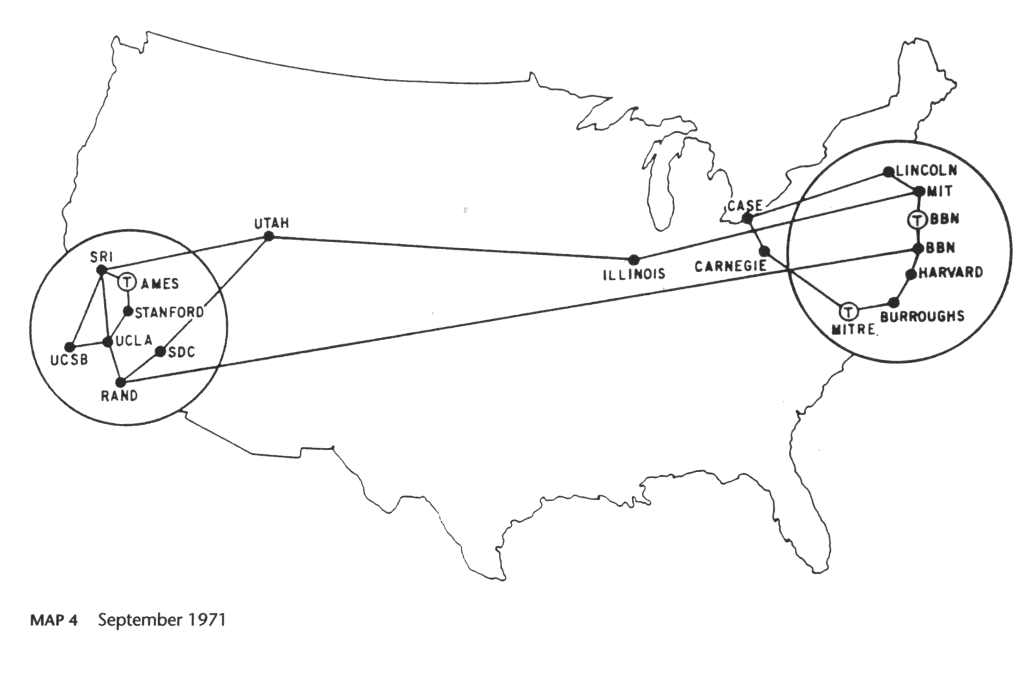
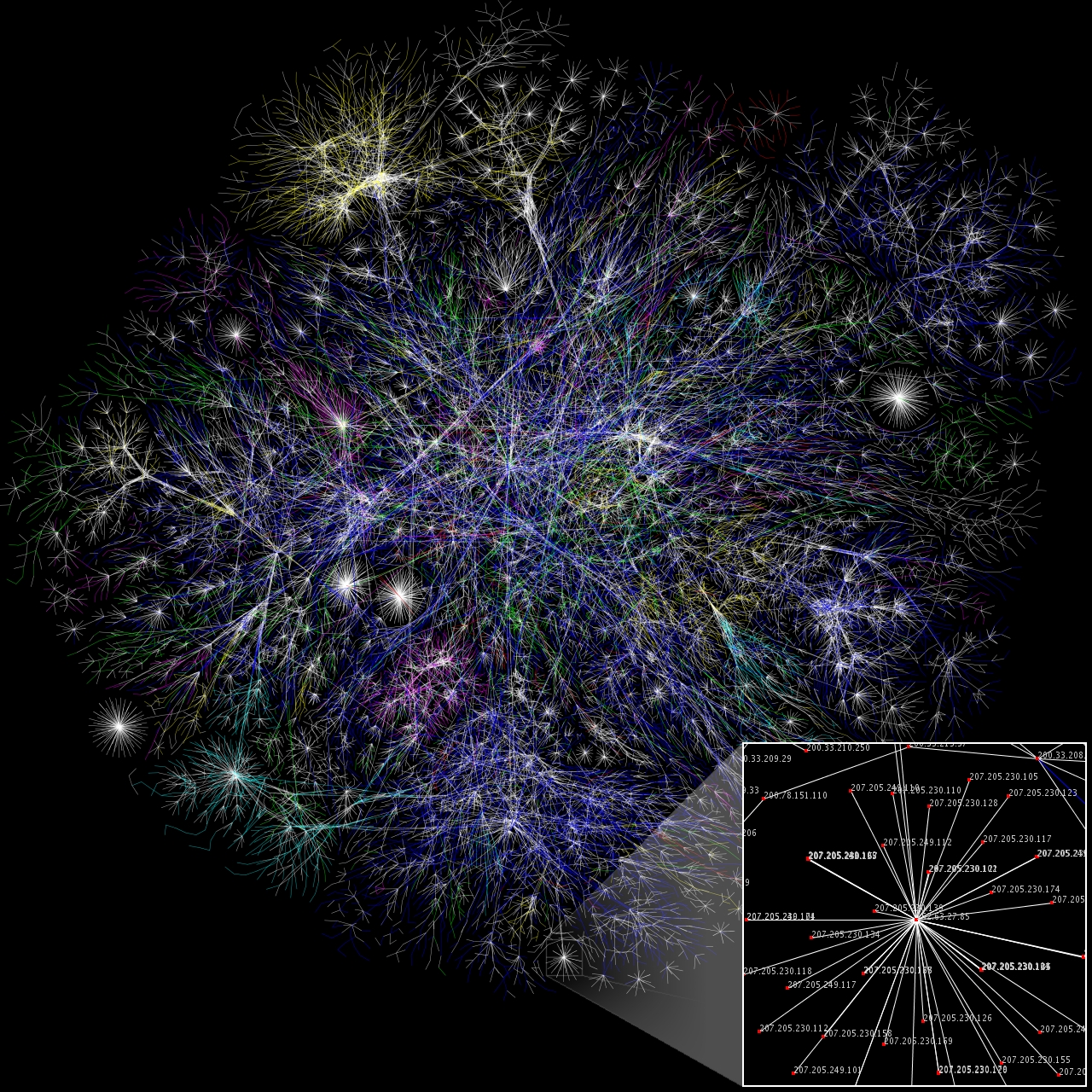
The most traditional measure of globalization is how far “out” political, economical and technological changes extend. Look at the ARPANET network infrastructure in 1971 and a map of the Internet as it is today.

With every step Columbus took away from the Old World, he was one step closer to the New World. If you look at the growth of the Internet through that lens, you see that every additional node and connection added to the Internet brings connectivity closer to end-users who haven’t had it before. Those users gain access to the rest of the Internet, and the rest of the Internet gains access to the information and innovation those users will provide.

Globalization in Hosting

As technology and high speed connectivity become more available to users around the world, the hosting industry has new markets to reach and serve. As Lance explained in a keynote session, “50% of the people in the world are not on the Internet today. They will be on the Internet in the next 5-10 years.”

Understanding this global shift, SoftLayer can choose from a few different courses of action. Today, more 40% of our customers reside outside the United States of America, and we reach those customers via more than 2,000 Gbps of network connectivity from transit and peering relationships with other networks around the world, and we’ve been successful. If the Internet is flattening the world, a USA-centric infrastructure may be limiting, though.

Before we go any further, let’s take a step back and look at a map of the United States with a few important overlays:

US Latency

The three orange circles show the rough equivalents of the areas around our data centers in Seattle, Dallas and Washington, D.C., that have less than 40 milliseconds of latency directly to that facility. The blue circle on the left shows the same 40ms ring around our new San Jose facility (in blue to help avoid a little confusion). If a customer can access their host’s data center directly with less than 40ms of latency, that customer will be pretty happy with their experience.

When you consider that each of the stars on the map represents a point of presence (PoP) on the SoftLayer private network, you can draw similar circles around those locations to represent the area within 40ms of the first on-ramp to our private network. While Winnipeg, Manitoba, isn’t in one of our data center’s 40ms rings, a user there would be covered by the Chicago PoP’s coverage, and once the user is on the SoftLayer network, he or she has a direct, dedicated path to all of our data centers, and we’re able to provide a stellar network experience.

If in the next 5-10 years, the half of the world that isn’t on the Internet joins the Internet, we can’t rely solely on our peering and transit providers to get those users to the SoftLayer network, so we will need to bring the SoftLayer network closer to them:

Global Network

This map gives you an idea of what the first steps of SoftLayer’s international expansion will look like. As you’ve probably heard, we will have a data center location in Singapore and in Amsterdam by the end of the year, and those locations will be instrumental in helping us build our global network.

Each of the points of presence we add in Asia and Europe effectively wrap our 40ms ring around millions of users that may have previously relied on several hops on several providers to get to the SoftLayer network, and as a result, we’re able to power a faster and more consistent network experience for those users. As SoftLayer grows, our goal is to maintain the quality of service our customers expect while we extend the availability of that service quality to users around the globe.

If you’re not within 40ms of our network yet, don’t worry … We’re globalizing, and we’ll be in your neighborhood soon.

-@gkdog

Technology Partner Spotlight: ClickTale

Welcome to the next installment in our blog series highlighting the companies in SoftLayer’s new Technology Partners Marketplace. These Partners have built their businesses on the SoftLayer Platform, and we’re excited for them to tell their stories. New Partners will be added to the Marketplace each month, so stay tuned for many more come.
- Paul Ford, SoftLayer VP of Community Development


Scroll down to read the guest blog from Shmuli Goldberg of ClickTale, an industry leader in customer experience analytics, providing businesses with revolutionary insights into their customers’ online behavior. To learn more about ClickTale, visit http://www.clicktale.com/.

Understanding the User Experience with In-Page Analytics

Since ClickTale’s start back in 2006, we understood that engaging visitors on a website is the first step to increase conversions. Although traditional web analytics are great for delivering general statistics such as number of visitors or pages per visit, they leave a big black hole when it comes to understanding what happens inside the pages themselves.

ClickTale’s In-Page Analytics feature set enables you to identify, observe, aggregate and analyze visitors’ actual interaction inside your site, so you know exactly what page elements work, what to optimize and how to increase visitor engagement.

Our wide range of web optimization tools include Mouse Tracking, Heatmap Suite and Conversion Analytics solutions, but was our Visitor Recordings feature that started it all. Giving you a front row seat to your visitors’ browsing sessions and delivering a thorough, in-depth view into what your visitors are focusing on and interacting with inside the pages themselves. All you need to do is grab the popcorn.

Our Heat maps are aggregated reports that visually display what parts of a webpage are looked at, clicked on, focused on and interacted with by your online visitors. See exactly what images, text and call to action buttons your visitors’ think are hot and what’s not!

Both these features allow you to instantly see how to go about optimizing your website instantly so you don’t have to guess.

As a fully hosted subscription service, ClickTale is quick and easy to set up. We believe our wide range of heatmaps, behavioral analytics and full video playback make ClickTale the perfect way to round out your traditional web analytics suite. For more information, please visit http://www.clicktale.com.

- Shmuli Goldberg, ClickTale

San Francisco Circumcision Ban Struck from Ballot – International Business Times


Ha'aretz
San Francisco Circumcision Ban Struck from Ballot
International Business Times
A judge blocked a controversial ballot measure on Thursday that would have banned the circumcisions of minors in San Francisco, citing religious freedom and laws regulating medical procedures in deciding it had "no legitimate purpose. ...
Ruling protects religious freedomOneNewsNow
Circumcision Ban? Not so FastArutz Sheva
San Francisco circumcision ban struck from ballotBBC News
Reuters -Examiner.com -Jewish Chronicle
all 499 news articles »

Freedom House Concerned about Implications of Foreign Affairs Legislation

Freedom House is concerned that HR 2583, the Foreign Relations Authorization Act of FY 2012 passed by the House Committee on Foreign Affairs yesterday, could have damaging and far-reaching effects on the way U.S. foreign assistance is administered. The legislation authorizes spending for the State Department, USAID, and international institutions for Fiscal Year (FY) 2012.

Freedom House Slams Return of Prominent Vietnamese Activist to Prison

Freedom House condemns the Vietnamese government's decision to return dissident and Catholic priest, Father Thadeus Nguyen Van Ly to prison, and calls for his immediate and unconditional release. The July 25 arrest and conviction of Father Thadeus Nguyen Van Ly is a clear indication that freedom of religion and expression remain under constant threat in Vietnam.