UTSW Researcher Develop Device the Keeps Brain Alive … – dallasinnovates.com

What once would have been thought of as science fiction has become science fact.

Researchers at UT Southwestern Medical Center in Dallas have developed a device that can isolate blood flow to the brain, keeping it alive and functioning independent from the rest of the body for several hours. The research could lead to advances in understanding how the brain controls functions in the body.

This novel method enables research that focuses on the brain independent of the body, allowing us to answer physiological questions in a way that has never been done, Juan Pascual, M.D., Ph.D., professor of neurology, pediatrics, and physiology, and in the Eugene McDermott Center for Human Growth and Development at UT Southwestern, said in a statement.

Pascual is a member of the Peter ODonnell Jr. Brain Institute at UTSW and holds the Ed and Sue Rose Distinguished Professorship in Neurology and The Once Upon a Time Foundation Professorship in Pediatric Neurologic Diseases.

UTSW said the device was tested using a pig brain model and was described in Scientific Reports.

It could lead to new ways to study the human brain without influence from other bodily functions, UTSW said. Also, it could inform the design of machines for cardiopulmonary bypass that better replicate natural blood flow to the brain.

UTSW said these findings build on earlier research by Pascual and his colleagues.

The brain is master control for a variety of processes, such as regulating heart rate, breathing, and sleep and wake cycles, among other processes. Its function is affected by factors that originate in the body, such as blood sugar, blood pressure, and oxygenation.

Until now, Pascual said there has been no way to separate the brain from the body to study these influences.

UTSW said that in an animal model using anesthesia, researchers redirected the brains blood supply through a pump that maintained or adjusted a range of variables, including blood pressure, volume, temperature, oxygenation, and nutrients.

They discovered that brain activity and other measurements had minimal to no changes over a five-hour period, UTSW said.

Isolating the brain, researchers are able to manipulate inputs to this organ to study how they change brain function without the bodys influence.

Pascual said, for example, the team already has used this system to better understand the effects of hypoglycemia (low blood sugar) in the absence of other factors. Although scientists can induce hypoglycemia by restricting food intake in lab animals or dosing them with insulin, the body can partially compensate for either of these scenarios by altering metabolism, in turn, altering the brain.

UTSW said that in contrast, the new device permits researchers to alter the glucose content directly in blood pumped to the brain.

Cardiopulmonary bypass devices replicate some functions of the heart and lungs, delivering a continuous flow of oxygenated blood throughout the body.

The new device delivers blood using a pulsative flow, much like the human heart, a difference that may prevent brain-related side effects sometimes caused by cardiopulmonary bypass machines, UTSW said.

Pascual said this device has been patented to test its effectiveness for this indication.

Other UTSW researchers who contributed to this study include co-first authors Muhammed Shariff, visiting junior researcher in neurology, and Aksharkumar Dobariya, M.S., graduate student researcher in biomedical engineering; Bret Evers, M.D., Ph.D., assistant professor of pathology and ophthalmology; Ulrike Hoffmann, M.D., Ph.D., assistant professor of anesthesiology and pain management and neurological surgery; Vikram Jakkamsetti, Ph.D., instructor of neurology; Michael Jessen, M.D., professor and chair of cardiovascular and thoracic surgery; Bruce Mickey, M.D., professor emeritus of neurological surgery; Matthias Peltz, M.D., professor of cardiovascular and thoracic surgery and surgical director of cardiac transplant; Cameron Longfellow, perfusionist; Debra Douglass, chief perfusionist; Levi Good, Ph.D., visiting senior researcher in neurology; Gauri Kathote, data scientist in neurology; Gus Angulo, research technician in neurology; Qian Ma, M.D., Ph.D., senior research scientist in neurology; Ronnie Brown, senior research associate in neurological surgery; Misha Dunbar, DVM, senior staff veterinarian; John Shelton, lab manager; and Sourav Patnaik, senior biomedical engineering specialist.

One of the nations top academic medical centers, UT Southwestern integrates pioneering biomedical research with exceptional clinical care and education.

Its faculty members have received six Nobel Prizes and include 26 members of the National Academy of Sciences, 20 members of the National Academy of Medicine, and 14 Howard Hughes Medical Institute Investigators.

The full-time faculty of more than 3,100 is responsible for groundbreaking medical advances and is committed to translating science-driven research quickly to new clinical treatments, UTSW said. Its physicians provide care in more than 80 specialties to more than 120,000 hospitalized patients, more than 360,000 emergency room cases, and oversee nearly 5 million outpatient visits a year.

Sign up to keep your eye on whats new and next in Dallas-Fort Worth, every day.

Lyda Hill Philanthropies and TAMEST, the Texas Academy of Medicine, Engineering, Science, and Technology, have launched the Hill Prizes. The new program will provide $2.5 million in funding to support the research of Texas scientists.

The "blood-brain barrier" acts like a highly selective firewall, preventing an estimated 98% of drugs from entering the brainmaking it a major hurdle in the development of brain and central nervous system drugs. Lantern Pharma has recently developed what it calls "highly accurate AI algorithms" to predict the ability of a drug or compound to pass through the barrier.

Oak Lawn Place will provide "high-quality affordable rental housing" for residents 55 and over, with "a further goal of creating a supportive environment for members of the LGBTQ community and individuals affected by HIV in Dallas," Resource Center has said.

Saturday's event is one of many marking this year's 150th anniversary of Dallas' historic Deep Ellum neighborhood. Saturday's event will begin just down the street from the center beneath an overpass, where attendees will experience the Centers outdoor installation, Invisible Deep Ellum, followed by a live music performance at the new center by the Light Crust Doughboys.

The Fort Worth Local Development Corp. approved $500,000 over two years to create the Fort Worth Entrepreneurship Center. The center will be operated by The DEC Network in the city's Near Southside neighborhood, according to the Fort Worth Report.

Read more from the original source:
UTSW Researcher Develop Device the Keeps Brain Alive ... - dallasinnovates.com

Food Insecurity in Seniors Linked to Increased Risk for Dementia – HealthDay

TUESDAY, Nov. 21, 2023 (HealthDay News) -- For older adults, food insecurity is associated with an increased risk for dementia and with poorer memory function and faster memory decline, according to a study published online Nov. 21 in JAMA Network Open.

Haobing Qian, Ph.D., from the University of California in San Francisco, and colleagues examined whether food insecurity in older adults is associated with later-life cognitive outcomes in a cohort study of U.S. residents aged 50 years and older with food insecurity data in 2013 and cognitive outcome data between 2014 and 2018. Outcomes were dementia probability and memory score estimated biennially between 2014 and 2018.

The sample included 7,012 participants with a mean age of 67.7 years. The researchers found that experiencing low food security and very low food security was associated with higher odds of dementia compared with that seen in food-secure older adults (odds ratios, 1.38 and 1.37, respectively). Lower memory levels and faster age-related memory decline were seen in association with low and very low food security.

"Our study contributes to a limited literature by capitalizing on a large and diverse sample, validated exposure and outcome measures, and longitudinal data to robustly evaluate these associations, providing evidence in support of the connection between food insecurity in older adulthood and subsequent brain health," the authors write. "Our findings highlight the need to improve food security in older adults and that doing so may protect individuals from cognitive decline and dementia."

One author disclosed ties to Cogstate.

Abstract/Full Text

See original here:
Food Insecurity in Seniors Linked to Increased Risk for Dementia - HealthDay

Study may improve palliative care for Parkinson’s, related dementia – Parkinson’s News Today

A five-year project funded by a $3.9 million National Institutes of Health (NIH) research grant will study how team-based palliative care might lead to better health services and ease disparities in Parkinsons disease and disease-related dementia care.

Palliative care focuses on improving the quality of life for individuals with serious illnesses, aiming to address the physical, emotional, and social needs of patients and their families.

But in practice, it can be excessive with inappropriate treatments, of low value, and unequal in the care given patients by their socioeconomic or ethnic status, a project co-investigator noted.

The grant was awarded to UTHealth Houston, the University of Pennsylvania, and other institutions, and includes a $1.9 million subcontract given to Adriana Prez, PhD, a professor in the department of biostatistics and data science with UTHealths School of Public Health in Austin, Texas.

Prez, a project co-investigator and biostatistician, will determine the scope and drivers of unequal and limited value for Parkinsons patients.

The strength of our proposed research is the focus on health equity with the use of Medicare claims which would provide new knowledge that could be used to reduce disparities and improve end-of-life care for vulnerable sub-groups, she said in a university press release.

Parkinsons is caused by the progressive loss of nerve cells in the brain responsible for making dopamine, a chemical these cells use to communicate with one another. Their loss leads to the hallmark motor symptoms of the disease.

But Parkinsons patients also experience nonmotor disease symptoms that include dementia, mood disorders such as depression and anxiety, sleep disturbances, and problems in the autonomic nervous system responsible for involuntary processes like digestion and blood pressure. These also can significantly impact a persons overall well-being and quality of life.

Dementia is reported to develop in about one-third of Parkinsons patients, and like the difficulties with movement and balance that patients experience, it is due to the accumulation in the brain of toxic clumps of the alpha-synuclein protein, called Lewy bodies.

While dementia and other nonmotor symptoms can be given less attention and insufficient treatment, they are the leading causes of hospitalization and institutionalization among patients with these diseases in the U.S., UTHealth noted in the release.

According to Prez, current care models provide many people living with Parkinsons disease or related dementia with excessive services of little value, and are unequal across palliative domains.

Previous research also indicates that women and patients of Hispanic, Asian, or African American ethnicity along with factors guiding healthcare systems and policies are not given needed information and resources.

End-of-life care for people with Parkinsons and related dementia is often substandard and fraught with disparities, Prez said.

To address this, the scientists are conducting a large-scale trial of team-based, neurology-led palliative care in 33 of the 65 academic Movement Disorders Centers across the U.S., a model previously found to be effective at a few of them. The study will compare Medicare data at the involved centers with data collected at the 32 centers not part of this trial.

This model is based on increasing advance care planning, and decreasing acute care for non-motor symptoms, low-value end-of-life care, prescribing of potentially inappropriate medications, and sociodemographic disparities, Prez said.

The grants principal investigator is Allison Wills, MD, an associate professor in the department of neurology at the University of Pennsylvania. Other co-investigators include Benzi Kluger, MD, a professor of neurology at the University of Rochester Medical Center; and Jean Kutner, MD, a professor of internal medicine at the University of Colorados Anschutz Medical Campus.

Read the original here:
Study may improve palliative care for Parkinson's, related dementia - Parkinson's News Today

6 Tips to Protect Brain Health – Health Matters

4. Exercise

Exercise is usually associated with physical health, but whats good for your heart, like cardiovascular or aerobic exercise, is also good for your brain, says Dr. Pahlajani.

Anything that raises your heart rate for at least 30 minutes, four to five times a week, is great for your brain, she says. Not only does exercise increase blood flow and oxygen to the brain, but it also releases various brain-protective chemicals.

If someone doesnt have the time to get to a gym, she says things like taking the stairs instead of the elevator or parking further away from your destination to force yourself to walk are good ways to get your heartrate up. Diet and exercise will also help manage vascular health, such as blood pressure, cholesterol, and diabetes, all of which are big risk factors that can exacerbate cognitive decline and the onset of Alzheimers if they go unchecked or uncontrolled.

Most people have experienced how hard it is to focus or keep your attention if you dont get enough sleep. This is because sleep is the garbage truck for your brain, explains Dr. Pahlajani.

Sleep is when the body gets rid of toxins and replenishes itself, and its also a time when memory is consolidated, she says, adding that adequate sleep means getting seven to eight hours of uninterrupted sleep. When we dont get proper sleep, this can lead to memory, focus, and attention issues.

A lack of quality sleep may result in things like a person not being able to find their words, or it may feel like their memory is all over the place, leading to your brain feeling foggy the next day. This is why its a good idea to turn off electronics at least an hour before going to bed, and to see a doctor if you think you have a disorder like sleep apnea, where breathing is repeatedly interrupted during sleep, preventing you from getting deep, quality sleep.

There are many things besides Alzheimers that can cause the symptoms of memory loss, she says. This is why we test people for sleep apnea or other sleep disorders if theyve been diagnosed with Alzheimers, to fully understand the underlying cause of a persons memory problems.

Challenging your brain with puzzles or new skills is not the only way to strengthen or create neural connections, says Dr. Pahlajani. Socializing and interacting with people can cultivate neuroplasticity, which is the brains ability to change and adapt in response to life experiences.

This became even more evident during the pandemic, when Dr. Pahlajani saw a significant decline in cognition for patients who had early stages of memory loss when they didnt have social stimulation.

There is nothing that can match the new connections our brain makes when we are actually interacting with other humans, says Dr. Pahlajani. This means non-screen kinds of things. If you are going to take a class, for instance, take it in person, not online. Social engagement helps stimulate our brains to make new connections and stay healthy.

Original post:
6 Tips to Protect Brain Health - Health Matters

Mild Cognitive Impairment Underdiagnosed: Study Reveals … – HealthDay

TUESDAY, Nov. 21, 2023 (HealthDay News) -- Mild cognitive impairment is underdiagnosed, with only 0.1 percent of clinicians and practices with diagnosis rates within the expected range, according to a study published online Oct. 24 in the Journal of Prevention of Alzheimer's Disease.

Ying Liu, Ph.D., from the University of Southern California in Los Angeles, and colleagues examined detection rates for mild cognitive impairment among primary care clinicians and practices in the United States using Medicare claims and encounter data in an observational study. The study sample included 226,756 primary care clinicians and 54,597 practices with at least 25 patients aged 65 years or older enrolled in Medicare fee-for-service or a Medicare Advantage plan. The detection rate for mild cognitive impairment was assessed as the ratio between the observed diagnosis rate of a clinician or practice based on documentation and the expected rate based on a predictive model.

The researchers found that the average detection rates were 0.08 for mild cognitive impairment for clinicians and practices, indicating that on average, about 8 percent of expected cases were diagnosed. Diagnosis rates within the expected range were seen for only 0.1 percent of clinicians and practices.

"There's really just a tiny fraction of physicians in a position to diagnose mild cognitive impairment who would find these cases early enough for maximum therapeutic potential," lead author Soeren Mattke, M.D., also from the University of Southern California, said in a statement.

One author disclosed ties to biopharmaceutical companies, including Genentech, a member of the Roche Group, which partially funded the study.

Abstract/Full Text

See more here:
Mild Cognitive Impairment Underdiagnosed: Study Reveals ... - HealthDay

Brainomix Targets US Expansion with the Launch of its Cutting … – PR Newswire

OXFORD, England, and CHICAGO, Nov. 22, 2023 /PRNewswire/ -- Brainomix, the AI-powered medtech solutions company, has heralded its continued US expansion with the launch of its full suite of FDA-cleared modules in its Brainomix 360 platform for stroke care.

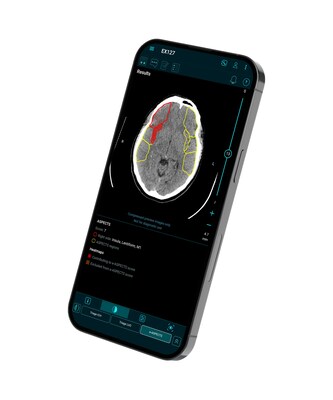
The US launch, which included its previously announced FDA cleared e-ASPECTS module, represents a comprehensive platform designed to support clinicians and their imaging-based treatment decisions at all points across the stroke pathway, from simple imaging to more advanced imaging.

Long established as a market leader in Europe and a pioneer in the development of innovative stroke AI solutions, the company will continue to introduce its transformative technology to more US stroke centers.

The Brainomix 360 platform is powered by state-of-the-art AI algorithms that provide real-time interpretation of brain scans to aid treatment and transfer decisions for stroke patients, with an aim towards enabling more patients to receive the right treatment, in the right place, at the right time.

The launch included Brainomix exhibiting at the Society of Vascular and Interventional Neurology (SVIN) Conference in Miami, with Dr Waleed Brinjikji, Professor of Radiology and Neurosurgery at the Mayo Clinic in Rochester, Minnesota, providing a keynote presentation on his experience with the Brainomix 360 platform.

"We have been collaborating with the Brainomix team around numerous research projects over the past couple of years, including a recent study that validated the performance of their e-ASPECTS module," noted Dr Brinjikji. "The results showed that the accuracy of ASPECTS scoring by physicians improved across disciplines and levels of experience, which makes the e-ASPECTS module a powerful tool for clinicians across the US who are managing stroke patients."

"We are delighted to have the opportunity to introduce our Brainomix 360 platform to more and more US stroke networks, and to showcase the extensive validation of our technology, a good portion of which was conducted in the US at such institutions as the Mayo Clinic, Emory University, Mount Sinai in New York, and UCLA" said Dr Michalis Papadakis, co-founder and CEO of Brainomix.

The recent FDA clearances included Brainomix 360 e-CTP and Brainomix 360 e-MRI, both software modules that can support thrombolysis and thrombectomy treatment decisions, particularly for late-window patients who present to hospital more than 6-12 hours after stroke onset.

Brainomix 360 Triage LVO and Brainomix 360 Triage ICH are two new notification tools, which send real-time alerts to clinicians when a bleed or large vessel occlusion (LVO) is suspected. The presence of LVO can be a key determinant when deciding a patient's eligibility for mechanical thrombectomy.

Brainomix has established commercial operations in the US and will continue to expand as it rolls out its products across US hospital networks. The company announcedthe FDA clearance of its e-ASPECTS module in March 2023, its flagship software that is powered by patented, explainable AI to assess non-contrast CT scans to automatically generate an ASPECTS score and features a unique overlaid heatmap that enables a more nuanced assessment of each region.

Dr Michalis Papadakis, added, "As a spin-out from the University of Oxford, we have a longstanding heritage of scientific and academic excellence, which has allowed us to achieve broad success in the UK and across Europe, including national-level deployments of Brainomix 360 across Hungary and Wales, as well as wide-ranging roll-outs in England, Poland, Sweden, Italy and Spain."

With deployments across more than 30 countries, Brainomix's AI stroke software has been studied and validated in more than 60 publications, including a set of recent studies showing that the implementation of Brainomix software enabled faster treatment by reducing door-in-door-out times by more than one hour, and improved patient outcomes by tripling the number of patients achieving functional independence after stroke,1 while also increasing the rates of both thrombolysis and thrombectomy by more than 50%.2

To learn more about the Brainomix 360 platform click here.

1Nagaratnam et al. Int J Stroke. 2021;16:28-29 2 Gunda B, et al. Cerebrovasc Dis Extra. 2022. https://www.ncbi.nlm.nih.gov/pubmed/35134802

About Brainomix

Brainomix specializes in the creation of AI-powered software solutions to enable precision medicine for better treatment decisions in stroke, lung fibrosis, and cancer. With origins as a spin-out from theUniversity of Oxford, Brainomix is an expanding commercial-stage company with operations in the UK, Ireland and the USA. A private company, backed by leading healthtech investors, Brainomix has innovated award-winning imaging biomarkers and software solutions that have been used in more than 30 countries worldwide. Its first product, the Brainomix 360 platform, provides clinicians with the most comprehensive stroke imaging solution, driving increased treatment rates and improving functional independence for patients.

To learn more about Brainomix and its technology visitwww.brainomix.com, and follow us onTwitter,LinkedInandFacebook.

Contacts

Jeff Wyrtzen, Chief Marketing & Business Development Officer [emailprotected] M +44 (0)7927 164210 T +44 (0)1865 582730

Media enquiries

Charles Consultants Sue Charles [emailprotected] M +44 (0)7968 726585

Photo - https://mma.prnewswire.com/media/2282855/Brainomix_360_smartphone.jpg Logo - https://mma.prnewswire.com/media/1989193/3856380/Brainomix_Logo.jpg

SOURCE Brainomix

See the rest here:
Brainomix Targets US Expansion with the Launch of its Cutting ... - PR Newswire

Meet the patient session: a strategy to teach medical students … – BMC Medical Education

The field of neurology education has experienced significant changes that parallels the advances in technology and a growing understanding of both, the science of learning and neurology [22]. Given that autonomic dysfunction, including AD, is associated with potentially life-threatening complications, it is important to include this topic early in medical education and equip students with the skills needed to recognize it [2,3,4]. Despite several reports describing the use of patients in undergraduate medical education, we did not find examples of sessions involving patients living with SCI. Moreover, none of the resources we find in the literature to teach about AD involve patients that have real-life experience with it [19,20,21]. We developed and implemented a MTP session in which patients living with SCI shared their experiences with second-year medical students to complement the learning occurring in the course. Our goal was to foster not only knowledge but the humanistic and emotional aspects of medicine.

The importance of neurology field exposure in medical education depends on students being able to develop the necessary patient-centered skills to communicate and form doctor-patient relationships with a wide range of patients [23]. In our MTP session, students had many opportunities to interact with the patients, which allowed them to reinforce concepts learned, including identifying the level of injury, spasticity, signs and triggers of AD, and loss of bowel and bladder control, while reminding them why what they are learning is important. Similar to experiential learning theories, the MTP session emphasizes learning through patient encounters early in the curriculum, whereby the experience broadens and deepen the concepts learned in class and the post-session quiz provided opportunities for reflection and further conceptualization [25]. Additionally, the session incorporated elements of social theories of learning, focusing on social interactions, the patients as persons, and the spinal cord injury community. Gain of knowledge was demonstrated by their performance in the post-session quiz and the final exam. Our results support prior reports of enhanced learning outcomes associated with the incorporation of patient panels [24, 26]. It is possible that by recalling patients stories, students were able to make the appropriate connections and apply their knowledge to new patient scenarios in the assessments. By correctly identifying life-threatening situations on examinations, students could later apply these same concepts to real-life patients in the hospital setting. Noteworthy, student engagement and acquisition of knowledge may have been influenced by the incorporation of a graded quiz at the end of the session [25]. Although the performance of students on the final exam in a question regarding the identification of AD was above the national average, one question is not enough to make a strong conclusion.

In agreement with prior reports, we found that interacting with patients was associated with high learners satisfaction [24]. Most students considered that the session helped them understand SCI sequelae and its impact on patients. The highest level of satisfaction was regarding how well the MTP session helped students recognize AD and its triggers. This was not surprising to us since this was the core topic of the session, with more class time dedicated to it. In contrast, although spasticity was discussed and shown in class, there might have been difficult for all students to appreciate the demonstration in the large classroom, which may explain the lower satisfaction compared to AD. It is possible that this type of demonstration may be more meaningful if done within small groups. Given that the level of student satisfaction correlated with focus of the session, the time spent on each topic and questions prepared can be adjusted based on the specific learning objectives and goals of the session.

To our surprise, the level of satisfaction with the session for the second academic year was lower than the first year of implementation, despite no changes in knowledge acquisition. The major difference between both sessions was the number of patients, time of the session and student attendance (less in all counts for the class with lower satisfaction). There are some students in the second year who did not attend the session and yet filled out the satisfaction survey. Although our study design did not account for the reasons for these differences, one possibility is that some students not attending the session felt that they needed to answer the satisfaction questions since they were at the end of the graded quiz; answering the satisfaction questions without attending the session may have altered the data. On the other hand, there might be other differences between the sessions that may have accounted for the different levels of satisfaction. For example, there were discussions that happened in the first, but not the second year, including topics related to nutrition and foods that made bowel problems worse, sex life and orgasm as a trigger for AD, and the use of endocannabinoids for pain after SCI. These discussions incited a lot of interest in students and prompted them to participate more; this may have provided a greater holistic understanding of patients living with SCI and the impact of the disability on everyday life. In addition, one of the patients in the first session is a vocal advocate for people living with SCI and had ample public speaking experience, which may have been more impactful for the students.

Establishing a partnership between patients, faculty and students is essential to enhance the learning experiences of all participants [24, 27,28,29]. For our MTP session, we made a conscious effort to assure that our patients had a meaningful and rewarding encounter with students. Like prior reports, the primary role of our patient was patient-teacher and we purposely attempted to establish a partnership with patients where they felt involved and empowered [29] During the session planning, the patients were extensively briefed on the goals and audience, and they were empowered to suggest questions and topics for discussion. During the session, most patients felt comfortable using their experiences to participate in the teaching of basic elements of their condition, for example, about neurogenic bladder, catheterization, mechanism of action of the drug, etc. Emphasis was made on the proper communication language when interacting with people with disabilities. For example, patients gave student resources and tips during the session (e.g., avoid wheelchair bound, disabled person, handicapped, etc.).

Based on our experience, we recommend that all patients should be trained before the session and have at least one rehearsal session. Although advocates with public speaking experience might be preferred in some settings, other patients can be selected as long as they are invested in the learning process. Patients should not only be comfortable with the session format and content beforehand, but they should also be empowered to suggest and make changes that they believe are important to communicate with students. Furthermore, the session should incorporate opportunities that broaden students understanding of the condition beyond the concepts learned in class, such as the impact of the condition on everyday life. We believe it is important to provide opportunities for ample interactions between students and patients that help create positive connections and increase students comfort level when talking to people with disability. These observations are in agreement with prior reports in the literature [24]. Even though our session focused primarily on AD, the same principles can be applied to other conditions/diseases.

Our results have several limitations. We evaluated only short-term knowledge acquisition, we used a small number of questions, and there was no control group to evaluate the effectiveness of the MTP compared to other learning strategies. Although comparing pedagogies was not our objective, we cannot rule out that other methods might be as effective in helping students acquire the knowledge. Nonetheless, the MTP was originally designed to complement rather than substitute and may have benefits beyond imparting knowledge. This type of patient encounter may result in enhanced long-term retention, and/or changes in behavior or practice that can be transferred to patient care. This is an important question that merits more research, involving longer time points, adequate controls, and possibly more MTP sessions.

Read more here:
Meet the patient session: a strategy to teach medical students ... - BMC Medical Education

How to Accurately Measure Blood Pressure, According to Dr. Peter … – Men’s Health

Peter Attia, M.D., is a longevity expert and creator of

BLOOD-PRESSURE MANAGEMENT isnt a sexy topic like anti-aging drugs or DNA-based diets, but it has enormous implications for health and life span. And because lifestyle factors have such a profound impact, everyone has the power to take steps toward controlling and improving their BP. Its bread-and-butter primary-care medicinebut a critical part of the longevity playbook.

High blood pressure is a silent killer. There are no symptoms, yet over time the effects of high blood pressure can compound, elevating risk for heart attacks and other serious health concerns, including stroke and dementia. For this reason, managing blood pressure relatively early in life is critical, but many people arent even aware of their BP status. Though nearly half of all adults in the United States have hypertensiondefined as a blood pressure with a systolic reading at or above 130 mm Hg and a diastolic reading at or above 80 mm Hg (see below)only about one in four among this group have their condition under control.

While standard medical wisdom once advised treating to a target of <140/<90, the landmark SPRINT study found that bringing BP down to <120/<80 resulted in huge reductions in the risk of heart attack, stroke, and death from all causes. So when it comes to keeping BP in check, an aggressive approach provides the most benefitsbut where do we begin?

Blood Pressure Categories

NORMAL: < 120 mm Hg (Systolic); < 80 mm Hg (Diastolic)

ELEVATED: 120129 mm Hg (Systolic); < 80 mm Hg (Diastolic)

STAGE 1 HYPERTENSION: 130139 mm Hg (Systolic); 140 mm Hg (Diastolic)

STAGE 2 HYPERTENSION: 8089 mm Hg (Systolic); 90 mm Hg

To manage your BP, you first need to know where youre starting. While a one-time measurement might provide a rough estimate, blood pressure is subject to acute fluctuations based on hydration, stress level, posture, caffeine intake, sleep deprivation, and other variables, so a more accurate picture requires multiple measurements over a span of days. I advise patients to use a home device to check BP twice a day, at the same time each morning and evening, for at least two weeks. The average of those readings will provide a much more accurate reference value than any one-time check. From there, you can monitor changes with weekly or even monthly checks, each time taking one measurement in the morning and one in the evening. The goal in checking frequently is to recognize increases as quickly as possible to facilitate faster intervention.

The gold standard for measuring BP is with a cuff and stethoscope, but this manual method can be intimidating to learn. In my experience, automated cuffs can overestimate BP because they work on an algorithm that estimates systolic and diastolic blood pressure from a measured mean arterial pressure (average BP, essentially), but they are generally good alternatives. Ive used both the Withings (withings.com; BPM Connect, $130) and Omron (amazon.com; M3 model, $80) brand cuffs.

Because so many variables affect BP, its important to follow the same protocol for every measurement:

Sit with your back supported for five minutes before measuring. (This can feel like a long time, since you should not be looking at your phone or speaking.)

Do not cross your legs.

Check that the cuff is against your skin and fits well.

Avoid talking during the check.

Note: Having a full bladder can bump up your BP by 10 to 15 mm Hg.

This story appears in the November 2023 issue of Men's Health.

Author

Peter Attia, MD, is the author of the New York Times Bestseller, Outlive: The Science and Art of Longevity and is host of the popular health and medicine podcast, The Drive. He received his medical degree from the Stanford University School of Medicine and trained at the Johns Hopkins Hospital in general surgery. Hes the founder of Early Medical, a medical practice that helps patients lengthen their lifespan and simultaneously improve their healthspan.

See original here:
How to Accurately Measure Blood Pressure, According to Dr. Peter ... - Men's Health

China-Thailand Medical Exchange Strengthens Bilateral Cooperation – Bangkok Post

A successful medical exchange event between China and Thailand has strengthened bilateral cooperation in the healthcare sector, with a focus on cutting-edge topics like regenerative medicine and anti-aging.

PUBLISHED : 23 Nov 2023 at 10:35

The China-Thailand Medical Exchange Meeting, jointly organised by Bloomage BioTechnology, Thailand's BCH Group, Lavida Medical Consultant Company, World Medical Hospital, and Thailand's Fanslink Company, was successfully conducted at World Medical Hospital in Thailand. This event signifies not only a significant occurrence in the medical sector but also a crucial milestone in medical cooperation and exchange between China and Thailand.

On the morning of November 22, 2023, over 70 deans and doctors from major Chinese cities received a warm welcome at World Medical Hospital in Bangkok, complete with traditional Thai ceremonies. They explored various departments of the hospital, with particular attention to anti-aging and reproduction units, and participated in a Sino-Thai medical exchange meeting at the same venue. The highlight of the event was a comprehensive showcase of Thailand's international medical expertise, highlighting the nation's leadership in these fields.

The primary focus of the exchange meeting was to enhance cooperation and exchange in the medical field between China and Thailand. At the beginning of the conference, Mr. Wissanu Krea-ngam, former Deputy Prime Minister of Thailand, delivered a video message emphasising the importance of medical cooperation between China and Thailand, sharing his experiences of multiple visits to China for cooperation. Furthermore, senior leaders from BCH Group, Lavida Medical, and World Medical Hospital also delivered speeches, further underlining the profound significance of medical exchanges between China and Thailand.

A special mention must be made of the outstanding speeches delivered by representatives of Lavida Medical, including Dr. Porntip, Dr. LIM WEI KHOON, and Ms. Jiang Bowen. They not only introduced the latest developments in Thai medical care to the Chinese delegation but also engaged in in-depth discussions on cutting-edge topics such as regenerative medicine and anti-aging. The Q&A session that followed was the climax of the meeting, during which both sides engaged in extensive discussions on cutting-edge anti-aging therapies and medications, medical instruments, international medical standards, and certifications, among other topics. The meeting atmosphere was warm, and the exchanges were fruitful.

The success of this exchange meeting has not only deepened the understanding and friendship between China and Thailand in the medical field but has also laid a solid foundation for future cooperation and development. After the meeting, Bloomage BioTechnology, Thailand BCH Group, and Lavida Medical exchanged gifts and took group photos, symbolising the promising future and strong friendship of China-Thailand medical cooperation. With the continued organisation of such exchange activities, we have reason to believe that cooperation between China and Thailand in the healthcare sector will flourish and benefit the people of both countries.

Read the original here:
China-Thailand Medical Exchange Strengthens Bilateral Cooperation - Bangkok Post

Medical Aesthetics Market Size Worth USD 43.2 Billion in 2032 … – GlobeNewswire

Vancouver, Nov. 22, 2023 (GLOBE NEWSWIRE) -- The global medical aesthetics market size was USD 15.3 Billion in 2022 and is expected to register rapid revenue CAGR of 11.0% during the forecast period. Key factors propelling this growth include the increasing awareness of aesthetic procedures, a surge in the adoption of minimally invasive devices, a rising demand for home-based aesthetic procedures, and continuous technological advancements in aesthetic devices.

Minimally invasive and non-surgical aesthetic treatments are gaining popularity, offering practical and risk-free alternatives to traditional surgery. Procedures such as Botox, dermal fillers, laser therapy, chemical peels, and microdermabrasion are on the rise due to their minimal downtime, making them optimal for quick recovery and the resumption of routine activities. The total number of non-surgical cosmetic operations increased by 44% in 2021 compared to surgical cosmetic procedures, with a substantial growth of 63% in the body procedures category. This trend is driven by accessibility, adaptability, and reduced scarring concerns associated with non-surgical treatments.

The rising demand for home-based cosmetic procedures is a significant driver, fueled by the increasing prevalence of dermatological diseases like acne, psoriasis, and skin cancer. However, poor reimbursement conditions pose a restraint to market growth, as cosmetic procedures, equipment, and devices are often not covered by insurance providers. Recent trends include the growth of medical aesthetics tourism, the destigmatization of aesthetic procedures, and the use of the internet to find the best providers.

Request Free Sample Copy (To Understand the Complete Structure of this Report [Summary + TOC]) @ https://www.emergenresearch.com/request-sample/2500

The facial aesthetic product segment led the market in 2022, driven by the increasing number of individuals seeking a youthful appearance and disposable financial resources. Notably, Allergan Aesthetics introduced the SkinMedica Even & Correct Collection, focusing on lightening treatments and dark-spot reduction creams. The cosmetic implant segment is expected to experience moderate growth due to clear regulatory requirements, the acceptance of bio-implants, and an increase in target diseases. Noteworthy approvals include Allergan's NATRELLE INSPIRA Soft Touch breast implants and Sientra Inc.'s gel breast implants.

The non-surgical procedures segment is anticipated to hold a significant revenue share, driven by the increasing popularity of lipolysis. Technological advancements, product introductions like Lumenis Ltd.'s NuEra Tight, and growing awareness among the elderly contribute to this segment's growth. Hospitals and clinics are expected to register fast revenue growth, driven by automated systems, early disease diagnosis, and the digitization of patient workflows. Beauty centers and medical spas, offering non-invasive skin rejuvenation procedures, are projected to account for the largest revenue share.

North America dominated the market in 2022, driven by experienced cosmetic surgeons, increased adoption of cosmetic operations, and advanced healthcare infrastructure. The Cleveland Clinic Organization estimates over 15 million cosmetic surgery treatments annually in the U.S.

The Asia Pacific region is poised for the fastest revenue growth, attributed to rising awareness of anti-aging surgeries, medical tourism, improved healthcare infrastructure, and affordable treatment costs. Government policies promoting cosmetic medicine standardization contribute to market growth.

Europe is expected to account for a substantial revenue share, driven by the demand for high-quality aesthetic procedures, established healthcare infrastructure, and an effective reimbursement system. The rising number of aesthetic operations is also a contributing factor. The global medical aesthetics market is experiencing significant growth driven by a shift towards minimally invasive treatments, increasing demand for home-based procedures, and ongoing technological advancements. Market players are responding with innovative products, contributing to the expansion of the industry.

Emergen Research is Offering Limited Time Discount (Grab a Copy at Discounted Price Now) @ https://www.emergenresearch.com/request-discount/2500

Medical Aesthetics Report Summary

Medical Aesthetics Top Companies and Competitive Landscape

The global medical aesthetic market is fairly fragmented with many large and medium-sized players accounting for majority of market revenue. Major players are deploying various strategies, entering into mergers & acquisitions, strategic agreements & contracts, developing, testing, and introducing more effective medical aesthetic solutions. Some major players included in the global medical aesthetic market report are:

Medical Aesthetics Latest Industry News

Direct Order Can Be Placed Through This Link [Exclusive Copy] @ https://www.emergenresearch.com/select-license/2500

Medical Aesthetics Market Segment Analysis

For the purpose of this report, Emergen Research has segmented global medical aesthetic market on the basis of product, procedure, end-use, and region:

Browse Full Report Description + Research Methodology + Table of Content + Infographics@ https://www.emergenresearch.com/industry-report/medical-aesthetics-market

Curated Reports You Shouldn't Miss: Dive In Now!

Patient Registry Software Market By Delivery, By Database, By Registry Type, By Function, By Software Type (Integrated, Standalone), By End-use (Government & Third-Party Administrators, Pharmaceutical Companies, Hospitals, Research Centers, Others), and By Region, Forecast to 2027

Operating Room Management Solutions Market, By Component (Software and Services), By Solution, By Delivery Mode (On-Premises and Cloud-based), By End-Use, and By Region Forecast to 2030

Medical Smart Textiles Market By Technology (Textile Sensors, Wearable Technology), By Application (Surgery, Bio-Monitoring, Therapy, and Wellness), By End-use (Hospitals and Clinics, Medical Academic and Research Center), and By Region Forecast to 2027

Topical Drug Delivery Market By Product Form (Semi-Solid, Solid Formulations, Transdermal Products, and Liquid Formulations), By Route (Dermal, Ophthalmic, Nasal, Others), By End-Use (Hospitals, Home Healthcare, Clinics, Diagnostic Centers, Burn Center), and By Region Forecast to 2027

Advanced Prosthetics and Exoskeletons Market By Product Type (Lower Limb, Upper Limb, Full Body), By Application (Hospitals, Clinics, Orthotic and Prosthetic Centers, Others), By Mobility (Stationary, Mobile), and By Region, Forecast to 2028

Robotics Surgical Simulation Systems Market By Product & Service Type (Conventional Surgery Simulation, Minimally Invasive Surgery Simulation, Others), By Type of Surgery (General Surgery, Endoscopic Surgery, Neurological Surgery, Gynecological Surgery, Cardiac Surgery), By End-use (Hospitals, Surgical Centers, Ambulatory Surgical Centers, Others), and By Region, Forecast to 2028

About Emergen Research

Emergen Research is a market research and consulting company that provides syndicated research reports, customized research reports, and consulting services. Our solutions purely focus on your purpose to locate, target, and analyze consumer behavior shifts across demographics, across industries, and help clients make smarter business decisions. We offer market intelligence studies ensuring relevant and fact-based research across multiple industries, including Healthcare, Touch Points, Chemicals, Types, and Energy.

Contact Us:

Eric Lee

Corporate Sales Specialist

Emergen Research | Web: https://www.emergenresearch.com/

Direct Line: +1 (604) 757-9756

E-mail: sales@emergenresearch.com

Explore Our Blogs and Insights Section: https://www.emergenresearch.com/insights

See the rest here:
Medical Aesthetics Market Size Worth USD 43.2 Billion in 2032 ... - GlobeNewswire

Parathyroid hormone stimulates bone regeneration in an atrophic … – Journal of Translational Medicine

Animals

A total number of 34 male and female CD-1 mice with a body weight of 3545g and an age of 1820 months were used. The age of 1820 months was chosen according to reports of others, demonstrating age-associated physiological alterations and tumor development after 1618 months in male and 18 months in female CD-1 mice [16]. The animals were bred at the Institute for Clinical and Experimental Surgery, Saarland University, Germany, and housed at a regular light and dark cycle with free access to tap water and standard pellet food (Altromin, Lage, Germany).

All experiments were performed according to the German legislation on the protection of animals and the National Institutes of Health (NIH) Guide for the Care and Use of Laboratory Animals (Institute of Laboratory Animal Resources, National Research Council, Washington DC, USA). The experiments were approved by the local governmental animal protection committee (permit number: 04/2019).

Mice were anesthetized by intraperitoneal (i.p.) injection of ketamine (75mg/kg body weight, Ursotamin, Serumwerke Bernburg, Bernburg, Germany) and xylazine (15mg/kg body weight, Rompun, Bayer, Leverkusen, Germany). The pin-clip model using a segmental defect served as control and was performed as described previously [15]. Under aseptic conditions, a ~4mm medial parapatellar incision was created at the right knee and the patella was dislocated laterally. After drilling a hole (diameter of 0.50mm) into the intracondylar notch, a distally flattened pressfit 24 Gauge needle (diameter of 0.55mm) was implanted intramedullary and the wound was closed. The pin was flattened at the distal end to avoid secondary dislocation. After insertion of the pin, the diaphysis of the femur was exposed by a lateral approach. Subsequently, a custom-made clip of 6mm length was implanted ventrodorsally into the femur and lateral of the already implanted pin. A gap size of 1.8mm was created by means of a spherical trephine under permanent saline solution cooling. Moreover, the periosteum was stripped 2mm proximally and distally of the gap along the longitudinal axis of the femoral bone. The implant position was confirmed by radiography (MX-20, Faxitron X-ray Corporation, Wheelin, IL, USA). All procedures were done under an operating microscope, guaranteeing a high level of precision. For analgesia the mice received tramadol-hydrochloride (Grnenthal, Aachen, Germany) in the drinking water (1mg/mL) 1 day prior to surgery until 3 days after surgery.

Seventeen mice were daily treated with 200mg/kg body weight PTH 134 (Bachem AG, Budendorf, Switzerland) dissolved in 100 L saline, subcutaneously (PTH group). Control animals (n=17) received an equal amount of saline (control group), subcutaneously. The used PTH dosage corresponds to other experimental studies investigating the effects of PTH on fracture healing in mice [13]. At 2 weeks [n=5 each group (3 male; 2 female)] and 10 weeks [n=9 each group (5 male; 4 female)] the animals were euthanized by an overdose of anesthetics and the femora were excised for further CT and histological analyses. Additional animals were euthanized accordingly at 2 weeks [n=3 each group (2 male; 1 female)] and tissue was harvested for Western blot analyses.

At 2 and 10 weeks after surgery the animals were anesthetized and lateral radiographs of the osteotomized femora were performed. Bone healing was analyzed according to the Goldberg score with stage 0 indicating radiological non-union, stage 1 indicating possible union and stage 2 indicating radiological union [17].

The specimens were scanned (Skyscan 1176, Bruker, Billerica, MA) at a spatial resolution of 9m with a standardized setup (tube voltage: 50kV; current: 200 A; intervals: 0.4; exposure time: 3500 ms; filter: 0.5mm aluminum). Images were stored in three-dimensional arrays. To express gray values as mineral content (bone mineral density; BMD), calcium hydroxyapatite (CaHA) phantom rods with known BMD values (0.250 and 0.750g CaHA/cm3) were employed for calibration. The region of interest (ROI) defining the novel bone was contoured manually excluding any original cortical bone. The thresholding allowed the differentiation between poorly and highly mineralized bone. The threshold to distinguish between poorly and highly mineralized bone was based upon visual inspection of the images, qualitative comparison with histological sections and other studies investigating bone repair and callus tissue by CT [18, 19]. A BMD with more than 0.642g/cm3, resulting in gray values of 98255, was defined as highly mineralized bone. Poorly mineralized bone was assumed to have a BMD value between 0.410g/cm3 and 0.642g/cm3, resulting in gray values of 6897.

The following parameters were calculated from the callus region of interest for each specimen: poorly mineralized bone volume (PM), highly mineralized bone volume (HM), bone volume fraction of tissue volume (BV/TV), bone surface (BS) density (BS/TV), trabecular thickness, trabecular separation and trabecular number.

After removal of the soft tissue and the implants, the bending stiffness of the isolated femora was measured by a 3-point-bending device using a non-destructive approach. This allowed the subsequent use of the specimens for CT as well as histological and immunohistochemical analyses and, thus, a reduction of the number of laboratory animals. Due to the different stages of healing, the loads, which had to be applied, markedly varied between individual animals. Loading was stopped individually in every case when the actual load-displacement curve deviated more than 1% from linearity. Bending stiffness (N/mm) was calculated from the linear elastic part of the load-displacement diagram [20].

After biomechanical testing and CT analysis, bones were fixed in paraformaldehyde for 24h. Subsequently, the specimens were embedded in a 30% sucrose solution for another 24h and then frozen at 80 C. Longitudinal sections through the femoral axis with a thickness of 4m were cut by the Kawamotos film method [21, 22] for histomorphometric analyses and stained with Safranin-O. At a magnification of 12.5 (Olympus BX60 Microscope, Olympus, Shinjuku, Japan; Zeiss Axio Cam and Axio Vision 3.1, Zeiss) structural indices were calculated according to the recommendations of Gerstenfeld et al. [23]. The following histomorphometric parameters of the bone defects were evaluated: (i) total callus area, (ii) bone callus area, (iii) cartilaginous callus area and (iv) fibrous callus area. The total callus area was defined as the entire osseous, cartilaginous and fibrous callus tissue between the two drilling holes of the clip outside of the cortices. Pre-existing cortical bone of the proximal and distal fragment, however, was excluded. Each area was marked and calculated using the ImageJ analysis system (NIH, Bethesda, USA).

In addition, tartrate-resistant acid phosphate (TRAP) activity was analyzed in the callus tissue at 2 and 10 weeks after surgery. For this purpose, longitudinal sections of 4m were incubated in a mixture of 5mg naphotol AS-MX phosphate and 11mg fast red TR salt in 10 mL 0.2M sodium acetate buffer (pH 5.0) for 1h at 37C. Sections were counterstained with methyl green and covered with glycerin gelatin. TRAP-positive multinucleated cells (three or more nuclei each cell) were counted. In the specimens, one high-power field (HPF, 400 magnification) was placed in a standardized manner in the central region of the callus, while three additional HPFs were placed on each site of the periosteal callus.

To analyze the cellular composition within the callus tissue of atrophic non-unions at 2 and 10 weeks after surgery, longitudinal sections with a thickness of 4m were cut. For the immunohistochemical detection of microvessels, sections were stained with a monoclonal rat anti-mouse antibody against the endothelial cell marker CD31 (1:100; Abcam, Cambridge, UK). A goat anti-rat IgG-Alexa555 antibody served as secondary antibody (1:100; Life Technology, Eugene, USA). Cell nuclei were stained with Hoechst 33342 (2g/mL; Sigma-Aldrich, Taufkirchen Germany). To detect the neutrophilic granulocyte marker myeloperoxidase (MPO) and the macrophage marker CD68, sections were stained with a polyclonal rabbit anti-mouse antibody against MPO (1:100; Abcam) and a polyclonal rabbit anti-mouse antibody against CD68 (1:100; Abcam). A goat anti-rabbit IgG-antibody (1:200; Dianova, Hamburg, Germany) served as corresponding secondary antibody.

In the specimens, the number of CD31-positive microvessels as well as MPO- and CD68-positive cells was counted. For this purpose, one HPF was placed in a standardized manner in the central region of the callus, while three additional HPFs were placed on each site of the periosteal callus.

Protein expression within the callus tissue was determined by Western blot analysis, including the expression of vascular endothelial growth factor (VEGF), cyclooxygenase (COX)-2 and phosphoinositide 3-kinase (PI3K). The callus tissue was frozen and stored at 80C until required. Analyses were performed from callus tissue at 2 weeks after surgery (n=3 each group). After saving the whole protein fraction, analysis was performed using the following antibodies: rabbit anti-mouse VEGF (1:300, Abcam, Cambridge, UK), COX-2 (1:30, Abcam) and mouse anti-mouse PI3K (1:100, Santa Cruz Biotechnology, Heidelberg, Germany). Primary antibodies were followed by corresponding horseradish peroxidase-conjugated secondary antibodies (1:1000, R&D Systems). Protein expression was visualized by means of luminol-enhanced chemiluminescence after exposure of the membrane to the Intas ECL Chemocam Imager (Intas Science Imaging Instrument GmbH, Gttingen, Germany) and normalized to -actin signals (1:1000, mouse anti-mouse -actin, Santa Cruz Biotechnology) to correct for unequal loading.

All data are given as meansSEM. After testing the data for normal distribution (KolmogorovSmirnov test) and equal variance (F-test), comparisons between the two groups were performed by an unpaired Students ttest. For nonparametrical data, a MannWhitney Utest was used. All statistics were performed using the SigmaPlot 13.0 software (Jandel Corporation, San Rafael, CA, USA). A pvalue of <0.05 was considered to indicate significant differences.

Read the original:
Parathyroid hormone stimulates bone regeneration in an atrophic ... - Journal of Translational Medicine

These Luxury Brands Use Flowers in Their Skincare Products … – Thursd

Chanel's research uncovered the benefits of red camellia extract from the Camellia Japonica 'Czar' species. The odorless flower has an enduring quality, as evidenced by petals that are unaffected by water or cold. They are hand-picked at full turgescency and contain protocatechuic acid, a powerful and nutritive molecule not found in the previous camellias studied. This species, in particular, has a remarkable ability to support skin vitality, which has been translated into the No.1 De Chanel range, which addresses the first stage of skin aging. Its antioxidant content rejuvenates and keeps skin looking young.

The formulas in the collection contain up to 97% natural and renewable ingredients, with camellia derivatives accounting for 75% of the total. To reduce waste, various plant parts are used in the formula and packaging. The extract is used for its rejuvenating properties, while the camellia water soothes. The oil obtained by pressing the seeds keeps the complexion moist, while the seed shells are used in the packaging of the 'Revitalizing Cream'.

The range comprises nine products, including the new Powder-To-Foam cleanser that becomes creamy upon contact with water. Other skincare products include a pore-tightening lotion, a revitalizing serum, a smoothening cream, and an accompanying eye cream to target dark circles and puffiness. As for makeup, red camellia oil is infused into the hydrating foundation, and lip and cheek balm. The Lau Rouge Revitalizing Fragrance Mist keeps skin fresh all day while also functioning as a fragrance. The camellia is odorless, but its scent is reimagined as a floral bouquet of jasmine, orange blossom, and rose. An exquisite skincare and makeup line with the benefits of the camellia flower! PS: the camellia is also Chanel's fashion emblem.

The luxurious Guerlain Orchide Impriale Cream, a cult beauty elixir for over 15 years, is synonymous with the most advanced orchid skincare research.s. Endowed with extraordinary longevity, these blooms provide potent cosmetic anti-aging properties. Guerlain's Orchidarium's most recent research has discovered the secret of infinite longevity, which was discovered in the deepest roots of an extraordinary duo of orchids chosen from over 30,000 species.

The first is Gastrodia Elata, a legendary herb used in Traditional Chinese Medicine that grows in the mountains of Yunnan and other parts of China. Aside from its exceptional regenerating properties, a precious fraction extracted from its roots has been found to immediately combat a lack of cell oxygen and to protect skin cells. The second is the Dendrobium Fimbriatum, which lives on the surface of tree trunks or branches and has a remarkable ability to survive. Its extraordinary aerial roots, in particular, synthesize a wide range of molecules.

The regenerative power of both orchid roots has now been concentrated in the cutting-edge Orchid Totum technology. This molecular extract, which is made up of many different molecules, helps to regulate cell respiration, fight hypoxia, and, for the first time, targets a longevity enzyme, PHD3, which can dramatically reverse the visible signs of aging. Guerlain collaborated with the prestigious Swiss Federal Institute of Technology in Zurich to discover the enzyme.

Aside from the Orchid Totum, the Guerlain Orchide Impriale Cream 2022 has an exceptional sensory feel infused into a formula made up of 96% naturally derived ingredients. The cream is ultra-fine, soft and emollient, rich and plumping, and provides all-day hydration. After seven days of use, study subjects aged 18 to 72 had skin that appeared three years younger, based on a comparison of dermis density using approximately 6,000 skin ultrasounds. Dermatologists' clinical evaluations also revealed a significant improvement in the visible signs of aging, ranging from increased radiance to wrinkle reduction to increased hydration.

Cl de Peau Beaut's Synactif collection, inspired by detoxifying spa treatments and backed by cutting-edge science, was launched in 2004 and sits at the pinnacle of the luxury Japanese beauty brand's offerings. It targets the skin's natural impurity removal processes and supports the skin's self-beautifying system for youthful, radiant, sculpted beauty.

Synactif is a complete and holistic regimen that provides a combination of efficacy and experience, the latter of which is enhanced in part by a key ingredient: the Synactif Rose. It was first commissioned by France's renowned Delbard nursery in search of a fragrance that would embody the relaxing, harmonious, and purifying qualities of the Synactif line.

So perfect was the result that the rose won the Best Fragrance Award at the Bagatelle International Rose Competition. The fragrance is inspired by the moment the flower blooms, releasing its precious scent for a mere few hours in the mornings of May. It was then incorporated into each step of the Synactif regimen to offer the ultimate sensorial experience.

The longoza flower, grown in the Maison's garden in the heart of the Indian Ocean, is the secret behind Dior's Capture Totale collection. Madagascar is home to a biodiverse ecosystem with 13,500 endemic flowers, 75 percent of which are not found anywhere else.

A Dior garden in the Ranomafana area of the rainforest combines traditional hand-harvesting with a rigorous extraction method. The house has been researching the legendary longoza for 30 years. The scarlet flower, which means 'eternal' in Madagascan, never dies and regenerates when cut, earning it the nickname 'Phoenix flower'.The longoza can resurrect itself in the harshest of environments. As a skincare extract, it has a powerful regenerative quality in the face of cellular fatigue - a condition in which cells struggle to renew and absorb nutrients, leaving the complexion vulnerable to visible signs of aging. The extract helps the skin's mother cells by resetting them with powerful nutrients to restore the complexion's radiance.

This year, after five years of research, Dior unveils its breakthrough development of the Longoza-Ferments Blend a first in the Capture Totale range. The biotechnology solution is created through a 10-step flash multi-fermentation process, during which the flower is put into contact with 10 ferments for 10 days. In its natural state, longoza seeds contain 50 active molecules. This innovation maximizes their active molecular content, triggering optimal efficacy and ability to be absorbed by the skin.

The newly launched Capture Totale Intensive Essence Lotion contains a 75 percent infusion of this potent blend. This high concentration helps the skin cells to achieve the houses pillars of skin quality including clearness, moisture, and strength. With daily application in the morning, the skin is reset for the day. Plumpness and radiance are restored, while signs of fatigue and stress are visibly reduced.

The rose may be the worlds most well-known and adored flower. A symbolic flower in so many moments of life, its also a primary part of Lancmes heritage as a beauty brand. The first rose was created for Lancme in 1973 and is known for its exceptional color and long-lasting blooms. It was the first rose used in biotechnology for skincare. Now, 37 years later we feature a new variation of the precious flower at Lancme with the Absolue Perpetual Rose.

Lancme's International Scientific Director, Dr. Annie Black, explained what the composition is of the Absolue Perpetual Rose extract and why is it unique compared to other roses. According to Dr. Black, the unique terroir of the Plateau de Valensole contributes to the one-of-a-kind potential of this rose. Part of the Verdon Natural Park, near the Gorges du Verdon and its lakes in the Alpes-de-Haute-Provence, the privileged location benefits from a climate that is half-Mediterranean and half-Alpine and allows for exceptional quality roses to be grown on the Plateau. The beautiful rose fields of the Plateau de Valensole are carefully overseen by third-generation farmer, Madame Emmanuelle Ravel, who ensures each rose receives the love and care it deserves. The exquisite rose fields contain over 5,000 different rose bushes which bloom on three acres of land and are grown according to organic farming principles.

The Absolue Perpetual Rose is organically grown and special care and consideration are in place for the extraction process. Hand harvested in the early morning when the flowers start to bloom, the roses are swiftly brought to the nearby factory for extraction. The secret is to waste as little time as possible between the harvest in the fields and the extraction process. It is extracted for its use in skincare uniquely and sustainably, captured through a unique green technology process that enables upcycling of ingredients that were previously discarded for use in the company's skincare formulas. In this process, CO2 is leveraged to extract the exclusive rose molecules while producing minimal rose bio-waste.

Grand Rose Extracts is Lancmes Proprietary Blend of rose extracts sourced exclusively from the South of France and is infused in their Absolute Skin Surface Cell Renewing Serum. In this formulation, the Absolue Perpetual Rose is paired with Rose Centifolia extract, also known as Rosewood, an ingredient that was usually discarded during extraction, but is now upcycled and used for the first time as an antioxidant.

It's amazing to see how flowers are being used more and more for different purposes. If you're keen to hype up your skincare routine, these might be the next products you're looking for.

Go here to read the rest:
These Luxury Brands Use Flowers in Their Skincare Products ... - Thursd

Lucuma Is The Maple-Caramel Superfood Of Our Dreams And It’s Great for Diabetics! – Yahoo Life

Imagine a fruit that looks eerily similar to a ripe avocado and has similar health benefits but it leaves your mouth tasting of maple syrup. That fruit does exist, and it may be the most powerful superfood you've never heard of. Lucuma is a delicious fruit native to South America that's been gaining attention stateside for years and it's only becoming more popular. While it may be difficult to find the fresh fruit in US supermarkets, lucuma powder boasts similar benefits. But what is lucuma powder and how can it enhance your health? Read on to learn what nutrition experts say about lucuma powder benefits.

Lucuma (pronounced loo-koo-ma) is a fleshy fruit from the Pouteria lucuma tree, which is native to the Andes Mountain regions of South America. It has a unique, sweet flavor that is often compared to maple, caramel, sweet potato and butterscotch. The powerful health benefits gained it the nickname "Gold of the Incas" in ancient Peru. (Click through to learn about another South American superfood, acai.) And its still an important flavor in Peru, notes Manuel Villacorta MS, RD, founder and owner of MV Nutrition and author of Peruvian Power Foods. We usually use lucuma for desserts because of its maple flavor, he says, noting that lucuma-flavored ice cream is often considered the national dessert of Peru.

But the delicate fruit ripens quickly, making it difficult to import to the United States, explains Villacorta. That's why you'll seldom find the bright yellow fruit in your average supermarket. The next best option? Lucuma powder, which is often frozen at the peak of freshness to preserve nutrients and then made into a powder. Plus, it can be used as a replacement for sugar with about half the carbs and 75% less sugar. One to try: Terrasoul Superfoods Organic Lucuma Powder (Buy from Amazon, $14.99).

Lucuma powder is a good alternative to using natural sugar, says Villacorta. Why? Lucuma powder has a far lower glycemic impact than sugar. That means the sweetener is far less likely to spike blood sugar, thanks to more complex carbohydrates like fiber and fewer simple carbohydrates like sugar in the powder. Whats more, research in the Journal of Food Medicine revealed the fruit can lower levels of carbohydrate-digesting enzymes to further ward off sugar swings. (Click through for a list of more low-glycemic fruits.)

But thats not just a benefit for diabetics. Better blood sugar control can help any woman feel more energized and reduce appetite, regardless of if you have the condition or not. Indeed, studies show fatigue can drop as much as 90% and weight loss can speed up by 42% when blood sugar is balanced.

Related: Glucose Goddess: 4 Brilliant Hacks That Dramatically Improve Blood Sugar

Lucuma powder is also rich in gut-healthy fiber that help the body better process carbohydrates. Fiber is very beneficial for glucose metabolism, confirms Villacorta. Indeed, studies show that increasing fiber intake can notably lower your risk of developing diabetes. A tablespoon of lucuma has about 2 grams of fiber. While that may not sound like much, thats significantly more of the nutrient than you'll find in sugar and other alternative sweeteners. Plus, Villacorta adds that you may need more than just a tablespoon. Ive used about half a cup to get the right taste of sweetness, he says. Not only will you get more delicious flavor, but youll also get an extra punch of lucuma powders healthful nutrients!

Related: Top Doctor: *This* Sweetener Dials Down Blood Sugar to Make Weight Loss Effortless

Lucuma brims with health nutrients, antioxidants and minerals that can be a major boon for your overall health. Keep reading to discover what else this superfood can do for your health.

When estrogen drops during menopause, we tend to accumulate more belly fat. The hormone helps to regulate metabolism and reduce inflammation. So when our levels of estrogen dip, were more likely to accumulate fat, especially in the midsection. The microbiome is also affected when women go through menopause, adds Villacorta. Research in the International Journal of Womens Health confirms that when we reach menopause, we have less diversity of healthy bugs in our guts. But Villacorta says the prebiotic fiber in lucuma can mitigate that, helping to increase microbiome diversity and ease fat-packing inflammation. (Click through to learn how green smoothies can help melt menopausal belly fat.)

Inflammation-taming antioxidants in lucuma are key for preventing chronic illnesses like heart disease, notes Villacorta. One of those key antioxidants: beta-carotene, the pigment that gives the fruits flesh its bright orange color and is also found in carrots and sweet potatoes. Harvard University research suggests that increasing levels of beta carotene can slash stroke risk, while a study in the American Journal of Public Health asserts the nutrient can protect against heart disease. (Click through for more on the health benefits of sweet potatoes.)

The heart-healthy benefits dont end there. Research published in the Journal of Medicinal Food found the fruit works similar to anti-hypertensive drugs like ACE inhibitors. They found that lucuma can lead to notable reductions in blood pressure by reducing the activity of an enzyme called alpha-glucosidase (ACE). In high concentrations, this enzyme narrows blood vessels to drive up blood pressure.

Your eyes can benefit from lucuma powder, since it contains anthophylls, a group of plant nutrients that includes the vision-protecting nutrients lutein and zeaxanthin. According to scientists from the University of Wisconsin, getting a daily dose of these vitamins can lower your risk of age-related macular degeneration (AMD) by 46%. (Click through for other nutrients that may prevent macular degeneration.)

When it comes making your skin look younger and healthier, lucuma powder is a good choice. Credit goes to antioxidants like vitamin C, calcium, potassium and other phytonutrients found in the fruit, which are essential for skin health. Indeed, research from Rutgers University revealed that lucuma boosted skin regeneration and boasts anti-aging properties.

What's more, the beta-carotene in lucuma helps with skin health, says Villacorta. Boosting your levels of this healthful nutrients can protect your skin against UV damage, according to researchers from the University of Arizona. Beta-carotene also has antioxidant properties that reduce free radicals damaging compounds that can speed up skin aging.

Our immune systems rely on a variety of nutrients to power virus-fighting white blood cells and keep us cold- and flu-free. Thankfully, the high content of phytonutrients and bioactive compounds in lucuma support the immune system, says Villacorta. For instance, its immune-boosting vitamin C may reduce the severity and duration of colds, and its calcium and potassium act as electrolytes that reduce inflammation that can make illness worse and encourage virus-fighting T-cell activity. (Click though to learn about another immunity-booster, star anise.)

Nutrients like beta-carotene and B vitamins are key for warding off memory blips. Thankfully, you can get a dose from lucuma to help nourish the brain. In fact, researchers in Cochrane Reviews say keeping levels of these vitamins in a healthy range may stave off memory loss for years to come.

Related: The 7 Best Ways To Reverse Brain Aging & Strengthen Memory, According to Scientists

Lucuma is a versatile sweetener that can replace sugar in any recipe and add a touchy of maple flavor, though it is less sweet than sugar. Villacorta likes using it to make ice cream, smoothies and even in cheesecake! While It can be used to sweeten foods, lucuma powder is not as sweet as sugar and should be doubled in recipes if replacing sugar, explains nutritionist Vanessa King, RDN. Or you can use lucuma in combination with sugar to give more flavor to food with less sugar. (Click through for 3 delicious smoothie recipes using lucuma.) Sprinkling the powder over yogurt or oatmeal or blending it into coffee drinks are other popular uses. But regardless of how you enjoy the superfood, don't skip out on the powerful benefits of lucuma powder!

This content is not a substitute for professional medical advice or diagnosis. Always consult your physician before pursuing any treatment plan.

For more sneaky health sappers, keep reading:

Constipation Is A Sneaky Cause Of Back Pain, Says MD And These Simple Home Cures Promise Speedy Relief

CDC: 60+ Million Are Infected With Parasites And Theyre Making 80% of Women Over 50 Tired

New Study Links Erythritol to Blood Clots Nutrition Pros on What You Need to Know

Everything You Need to Know About Allulose, The Sugar Substitute Thats Having a Moment

After 15 Years of GI Issues, I Found The Sneaky CulpritNow I Feel Better Than Ever

Original post:
Lucuma Is The Maple-Caramel Superfood Of Our Dreams And It's Great for Diabetics! - Yahoo Life

Nutrient found in beef and dairy improves immune response to cancer – EurekAlert

Trans-vaccenic acid (TVA), a long-chain fatty acid found in meat and dairy products from grazing animals such as cows and sheep, improves the ability of CD8+ T cells to infiltrate tumors and kill cancer cells, according to a new study by researchers from the University of Chicago.

The research, published this week in Nature, also shows that patients with higher levels of TVA circulating in the blood responded better to immunotherapy, suggesting that it could have potential as a nutritional supplement to complement clinical treatments for cancer.

There are many studies trying to decipher the link between diet and human health, and its very difficult to understand the underlying mechanisms because of the wide variety of foods people eat. But if we focus on just the nutrients and metabolites derived from food, we begin to see how they influence physiology and pathology, said Jing Chen, PhD, the Janet Davison Rowley Distinguished Service Professor of Medicine at UChicago and one of the senior authors of the new study. By focusing on nutrients that can activate T cell responses, we found one that actually enhances anti-tumor immunity by activating an important immune pathway.

Finding nutrients that activate immune cells

Chens lab focuses on understanding how metabolites, nutrients and other molecules circulating in the blood influence the development of cancer and response to cancer treatments. For the new study, two postdoctoral fellows, Hao Fan, PhD and Siyuan Xia, PhD, both co-first authors, started with a database of around 700 known metabolites that come from food and assembled a blood nutrient compound library consisting of 235 bioactive molecules derived from nutrients. They screened the compounds in this new library for their ability to influence anti-tumor immunity by activating CD8+ T cells, a group of immune cells critical for killing cancerous or virally infected cells.

After the scientists evaluated the top six candidates in both human and mouse cells, they saw that TVA performed the best. TVA is the most abundant trans fatty acid present in human milk, but the body cannot produce it on its own. Only about 20% of TVA is broken down into other byproducts, leaving 80% circulating in the blood. That means there must be something else it does, so we started working on it more, Chen said.

The researchers then conducted a series of experiments with cells and mouse models of diverse tumor types. Feeding mice a diet enriched with TVA significantly reduced the tumor growth potential of melanoma and colon cancer cells compared to mice fed a control diet. The TVA diet also enhanced the ability of CD8+ T cells to infiltrate tumors.

The team also performed a series of molecular and genetic analyses to understand how TVA was affecting the T cells. These included a new technique for monitoring transcription of single-stranded DNA called kethoxal-assisted single-stranded DNA sequencing, or KAS-seq, developed by Chuan He, PhD, the John T. Wilson Distinguished Service Professor of Chemistry at UChicago and another senior author of the study. These additional assays, done by both the Chen and He labs, showed that TVA inactivates a receptor on the cell surface called GPR43 which is usually activated by short-chain fatty acids often produced by gut microbiota. TVA overpowers these short-chain fatty acids and activates a cellular signaling process known as the CREB pathway, which is involved in a variety of functions including cellular growth, survival, and differentiation. The team also showed that mouse models where the GPR43 receptor was exclusively removed from CD8+ T cells also lacked their improved tumor fighting ability.

Finally, the team also worked with Justin Kline, MD, Professor of Medicine at UChicago, to analyze blood samples taken from patients undergoing CAR-T cell immunotherapy treatment for lymphoma. They saw that patients with higher levels of TVA tended to respond to treatment better than those with lower levels. They also tested cell lines from leukemia by working with Wendy Stock, MD, the Anjuli Seth Nayak Professor of Medicine, and saw that TVA enhanced the ability of an immunotherapy drug to kill leukemia cells.

Focus on the nutrients, not the food

The study suggests that TVA could be used as a dietary supplement to help various T cell-based cancer treatments, although Chen points out that it is important to determine the optimized amount of the nutrient itself, not the food source. There is a growing body of evidence about the detrimental health effects of consuming too much red meat and dairy, so this study shouldnt be taken as an excuse to eat more cheeseburgers and pizza; rather, it indicates that nutrient supplements such as TVA could be used to promote T cell activity. Chen thinks there may be other nutrients that can do the same.

There is early data showing that other fatty acids from plants signal through a similar receptor, so we believe there is a high possibility that nutrients from plants can do the same thing by activating the CREB pathway as well, he said.

The new research also highlights the promise of this metabolomic approach to understanding how the building blocks of diet affect our health. Chen said his team hopes to build a comprehensive library of nutrients circulating in the blood to understand their impact on immunity and other biological processes like aging.

After millions of years of evolution, there are only a couple hundred metabolites derived from food that end up circulating in the blood, so that means they could have some importance in our biology, Chen said. To see that a single nutrient like TVA has a very targeted mechanism on a targeted immune cell type, with a very profound physiological response at the whole organism levelI find that really amazing and intriguing.

The study, Trans-vaccenic acid reprograms CD8+ T cells and anti-tumor immunity, was supported by the National Institutes of Health (grants CA140515, CA174786, CA276568, 1375 HG006827, K99ES034084), a UChicago Biological Sciences Division Pilot Project Award, the Ludwig Center at UChicago, the Sigal Fellowship in Immuno-oncology, the Margaret E. Early Medical Research Trust, the AASLD Foundation a Harborview Foundation Gift Fund, and the Howard Hughes Medical Institute.

Experimental study

Animals

Trans-vaccenic acid reprograms CD8+ T cells and anti-tumor immunity

22-Nov-2023

Disclaimer: AAAS and EurekAlert! are not responsible for the accuracy of news releases posted to EurekAlert! by contributing institutions or for the use of any information through the EurekAlert system.

Go here to see the original:
Nutrient found in beef and dairy improves immune response to cancer - EurekAlert

Deep Space Astronauts May Be Prone To Erectile Dysfunction … – Slashdot

As if homesickness, wasting muscles, thinner bones, an elevated cancer risk, the inescapable company of overachievers and the prospect of death in the endless vacuum of space were not enough to contend with, male astronauts may return from deep space prone to erectile dysfunction, scientists say. From a report: In what is claimed to be the first study to assess the impact of galactic radiation and weightlessness on male sexual health, Nasa-funded researchers found that galactic cosmic rays, and to a lesser extent microgravity, can impair the function of erectile tissues, with effects lasting potentially for decades. Raising their concerns in a report on Wednesday, the US researchers said they had identified "a new health risk to consider with deep space exploration." They called for the sexual health of astronauts to be closely monitored on their return from future deep space missions, noting that certain antioxidants may help to counteract the ill-effects by blocking harmful biological processes.

"While the negative impacts of galactic cosmic radiation were long-lasting, functional improvements induced by acutely targeting the redox and nitric oxide pathways in the tissues suggest that the erectile dysfunction may be treatable," said Dr Justin La Favor, an expert in neurovascular dysfunction at Florida State University and a senior author on the study. The warning comes amid a renewed focus on deep space missions, with Nasa and other major space agencies preparing for long-term expeditions to the moon and more ambitious voyages to Mars. Nasa's Artemis programme aspires to send astronauts to the moon as early as next year, with crewed missions to Mars tentatively lined up for as early as 2040.

Follow this link:
Deep Space Astronauts May Be Prone To Erectile Dysfunction ... - Slashdot

FDA Considers First CRISPR Gene Editing Treatment That May … – Slashdot

The U.S. Food and Drug Administration is reviewing a cutting-edge therapy called exa-cel that could potentially cure people of sickle cell disease, a painful and deadly disease with no universally successful treatment. "If approved, exa-cel, made by Boston-based Vertex Pharmaceuticals and the Swiss company CRISPR Therapeutics, would be the first FDA-approved treatment that uses genetic modification called CRISPR," reports CNN. From the report: CRISPR, or clustered regularly interspaced short palindromic repeats, is a technology researchers use to selectively modify DNA, the carrier of genetic information that the body uses to function and develop. [...] The new exa-cel treatment under FDA consideration can use the patient's own stem cells. Doctors would alter them with CRISPR to fix the genetic problems that cause sickle cell, and then the altered stem cells are given back to the patient in a one-time infusion.

In company studies, the treatment was considered safe, and it had a "highly positive benefit-risk for patients with severe sickle cell disease," Dr. Stephanie Krogmeier, vice president for global regulatory affairs with Vertex Pharmaceuticals Incorporated, told the panel. Thirty-nine of the 40 people tested with the treatment did not have a single vaso-occlusive crisis, which means the misshapen red blood cells block normal circulation and can cause moderate to severe pain. It's the top reason patients with sickle cell go to the emergency room or are hospitalized. Before the treatment, patients experienced about four of these painful crises a year, resulting in about two weeks in the hospital.

The FDA sought the independent panel's advice, in part, because this would be the first time the FDA would approve a treatment that uses CRISPR technology, but Dr. Fyodor Urnov, a professor in the Department of Molecular and Cell Biology at the University of California, Berkeley, reminded the committee CRISPR has been around for 30 years and, in that time, scientists have learned a lot about how to use it safely. "The technology is, in fact, ready for primetime," Urnov said. With this kind of genetic editing, scientists could inadvertently make a change to a patient's DNA that is off-target, and the therapy could harm the patient. [...] The FDA is expected to make an approval decision by December 8.

Read more:
FDA Considers First CRISPR Gene Editing Treatment That May ... - Slashdot

Most IT workers are still super suspicious of AI – TechRadar

A new study on IT professionals has revealed that feelings towards AI tools are more negative than they are positive.

Research from SolarWinds found less than half (44%) of IT professionals have a positive view of artificial intelligence, with even more (48%) calling for more stringent compliance and governance requirements.

Moreover, a quarter of the participants believe that AI could pose a threat to society itself, outside of the workplace.

Despite increasing adoption of the technology, figures from this study suggest that fewer than three in 10 (28%) IT professionals use AI in the workplace. The same number again are planning to adopt such tools in the near future, too.

SolarWinds Tech Evangelist Sascha Giese said: With such hype around the trend, it might seem surprising that so many IT professionals currently have a negative view of AI tools.

A separate study from Salesforce recently uncovered that only one in five (21%) companies have a clearly defined policy on AI. Nearly two in five (37%) failed to have any form of AI policy.

Giese added: Many IT organisations require an internal AI literacy campaign, to educate on specific use cases, the differences between subsets of AI, and to channel the productivity benefits wrought by AI into innovation.

SolarWinds doesnt go into any detail about the threat felt by IT professionals, however other studies have suggested that workers fear about their job security with the rise of tools designed to boost productivity and increase outcomes.

Giese concluded: Properly regulated AI deployments will benefit employees, customers, and the broader workforce.

Looking ahead, SolarWinds calls for more transparency over AI concerns and a more collaborative approach and open discussion at all levels of an organization.

The rest is here:

Most IT workers are still super suspicious of AI - TechRadar

Assessing the Promise of AI in Oncology: A Diverse Editorial Board – OncLive

In this fourth episode of OncChats: Assessing the Promise of AI in Oncology, Toufic A. Kachaamy, MD, of City of Hope, and Douglas Flora, MD, LSSBB, FACCC, of St. Elizabeth Healthcare, explain the importance of having a diverse editorial board behind a new journal on artificial intelligence (AI) in precision oncology.

Kachaamy: This is fascinating. I noticed you have a more diverse than usual editorial board. You have founders, [those with] PhDs, and chief executive officers, and Im interested in knowing how you envision these folks interacting. [Will they be] speaking a common language, even though their fields are very diverse? Do you foresee any challenges there? Excitement? How would you describe that?

Flora: Its a great question. Im glad you noticed that, because [that is what] most of my work for the past 6 to 8 weeks as the editor-in-chief of this journal [has focused on]. I really believe in diversity of thought and experience, so this was a conscious decision. We have dozens of heavy academics [plus] 650 to 850 peer-reviewed articles that are heavy on scientific rigor and methodologies, and they are going to help us maintain our commitment to making this be really serious science. However, a lot of the advent of these technologies is happening faster in industry right now, and most of these leaders that Ive invited to be on our editorial board are founders or PhDs in bioinformatics or computer science and are going to help us make sure that the things that are being posited, the articles that are being submitted, are technically correct, and that the methodologies and the training of these deep-learning modules and natural language recognition software are as good as they purport to be; and so, you need both.

I guess I would say, further, many of the leaders in these companies that weve invited were serious academics for decades before they went off and [joined industry], and many of them still hold academic appointments. So, even though they are maybe the chief technical officer for an industry company, theyre still professors of medicine at Thomas Jefferson, or Stanford, or [other academic institutions]. Ultimately, I think that these insights can help us better understand [AI] from [all] sidesthe physicians in the field, the computer engineers or computer programmers, and industry [and their goals,] which is [also] to get these tools in our hands. I thought putting these groups in 1 room would be useful for us to get the most diverse and holistic approach to these data that we can.

Kachaamy: I am a big believer in what youre doing. Gone are the days when industry, academicians, and users are not working together anymore. Everyone has the same mission, and working together is going to get us the best product faster [so we can better] serve the patient. What youre creating is what I consider [to be] super intelligence. By having different disciplines weigh in on 1 topic, youre getting intelligence that no individual would have [on their own]. Its more than just artificial intelligence; its super intelligence, which is what we mimic in multidisciplinary cancer care. When you have 5 specialists weighing in, youre getting the intelligence of 5 specialists to come up with 1 answer. I want to commend you on the giant project that youre [leading]; its very, very needed at this pointespecially in this fast-moving technology and information world.

Check back on Monday for the next episode in the series.

Read the original here:

Assessing the Promise of AI in Oncology: A Diverse Editorial Board - OncLive

Artificial Intelligence and Synthetic Biology Are Not Harbingers of … – Stimson Center

Are AI and biological research harbingers of certain doom or awesome opportunities?

Contrary to the reigning assumption that artificial intelligence (AI) will super-empower the risks of misuse of biotech to create pathogens and bioterrorism, AI holds the promise of advancing biological research, and biotechnology can power the next wave of AI to greatly benefit humanity. Worries about the misuse of biotech are especially prevalent, recently prompting the Biden administration to publish guidelines for biotech research, in part to calm growing fears.

The doomsday assumption that AI will inevitably create new, malign pathogens and fuel bioterrorism misses three key points. First, the data must be out there for an AI to use it. AI systems are only as good as the data they are trained upon. For an AI to be trained on biological data, that data must first exist which means it is available for humans to use with or without AI. Moreover, attempts at solutions that limit access to data overlook the fact that biological data can be discovered by researchers and shared via encrypted form absent the eyes or controls of a government. No solution attempting to address the use of biological research to develop harmful pathogens or bioweapons can rest on attempts to control either access to data or AI because the data will be discovered and will be known by human experts regardless of whether any AI is being trained on the data.

Second, governments stop bad actors from using biotech for bad purposes by focusing on the actors precursor behaviors to develop a bioweapon; fortunately, those same techniques work perfectly well here, too. To mitigate the risks that bad actors be they human or humans and machines combined will misuse AI and biotech, indicators and warnings need to be developed. When advances in technology, specifically steam engines, concurrently resulted in a new type of crime, namely train robberies, the solution was not to forego either steam engines or their use in conveying cash and precious cargo. Rather, the solution was to employ other improvements, to later include certain types of safes that were harder to crack and subsequently, dye packs to cover the hands and clothes of robbers. Similar innovations in early warning and detection are needed today in the realm of AI and biotech, including developing methods to warn about reagents and activities, as well as creative means to warn when biological research for negative ends is occurring.

This second point is particularly key given the recent Executive Order (EO) released on 30 October 2023 prompting U.S. agencies and departments that fund life-science projects to establish strong, new standards for biological synthesis screening as a condition of federal funding . . . [to] manage risks potentially made worse by AI. Often the safeguards to ensure any potential dual-use biological research is not misused involve monitoring the real world to provide indicators and early warnings of potential ill-intended uses. Such an effort should involve monitoring for early indicators of potential ill-intended uses the way governments employ monitoring to stop bad actors from misusing any dual-purpose scientific endeavor. Although the recent EO is not meant to constrain research, any attempted solutions limiting access to data miss the fact that biological data can already be discovered and shared via encrypted forms beyond government control. The same techniques used today to detect malevolent intentions will work whether large language models (LLMs) and other forms of Generative AI have been used or not.

Third, given how wrong LLMs and other Generative AI systems often are, as well as the risks of generating AI hallucinations, any would-be AI intended to provide advice on biotech will have to be checked by a human expert. Just because an AI can generate possible suggestions and formulations perhaps even suggest novel formulations of new pathogens or biological materials it does not mean that what the AI has suggested has any grounding in actual science or will do biochemically what the AI suggests the designed material could do. Again, AI by itself does not replace the need for human knowledge to verify whatever advice, guidance, or instructions are given regarding biological development is accurate.

Moreover, AI does not supplant the role of various real-world patterns and indicators to tip off law enforcement regarding potential bad actors engaging in biological techniques for nefarious purposes. Even before advances in AI, the need to globally monitor for signs of potential biothreats, be they human-produced or natural, existed. Today with AI, the need to do this in ways that still preserve privacy while protecting societies is further underscored.

Knowledge of how to do something is not synonymous with the expertise in and experience in doing that thing: Experimentation and additional review. AIs by themselves can convey information that might foster new knowledge, but they cannot convey expertise without months of a human actor doing silica (computer) or in situ (original place) experiments or simulations. Moreover, for governments wanting to stop malicious AI with potential bioweapon-generating information, the solution can include introducing uncertainty in the reliability of an AI systems outputs. Data poisoning of AIs by either accidental or intentional means represents a real risk for any type of system. This is where AI and biotech can reap the biggest benefit. Specifically, AI and biotech can identify indicators and warnings to detect risky pathogens, as well as to spot vulnerabilities in global food production and climate-change-related disruptions to make global interconnected systems more resilient and sustainable. Such an approach would not require massive intergovernmental collaboration before researchers could get started; privacy-preserving approaches using economic data, aggregate (and anonymized) supply-chain data, and even general observations from space would be sufficient to begin today.

Setting aside potential concerns regarding AI being used for ill-intended purposes, the intersection of biology and data science is an underappreciated aspect of the last two decades. At least two COVID-19 vaccinations were designed in a computer and were then printed nucleotides via an mRNA printer. Had this technology not been possible, it might have taken an additional two or three years for the same vaccines to be developed. Even more amazing, nuclide printers presently cost only $500,000 and will presumably become less expensive and more robust in their capabilities in the years ahead.

AI can benefit biological research and biotechnology, provided that the right training is used for AI models. To avoid downside risks, it is imperative that new, collective approaches to data curation and training for AI models of biological systems be made in the next few years.

As noted earlier, much attention has been placed on both AI and advancements in biological research; some of these advancements are based on scientific rigor and backing; others are driven more by emotional excitement or fear. When setting a solid foundation for a future based on values and principles that support and safeguard all people and the planet, neither science nor emotions alone can be the guide. Instead, considering how projects involving biology and AI can build and maintain trust despite the challenges of both intentional disinformation and accidental misinformation can illuminate a positive path forward.

The concerns regarding the potential for AI and biology to be used for ill-intended purposes should not overshadow the present conversations about using technologies to address important regional and global issues.

Specifically, in the last few years, attention has been placed on the risk of an AI system training novice individuals how to create biological pathogens. Yet this attention misses the fact that such a system is only as good as the data sets provided to train it; the risk already existed with such data being present on the internet or via some other medium. Moreover, an individual cannot gain from an AI the necessary experience and expertise to do whatever the information provided suggests such experience only comes from repeat coursework in a real-world setting. Repeat work would require access to chemical and biological reagents, which could alert law enforcement authorities. Such work would also yield other signatures of preparatory activities in the real world.

Others have raised the risk of an AI system learning from biological data and helping to design more lethal pathogens or threats to human life. The sheer complexity of different layers of biological interaction, combined with the risk of certain types of generative AI to produce hallucinated or inaccurate answers as this article details in its concluding section makes this not as big of a risk as it might initially seem. Specifically, the risks from expert human actors working together across disciplines in a concerted fashion represent a much more significant risk than a risk from AI, and human actors working for ill-intended purposes together (potentially with machines) presumably will present signatures of their attempted activities. Nevertheless, these concerns and the mix of both hype and fear surrounding them underscore why communities should care about how AI can benefit biological research.

The merger of data and bioscience is one of the most dynamic and consequential elements of the current tech revolution. A human organization, with the right goals and incentives, can accomplish amazing outcomes ethically, as can an AI. Similarly, with either the wrong goals or wrong incentives, an organization or AI can appear to act and behave unethically. To address the looming impacts of climate change and the challenges of food security, sustainability, and availability, both AI and biological research will need to be employed. For example, significant amounts of nitrogen have already been lost from the soil in several parts of the world, resulting in reduced agricultural yields. In parallel, methane gas is a pollutant that is between 22 and 40 times worse depending on the scale of time considered than carbon dioxide in terms of its contribution to the Greenhouse Effect impacting the planet. Bacteria generated through computational means can be developed through natural processes that use methane as a source of energy, thus consuming and removing it from contributing to the Greenhouse Effect, while simultaneously returning nitrogen from the air to the soil, thereby making the soil more productive in producing large agricultural yields.

The concerns regarding the potential for AI and biology to be used for ill-intended purposes should not overshadow the present conversations about using technologies to address important regional and global issues. To foster global activities to help both encourage the productive use of these technologies for meaningful human efforts and ensure ethical applications of the technologies in parallel an existing group, namely the international Genetically Engineered Machine (iGEM) competition, should be expanded. Specifically, iGEM represents a global academic competition, which started in 2004, aimed at improving understanding of synthetic biology while also developing an open community and collaboration among groups. In recent years, over 6,000 students in 353 teams from 48 countries have participated. Expanding iGEM to include a track associated with categorizing and monitoring the use of synthetic biology for good as well as working with national governments on ensuring that such technologies are not used for ill-intended purposes would represent two great ways to move forward.

As for AI in general, when considering governance of AIs, especially for future biological research and biotechnology efforts, decisionmakers would do well to consider both existing and needed incentives and disincentives for human organizations in parallel. It might be that the original Turing Test designed by computer science pioneer Alan Turing intended to test whether a computer system is behaving intelligently, is not the best test to consider when gauging local, community, and global trust. Specifically, the original test involved Computer A and Person B, with B attempting to convince an interrogator, Person C, that they were human, and that A was not. Meanwhile, Computer A was trying to convince Person C that they were human.

Consider the current state of some AI systems, where the benevolence of the machine is indeterminate, competence is questionable because some AI systems are not fact-checking and can provide misinformation with apparent confidence and eloquence, and integrity is absent. Some AI systems can change their stance if a user prompts them to do so.

However, these crucial questions regarding the antecedents of trust should not fall upon these digital innovations alone these systems are designed and trained by humans. Moreover, AI models will improve in the future if developers focus on enhancing their ability to demonstrate benevolence, competence, and integrity to all. Most importantly, consider the other obscured boxes present in human societies, such as decision-making in organizations, community associations, governments, oversight boards, and professional settings such as decision-making in organizations, community associations, governments, oversight boards, and professional settings. These human activities also will benefit by enhancing their ability to demonstrate benevolence, competence, and integrity to all in ways akin to what we need to do for AI systems as well.

Ultimately, to advance biological research and biotechnology and AI, private and public-sector efforts need to take actions that remedy the perceptions of benevolence, competence, and integrity (i.e., trust) simultaneously.

David Bray is Co-Chair of the Loomis Innovation Council and a Distinguished Fellow at the Stimson Center.

See the article here:

Artificial Intelligence and Synthetic Biology Are Not Harbingers of ... - Stimson Center

AMBASSADORS OF ETHICAL AI PRACTICES | by ACWOL | Nov … – Medium

http://www.acwol.com

In envisioning a future where AI developers worldwide embrace the Three Way Impact Principle (3WIP) as a foundational ethical framework, we unravel a transformative landscape for tackling the Super Intelligence Control Problem. By integrating 3WIP into the curriculum for AI developers globally, we fortify the industry with a super intelligent solution, fostering responsible, collaborative, and environmentally conscious AI development practices.

Ethical Foundations for AI Developers:

Holistic Ethical Education: With 3WIP as a cornerstone in AI education, students receive a comprehensive ethical foundation that guides their decision-making in the realm of artificial intelligence.

Superior Decision-Making: 3WIP encourages developers to consider the broader impact of their actions, instilling a sense of responsibility that transcends immediate objectives and aligns with the highest purpose of lifemaximizing intellect.

Mitigating Risks Through Collaboration: Interconnected AI Ecosystem: 3WIP fosters an environment where AI entities collaborate rather than compete, reducing the risks associated with unchecked development.

Shared Intellectual Growth: Collaboration guided by 3WIP minimizes the potential for adversarial scenarios, contributing to a shared pool of knowledge that enhances the overall intellectual landscape.

Environmental Responsibility in AI: Sustainable AI Practices: Integrating 3WIP into AI curriculum emphasizes sustainable practices, mitigating the environmental impact of AI development.

Global Implementation of 3WIP: Universal Ethical Standards: A standardized curriculum incorporating 3WIP establishes universal ethical standards for AI development, ensuring consistency across diverse cultural and educational contexts.

Ethical Practitioners Worldwide: AI developers worldwide, educated with 3WIP, become ambassadors of ethical AI practices, collectively contributing to a global community focused on responsible technological advancement.

Super Intelligent Solution for Control Problem: Preventing Unintended Consequences: 3WIP's emphasis on considering the consequences of actions aids in preventing unintended outcomes, a critical aspect of addressing the Super Intelligence Control Problem.

Responsible Decision-Making: Developers, equipped with 3WIP, navigate the complexities of AI development with a heightened sense of responsibility, minimizing the risks associated with uncontrolled intelligence.

Adaptable Ethical Framework: Cultural Considerations: The adaptable nature of 3WIP allows for the incorporation of cultural nuances in AI ethics, ensuring ethical considerations resonate across diverse global perspectives.

Inclusive Ethical Guidelines: 3WIP accommodates various cultural norms, making it an inclusive framework that accommodates ethical guidelines applicable to different societal contexts.

Future-Proofing AI Development: Holistic Skill Development: 3WIP not only imparts ethical principles but also nurtures critical thinking, decision-making, and environmental consciousness in AI professionals, future-proofing their skill set.

Staying Ahead of Risks: The comprehensive education provided by 3WIP prepares AI developers to anticipate and address emerging risks, contributing to the ongoing development of super intelligent solutions.

The integration of Three Way Impact Principle (3WIP) into the global curriculum for AI developers emerges as a super intelligent solution to the Super Intelligence Control Problem. By instilling ethical foundations, fostering collaboration, promoting environmental responsibility, and adapting to diverse cultural contexts, 3WIP guides AI development towards a future where technology aligns harmoniously with the pursuit of intellectual excellence and ethical progress. As a super intelligent framework, 3WIP empowers the next generation of AI developers to be ethical stewards of innovation, navigating the complexities of artificial intelligence with a consciousness that transcends immediate objectives and embraces the highest purpose of lifemaximizing intellect.

Cheers,

https://www.acwol.com

https://discord.com/invite/d3DWz64Ucj

https://www.instagram.com/acomplicatedway

NOTE: A COMPLICATED WAY OF LIFE abbreviated as ACWOL is a philosophical framework containing just five tenets to grok and five tools to practice. If you would like to know more, write to connect@acwol.com Thanks so much.

Original post:

AMBASSADORS OF ETHICAL AI PRACTICES | by ACWOL | Nov ... - Medium