Lilly Diabetes Launches Mobile Application for Those Who Support People with Type 1 Diabetes

App serves as a teaching tool and can provide guidance for treatment with Lilly Glucagon for Injection (rDNA origin) during severe hypoglycemic events


Lilly_Glucagon_mobile_app_screenINDIANAPOLIS – September 4, 2012 – Lilly Diabetes today announced the release of a new mobile application designed for caregivers and healthcare providers who support people with type 1 diabetes. The Lilly Glucagon Mobile App is a tool to teach how to use Glucagon for Injection, through simulated practice. Glucagon, 1 mg (1 unit), is indicated to treat severe hypoglycemia (low blood sugar). Severe hypoglycemia due to insulin may result in loss of consciousness (insulin coma). The app is designed to help people be more prepared, and also  provide an opportunity to store locations and expiration dates of their Lilly Glucagon Emergency Kits. The Lilly Glucagon Mobile App is now available on the iTunes® store as a free download for iPhone® or iPad® mobile devices.

People with type 1 diabetes who experience severe hypoglycemia during insulin treatment may require glucagon, a hormone produced in the pancreas to raise blood sugar levels. Glucagon. U.S. Library of National Medicine. NIH. Updated September 2010. http://www.ncbi.nlm.nih.gov/pubmedhealth/PMH0000691/.  Although Glucagon is rarely needed and only used during a severe hypoglycemic event, individuals in the person’s support network, such as family members, teachers, coaches, trusted friends and colleagues, should be trained to give the medicine, which is injected with a syringe. The app can also be used by diabetes educators and school nurses as a teaching tool.


GlucagonappIn type 1 diabetes, the body does not produce insulin, a hormone produced by the pancreas in response to an increase in blood sugar, such as after a meal. As many as three million Americans may have type 1 diabetes. Each year more than 15,000 people under age 20 are diagnosed with the disease. Glucagon should not be used in patients who have pheochromocytoma or patients who are allergic to Glucagon.  Patients must inform relatives or close friends that if they become unconscious, medical assistance must always be sought. If a patient is unconscious, Glucagon can be given while awaiting medical assistance.

“Lilly Diabetes is committed to developing personalized solutions to help people with diabetes achieve their treatment goals and improve their outcomes,” said Matt Caffrey, U.S. Product Brand Director, Marketing Specialty, Lilly Diabetes. “The Lilly Glucagon Mobile App leverages the power and reach of mobile technology, providing another opportunity to support people living with type 1 diabetes. Lilly Diabetes is constantly striving to create new and better tools to support the diabetes community in a variety of ways.” 

The Lilly Glucagon Mobile App is an interactive tool to help caregivers better understand Glucagon’s role in diabetes management. Its purpose is to educate and prepare the caregiver on how to use Glucagon in the event of an emergency. The app was developed with input from healthcare providers and people with diabetes.  

The Lilly Glucagon Mobile App includes:
·        Information about severe hypoglycemia and Glucagon 
·        Simulated practice demonstrating how to prepare and inject Glucagon
·        Visual and audio emergency instructions
·        Tools to keep track of kit locations and alerts for expiration dates 
·        Important safety information

Important Safety Information for Glucagon 
What is the most important information about Glucagon?
·        Glucagon should not be used in patients with pheochromocytoma or who may be allergic to glucagon.
·        Patients need to tell their healthcare provider if they have been diagnosed with or have been suspected of having an insulinoma as glucagon should be used cautiously in this situation.
·        Anyone who may need to help patients during an emergency should become familiar with how to use glucagon before an emergency arises. Read the Information for the User provided in the kit.
·        Patients need to make sure that relatives or close friends know that if they become unconscious, medical assistance must always be sought. If a patient is unconscious, glucagon can be given while awaiting medical assistance.
·        The kit must not be used after the date stamped on the bottle label.
·        Questions concerning the use of this product should be directed to a doctor, nurse or pharmacist.

WARNING: PATIENTS MAY BE IN A COMA FROM SEVERE HYPERGLYCEMIA (HIGH BLOOD GLUCOSE) RATHER THAN HYPOGLYCEMIA. IN SUCH A CASE, THE PATIENTS WILL NOT RESPOND TO GLUCAGON AND WILL REQUIRE IMMEDIATE MEDICAL ATTENTION.

Who should not use glucagon?
Glucagon should not be used in patients who have pheochromocytoma or who are allergic to glucagon.

What should patients tell their doctor before taking glucagon?
Patients should tell their doctor about all medical conditions and prescription and over-the-counter drugs. Patients should tell their doctor if they have been diagnosed with or have been suspected of having pheochromocytoma or an insulinoma.

How should glucagon be used?
·        It is important to act quickly. Prolonged unconsciousness may be harmful.
·        Family and friends need to know to turn the patient on their side to prevent choking if they are unconscious.
·        The contents of the syringe are inactive and must be mixed with the glucagon in the accompanying bottle immediately before giving injection. Glucagon for Injection must not be prepared until it is ready to be used.
·        Glucagon should not be used unless the solution is clear and of a water-like consistency.
·        The usual adult dose is 1 mg (1 unit). For children weighing less than 44 lbs (20 kg), 1/2 adult dose (0.5 mg) is used. For children, 1/2 of the solution from the bottle (0.5 mg mark on syringe) should be withdrawn. The unused portion should be discarded.
·        Patients should eat as soon as they awaken and are able to swallow. A doctor or emergency services must be informed immediately.

What is some important Information about Low Blood Sugar (Hypoglycemia)?
·        Early symptoms of low blood sugar include: sweating, drowsiness, dizziness, sleep disturbances, palpitation, anxiety, tremor, blurred vision, hunger, slurred speech, restlessness, depressed mood, tingling in the hands, feet, lips, or tongue, irritability, lightheadedness, abnormal behavior, inability to concentrate, unsteady movement, headache, and personality changes. These symptoms may be different for each person and can happen suddenly.
·        If low blood sugar is not treated, it may progress to severe low blood sugar that can include: disorientation, seizures, unconsciousness, and death
·        Low blood sugar symptoms should be treated with a quick source of sugar which should always be carried with the patient. If symptoms do not improve or if the patient is unable to take a quick source of sugar, they should be treated with glucagon or with intravenous glucose at a medical facility.

What are the possible side effects of glucagon? 
·        Severe side effects are very rare, although nausea and vomiting may occur occasionally.
·        A few people may be allergic to glucagon or to one of the inactive ingredients in glucagon, or may experience rapid heart beat for a short while.
·        Patients who experience any other reactions which are likely to have been caused by glucagon should contact their doctor.

Patients and caregivers are encouraged to report negative side effects of Prescription drugs to the FDA. Visit http://www.fda.gov/medwatchor call 1-800-FDA-1088.

How should glucagon be stored?
·        Before dissolving glucagon with diluting solution, the kit should be stored at controlled room temperature between 20° to 25°C (68° to 77°F).
·        After glucagon is dissolved with diluting solution, it should be used immediately. Any unused portion should be discarded. Glucagon should be clear and of a water-like consistency at time of use.

For more safety information, please access Information for the User and Information for the Physician.

HI GLUC PR ISI [17JUL12]

The glucagon design is a trademark of Eli Lilly and Company. Glucagon is available by prescription only.

About Lilly Diabetes
Lilly has been a global leader in diabetes care since 1923, when we introduced the world's first commercial insulin. Today we work to meet the diverse needs of people with diabetes through research and collaboration, a broad and growing product portfolio and a continued commitment to providing real solutions—from medicines to support programs and more—to make lives better. For more information, visit http://www.lillydiabetes.com

About Eli Lilly and Company 
Lilly, a leading innovation-driven corporation, is developing a growing portfolio of pharmaceutical products by applying the latest research from its own worldwide laboratories and from collaborations with eminent scientific organizations. Headquartered in Indianapolis, IN, Lilly provides answers — through medicines and information — for some of the world's most urgent medical needs. Additional information about Lilly is available at http://www.lilly.com


Source:
http://feeds.feedburner.com/DigitalPathologyBlog

Fundraiser to find cure for disease

John Thatcher

Report by James Franklin , Reporter Saturday, September 8, 2012 1:00 PM

A MAN with Parkinsons disease has organised a day of truck-pulling, raffle prizes and musical entertainment to raise money for finding a cure for the illness.

To send a link to this page to a friend, simply enter their email address below.

The message will include the name and email address you gave us when you signed up.

Send link

To send a link to this page to a friend, you must be logged in.

John Thatcher was diagnosed with the condition three years ago, and Saturdays event will provide vital funds for Movers and Shakers, the Cure Parkinsons charity devoted to finding a cure for the disease.

A truck-pull will kick off proceedings at 3pm at the Lighthouse Inn in Highbridge Road, Burnham and will continue at the Oaktree Arena off Bristol Road, Highbridge at 7.30pm.

The evening event will feature comedian Buster and performers Teri Roberts, Ping and I and Soul Rhymaz.

More:
Fundraiser to find cure for disease

Source:
http://www.longevitymedicine.tv/feed/

Cyclists Raise Millions for Multiple Sclerosis

BOONE COUNTY – Organizers of the annual Bike MS fundraiser said Saturday they hope to come close to last year’s fundraising total.

Dan Friedman, Director of Marketing and Communication for the National Multiple Sclerosis Society’s Gateway Chapter, said almost 3,000 riders took part in the race this year. He said there were slightly more riders last year, but he estimates the chapter has raised about the same amount of money as they had at this time last year. He said final numbers won’t be available for another month. Last year’s Bike MS raised more than $2 million.

Steven Becker, who has ridden in the event for the past five years, said he likes the fact that three different routes are available for riders with different abilities. He said Saturday morning’s cool, sunny weather was perfect cycling weather.

Thy Huskey, a rehab physician who has multiple sclerosis, said she is always impressed with the bikers’ energy and effort.

“It’s an incredible event,” she said. “The bikers always outdo themselves.”

Huskey specializes in patients recovering from brain injuries such as strokes. She said she considers herself fortunate to have multiple sclerosis because it gives her greater insight into what her patients are dealing with. In addition to her duties as a physician, Huskey teaches at the Washington University School of Medicine in St. Louis.

This year’s Bike MS continues on Sunday with another set of routes.

More:
Cyclists Raise Millions for Multiple Sclerosis

Source:
http://www.longevitymedicine.tv/feed/

Cyclists Raise Millions for Multiple Sclerosis Research

BOONE COUNTY – Organizers of the annual Bike MS fundraiser said Saturday they hope to come close to last year’s fundraising total.

Dan Friedman, Director of Marketing and Communication for the National Multiple Sclerosis Society’s Gateway Chapter, said almost 3,000 riders took part in the race this year. He said there were slightly more riders last year, but he estimates the chapter has raised about the same amount of money as they had at this time last year. He said final numbers won’t be available for another month. Last year’s Bike MS raised more than $2 million.

Steven Becker, who has ridden in the event for the past five years, said he likes the fact that three different routes are available for riders with different abilities. He said Saturday morning’s cool, sunny weather was perfect cycling weather.

Thy Huskey, a rehab physician who has multiple sclerosis, said she is always impressed with the bikers’ energy and effort.

“It’s an incredible event,” she said. “The bikers always outdo themselves.”

Huskey specializes in patients recovering from brain injuries such as strokes. She said she considers herself fortunate to have multiple sclerosis because it gives her greater insight into what her patients are dealing with. In addition to her duties as a physician, Huskey teaches at the Washington University School of Medicine in St. Louis.

This year’s Bike MS continues on Sunday with another set of routes.

Original post:
Cyclists Raise Millions for Multiple Sclerosis Research

Source:
http://www.longevitymedicine.tv/feed/

Cosmetic treatment benefits MS patients

HARTFORD, Conn. (WTNH) — Botox is now being used to treat people with multiple sclerosis coping with incontinence.

Lisa Fine walks with confidence and little pain. Three months ago that was not the case.

“You’re walking somewhere and thinking everything is fine and urine just starts streaming down your leg,” Fine said.

No bladder control is one of the silent symptoms Fine has living with multiple sclerosis: a chronic condition that affects the central nervous system.

That was before she was injected with the popular cosmetic treatment, Botox.

Dr. Marlene Murphy says, “Botox is a neuro toxin. It stops spasms in muscles whether they are in your face, whether they are in your shoulder or neck or leg or your bladder.”

Dr. Murphy is a urologist at the Mandell Center for Multiple Sclerosis at Mt. Sinai Rehabilitation Hospital in Hartford.

“Basically the way it works, by injecting it into the bladder, it paralyzes a muscle and allows the bladder to hold just like my bladder,” Dr. Murphy said.

Fine is ecstatic with the results.

“I had very little expectations,” Fine said. “It blew it away, it blew it away.”

Read the original:
Cosmetic treatment benefits MS patients

Source:
http://www.longevitymedicine.tv/feed/

Doctor sued over fatal crash by patient with dementia

Nobody disputes that 85-year-old Lorraine Sullivan steered her Toyota Corolla into oncoming traffic, causing a crash that killed her longtime boyfriend, who was in the front passenger seat.

But she is not the one in a Santa Ana courtroom this week facing a wrongful death lawsuit for the 2010 accident.

Her doctor is.

Dr. Arthur Daigneault, who practices near the retirement community of Laguna Woods Village and caters to the elderly, is being sued by the family of William Powers. The internist had been treating Sullivan for dementia in the two years before the crash. At issue is whether he should have initiated a process to take away her driver’s license and whether by not doing so he bears some responsibility for the death.

The case casts a spotlight on a problem that will grow more common as the population ages and doctors see more dementia and other conditions related to old age, such as slowed reflexes, lack of alertness and diseases that can trigger lapses of consciousness. At what point do doctors have a responsibility to notify authorities that their patients may pose a threat on the road?

By 2030, the number of U.S. drivers older than 65 is expected to reach 57 million, nearly double the number in 2007. According to a federal report that year, drivers 75 and older have the highest chances among all age groups of being involved in a fatal crash, based on miles driven.

One of the most dramatic reminders of those risks came in 2003, when an 86-year-old man drove his Buick through the Santa Monica Farmers Market, killing 10 people and injuring more than 60. Last week, a 100-year-old man backed into a crowd in front of a south Los Angeles elementary school and injured two adults and 12 children.

During National Transportation Safety Board hearings on the issue of aging drivers in 2010, Dr. Carl Soderstrom of the Medical Advisory Board of the Maryland Motor Vehicle Administration testified that doctors in many states “have no idea at all whether they have any obligation about reporting or talking to the DMV.”

Some advocates for the elderly are grappling with how to guide doctors, patients and their families, because in the early stages of Alzheimer’s and other diseases, a person may seem perfectly capable of driving safely or at least as safely as many younger people on the road.

“This underscores the need for more discussion about this subject,” said Jean Dickinson, spokeswoman for the Alzheimer’s Assn. in Los Angeles, which has recently launched a “dementia and driving” resource center on its website.

See the original post here:
Doctor sued over fatal crash by patient with dementia

Source:
http://www.longevitymedicine.tv/feed/

Food supplement could treat some autism, says study

SAN DIEGO, Sept 8 A common dietary supplement could treat a rare form of autism which has been found to be linked to an amino acid deficiency, a study published Thursday in the journal Science has found.

US researchers were able to isolate a genetic mutation in some autism patients which speeds up metabolism of certain amino acids.

Patients with a certain mutation were found to burn through their animo acid stores more quickly than normal, creating an imbalance the researchers think may be linked to the neuro-behaviorial symptoms of autism. AFP/Relaxnews

Because of the speeded-up metabolism, the patients with this mutation burned through their stores of the amino acid more quickly than normal, creating an imbalance the researchers think may be linked to the neuro-behaviorial symptoms of autism.

It was very surprising to find mutations in a potentially treatable metabolic pathway specific for autism, said co-author Joseph Gleeson of the University of California, San Diego.

What was most exciting was that the potential treatment is obvious and simple: Just give affected patients the naturally occurring amino acids their bodies lack.

The genetic mutations were identified after researchers studied the genomes of several autistic children who also suffered epileptic seizures.

Gleesons team then genetically engineered mice to test the impact of the dietary supplement, which is available in health food stores.

The mice with the genetic mutation displayed autism-like symptoms, including spontaneous epileptic seizures but when treated with the supplements, their condition improved.

Studying the animals was key to our discovery, said first author Gaia Novarino, a staff scientist in Gleesons lab.

Continue reading here:
Food supplement could treat some autism, says study

Source:
http://www.longevitymedicine.tv/feed/

SCI-TECH: Autism gene found by UCSD researchers

A genetic cause for a rare form of epilepsy-associated autism has been identified by UC San Diego and Yale scientists.

Moreover, symptoms of the newly discovered form have been reversed in mouse models by altering diet. This gives rise to the possibility that similar treatment might help people, the researchers said.The study was published online Thursday in the journal Science.

Researchers led by Gaia Novarino and Joseph G. Gleeson of UCSD studied two families, one of Egyptian descent and another of Turkish origin. They examined the genome of patients and healthy relatives for exons, gene sequences that code for proteins. The researchers found that patients shared an exon mutation on a gene called BCKDK. The mutant gene is recessive, meaning that it must be inherited from both mother and father to manifest.

Moreover, the researchers found that the mutation caused patients to produce abnormally low levels of certain types of amino acids, the building blocks of proteins. They were able to boost levels of these amino acids to normal with a nutritional supplement from a health food store. Research is now ongoing as to whether this supplementation will reduce symptoms of epilepsy and autism in these patients.

Those who might be helped are only a small fraction of people with autism, Novarino said in an Tuesday interview. Those without the metabolic defect wouldn’t benefit from the supplementation.

The study illustrates how scientists have become more sophisticated in using knowledge of the human genome to crack the puzzle of previously intractable diseases.The genome is the complete set of hereditary information encoded in DNA.

Narrowing the search

The vast majority of DNA does not code for proteins, the body’s workhorse molecules. This “non-coding” DNA was ignored in the new method of DNA analysis, called “whole exome” sequencing, which looks only at the exons. An advantage of whole exome sequencing is that it focuses exclusively on proteins, which are altered or missing in genetic diseases.

Whole exome sequencing can find previously undiscovered genetic diseases, according to another study performed by some of the same UCSD researchers. They examined 118 patients diagnosed with neurological disorders who had no known genetic disease causes. In addition to the newly discovered genetic causes, in about 10 percent of cases the researchers even found a known disease-causing gene that had previously escaped detection.

That study was published in June in Science Translational Medicine, a journal devoted to getting research discoveries into the hands of doctors more quickly.

See the original post:
SCI-TECH: Autism gene found by UCSD researchers

Source:
http://www.longevitymedicine.tv/feed/

Food supplement could treat some autism

A COMMON dietary supplement could treat a rare form of autism which has been found to be linked to an amino acid deficiency, a study published Thursday in the journal Science has found.

US researchers were able to isolate a genetic mutation in some autism patients which speeds up metabolism of certain amino acids.

These essential amino acids – branched chain amino acids or BCAAs – are not produced naturally in the human body and must be acquired through food.

Because of the speeded up metabolism, the patients with this mutation burned through their stores of the amino acid more quickly than normal, creating an imbalance the researchers think may be linked to the neuro-behavioural symptoms of autism.

“It was very surprising to find mutations in a potentially treatable metabolic pathway specific for autism,” said co-author Joseph Gleeson of the University of California, San Diego.

“What was most exciting was that the potential treatment is obvious and simple: Just give affected patients the naturally occurring amino acids their bodies lack.”

The genetic mutations were identified after researchers studied the genomes of several autistic children who also suffered epileptic seizures.

Gleeson’s team then genetically engineered mice to test the impact of the dietary supplement, which is available in health food stores.

The mice with the genetic mutation displayed autism-like symptoms, including spontaneous epileptic seizures – but when treated with the supplements, their condition improved.

“Studying the animals was key to our discovery,” said first author Gaia Novarino, a staff scientist in Gleeson’s lab.

Continued here:
Food supplement could treat some autism

Source:
http://www.longevitymedicine.tv/feed/

A Rare, but Potentially Treatable Form of Autism

Don Bayley / Getty Images

Researchers at the University of California, San Diego, have identified a rare, hereditary form of autism that may be treatable with nutritional supplements, a new study reports.

The scientists sequenced the genomes of six children with both autism and epilepsy from three Middle Eastern families in each case, the childrens parents were first cousins and found that they had mutations in a gene that normally prevents the breakdown of certain amino acids. The end result is that children had low levels of these proteins known as branched chain amino acids which the body doesnt make on its own and must be gotten through food.

Further, the researchers found, mice with the same gene mutation also showed low levels of branched chain amino acids and developed neurological problems, including tremors and epileptic seizures, related to autism. But when the mice were treated with protein supplements that restored depleted levels of the amino acids, their symptoms disappeared within a week.

(MORE: Older Fathers Linked to Childrens Autism and Schizophrenia Risk)

This might represent the first treatable form of autism, Joseph Gleeson, lead author and a child neurologist at UCSD, told Nature News. That is both heartening to families with autism, and also I think revealing of the underlying mechanisms of autism.

The authors caution, however, that the rare mutation may contribute to only a small number of autism cases. The researchers selected the children in their study to best identify the recessive mutations involved, since theres an increasedlikelihood that children from related parents will receive two copies of the mutation.

How that genetic mutation contributes to autism is unclear, but the researchers have a theory. The mutation inactivates a protein called BCKD-kinase, which prevents the breakdown of branched chain amino acids. Normally, these amino acids are ferried across the blood-brain barrier by special transporters. But when their levels drop, the transporters end up carting more of other large amino acids into the brain. These other amino acids serve as precursors for neurotransmitters like dopamine and serotonin, which play a role in mood and pleasure-seeking, and whose activities in the brain may be associated with autism.

When the research team profiled the brains of mice lacking the BCKD-kinase gene, they found very low levels of branched-chain amino acids and very high levels of these other amino acids.

(MORE: Autism: Why Some Children Bloom and Overcome Their Disabilities)

See the article here:
A Rare, but Potentially Treatable Form of Autism

Source:
http://www.longevitymedicine.tv/feed/

Why bullies target kids with autism

Fear often leads to exclusion and derision, experts say.

STORY HIGHLIGHTS

(TIME.com) — A new study finds that children with autism spectrum disorders are bullied far more often than their typically developing peers nearly five times as often but parents of autistic kids think the rate is even higher than that.

In the study, about 46% of autistic children in middle and high school told their parents they were victimized at school within the previous year, compared with just over 10% of children in the general population.

Calling it a “profound public health problem,” lead author Paul Sterzing of Washington University in St. Louis told the New York Times that the “rate of bullying and victimization among these adolescents is alarmingly high.”

Many people with autism have trouble recognizing social cues, which makes them awkward around others. They also often engage in repetitive behaviors and tend to be hypersensitive to environmental stimuli, all of which makes kids with the disorder ripe targets for bullies who home in on difference and enjoy aggravating their victims.

About a third of autism cases are severely disabling those affected may suffer from low IQ and be unable to talk but most autistic people have average or high intelligence and many can function well, if their social and sensory issues are appropriately addressed.

TIME.com: Why some children ‘bloom’ and overcome disabilities

That may help explain why the highest functioning children in the current study were at greatest risk of being bullied. While their social awkwardness was more obvious because they actually interacted more with mainstream peers, this made their actual disability less visible, likely making their condition harder for their peers to understand.

Children with autism who could speak well, for example, were three times more likely to be bullied than those whose conversational ability was limited or absent.

Read more:
Why bullies target kids with autism

Source:
http://www.longevitymedicine.tv/feed/

State stem cell research funding agency awards $37.3 million to aid UC Irvine efforts

Public release date: 6-Sep-2012 [ | E-mail | Share ]

Contact: Tom Vasich tmvasich@uci.edu 949-824-6455 University of California – Irvine

Irvine, Calif., Sept. 6, 2012 Efforts to begin human clinical trials using stem cells to treat Alzheimer’s disease and retinitis pigmentosa received a $37.3 million boost from the California Institute for Regenerative Medicine during its most recent round of funding on Sept. 5.

UC Irvine scientists will be part of two research teams garnering CIRM Disease Team Therapy Development Awards, which are designed to accelerate collaborative translational research leading to human clinical trials. In one, Dr. Henry Klassen, an associate professor of ophthalmology in UC Irvine’s Sue & Bill Gross Stem Cell Research Center, and his collaborators at UC Santa Barbara and Cedars-Sinai Medical Center, received $17.3 million to cultivate therapeutically potent retinal progenitor stem cells to treat the blinding effects of retinitis pigmentosa.

In the other, StemCells, Inc. in Newark, Calif., received $20 million and will collaborate with Frank LaFerla and Mathew Blurton-Jones neurobiologists with the stem cell research center and the Institute for Memory Impairments and Neurological Disorders (UCI MIND) to advance research using the company’s proprietary purified human neural stem cells to improve memory in people with Alzheimer’s disease.

“CIRM’s support for UC Irvine’s efforts to advance stem cell-based treatments for a variety of diseases is extremely gratifying,” said Peter Donovan, director of the Sue & Bill Gross Stem Cell Research Center. “Henry’s work on retinitis pigmentosa and Frank and Mathew’s on Alzheimer’s disease hold great promise, and we are delighted that they have the support to see their work move toward the clinic.”

Klassen’s objective is to introduce stem cells that rescue and reactivate damaged and dying photoreceptor rods and cones, thus reversing the course of RP even at relatively advanced stages. The current CIRM funding will allow Klassen and his collaborators to grow these cells under conditions ensuring that pharmaceutical standards are met. The resulting cells will be tested in animals for safety and to make certain that they are therapeutically potent. Then the team will seek FDA approval for the use of these cells in early clinical trials, in which a small number of patients with severe RP will be injected with cells in their worse-seeing eye and followed clinically for a specified period of time to determine the safety and effectiveness of the treatment.

“We believe it’s possible to rejuvenate a clinically significant number of cones in the degenerating retina,” said Klassen, whose work also has received long-standing support from the Discovery Eye Foundation. “Our methods have been validated, and I’m optimistic that stem cell-based treatments can help restore fading vision in people with eye diseases.”

The CIRM award will further LaFerla and Blurton-Jones’s efforts with StemCells, Inc. to understand how human neural stem cells can treat Alzheimer’s disease, the leading cause of dementia in the U.S. Earlier this year, the researchers reported findings showing that neural stem cells restored memory and enhanced synaptic function in two animal models relevant to Alzheimer’s disease, possibly by providing growth factors that protect neurons from degeneration. With these studies establishing proof of concept, the team intends to conduct further animal studies necessary to seek FDA approval to start testing this therapeutic approach in human patients.

“Our goal is to research ways to make memories last a lifetime, and we’re excited to investigate the potential efficacy of stem cells for Alzheimer’s disease,” said LaFerla, the UCI MIND director and Chancellor’s Professor and chair of neurobiology & behavior.

Read more from the original source:
State stem cell research funding agency awards $37.3 million to aid UC Irvine efforts

Source:
http://www.longevitymedicine.tv/feed/

Unprecedented Donation by Korean Stem Cell Leader: Dr. Jeong-Chan Ra of RNL Bio announces the donation of 90% of his …

SEOUL, South Korea, Sept. 8, 2012 /PRNewswire/ -- Dr. Jeong-Chan Ra, founder and largest shareholder of RNL Bio (www.rnl.co.kr),an international biotechnology research and development firm, has pledged to give away 90% of his personal wealth over the next 10 years to promote social causes consistent with the values of human life. Dr. Ra will donate 90% privately owned equity, equity-related bonds, warrants and other assets of RNL Bio Co. and RNL Bio affiliates to the following four non-profit organizations: Bethesda Life Foundation, Yesung Medical Corporation, Academia Christiana of Korea, and Central Christian Academy.

Since 2009, Dr. Ra, based on the value of respect for human life, has supported various causes that promote social justice, access to health care, and wellness across the lifespan. A donation of $1M from Dr. Ra established the Bethesda Life Foundation (http://www.bethesdalife.org/index.php/donate), a nonprofit organization for social welfare, committed to providing patients with chronic rare diseases with access to medical care and life-saving therapies.

Through his donation, Dr. Ra wants to continue his healthcare support for those with retractable diseases as well as support for educating children of underprivileged patients with such diseases. Dr. Ra "hoped that this donation becomes the turning point for RNL Bio to fulfill its responsibility as a society helping enterprise." He also explained that while he continues to serve as a stem cell scientist at RNL Stem Cell Technology Institute he plans to focus his efforts upon the research on finding cure of rare chronic diseases.

Dr. Ra's gift is made in the spirit of other major corporate leaders worldwide who have become instrumental philanthropists by converting their personal fortune into a foundation for good, including Bill Gates, Warren Buffett and Bill Clinton. Dr. Ra is mirroring Mr. Buffet and Mr. Gates' contributions that were made in late 2010 for the wealthy to donate at least 50% of their personal wealth.

A Commitment to Healing and Social Justice

< Bethesda Life Foundation > Bethesda Life Foundation supports patients of rare and chronic disease in the socially and economically underprivileged class with various medical help. The mission of Bethesda Life Foundation is, based on the value life-respect, for all mankind to enjoy a healthy and happy life.

< Yesung Medical Corporation > Yesung Medical Corporation operates the Bethesda General Hospital, located in Yangsan, Korea and the hospital has advanced in specializing theregenerative medicine using adult stem cell research and technology. With the realization of 100-year longevity utilizing stem cells as the mission, the corporation is enhancing the medical technology of respect for life.

< Academia Christiana of Korea > Academia Christiana was established in order to contribute to establish the mental discipline of the country and people by Christian studies to meet the growth and development of the Church in Korea. Academia Christiana of Korea has been organizing academic seminars and public lectures, publishing academic research papers and operating Ulaanbaatar University in Mongol.

< Central Christian Academy School Corporation > Founder Pastor Billy Kim and his wife were sent out to return to Korea in 1959 as missionaries from the Christian Service Center, an international mission organization, based in Ohio, USA and appointed to Suwon Central Baptist Church. After establishing Central Kindergarten in 1978, he obtained the lot in Woncheon-dong, Paldal-gu, Suwon, Korea, received the approval of School Corporation to open the Central Christian School to achieve the goal of nurturing Christians to become the world's salt and light through cooperation of homes, schools and churches.

Visit link:
Unprecedented Donation by Korean Stem Cell Leader: Dr. Jeong-Chan Ra of RNL Bio announces the donation of 90% of his ...

Unprecedented Donation by Korean Stem Cell Leader: Dr. Jeong-Chan Ra of RNL Bio announces the donation of 90% of his …

SEOUL, South Korea, Sept. 8, 2012 /PRNewswire/ — Dr. Jeong-Chan Ra, founder and largest shareholder of RNL Bio (www.rnl.co.kr),an international biotechnology research and development firm, has pledged to give away 90% of his personal wealth over the next 10 years to promote social causes consistent with the values of human life. Dr. Ra will donate 90% privately owned equity, equity-related bonds, warrants and other assets of RNL Bio Co. and RNL Bio affiliates to the following four non-profit organizations: Bethesda Life Foundation, Yesung Medical Corporation, Academia Christiana of Korea, and Central Christian Academy.

Since 2009, Dr. Ra, based on the value of respect for human life, has supported various causes that promote social justice, access to health care, and wellness across the lifespan. A donation of $1M from Dr. Ra established the Bethesda Life Foundation (http://www.bethesdalife.org/index.php/donate), a nonprofit organization for social welfare, committed to providing patients with chronic rare diseases with access to medical care and life-saving therapies.

Through his donation, Dr. Ra wants to continue his healthcare support for those with retractable diseases as well as support for educating children of underprivileged patients with such diseases. Dr. Ra “hoped that this donation becomes the turning point for RNL Bio to fulfill its responsibility as a society helping enterprise.” He also explained that while he continues to serve as a stem cell scientist at RNL Stem Cell Technology Institute he plans to focus his efforts upon the research on finding cure of rare chronic diseases.

Dr. Ra’s gift is made in the spirit of other major corporate leaders worldwide who have become instrumental philanthropists by converting their personal fortune into a foundation for good, including Bill Gates, Warren Buffett and Bill Clinton. Dr. Ra is mirroring Mr. Buffet and Mr. Gates’ contributions that were made in late 2010 for the wealthy to donate at least 50% of their personal wealth.

A Commitment to Healing and Social Justice

Bethesda Life Foundation supports patients of rare and chronic disease in the socially and economically underprivileged class with various medical help. The mission of Bethesda Life Foundation is, based on the value life-respect, for all mankind to enjoy a healthy and happy life.

Yesung Medical Corporation operates the Bethesda General Hospital, located in Yangsan, Korea and the hospital has advanced in specializing theregenerative medicine using adult stem cell research and technology. With the realization of 100-year longevity utilizing stem cells as the mission, the corporation is enhancing the medical technology of respect for life.

Academia Christiana was established in order to contribute to establish the mental discipline of the country and people by Christian studies to meet the growth and development of the Church in Korea. Academia Christiana of Korea has been organizing academic seminars and public lectures, publishing academic research papers and operating Ulaanbaatar University in Mongol.

Founder Pastor Billy Kim and his wife were sent out to return to Korea in 1959 as missionaries from the Christian Service Center, an international mission organization, based in Ohio, USA and appointed to Suwon Central Baptist Church. After establishing Central Kindergarten in 1978, he obtained the lot in Woncheon-dong, Paldal-gu, Suwon, Korea, received the approval of School Corporation to open the Central Christian School to achieve the goal of nurturing Christians to become the world’s salt and light through cooperation of homes, schools and churches.

Visit link:
Unprecedented Donation by Korean Stem Cell Leader: Dr. Jeong-Chan Ra of RNL Bio announces the donation of 90% of his …

Source:
http://www.longevitymedicine.tv/feed/

Details revealed in complicated stem-cell case

September 08, 2012 10:01 PM

A Brownsville man admitted to charging a couple more than $8,000 to perform an unapproved stem-cell procedure on their child who had experienced neurological problems after nearly drowning.

Francisco Morales, 52, has pleaded guilty to a conspiracy to introduce misbranded and unapproved drugs into interstate commerce, U.S. Attorney Kenneth Magidson announced Friday.

Lawrence Stowe, 59, of Illinois, pleaded guilty to the same charges.

These pleas are a victory for the American public, in demonstrating the FDAs commitment to investigating cases of individuals and businesses that prey on the sick and vulnerable with phony medical treatments, said Patrick J. Holland of the Food and Drug Administrations Office of Criminal Investigations.

Alberto Ramon, 50, of Del Rio, and Vincent Dammai, 42, of Mount Pleasant, S.C., are also charged in the case and will go to trial in late November.

Magidson said in a press release that Morales and Stowe both falsely represented that they were licensed to practice medicine and that they each operated medical clinics in Brownsville.

In January 2006, Stowe admitted that he started using Stowe BioTherapy Inc. and The Stowe Foundation to advertise and promote a medical treatment protocol for several neurological diseases that have no cures.

The treatment was called Applied Biologics and consisted of supplements, vaccines, patient specific transfer factors and stem cell therapy. Stowe told patients that the FDA reviewed the treatment and considered it effective for Lou Gehrigs disease, MS and Parkinsons. There are no cures for these diseases.

Stowe and Morales pleaded guilty to introducing an unapproved drug called Immune Factor G-40, and Stowe further admitted that he introduced an unapproved treatment called patient specific transfer factors.

View original post here:
Details revealed in complicated stem-cell case

Source:
http://www.longevitymedicine.tv/feed/

CIRM Funds Six UC San Diego Stem Cell Researchers

Newswise The governing board of the California Institute for Regenerative Medicine (CIRM) has announced that six investigators from the University of California, San Diego Stem Cell Research program have received a total of more than $7 million in the latest round of CIRM funding. This brings UC San Diegos total to more than $128 million in CIRM funding since the first awards in 2006.

UC San Diego scientists funded by the newly announced CIRM Basic Biology Awards IV include Maike Sander, MD, professor of Pediatrics and Cellular and Molecular Medicine; Miles Wilkinson, PhD, professor, Division of Reproductive Endocrinology; Gene Yeo, PhD, MBA, assistant professor with the Department of Cellular and Molecular Medicine and the Institute for Genomic Medicine; George L. Sen, PhD, assistant professor of cellular and molecular medicine; David Traver, PhD, associate professor with the Department of Cellular and Molecular Medicine and Ananda Goldrath, PhD, associate professor in the Division of Biological Sciences.

Sander was awarded nearly $1.4 million for her proposal to define and characterize the key transcription factors necessary to promote maturation of human embryonic stem cell (hESC)-derived pancreatic progenitors into mature insulin-secreting beta cells. The loss of pancreatic beta cells in type 1 diabetes results in the absence of insulin secreted by the pancreas. The goal of this work is to enable scientists to one day produce an unlimited source of transplantable beta-cells for patients with diabetes.

Wilkinsons grant of $1.36 million will allow his lab to develop and test induced pluripotent stem cells (iPS cells) from patients with genetic mutations in a component of the pathway that results in intellectual disabilities. Many of these patients also have autism, attention-deficit disorders or schizophrenia. Directed towards understanding fundamental mechanisms by which all stem cells are maintained, his research has the potential to impact non-psychiatric disorders as well.

A grant of almost $1.4 million will fund Yeos research to help decode the mechanisms that underlie the single most frequent genetic mutation found to contribute to neurodegenerative diseases amyotrophic lateral sclerosis (ALS or Lou Gehrigs disease) and frontotemporal dementia (FTD). Yeo will generate iPSCs and differentiated motor neurons derived from patients with these mutations, then use genome-wide technologies to analyze these and normal cells and test strategies to rescue mutation-induced defects in iPSC-derived motor neurons.

Sen received a grant of just over $1 million to investigate how tissue specific stem and progenitor cells exist to replenish both healthy, normal tissue and for regeneration from a wound. Disease and aging deplete stem and progenitor cells, impeding the bodys ability to regenerate itself. Sens work aims to better understand the mechanisms of self-renewal and differentiation in epidermal (skin) stem cells. Imbalanced growth and differentiation of epidermal cells can lead to a variety of human skin disorders, including psoriasis and cancer.

Traver, who was awarded a CIRM grant of more than $1.3 million in collaboration with Thierry Jaffredo of the Universit Pierre et Marie Curie in Paris, studies hematopoietic stem cells. HSCs are rare, multipotent stem cells that give rise to all blood cell types, including red blood and immune cells. Travers lab investigates the genes and signaling pathways used by vertebrate embryos to create the first HSCs. An understanding of this developmental process has implications for producing restorative stem cell-based therapies for diseases like leukemia and congenital blood disorders. Currently, medical treatments using HSCs are hampered by cell shortages and finding compatible matches between donors and recipients.

Goldraths $1.16 million grant will help develop strategies to induce immunological tolerance to hESC-derived tissues and cells. Immune-mediated rejection of hESC-derived tissues remains a significant barrier to the promise of regenerative therapies. She proposes a novel approach to promote long-term acceptance of hESC-derived tissues by exploring the molecular pathways and immune cell types that mediate the induction of immune tolerance and pursuing additional targets that halt rejection of tissue grafts derived from these stem cells. If successful, this would increase the potential reach of cellular therapies by decreasing the undesirable side effects of generalized immune suppression.

The CIRM Basic Biology Awards are designed to fund investigations into the basic mechanisms underlying stem cell biology, cellular plasticity, and cellular differentiation. These awards will also fund the development and use human stem cell based models for exploring disease. According to CIRM, studies supported by these awards will form the foundation for future translational and clinical advances, enabling the realization of the full potential of human stem cells and reprogrammed cells for therapies and as tools for biomedical innovation.

CIRM was established in November 2004 with the passage of Proposition 71, the California Stem Cell Research and Cures Act. The statewide ballot measure provided $3 billion in funding for stem cell research at California universities and research institutions and called for the establishment of an entity to make grants and provide loans for stem cell research, research facilities, and other vital research opportunities.

Original post:
CIRM Funds Six UC San Diego Stem Cell Researchers

NASA's WISE Survey Uncovers Millions of Black Holes

PASADENA, Calif. -- NASA's Wide-field Infrared Survey Explorer (WISE) mission has led to a bonanza of newfound supermassive black holes and extreme galaxies called hot DOGs, or dust-obscured galaxies.

Images from the telescope have revealed millions of dusty black hole candidates across the universe and about 1,000 even dustier objects thought to be among the brightest galaxies ever found. These powerful galaxies, which burn brightly with infrared light, are nicknamed hot DOGs.

"WISE has exposed a menagerie of hidden objects," said Hashima Hasan, WISE program scientist at NASA Headquarters in Washington. "We've found an asteroid dancing ahead of Earth in its orbit, the coldest star-like orbs known and now, supermassive black holes and galaxies hiding behind cloaks of dust."

WISE scanned the whole sky twice in infrared light, completing its survey in early 2011. Like night-vision goggles probing the dark, the telescope captured millions of images of the sky. All the data from the mission have been released publicly, allowing astronomers to dig in and make new discoveries.

The latest findings are helping astronomers better understand how galaxies and the behemoth black holes at their centers grow and evolve together. For example, the giant black hole at the center of our Milky Way galaxy, called Sagittarius A*, has 4 million times the mass of our sun and has gone through periodic feeding frenzies where material falls towards the black hole, heats up and irradiates its surroundings. Bigger central black holes, up to a billion times the mass of our sun, may even shut down star formation in galaxies.

In one study, astronomers used WISE to identify about 2.5 million actively feeding supermassive black holes across the full sky, stretching back to distances more than 10 billion light-years away. About two-thirds of these objects never had been detected before because dust blocks their visible light. WISE easily sees these monsters because their powerful, accreting black holes warm the dust, causing it to glow in infrared light.

"We've got the black holes cornered," said Daniel Stern of NASA's Jet Propulsion Laboratory, Pasadena, Calif., lead author of the WISE black hole study and project scientist for another NASA black-hole mission, the Nuclear Spectroscopic Telescope Array (NuSTAR). "WISE is finding them across the full sky, while NuSTAR is giving us an entirely new look at their high-energy X-ray light and learning what makes them tick."

In two other WISE papers, researchers report finding what are among the brightest galaxies known, one of the main goals of the mission. So far, they have identified about 1,000 candidates.

These extreme objects can pour out more than 100 trillion times as much light as our sun. They are so dusty, however, that they appear only in the longest wavelengths of infrared light captured by WISE. NASA's Spitzer Space Telescope followed up on the discoveries in more detail and helped show that, in addition to hosting supermassive black holes feverishly snacking on gas and dust, these DOGs are busy churning out new stars.

"These dusty, cataclysmically forming galaxies are so rare WISE had to scan the entire sky to find them," said Peter Eisenhardt, lead author of the paper on the first of these bright, dusty galaxies, and project scientist for WISE at JPL. "We are also seeing evidence that these record setters may have formed their black holes before the bulk of their stars. The 'eggs' may have come before the 'chickens.'"

See the original post:

NASA's WISE Survey Uncovers Millions of Black Holes

Anthropomorphic Mouse Taxidermy Class with Sue Jeiven, London, Last Tuesday Society, September 29-30, 1-5

I am so very very excited to announce that Sue Jeiven's is bringing her wonderful and ubiquitously sold out Observatory "Anthropomorphic Mouse Taxidermy Class" to the London as part of my month-long Morbid Anatomy Presents lineup at The Last Tuesday Society.
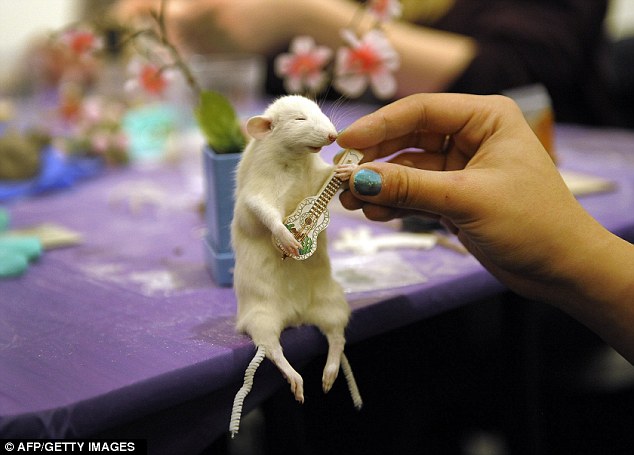
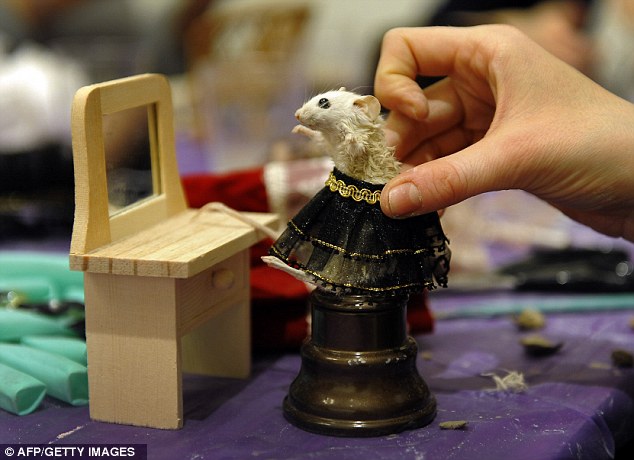
There will be two iterations of the class, one on Saturday the 29th and one on Sunday the 30th of September. No former taxidermy experience is required, and you need bring nothing; you will leave with your own taxidermied mouse set in a tableau, and the skills to create your own in the future; past student projects can be seen by clicking here. It must also be mentioned that Sue is a passionate and amazing teacher, and we have had nothing but excellent feedback about her class.
Class size is limited to 15, and, at least in Brooklyn, this class tends to sell out very quickly, so if interested, I suggest you purchase tickets straight away. 
For the Brits among you, you might want to check out this writeup about the Brooklyn iteration of the class in--yes, you guessed it--The Daily Mail, from which the classroom photos above were drawn. You can also watch a brief featurette on Sue and her work in the episode of The Midnight Archive above.
Full details for the class follow; you can purchase tickets by clicking here. Hope very much to see you there!

Anthropomorphic Mouse Taxidermy Class  with Susan Jeiven
Dates: Saturday the 29th September 2012 and Sunday the 30th September 2012 
Cost: £60.00
Time: 1-5
Location: Last Tuesday Society, 11 Mare Street London E8 4RP

Anthropomorphic taxidermy–the practice of mounting and displaying taxidermied animals as if they were humans or engaged in human activities–was a popular art form during the Victorian and Edwardian eras. The best known practitioner of the art form is British taxidermist Walter Potter who displayed his pieces–which included such elaborate tableaux as The Death of Cock Robin, The Kitten Wedding, and The Kitten Tea Party–in his own museum of curiosities.

We invite you to join taxidermist, tattoo artist and educator Susan Jeiven for a beginners class in anthropomorphic taxidermy. All materials–including a mouse for each student–will be provided, and each class member will leave at the end of the day with their own anthropomorphic taxidermied mouse. Students are invited to bring any miniature items with which they might like to dress or decorate their new friend; some props and miniature clothing will also be provided by the teacher. A wide variety of sizes and colors of mice will be available.

No former taxidermy experience is required.

Also, some technical notes:

  • We use NO harsh or dangerous chemicals.
  • Everyone will be provided with gloves.
  • All animals are disease free.
  • Although there will not be a lot of blood or gore, a strong constitution is necessary; taxidermy is not for everyone.
  • All animals were already dead, nothing was killed for this class. All mice used are feeder animals for snakes and lizards and would literally be discarded if not sold.
  • Please do not bring any dead animals with you to the class

Source:
http://morbidanatomy.blogspot.com/feeds/posts/default?alt=rss

LAMBERTVILLE: Medicine drop at cityâs police headquarters

LAMBERTVILLE The Lambertville City Police Department has become the New Jersey Division of Consumer Affairs newest partner in the Project Medicine Drop program.

Under the program, both residents and non-residents may dispose of unused or expired medications anonymously, seven days a week, 365 days a year, at the new drop box in the lobby of Police Headquarters, 349 N. Main St., Lambertville.

Police Director Bruce Cocuzza said the drop box is accessible weekdays between 9 a.m. and 4:30 p.m.

At all other times, those wishing to dispose of medications will be provided access by reaching an officer via the call box located next to the entrance door to headquarters.

The importance of this resource cannot be overstated as prescription drug abuse is a growing epidemic that results in an estimated 15,000 deaths annually in this country, the director said.

The program provides a safe, secure and convenient way to dispose of prescription drugs. It also helps prevent addiction, harmful overdoses and accidental death.

Medicines that languish in home medicine cabinets are highly susceptible to theft and misuse. Even if we keep only a few pills from ending up at pill parties or in our waterways, this effort will have served a valuable purpose, said City Councilman Wardell Sanders.

The DEA has reported that prescription drugs, including opioids and antidepressants, account for more overdose deaths than illegal drugs, such as cocaine, heroin and methamphetamines.

The Project Medicine Drop program, introduced in 2011, is fashioned after the US Drug Enforcement Administrations National Take Back Initiative, an annual campaign that offers medication disposal to the public on selected dates each year.

Read more from the original source:

LAMBERTVILLE: Medicine drop at cityâs police headquarters