Sucessful 3rd International Definiens Symposium

Definiens thanks all participants of the 3rd International Definiens Symposium last week in Munich for inspiring presentations, fruitful discussions and an stimulating atmosphere. We enjoyed meeting you and exchanging ideas during plenary sessions, workshops, coffee breaks and the evening events.

We will shortly publish additional images and recordings from the presentations.

Thanks for joining us in Munich!

Source:
http://feeds.feedburner.com/DigitalPathologyBlog

PathXchange Case of the Week

This week's Case of the Week is a case by Aldo Alcaraz, a pathologist from Instituto Mexicano Del Seguro Social HGR 180 in Guadalajara, JAL, Mexico

Title: Bladder Tumor

Case Information: 56 year old male with dysuria gross hematuria and weight loss. A diagnostic cystoscopy showed a bladder extensively infiltrated by a large tumor with ulceration and hemorrhage. Procedure: Transurethral resection.

Case CreatorAldo Alcaraz


          IMG 0674        IMG 0660        IMG 0661        

Case of the Week Program

The PX Case of the Week is a program that allows PX members to showcase rare and interesting cases to the online community. Take this opportunity to get in the spotlight with our huge digital pathology community! Creating cases on PathXchange is very simple.

Take a look at this Step-by-Step PDF Guide if you are creating a case for the first time.

Log on now. See you online!

PathXchange Team


Source:
http://feeds.feedburner.com/DigitalPathologyBlog

PathCentral’s 30 Minute Webinars – Creating an Effective Pathology Outreach Program

Learn what it takes to create an effective pathology outreach program from the company exclusively focused on community pathologists. We will share the top 5 components necessary to be successful against national competitors and easy tools you can use to gain an advantage now! 

You will gain insight into: 

•     How to assess the market potential in your community. 

•     Evaluating your stengths and leveraging them. 

•     The power of marketing tools. What works and what doesn’t. 

•     Finding the low hanging fruit. 

•     EMR interfaces? Assessing cost versus reward. 

•     The “Must Haves” for service


Title:

PathCentral's 30 Minute Webinars - Creating an Effective Pathology Outreach Program

Date:

Wednesday, June 27, 2012

Time:

9:00 AM - 10:00 PM PDT

After registering you will receive a confirmation email containing information about joining the Webinar.

System Requirements
PC-based attendees
Required: Windows® 7, Vista, XP or 2003 Server


Macintosh®-based attendees
Required: Mac OS® X 10.5 or newer


Space is limited.
Reserve your Webinar seat now at:
https://www3.gotomeeting.com/register/666248638


Source:
http://feeds.feedburner.com/DigitalPathologyBlog

Upcoming Webinar on Medicare 60-Day Rule — June 20

The Health Reform Act specifies a procedure for providers receiving overpayments. Section 6402 of the PPACA states that Medicare overpayments are to repaid to the government within 60 days of discovery. The law however raises a number of questions which providers hoped would be answered in recent rules issued by CMS. However, clarifications are still needed, and because the law is already effective, providers need guidance in implementing this law. It is critical that overpayments be handled strictly in accordance with the requirements, because failure to do so could result in a fraud claim with possible civil or even criminal penalties.

Join us for this On Demand Webinar – “Medicare 60-Day Rule: Rules and Penalties on Return of Medicare Overpayments To Control Fraud Measures!” on Wednesday, June 20, 2012 . This webinar has been compiled by Wayne J. Miller, Esq., - Founding partner of the Compliance Law Group, Los Angeles, a law firm focused on health care industry legal compliance for clients nationwide. Wayne has practiced healthcare business and regulatory law throughout his 30-year career. His firm represents a wide range of healthcare industry clients throughout the nation. He is an exceptional speaker on healthcare compliance/reimbursement, transactional and regulatory issues.

Highlights of the session :

• Impact of PPACA Supreme Court decision on the rule’s enforceability 
• Known requirements of the new 60-day rule, as well as the issues still being addressed. 
• Potential liability for violating the law, and how to avoid it 
• When the 60 day repayment period starts 
• What to do if a payment’s status is disputed 
• Best practices for addressing potential overpayments by Medicare 
• What is the basic rule regarding the return of Medicare overpayments 
• What the rule says, and what it doesn’t address 

Register today for this live audio conference using the link below :

CLICK HERE TO REGISTER

…..and apply discount code "SAVE20" at checkout to get your $20 discount on registration.

Source:
http://feeds.feedburner.com/DigitalPathologyBlog

Grading Medical Apps

Happtique jumps from selling apps to vetting them

Courtesy of and via FierceMobileHealthcare


Finally! That was my first thought when app store Happtique announced last week that it planned not only to sell health apps, but also to certify their efficacy. It's something I've written about before, and a process I'm excited to see play out.

FierceMobileHealthcare talked with three of the four individuals who have been enlisted to create the certification program for Happtique--Howard Luks, an orthopedic surgeon and professor at New York Medical College; Shuva Roy, the biomedical microdevices director for University of California, San Francisco; and Dave deBronkart, a health blogger and the consumer-facing specialist of the group--who indicated that they're scheduled to hold their first meeting in two to three weeks to sketch out the initial shape of the program, which is due to Happtique by July.

To start, I asked if the program will provide a simple seal of approval, or actually deliver granular grading or rating information. The answer, I was happy to hear, was the latter. Luks said the idea is to provide a grading system that will be attached to all apps in the Happtique store, showing where an app performed well, and where it fell short.

Next, I asked if the program will test actual products, with physicians or tech specialists getting hands-on with individual apps, or if it will certify the design and development process of the app. It's a question all three of the panelists had been pondering, but haven't reached a clear answer yet. Luks and Roy did acknowledge that true product testing could be a herculean undertaking with tens of thousands of health apps already on the market, and more emerging every day.

Corey Ackerman, Happtique's founder, however, told GigaOM last week that he envisioned "a set of standards for apps judged by actual doctors who treat that issue. For example, oncologists won't review diabetes apps." So the scale might be tipping toward a program that actually test-drives apps before certifying them.

With regard to exactly what the panel will be certifying, they said that those decisions won't be made until at least their first meeting. They indicated, though, they're looking to include criteria for app quality, reliability, usability, consumer engagement, value to the user, cost, simplicity, and interoperability.

The panelists were adamant about having a strong clinical element to evaluate the medical viability of apps. "We're looking for evidence-based medicine, proven algorithms, mobile health guides that offer the patient or the enterprise realistic guidance, and realistic, actionable information," Luks said.

Reliability was a key concern, as well. The program will need carefully examine rates of false positive or negative results, incorrect data collection, mistakes in algorithms, or even full app failures, Roy said.

Security, too, was on the panelists' minds. The program will need to determine core security measures such as encryption and password protections, but also evaluate an app's vulnerability to mal- or spyware, and the security of any stored data.

The program may even go so far as to vet the interoperability of apps, determining which can be used on different devices and platforms, and possibly how they interface with different downstream systems such as EHRs, according to Roy.

What's more, the panelists indicated that they also want to include criteria to weed out apps with any significant conflicts of interest. For example, apps from pharmaceutical companies that drive users to their newest drugs would get a big red flag.

Still, while the panelists had strong feelings about many of these criteria, they stressed that the process is wide open yet, and none of these particulars will be nailed down until they've had a few meetings.

Ultimately, I see a huge upside to an app certification program for the healthcare industry. But I also see a huge challenge facing this panel, one they'll be hard-pressed to hurdle in the short six-month window they've been given. I'll certainly be keeping up with our panelists in the coming months to see how things progress. - Sara

Read more: Happtique jumps from selling apps to vetting them - FierceMobileHealthcare http://www.fiercemobilehealthcare.com/story/happtique-jumps-selling-apps-vetting-them/2012-01-17?utm_medium=nl&utm_source=internal#ixzz1yF1lzHhE 

Subscribe: http://www.fiercemobilehealthcare.com/signup?sourceform=Viral-Tynt-FierceMobileHealthcare-FierceMobileHealthcare


Source:
http://feeds.feedburner.com/DigitalPathologyBlog

Hamamatsu’s NanoZoomer whole-slide scanners play a critical role in CSHL’s Mouse Brain Architecture Project

HamamatsuBRIDGEWATER, N.J., June 15, 2012 /PRNewswire/ -- Hamamatsu's NanoZoomer whole-slide scanners help make Cold Spring Harbor Laboratory's (CSHL) Mouse Brain Architecture Project a success by imaging thousands of mouse brain tissue slices. The Mouse Brain Architecture Project is an ongoing endeavor to map neural connectivity in the mouse brain using a systematic, high-throughput process. This process involves labeling a mouse brain region with suitable neuronal tracers, followed by tissue imaging using Hamamatsu's NanoZoomer2.0-HT whole-slide scanners, and then 3D reconstruction of the scanned 2D images. The project's accumulated images can be found online at http://brainarchitecture.org/mouse/about. New images will be continually added to the website.

Since the project's start in 2009, two NanoZoomer2.0-HT scanners have imaged over 400,000 slide-mounted tissues and proven their reliability. The scanners convert glass slides into digital slides quickly and accurately, generating high-quality digital images. The NanoZoomer scanners allow for fast, robust scanning by leveraging our proprietary designs in sensors, auto-focus implementation, slide-handling and easy to understand and navigate user interface. Other features include a Z-stack function to accommodate thicker tissue samples, copy and share capabilities, secure storage of images, and network and database interface support.

For more information about the NanoZoomer whole-slide scanners, including pricing and delivery time, please call Hamamatsu Corporation at 1-800-524-0504 or visit the company's website, http://sales.hamamatsu.com.

About Hamamatsu Corporation
Hamamatsu Corporation is the North American subsidiary of Hamamatsu Photonics K.K. (Japan), a leading manufacturer of devices for the generation and measurement of infrared, visible, and ultraviolet light. These devices include photodiodes, photomultiplier tubes, scientific light sources, infrared detectors, photoconductive detectors, and image sensors. The parent company is dedicated to the advancement of photonics through extensive research. This corporate philosophy results in state-of-the-art products which are used throughout the world in scientific, industrial, and commercial applications. 

Information furnished by Hamamatsu Corporation is believed to be reliable. However, no responsibility is assumed for possible inaccuracies or omissions. Specifications are subject to change without notice.

Source: PR Newswire (http://s.tt/1ezrm)

Source:
http://feeds.feedburner.com/DigitalPathologyBlog

Director of Laboratory Informatics and Digital Pathology — SUNY Upstate

And here it is -- offered by The State of New York -- A Director of Digital Pathology position. To my knowledge, I haven't seen too many jobs for "Director of Digital Pathology".

It looks like the position is being offered by SUNY Upstate Medical Center.  The position requires a MS in Computer Engineering/Medical Informatics or relevant field with a minumum of 5 years work experience and MBA strongly preferred.  

Now the cool part -- project management, review and assessment of current and future information systems, leadership future pathology IT investments AND coordination of integration initiatives to EPIC and other EMRS!

And the really cool part -- the position will also be responsible for implementation of a state-of-the-art Digital Pathology system which will be integrated to large physician practices and hospitals.

Sounds like Syracuse has some big plans for Digital Pathology within their healthcare delivery system.  

Look forward to deliverables to come from whoever accepts this opportunity and challege.

CLINICAL PATHOLOGY ADMIN  
State of New York  
Director of Laboratory Informatics and Digital Pathology  
TH Senior Staff Associate  
NSSL5  
Commensurate with Qualifications  
Full-Time  
100  
Responsible for implementation of a state-of-the-art Digital Pathology system which will be integrated to large physician practices and hospitals. Includes coordination and management of the project, testing, installation, training, budgeting and integration of services. Management of Laboratory Informatics team. Coordination of projects, review and assessment of current and future information systems. Provide business direction for future pathology information technology investments. Leadership and coordination of integration initiatives to EPIC and other EMRs.  
Master of Science in Computer Engineering/Medical Informatics or relevant field with a minimum of five years of experience in informatics. MBA strongly preferred.  
Monday to Friday, 8:30 am to 5:00 pm (hours flexible)  
Professional and Administrative  
06-11-2012  
Open Until Filled
Jacqueline Peak  

More information.

SUNY 
Minimum Qualifications: Master of Science in Computer Engineering/Medical Informatics or relevant field with a minimum of five years of experience in informatics. MBA strongly preferred.
Job Standard / Operational Needs: Responsible for implementation of a state-of-the-art Digital Pathology system which will be integrated to large physician practices and hospitals. Includes coordination and management of the project, testing, installation, training, budgeting and integration of services. Management of Laboratory Informatics team. Coordination of projects, review and assessment of current and future information systems. Provide business direction for future pathology information technology investments. Leadership and coordination of integration initiatives to EPIC and other EMRs.

Source:
http://feeds.feedburner.com/DigitalPathologyBlog

Aperio Webinar: Quantitative ePathology in Preclinical Safety Studies

Wednesday, June 20, 2012

7:00 am Pacific Time / 10:00 am Eastern Time
(3:00 pm London GMT / 9:00 am Mexico City CDT)

Presenter: Dr. Kai Hartmann, Definiens

Definiens Tissue Studio® is now available as part of Aperio ePathology Solutions. By creating a tight integration between the Aperio eSlide Manager™ and Definiens Tissue Studio and Developer platforms, researchers now have access to the most comprehensive image analysis and data management solution available today.

In this webinar, Dr. Hartmann will discuss how Definiens and Aperio PRECISION tools can be utilized for quantitative assessment of tissues in preclinical safety studies. Solutions for measuring stain intensity, quantifying morphological features of cells and cellular structures, describing spatial relationships, and mining and reporting data will be presented. Definiens image and data analysis has been shown to reduce study time, increase scoring efficiency, accuracy and objectivity and to relieve the pathologist from tedious, routine tasks.

To register for this Aperio ePathology Solutions webinar click here.

About Aperio
Aperio ePathology Solutions are transforming the practice of pathology. The NETWORK enables remote, simultaneous, real-time viewing and distribution for consults and collaboration, while the PRECISION tools empower pathologists with advanced analytic capabilities. To learn more, visit us at http://www.aperio.com


Source:
http://feeds.feedburner.com/DigitalPathologyBlog

Museums of London Tour, October 5-14, with Jim Edmonson of the Dittrick Museum

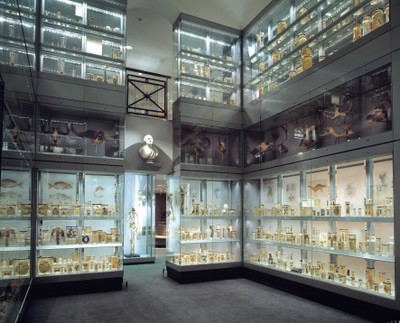
Friend of Morbid Anatomy Jim Edmonson of Cleveland's Dittrick Medical Museum has just informed us that he will be leading a guided tour of London Museums this October 5th to 14th; stops along the way include such wonderful museums as The Wellcome Collection (who is celebrating its 5th birthday today! Happy birthday!), The Hunterian, and the Old Operating Theatre.

Blurb follows; full details can be found here:

Museums of London Tour
Art, History and Medicine, October 5-14, 2012 

We invite you to join Catherine Scallen, Chair of the Art History department and Jim Edmonson, Curator of the Dittrick Museum on the campus of Case Western Reserve University, for this custom designed tour of the key museums of London, England. Jim's contact with fellow curators and museum directors opens doors and provides the group with unique insights into their collections and aspects not normally open to the general public. Catherine's experience teaching and researching the masters of European Art from 1400 to 1900 will provide historical depth that makes the art museums' collections come alive.  

Please note that our deadline for reserving a place on the London tour is June 30,
so contact us today to secure your reservation.

Please note: the final sign up day has been extended to June 30 from June 15th. If interested, you can find out more here.

Photo: The Hunterian Museum, London, from the museum's website.

Source:
http://morbidanatomy.blogspot.com/feeds/posts/default?alt=rss

RESURRECTION! A Gala Benefit to Rebuild The Morbid Anatomy Library, Saturday, June 30th, 8:00 PM

For those of you who might not have already heard, on Good Friday of this year, The Morbid Anatomy Library suffered a mighty and devastating deluge. On Saturday, Saturday, June 30th, Observatory and Morbid Anatomy will host an epic and underground-star-studded rebuilding gala, and we would love to see you there.

The fête will be hosted by Evan Michelson of The Science Channel's "Oddities" and cult writer and luminary Mark Dery, and will feature mini-lectures by such luminaries as Mike Zohn and Ryan Mathews of "Oddities;Melissa Milgrom, author of Still Life: Adventures in Taxidermy; New York Magazine's Mark Jacobson; Carl Schoonover, author of Portraits of the Mind, and many more. The silent auction to follow will include works by such amazing artists and makers as Mark Dion and Dana Sherwood, Rosamond Purcell, Robert Marbury, Sophie Blackall, Jessica Joslin, Paul Koudounaris, Sue Jeiven, Daisy Tainton, Sigrid Sarda, Saul Chernick, Nicholas Kahn, Laura Splan, Alex Kanevsky, Erika Larsen, Shannon Taggart, and Justine Cooper.

Full details follow, and invitation can be found here. Hope very very much to see you there!

RESURRECTION! A Gala Benefit to Rebuild The Morbid Anatomy Library
Date: Saturday, June 30
Time: 8:00
Admission: $25

Presented by Morbid Anatomy

On Good Friday, 2012, The Morbid Anatomy Librarysuffered a deluge; a fire in an upstairs gallery set off the sprinkler system, dousing the library below and destroying many books and artifacts.

On Saturday, June 30th, join Observatory and The Morbid Anatomy Library for a star-studded resurrection spectacular MCed by Evan Michelson of TV's "Oddities" and cult writer and luminary Mark Dery. Presenters will include Mike Zohn and Ryan Mathews of TV's "Oddities;Melissa Milgrom, author of Still Life: Adventures in Taxidermy; New York Magazine's Mark Jacobson; Carl Schoonover, author of Portraits of the Mind; Barbara Mathé of AMNH; Lisa O’Sullivan, director of the Center for the History of Medicine and Public Health at the New York Academy of Medicine; Lord Whimsy of The Affected Provincial's Almanac Volume 1 and Amy Herzog of Queens College. There will be screenings of The Midnight Archive, complimentary cocktails, performances by Jonny Clockworks, and droll  giveaways from the design firm Kikkerland. Attendees are encouraged to dress "Obscurely."

Following the festivities, be sure to stick around for a scintillating silent auction of Morbid Anatomy-themed taxidermy, artworks, specimens and artifacts, which will include pieces by fine artists Mark Dion and Dana Sherwood, Rosamond Purcell, Minnesota Rogue Taxidermist Robert Marbury, MTA Artist-in-Residence Sophie Blackall, creative taxidermist Jessica Joslin, Ryan Mathews of "Oddities," Empire of Death author/photographer Paul Koudounaris, anthropomorphic taxidermist Sue Jeiven, anthropomorphic insect shadowbox maker Daisy Tainton, waxworker Sigrid Sarda, and museum-exhibit designer Christopher Muller, as well as unforgettable works by photographers Erika Larsen, Shannon Taggart, Julia Solis, and Justine Cooper,  artists Saul Chernick, Nicholas Kahn, Laura Splan, Alex Kanevsky, Suzanne Anker, Friese Undine, Demetrios Vital, Cindy Stelmackowich, GF Newland, and Andrea Meadows, to name just a few.

If you can not join us at the benefit and are interested in aiding in rebuilding efforts, here are a few things you can do:

  • Make a monetary donation; to do so, simply click on the black "Donate Here" button on the top right hand side of this blog
  • Sponsor a book; Click hereto
    see a list of damaged books; books purchased here will automatically ship directly to The Library and populate our sadly empty shelves.
  • Help spread the word!
  • Donate new books or artifacts for the collection: Mailing Address: Joanna Ebenstein, c/o The Morbid Anatomy Library, 543 Union Street #1E, Brooklyn, NY 1121

Thanks so much! And hope to see you soon at a bigger, better Morbid Anatomy Library very very soon!

Source:
http://morbidanatomy.blogspot.com/feeds/posts/default?alt=rss

Using nanotechnology, SU scientists replicate light produced by fireflies

Asst. Copy Editor

One day, energy provided by batteries and electricity may be replaced by the replication of one of natures bright and luminous wonders: the glow produced by fireflies.

Syracuse University scientists recently replicated the light fireflies provide by using nanotechnology. The research team, led by Matthew Maye, assistant professor of chemistry, discovered that products with multicolor string of light could function with the energy created by fireflies, according to an article published by i09.com.

Nanotechnology uses semiconductive nanomaterials, also known as quantum dots, Maye said in an email. The quantum dots accepted the energy or light from the fireflies. Maye said this light was then emitted from the dots, allowing the color to change. This process is called Bioluminescence Resonance Energy Transfer.

The main impact of this discovery is that now researchers in the field of nanoscience have some design parameters for efficient interactions between bioluminescent biomaterials, Maye said.

The idea for the project originated from a firefly experts presentation, which Maye attended. The presenter and Maye began collaborating on the project about a year and a half ago.

The Air Force Office of Scientific Research through the Department of Defense funded the project, Maye said. He indicated that a project of this kind is expensive but did not specify how much the team received in funding.

SU graduate students and undergraduates majoring in chemistry and biochemistry made up a large portion of the research team, Maye said. He credited doctorate candidate Rabeka Alam for the projects success.

She is one of the top students at SU and has an amazing future ahead of her, Maye said.

Throughout the course of a year, there were many highs and lows, Alam said in an email. In the beginning, she said, the researchers were not getting any type of result no matter how hard they tried, but this eventually changed.

See the article here:
Using nanotechnology, SU scientists replicate light produced by fireflies

Most commonly mutated gene in cancer may have a role in stroke

ScienceDaily (June 22, 2012) The gene p53 is the most commonly mutated gene in cancer. p53 is dubbed the "guardian of the genome" because it blocks cells with damaged DNA from propagating and eventually becoming cancerous. However, new research led by Ute M. Moll, M.D., Professor of Pathology at Stony Brook University School of Medicine, and colleagues, uncovers a novel role for p53 beyond cancer in the development of ischemic stroke. The research team identified an unexpected critical function of p53 in activating necrosis, an irreversible form of tissue death, triggered during oxidative stress and ischemia.

The findings are detailed online in Cell.

Ischemia-associated oxidative damage leads to irreversible necrosis which is a major cause of catastrophic tissue loss. Elucidating its signaling mechanism is of paramount importance. p53 is a central cellular stress sensor that responds to multiple insults including oxidative stress and is known to orchestrate apoptotic and autophagic types of cell death. However, it was previously unknown whether p53 can also activate oxidative stress-induced necrosis, a regulated form of cell death that depends on the mitochondrial permeability transition pore (PTP) pore.

"We identified an unexpected and critical function of p53 in activating necrosis: In response to oxidative stress in normal healthy cells, p53 accumulates in the mitochondrial matrix and triggers the opening of the PTP pore at the inner mitochondrial membrane, leading to collapse of the electrochemical gradient and cell necrosis," explains Dr. Moll. "p53 acts via physical interaction with the critical PTP regulator Cyclophylin D (CypD). This p53 action occurs in cultured cells and in ischemic stroke in mice. "

Of note, they found in their model that when the destructive p53-CypD complex is blocked from forming by using Cyclosporine-A type inhibitors, the brain tissue is strongly protected from necrosis and stroke is prevented.

"The findings fundamentally expand our understanding of p53-mediated cell death networks," says Dr. Moll. "The data also suggest that acute temporary blockade of the destructive p53-CypD complex with clinically well-tolerated Cyclosporine A-type inhibitors may lead to a therapeutic strategy to limit the extent of an ischemic stroke in patients."

"p53 is one of the most important genes in cancer and by far the most studied," says Yusuf A. Hannun, M.D., Director of the Stony Brook University Cancer Center, Vice Dean for Cancer Medicine, and the Joel Kenny Professor of Medicine at Stony Brook. "Therefore, this discovery by Dr. Moll and her colleagues in defining the mechanism of a new p53 function and its importance in necrotic injury and stoke is truly spectacular."

Dr. Moll has studied p53 for 20 years in her Stony Brook laboratory. Her research has led to numerous discoveries about the function of p53 and two related genes. For example, previous to this latest finding regarding p53 and stroke, Dr. Moll identified that p73, a cousin to p53, steps in as a tumor suppressor gene when p53 is lost and can stabilize the genome. She found that p73 plays a major developmental role in maintaining the neural stem cell pool during brain formation and adult learning. Her work also helped to identify that another p53 cousin, called p63, has a critical surveillance function in the male germ line and likely contributed to the evolution of humans and great apes, enabling their long reproductive periods.

Dr. Moll's Cell study coauthors include: Angelina V. Vaseva and Natalie D. Marchenko, Department of Pathology, Stony Brook University School of Medicine; Kyungmin Ji and Stella E. Tsirka, Department of Pharmacological Sciences, Stony Brook University School of Medicine; and Sonja Holzmann, Department of Molecular Oncology, University of Gottingen in Germany.

Share this story on Facebook, Twitter, and Google:

Here is the original post:
Most commonly mutated gene in cancer may have a role in stroke

Grb2 holds powerful molecular signaling pathway in check

ScienceDaily (June 22, 2012) Once considered merely a passive link between proteins that matter, Grb2 -- pronounced "grab2" -- actually lives up to its nickname with its controlling grip on an important cell signaling pathway, scientists at The University of Texas MD Anderson Cancer Center report in the June 22 issue of Cell.

"Grb2 is a switch that controls normal signaling through the fibroblast growth factor receptor (FGFR)," said the paper's senior author, John Ladbury, Ph.D., professor in MD Anderson's Department of Biochemistry and Molecular Biology.

"Perhaps the best way to think about it is that Grb2 controls cell homeostasis (stable state) before a growth factor binds to FGFR, activating this molecular pathway," Ladbury said.

In addition to discovering a fundamental aspect of FGFR signaling, the researchers' discovery points to a potential explanation of why genomic alterations found in breast, bladder and gastric cancers and melanoma might promote cancer formation and growth, Ladbury noted.

FGFR has a docking station to receive growth factors on the cell surface, and another internal region that passes the growth factor signal on to proteins inside the cell by attaching phosphate groups to them.

FGFR employs phosphorylation to regulate a number of important processes, including the cell cycle, cell proliferation and migration. When some of these pathways become overactive, they can contribute to cancer growth and survival.

Like "a car idling in neutral" ready to go

Grb2's full name reflects its location: growth factor receptor-bound protein 2. In the great rush of molecular signaling pathway mapping in the 1990s, Ladbury noted that Grb2 was labeled an "adaptor protein," one that has no activity of its own apart from connecting to other proteins.

Mapping ran way ahead of figuring out each protein's function in a signaling pathway, Ladbury said, and scientists are still catching up in that area.

"When you think about it, why would a cell bother to produce a protein that plays only a passive role linking one protein to another?" Ladbury said. He and his colleagues found that's simply not the case with Grb2.

See more here:
Grb2 holds powerful molecular signaling pathway in check

DNA give new insights into Michelle Obama’s roots

REX, Ga. Joan Tribble held tightly to her cane as she ventured into the overgrown cemetery where her people were buried. There lay the pioneers who once populated north Georgias rugged frontier, where striving white men planted corn and cotton, fought for the Confederacy and owned slaves.

The settlers interred here were mostly forgotten over the decades as their progeny scattered across the South, embracing unassuming lives.

But one line of her family took another path, heading north on a tumultuous, winding journey that ultimately led to the White House.

The white men and women buried here are the forebears of Tribble, a retired bookkeeper who delights in her two grandchildren and her Sunday church mornings. They are also ancestors of Michelle Obama, the first lady.

The discovery of this unexpected family tie between the nations most prominent black woman and a white, silver-haired grandmother from the Atlanta suburbs underscores the entangled histories and racial intermingling that continue to bind countless American families more than 140 years after the Civil War.

The link was established through more than two years of research into Obamas roots, which included DNA tests of white and black relatives. Like many African-Americans, Obama was aware that she had white ancestry, but knew little more.

Now, for the first time, the white forebears who have remained hidden in the first ladys family tree can be identified. And her blood ties are not only to the dead. She has an entire constellation of white distant cousins who live in Georgia, South Carolina, Alabama, Texas and beyond, who in turn are only now learning of their kinship to her.

Those relatives include professionals and blue-collar workers, a retired construction worker, an accountant, a dietitian and an insurance claims adjuster, among others, who never imagined they had black relatives. Most had no idea that their ancestors owned slaves.

Many of them, like Tribble, 69, are still grappling with their wrenching connection to the White House. You really dont like to face this kind of thing, said Tribble, whose ancestors owned the first ladys great-great-great-grandmother.

Some of Tribbles relatives have declined to discuss the matter beyond the closed doors of their homes, fearful that they might be vilified as racists or forced to publicly atone for their forebears.

Visit link:
DNA give new insights into Michelle Obama’s roots

Posted in DNA

Richmond DNA cases show not all reports prove innocence

The Virginia Department of Forensic Science has released DNA test reports in 30 of the 38 cases that the Urban Institute says support exoneration. Five of those cases are from Richmond.

Two of the Richmond cases, Victor Burnette and Thomas Edward Haynesworth, led to exonerations that were supported by Michael N. Herring, the Richmond commonwealth's attorney who became a key advocate for Haynesworth.

But as far as Herring is concerned, in the three other cases, even if the DNA test results were available at the time of the trials, it would not have altered the outcomes.

Dennis Michael Titus, now 53, was convicted in Richmond of the April 10, 1978, murder and attempted rape of a 31-year-old sunbather stabbed to death on the roof of her West Franklin Street high-rise apartment building.

DNA testing in his case failed to identify his DNA in sperm taken from a physical evidence recovery kit from the victim, identified in news accounts as Mary Dill Simpson, but did find the DNA of an unknown male.

According to reports, police said they did not believe Simpson had been raped. Nevertheless, they obtained the evidence later subjected to DNA testing. Police said Titus, a janitor at the building, became a suspect when he indicated to police he knew she was dead before her body was found.

Police also said that after he was arrested, he admitted killing her when she refused to have sex with him. Titus was sentenced to life and is being held at the Powhatan Correctional Center. He declined to be interviewed last week.

Bernard Coleman, now 49, pleaded guilty to second-degree murder in the Dec. 20, 1985, slaying of his roommate, Cedric Lee Mayo, 24, shot to death during a quarrel after both men had been drinking.

Mayo was shot once near the eye with a .22-caliber bullet. After the killing, Coleman and a friend took Mayo's body to a wooded area off North 39th Street, where a passer-by found it on Christmas Eve. Coleman fled to Washington and was arrested in February 1986.

The evidence tested in that case was described only as a white suit in the report that said Coleman's DNA was not found. Coleman was released from prison in 1991 and could not be reached for comment.

Continue reading here:
Richmond DNA cases show not all reports prove innocence

Posted in DNA

The biology of tumor-derived microvesicles

ScienceDaily (June 21, 2012) A new paper by Crislyn D'Souza-Schorey, professor of biological sciences at the University of Notre Dame, discusses the biology of tumor-derived microvesicles and their clinical application as circulating biomarkers. Microvesicles are membrane-bound sacs released by tumor cells and can be detected in the body fluids of cancer patients.

The World Health Organization estimates that cancer will cause approximately 9 million deaths in 2015. The rising prevalence of the disease is a major factor that drives the growth of the oncology biomarkers market. Biomarkers can be defined as any biological, chemical or physical parameter that can be utilized as an indicator of physiological or disease status. Thus, biomarkers are useful in cancer screening and detection and drug design and also in boosting the effectiveness of cancer care by allowing physicians to tailor therapies for individual patients -- an approach known as personalized medicine.

The new paper discusses the potential of microvesicles to present a combination of disease- and tissue-specific markers that would constitute a unique and identifiable biosignature for individual cancers.

"As such, it would make their sampling over time a preferred method to monitor changes to the tumor in response to treatment, especially for tissues such as the ovary or pancreas, where repeated biopsies of these organs is impractical," D'Souza-Schorey said.

Profiling of microvesicles could form the basis of personalized, targeted cancer therapies, especially as more reliable and rapid profiling technologies become available.

"For example, certain markers like HER2/neu, in addition to being elevated in breast cancer, is also increased in a relatively smaller subset of other cancers such as ovarian cancer," D'Souza-Schorey said. "This latter group of patients would benefit from existing treatment strategies that target the HER2 receptor."

The approach could be advantageous over currently used approaches of profiling whole tissue or un-fractionated body fluid particularly if circulating microvesicles indeed concentrate molecular changes that occur in the tumor, as it would increase the sensitivity of detecting critical markers of cancer progression.

"One complicating factor, though, is the presence of shed vesicles from other non-tumor cell types also in direct contact with these body fluids," D'Souza-Schorey said. "Thus, equally significant is the development of strategies to selectively capture tumor-specific markers that separate from other shed vesicle populations."

In collaboration with local oncologists, the D'Souza-Schorey laboratory is investigating the potential of microvesicles as a cancer diagnostic platform, a project under the umbrella of Notre Dame's Advanced Diagnostics and Therapeutics Initiative. The lab's research on the biology of microvesicles and their roles in tumor progression is supported by the National Cancer Institute and the Indiana Clinical and Translational Sciences Institute.

"Despite considerable strides, effort and investment in cancer biomarker research in the past decade, there are still more desirable outcomes, most especially enhanced sensitivity to enable early detection," D'Souza-Schorey said. "An effective biomarker platform that will overcome these challenges would be paradigm-shifting in cancer care."

The rest is here:
The biology of tumor-derived microvesicles

Grb2 holds powerful molecular signaling pathway in check

ScienceDaily (June 22, 2012) Once considered merely a passive link between proteins that matter, Grb2 -- pronounced "grab2" -- actually lives up to its nickname with its controlling grip on an important cell signaling pathway, scientists at The University of Texas MD Anderson Cancer Center report in the June 22 issue of Cell.

"Grb2 is a switch that controls normal signaling through the fibroblast growth factor receptor (FGFR)," said the paper's senior author, John Ladbury, Ph.D., professor in MD Anderson's Department of Biochemistry and Molecular Biology.

"Perhaps the best way to think about it is that Grb2 controls cell homeostasis (stable state) before a growth factor binds to FGFR, activating this molecular pathway," Ladbury said.

In addition to discovering a fundamental aspect of FGFR signaling, the researchers' discovery points to a potential explanation of why genomic alterations found in breast, bladder and gastric cancers and melanoma might promote cancer formation and growth, Ladbury noted.

FGFR has a docking station to receive growth factors on the cell surface, and another internal region that passes the growth factor signal on to proteins inside the cell by attaching phosphate groups to them.

FGFR employs phosphorylation to regulate a number of important processes, including the cell cycle, cell proliferation and migration. When some of these pathways become overactive, they can contribute to cancer growth and survival.

Like "a car idling in neutral" ready to go

Grb2's full name reflects its location: growth factor receptor-bound protein 2. In the great rush of molecular signaling pathway mapping in the 1990s, Ladbury noted that Grb2 was labeled an "adaptor protein," one that has no activity of its own apart from connecting to other proteins.

Mapping ran way ahead of figuring out each protein's function in a signaling pathway, Ladbury said, and scientists are still catching up in that area.

"When you think about it, why would a cell bother to produce a protein that plays only a passive role linking one protein to another?" Ladbury said. He and his colleagues found that's simply not the case with Grb2.

See original here:
Grb2 holds powerful molecular signaling pathway in check

8 diet and exercise mistakes that age you

Eating too much sugar certainly isnt wise for your waistline, but did you know that overindulging in dessert can add years to your face? And even if you do strenuous cardio workouts each week, youll be missing out on potential anti-aging body benefits if your schedule doesnt include yoga, weight training and rest.

Find out if youre making one of these eight common diet and exercise mistakes, and get smart prevention strategies that can keep you slim and youthful for years to come.

1. You Overdo Dessert

The breakdown of sugars, called glycation, damages the collagen that keeps skin smooth and firm. To prevent this natural process from careening out of control, Dr. Naila Malik, a dermatologist in Southlake, Texas, sticks to low-glycemic carbs like whole grains. Theyre naturally low in sugar, and the body processes them slowly to limit the loss of collagen. If you want to sweeten up your tea or oatmeal without making your skin look older, try all-natural stevia. Its an easily digested herbal sweetener that doesnt trigger glycation, according to board-certified dermatologist Dr. Nicholas Perricone, an adjunct professor of medicine at Michigan State Universitys College of Human Medicine.

2. You Spin Away Stress

Taking your work angst out on the bike or treadmill might make you feel better for a little while, but incorporating yoga into your fitness routine regularly may help you look younger and prevent breakouts while whittling away stress. Sounds like a winning workout to us! Yoga moves like childs pose, downward-facing dog and sun salutations improve circulation the boost of oxygen is what gives skin that lovely yoga glow, says Dr. Hema Sundaram, a Washington, D.C., dermatologist. New research finds regular yoga practice may reduce the inflammation and stress that speed skin aging. If you need another reason to om away your stress: High levels of tension can spike hormone production that leads to breakouts or aggravates conditions like psoriasis. Controlling stress keeps your skin calm, says Dr. Annie Chiu, a dermatologist in Los Angeles.

3. You Always Choose Coffee Over Tea

Research suggests that green and black tea contain protective compounds like EGCG and theaflavins that help prevent skin cancers and the breakdown of collagen, the cause of wrinkles.

4. You Pretend to Be Allergic to Dumbbells

Following a regular strength-training routine that creates better, more supportive muscle tone will help you firm sagging skin from the neck down. I am religious about strength-training, and I always tell patients to do it more as they get older, says Dr. Patricia Farris, a dermatologist in Metairie, La. Its like adding volume to the face with fillers, except on your body, says Farris.

Continue reading here:
8 diet and exercise mistakes that age you

Grey's anatomy: Victory for faith

The grey: Erewhon (2) ridden by Rod Quinn (maroon, white star on cap). Picture: Damian Shaw. Source: The Sunday Telegraph

PUNTERS may have sacked him but Darley trainer Peter Snowden never lost faith in problematic galloper, Erewhon, who was back in the winner's stall at Warwick Farm yesterday after an absence stretching back to his Group 1 Spring Champion triumph in 2010.

The son of Commands opened up at $3.50 in the ring but couldn't find a friend and wound out to $5 by the time the field jumped.

Erewhon settled behind leader O'Crikey ($21) and the well-fancied San Zaim ($4) before peeling three wide around to mount his challenge. Jockey Josh Parr drove Erewhon to the lead at the 200m from which point the grey had to repel challengers to his inside and out before holding on for a hard-fought win.

"It's very satisfying because it's been a long time between drinks," Snowden said. "The horse has so many problems with his feet; he's had four quarter-cracks in the past 18 months which has given us hell but we've finally got them right now, so it's been a good job by all the staff.

"Erewhon is a Group 1 winner and Group 1 winners are hard to get, so you want to hang on to them as best you can. But it's just been one thing after another with him, to get him back to his best."

Erewhon was crunched from $9 into $5.50 equal favourite when he made his long-awaited return to racing at Rosehill last month but was soundly beaten. "I was disappointed with his first-up run because I thought he was more forward than that but these older horses once they get out of form or don't race for quite a while, it takes them a lot longer to get them back," Snowden said.

"He's needed the two runs before this."

Erewhon's return to form came at the expense of a conga line of unlucky horses, beginning with the John O'Shea-trained Glintz ($10) who had his chances ruined by a chequered passage in the straight. A noted front runner, connections opted for a change of tactics after two poor runs. This time the son of Pins parked back in the field in an awkward position.

Glintz looked likely to threaten inside the final 100m but was held up at crucial stages, going down by a half-head at the wire.

Read more:
Grey's anatomy: Victory for faith

Anatomy of a scam

By: Allen Breed | Associated Press Published: June 23, 2012 Updated: June 23, 2012 - 12:18 PM

With their elderly parents seated across the octagonal oak table, Donna and Jim Parker were back in the kitchen they knew so well - the hutch along one wall crammed with plates, bells and salt-and-pepper shakers picked up during family trips; at the table's corner, the spindly wooden high chair where a 7-year-old Jim had tearfully confessed to setting a neighbor's woods ablaze.

It was Christmastime, but this was no holiday gathering. Now, it was the parents who were in deep trouble, and this was an intervention.

For the past year, Charles and Miriam Parker, both 81, had been in the thrall of an international sweepstakes scam. The retired educators, with a half-dozen college degrees between them, had lost tens of thousands of dollars.

But money wasn't just leaving the Parker house. Strangely, large sums were now coming in, too.

Their four children were worried, but had been powerless to open their parents' eyes. Maybe, Donna thought, they'd listen to people with badges.

And so, joining them at the family table that late-December day in 2005 were Special Agent Joan Fleming of the FBI and David Evers, an investigator from the North Carolina attorney general's telemarketing fraud unit.

The home was littered with sweepstakes mailers and "claim" forms, the cupboards bare of just about everything but canned soup, bread and crackers. Charles Parker acknowledged that he'd lost a lot of money, but expressed confidence that he and his wife would eventually succeed if they just kept "investing."

Evers and Fleming showed the couple a video of other elderly scam victims, then played a taped interview of a former con man describing how he operated. Charles was alarmed by what he was seeing and hearing, but his wife seemed to be barely paying attention.

With the couple's permission, Evers installed a "mooch line" on the kitchen phone so they could capture incoming calls. The Parkers pledged their cooperation.

More here:
Anatomy of a scam