Chemistry is the new Black

Blacks Technicals logo

What is that chemical?

A couple of years ago, a letter popped up in the Chemistry World inbox, wondering about the identity of a chemical-looking logo on the Technicals line of outdoor gear from UK chain Blacks. General concensus at the time was that it could represent some kind of stylised neurochemical, but strictly the logo looked like a saturated hydrocarbon.

Well, two years and an undergraduate synthesis project later, another letter has arrived…

Blacks logo synthesis

Blacks logo synthesis

Mark Cockerton at Plymouth University in the UK took up the challenge to synthesise the logo hydrocarbon. Under the supervision of Simon Belt, Cockerton used Friedel-Crafts acylation of ortho-xylene and two rounds of hydrogenation to reduce out the ketone and benzene ring functionality, leaving the bare bones hydrocarbon ‘logo chemical’ as shown in the synthetic scheme here.

To me, this is a fine example of the importance of communication to science – through whatever channels that happens, and gives me a warm, fuzzy feeling that somehow our original correspondent, the people who commented on the blog and myself have helped inspire someone to do some new chemistry. Not only that, but in doing so, we may have helped guide a budding chemist on the way to exploring chemistry further. In his letter, Cockerton says:

Apart from the satisfaction of making my target molecule, this project gave me first-hand experience in obtaining and interpreting analytical data, especially from IR, GC-MS, and NMR spectroscopy. As an inexperienced undergraduate student, I found determining the identities of all diastereotopic protons of all chemicals made and the conformation of the ‘logo chemical’ particularly challenging, but if this mirrors the real life of a research chemist in any way, then the whole experience has left me craving much more.
 

Good luck to you, Mark, in your further studies and exploration of the world of chemistry. However, there still remains one conundrum – what is the logo meant to represent in the first place? I guess this will forever be one of those unanswered questions…

Phillip Broadwith

Digg This  Reddit This  Stumble Now!  Share on Facebook  Bookmark this on Delicious  Share on LinkedIn  Bookmark this on Technorati  Post on Twitter  Google Buzz (aka. Google Reader)  

Source:
http://prospect.rsc.org/blogs/cw/?feed=rss2

The State of Organ Donation in the US

Organ Donation infographic The Impatient List by Good and Column Five
Click to enlarge!

Organ Donation infographic The Impatient List by Good and Column Five

Organ Donation infographic The Impatient List by Good and Column Five

GOOD collabed with awesome infographic’s studio Column Five to create this visual breakdown on the state of organ donation today.

All-in-all the state of organ donation in the US is getting slightly better, but there are still too many people waiting for organs, some of which pass away before getting any chance.  Kidney’s are the highest in demand right now and people aged 50–64 make up the highest percentage of candidates who are waiting.  What’s really interesting is that countries, such as Spain that employ an opt-out system, have some of the highest organ donation rates.  Hmm, maybe they’re onto something there…


[via GOOD Magazine]


Source:
http://feeds.feedburner.com/streetanatomy/OQuC

Jason Freeny’s 18? Lego Men Dissections

Jason Freeny Lego Man skeleton trio (1)
Click to enlarge

Jason Freeny Lego Man skeleton trio (2)

Jason Freeny Lego Man skeleton trio (3)Jason Freeny Lego Man skeleton trio (4)

The process…

Lego Men Trio Dissection 2012 Process

Jason Freeny’s latest drool-worthy work is a trio of 18″ anatomical Lego men figures.  You can see Jason’s entire creation process of these little masterpieces via his Facebook.  I love seeing the “dissection” take place over time and how Jason builds the anatomy.  It really makes you appreciate the detail and skill that went into the final products above!


Read our interview with Jason Freeny to learn more about the man behind the anatomical pop culture awesomeness!


Source:
http://feeds.feedburner.com/streetanatomy/OQuC

Museums of London Tour, October 5-14, with Jim Edmonson of the Dittrick Museum

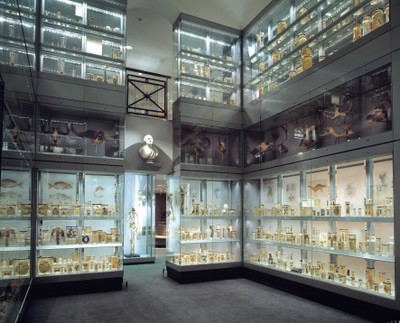
Friend of Morbid Anatomy Jim Edmonson of Cleveland's Dittrick Medical Museum has just informed us that he will be leading a guided tour of London Museums this October 5th to 14th; stops along the way include such wonderful museums as The Wellcome Collection (who is celebrating its 5th birthday today! Happy birthday!), The Hunterian, and the Old Operating Theatre.

Blurb follows; full details can be found here:

Museums of London Tour
Art, History and Medicine, October 5-14, 2012 

We invite you to join Catherine Scallen, Chair of the Art History department and Jim Edmonson, Curator of the Dittrick Museum on the campus of Case Western Reserve University, for this custom designed tour of the key museums of London, England. Jim's contact with fellow curators and museum directors opens doors and provides the group with unique insights into their collections and aspects not normally open to the general public. Catherine's experience teaching and researching the masters of European Art from 1400 to 1900 will provide historical depth that makes the art museums' collections come alive.  

Please note that our deadline for reserving a place on the London tour is June 30,
so contact us today to secure your reservation.

Please note: the final sign up day has been extended to June 30 from June 15th. If interested, you can find out more here.

Photo: The Hunterian Museum, London, from the museum's website.

Source:
http://morbidanatomy.blogspot.com/feeds/posts/default?alt=rss

RESURRECTION! A Gala Benefit to Rebuild The Morbid Anatomy Library, Saturday, June 30th, 8:00 PM

For those of you who might not have already heard, on Good Friday of this year, The Morbid Anatomy Library suffered a mighty and devastating deluge. On Saturday, Saturday, June 30th, Observatory and Morbid Anatomy will host an epic and underground-star-studded rebuilding gala, and we would love to see you there.

The fête will be hosted by Evan Michelson of The Science Channel's "Oddities" and cult writer and luminary Mark Dery, and will feature mini-lectures by such luminaries as Mike Zohn and Ryan Mathews of "Oddities;Melissa Milgrom, author of Still Life: Adventures in Taxidermy; New York Magazine's Mark Jacobson; Carl Schoonover, author of Portraits of the Mind, and many more. The silent auction to follow will include works by such amazing artists and makers as Mark Dion and Dana Sherwood, Rosamond Purcell, Robert Marbury, Sophie Blackall, Jessica Joslin, Paul Koudounaris, Sue Jeiven, Daisy Tainton, Sigrid Sarda, Saul Chernick, Nicholas Kahn, Laura Splan, Alex Kanevsky, Erika Larsen, Shannon Taggart, and Justine Cooper.

Full details follow, and invitation can be found here. Hope very very much to see you there!

RESURRECTION! A Gala Benefit to Rebuild The Morbid Anatomy Library
Date: Saturday, June 30
Time: 8:00
Admission: $25

Presented by Morbid Anatomy

On Good Friday, 2012, The Morbid Anatomy Librarysuffered a deluge; a fire in an upstairs gallery set off the sprinkler system, dousing the library below and destroying many books and artifacts.

On Saturday, June 30th, join Observatory and The Morbid Anatomy Library for a star-studded resurrection spectacular MCed by Evan Michelson of TV's "Oddities" and cult writer and luminary Mark Dery. Presenters will include Mike Zohn and Ryan Mathews of TV's "Oddities;Melissa Milgrom, author of Still Life: Adventures in Taxidermy; New York Magazine's Mark Jacobson; Carl Schoonover, author of Portraits of the Mind; Barbara Mathé of AMNH; Lisa O’Sullivan, director of the Center for the History of Medicine and Public Health at the New York Academy of Medicine; Lord Whimsy of The Affected Provincial's Almanac Volume 1 and Amy Herzog of Queens College. There will be screenings of The Midnight Archive, complimentary cocktails, performances by Jonny Clockworks, and droll  giveaways from the design firm Kikkerland. Attendees are encouraged to dress "Obscurely."

Following the festivities, be sure to stick around for a scintillating silent auction of Morbid Anatomy-themed taxidermy, artworks, specimens and artifacts, which will include pieces by fine artists Mark Dion and Dana Sherwood, Rosamond Purcell, Minnesota Rogue Taxidermist Robert Marbury, MTA Artist-in-Residence Sophie Blackall, creative taxidermist Jessica Joslin, Ryan Mathews of "Oddities," Empire of Death author/photographer Paul Koudounaris, anthropomorphic taxidermist Sue Jeiven, anthropomorphic insect shadowbox maker Daisy Tainton, waxworker Sigrid Sarda, and museum-exhibit designer Christopher Muller, as well as unforgettable works by photographers Erika Larsen, Shannon Taggart, Julia Solis, and Justine Cooper,  artists Saul Chernick, Nicholas Kahn, Laura Splan, Alex Kanevsky, Suzanne Anker, Friese Undine, Demetrios Vital, Cindy Stelmackowich, GF Newland, and Andrea Meadows, to name just a few.

If you can not join us at the benefit and are interested in aiding in rebuilding efforts, here are a few things you can do:

  • Make a monetary donation; to do so, simply click on the black "Donate Here" button on the top right hand side of this blog
  • Sponsor a book; Click hereto see a list of damaged books; books purchased here will automatically ship directly to The Library and populate our sadly empty shelves.
  • Help spread the word!
  • Donate new books or artifacts for the collection: Mailing Address: Joanna Ebenstein, c/o The Morbid Anatomy Library, 543 Union Street #1E, Brooklyn, NY 1121

Thanks so much! And hope to see you soon at a bigger, better Morbid Anatomy Library very very soon!

Source:
http://morbidanatomy.blogspot.com/feeds/posts/default?alt=rss

Brain Stimulation for Parkinson’s Offers Improvements in Symptoms Over Three Years

WASHINGTON–(BUSINESS WIRE)–

Patients with Parkinsons disease who undergo deep brain stimulation (DBS)a treatment in which a pacemaker-like device sends pulses to electrodes implanted in the braincan expect stable improvement in muscle symptoms for at least three years, according to a Department of Veterans Affairs study appearing in the most recent issue of the journal Neurology.

VA was proud to partner with the National Institutes of Health in this research, said Secretary of Veterans Affairs Eric K. Shinseki. Our research on Parkinsons helps ensure we continue to provide the best care possible for Veterans with this debilitating disease.

VA cares for some 40,000 Veterans with the condition.

In DBS, surgeons implant electrodes in the brain and run thin wires under the skin to a pacemaker-like device placed at one of two locations in the brain. Electrical pulses from the battery-operated device jam the brain signals that cause muscle-related symptoms. Thousands of Americans have seen successful results from the procedure since it was first introduced in the late 1990s. But questions have remained about which stimulation site in the brain yields better outcomes, and over how many years the gains persist.

Initial results from the study appeared in 2009 in the Journal of the American Medical Association. Based on the six-month outcomes of 255 patients, the researchers concluded that DBS is riskier than carefully managed drug therapybecause of the possibility of surgery complicationsbut may hold significant benefits for those with Parkinsons who no longer respond well to medication alone.

A follow-up report in the New England Journal of Medicine in 2010, using data from 24 months of follow-up, showed that similar results could be obtained from either of the two brain sites targeted in DBS.

The new report is based on 36 months of follow-up on 159 patients from the original group. It extends the previous findings: DBS produced marked improvements in motor (movement-related) function. The gains lasted over three years and did not differ by brain site.

Patients, on average, gained four to five hours a day free of troubling motor symptoms such as shaking, slowed movement, or stiffness. The effects were greatest at six months and leveled off slightly by three years.

According to VA Chief Research and Development Officer Joel Kupersmith, MD, This rigorously conducted clinical trial offers valuable guidance for doctors and patients in VA and throughout the world. As our Veteran population and the general U.S. population grow older, this research and future studies on Parkinsons will play an important role in helping us optimize care.

Visit link:
Brain Stimulation for Parkinson’s Offers Improvements in Symptoms Over Three Years

Source:
http://www.longevitymedicine.tv/feed/

uniQure Collaborates with UCSF on GDNF Gene Therapy in Parkinson’s Disease

AMSTERDAM, June 21, 2012 /PRNewswire/ —

uniQure, a leader in the field of human gene therapy, announced today the signing of a collaborative agreement with two leading neurology experts to develop further a gene therapy incorporating uniQure’s GDNF (glial cell derived neurotrophic factor) gene for the treatment of Parkinson’s disease.

Professor Krystof Bankiewicz at the University of California, San Francisco (UCSF), a world expert in GDNF gene therapy, and Professor Howard Federoff of Georgetown University, a preeminent physician-neuroscientist, have developed a product approved to start clinical trials in the U.S. using uniQure’s GDNF gene incorporated into an adeno-associated virus-2 (AAV-2) delivery vector. The GDNF gene contains the information to produce a protein necessary for the development and survival of nerve cells. The positive effect of GDNF on nerve cells has already been demonstrated in early research by uniQure in collaboration with the University of Lund, Sweden.

UCSF entered into a collaboration with Dr. Russell Lonser, neurosurgeon and Chief of the Neurosurgical Branch of the NINDS, a division of the National Institutes of Health, to commence a Phase I study of the gene therapy in patients with Parkinson’s disease. Patient enrollment is expected to begin mid-2012. Collaborating on the study will be Drs. Krystof Bankiewicz of UCSF, Howard Federoff of Georgetown University and NINDS co-investigator neurologists Drs. Mark Hallett and Walter Koroshetz.

“This agreement provides uniQure with access to the data from a Parkinson’s disease GDNF clinical study conducted by two of the world’s leading medical researchers in the field. If successful, we intend to manufacture the vector construct ourselves and with a partner progress the product into advanced clinical studies,” said Jrn Aldag, CEO of uniQure. “GDNF has been shown to be involved in several other CNS disorders so if we reach the proof of concept stage in Parkinson’s, we can potentially expand product development quickly and efficiently into clinical trials for other indications, such as Huntington’s and Multiple System Atrophy (MSA).”

“The development of AAV2-GDNF, sponsored by both NIH and by Parkinson’s foundations, has taken us 10 years to complete. We are very pleased that a path for clinical development of AAV2-GDNF as a possible treatment for PD is now in place,” said Dr. Krystof Bankiewicz, UCSF Principal Investigator.

Under the terms of uniQure’s agreement with UCSF, uniQure holds the exclusive commercial rights to all UCSF preclinical data and to IND enabling Phase I clinical data provided to UCSF by NINDS. In the event that the Phase 1 study shows proof of concept, uniQure will use its proprietary manufacturing system for future production of the AAV construct and take responsibility for future development of the gene therapy product. uniQure holds the exclusive license to the GDNF gene from Amgen.

About uniQure

uniQure is a world leader in the development of human gene based therapies. uniQure has a product pipeline of gene therapy products in development for hemophilia B, acute intermittent porphyria, Parkinson’s disease and SanfilippoB. Using adeno-associated viral (AAV) derived vectors as the delivery vehicle of choice for therapeutic genes, the company has been able to design and validate probably the world’s first stable and scalable AAV manufacturing platform. This proprietary platform can be applied to a large number of rare (orphan) diseases caused by one faulty gene and allows uniQure to pursue its strategy of focusing on this sector of the industry. Further information can be found at http://www.uniqure.com.

Certain statements in this press release are “forward-looking statements” including those that refer to management’s plans and expectations for future operations, prospects and financial condition. Words such as “strategy,” “expects,” “plans,” “anticipates,” “believes,” “will,” “continues,” “estimates,” “intends,” “projects,” “goals,” “targets” and other words of similar meaning are intended to identify such forward-looking statements. Such statements are based on the current expectations of the management of uniQure only. Undue reliance should not be placed on these statements because, by their nature, they are subject to known and unknown risks and can be affected by factors that are beyond the control of uniQure. Actual results could differ materially from current expectations due to a number of factors and uncertainties affecting uniQure’s business. uniQure expressly disclaims any intent or obligation to update any forward-looking statements herein except as required by law.

Read more:
uniQure Collaborates with UCSF on GDNF Gene Therapy in Parkinson's Disease

Source:
http://www.longevitymedicine.tv/feed/

Device Calms Parkinson’s Tremor for 3+ Years

Quality of Life, Daily Living Did Not Improve in Study

By Denise Mann WebMD Health News

Reviewed by Laura J. Martin, MD

June 20, 2012 — For some people with Parkinson’s disease, deep brain stimulation can have immediate and dramatic effects on tremors, rigidity, balance, and other motor symptoms.

Now new research shows that these benefits may last at least three years. The findings appear online in Neurology.

Deep brain stimulation uses a battery-operated device to deliver electrical impulses — similar to a pacemaker for the heart — to areas of the brain that control movement. The impulses are thought to block abnormal signals that cause many of the movement problems (motor symptoms) of Parkinson’s. This procedure is typically reserved for individuals who no longer respond to their Parkinson’s medications or who experience unacceptable side effects from them.

According to the new findings, this treatment helped with motor symptoms such as tremor, but individuals did show gradual declines over time in their quality of life, ability to perform tasks of daily living, and thinking skills.

“This study looked past the immediate ‘wow effect,’” says Michele Tagliati, MD. He wrote an editorial accompanying the new study.

“Now we want to know what we can expect over the next 10 years, and this starts to make it clearer,” says Tagliati, the director of the Movement Disorders Program at Cedars-Sinai Medical Center in Los Angeles.

“The effect on motor function is sustained,” says researcher Frances M. Weaver, PhD. She is the director of the Center for Management of Complex Chronic Care at Edward Hines Jr. VA Hospital in Hines, Ill. But “deep brain stimulation does not have an impact on the other symptoms of the disease, so there will be progression.”

Follow this link:
Device Calms Parkinson's Tremor for 3+ Years

Source:
http://www.longevitymedicine.tv/feed/

Treating Orthostatic Hypotension Improves Function In Parkinson’s Disease Patients, According To Braintree …

BOSTON, June 21, 2012 /PRNewswire/ –A new study analyzing patient data from Braintree Rehabilitation Hospital in Braintree, Massachusetts, found that blood pressure fluctuations can worsen symptoms of Parkinson’s disease. Conversely, after treating Parkinson’s disease patients who experienced blood pressure drops when changing from a sitting to standing position, improvements were noted in cognitive function, balance and walking, according to the researchers at Braintree Rehabilitation Hospital.

Information from the study will be presented today at the Movement Disorder Society’s 16th International Congress of Parkinson’s Disease and Movement Disorders in Dublin, Ireland. The corresponding abstract, “Treating Orthostatic Hypotension in Patients with Parkinson’s and Atypical Parkinsonism Improves Function,” will be published as an electronic supplement to The Movement Disorders Journal online edition at http://www.movementdisorders.org.

“This new research sheds light for better Parkinson’s disease treatment, as blood pressure can be affected by the disease and problems often worsen over time,” said Dr. Anna DePold Hohler, Medical Director of the Movement Disorders Program at Braintree Rehabilitation Hospital and Associate Professor of Neurology at Boston University Medical Center, who participated in the study. “The good news for Parkinson’s disease patients is that implementing simple interventions, monitored by a physician, can significantly improve functionality.”

In the United States, 1.5 million people suffer from this complex neurodegenerative disorder. For this population, blood pressure drops may occur due to a decrease in the neurotransmitter norepinepherine and as a result of medications used to treat motor symptoms.

Depending on the patient, treatment strategies might include increasing water or salt intake, use of compression stockings, and slow position changes. Specific medications may also be warranted in patients at risk for fainting.

These findings update previous work conducted at Braintree Rehabilitation Hospital recently published in the International Journal of Neuroscience, 2011.

The Movement Disorders Program at Braintree Rehabilitation Hospital, a world-class rehabilitative care provider, allows patients to have physical, occupational and speech therapy along with medication adjustments, blood pressure adjustments, and deep brain stimulation adjustments as needed. As a result, improvements in patients are significant and a large number of individuals can be optimized to return home.

Braintree Rehabilitation Hospital is located at 250 Pond Street in Braintree, Massachusetts. For more information visit http://www.braintreerehabhospital.com, or call (781) 348-2500.

Media contact: CM Communications Lori Moretti or Meg Fitzgerald mfitzgerald@cmcommunications.com 617-536-3400

See original here:
Treating Orthostatic Hypotension Improves Function In Parkinson's Disease Patients, According To Braintree …

Source:
http://www.longevitymedicine.tv/feed/

Michelle Renee: Multiple Sclerosis: What Jack Osbourne and My Daughter Have in Common

I didn’t know anything about multiple sclerosis (MS) 6.5 months ago. On Dec. 8, 2011 I got a crash course when my 18-year-old daughter had a severe sudden onset that paralyzed her on her left side, and left her blind in her left eye and unable to speak or swallow.

In hindsight, the headaches she was experiencing two days leading up to the catastrophic onset we thought were due to all the studying she was doing for her ACT test were MS-related. The tingling in her fingers that we thought was over-texting syndrome was most likely the first sign of her MS, and happened two weeks before she collapsed.

She dragged herself into my work and I knew instantly something was terribly wrong. She had been tired that day. She went home from school to nap. She missed her cheerleading training that was so important for her upcoming college tryouts. Her left leg was limp, her eyes pleading for help before she even spoke a word. “Mom, I am so scared. I can’t feel my leg or my arm. It feels like it isn’t attached to my body.” She couldn’t make it back to the car. Lifting my 18-year-old high school senior into the front seat of my SUV, my head was saying maybe it was just a pinched nerve. But my heart was aching with a knowing that it was far more serious than that.

We rushed to the emergency room. Her inability to move any part of her left side was becoming worse by the minute. By 9 p.m., she couldn’t move a finger or a toe, the left side of her face was sagging, and her words were becoming muted. The stroke test was negative. The CT scan warranted an MRI. I was pacing and told the nurse I had a really bad gut feeling. At 10:36 p.m., the ER doctor came into the room that was only separated from the person next to us by a thin cotton curtain. He sat down across from me as I sat bumped right up against the gurney holding Breea’s hand. She was medicated by that time and not conscious. “We have found some abnormalities on her brain. She won’t be leaving the hospital, Ms. Renee. The neurologist is on his way.”

The word “abnormalities” just kept echoing — his mouth was moving but I felt like I was in an episode of Grey’s Anatomy, playing the devastated parent that just got horrific news. But it wasn’t a script. It was really happening. The nurse looked at with the “I am so sorry” look and I wanted to throw up, scream, grab my daughter and squeeze so tight that whatever was in her brain making her this way would somehow be gone. I grabbed my phone and called my best friend, my family, and my boss. Life as we knew it faded away in front of my eyes on a gurney in the ER.

After a battery of tests, including a brutal spinal tap, Dr. Jay Rosenberg delivered the diagnosis while we were in ICU. She had lost her ability to feel her bladder or bowels, she could not swallow or talk, and any sudden movement made her heart rate skyrocket. They had to keep her sedated and given any sort of nutrients via an IV. The diagnosis: Severe sudden onset of tumefactive multiple sclerosis, the rarest form of this mystery disease.

Over the next six months, there would be insurance issues that made getting physical therapy impossible. I became her physical therapist and occupational therapist. We used toys and gadgets, cheap supplies from Target, and anything we could find out in nature. Carving her name in the sand with a stick became a great way to learn how to hold something in her left hand again. A child’s bubble wand became a very handy tool for all sorts of arm exercises, and tiny cones set up as an obstacle course so she could learn to crawl first made therapy everyday more fun than work. We never went home because there were stairs. The MS Society helped us get into a one-story apartment that was perfect for our new lifestyle, and our friends and Breea’s school threw us fundraisers to help us stay afloat since we were getting nowhere with disability or in home support services.

Through it all, Breea kept not only her sense of humor but her drive to succeed, walk again, graduate and go to college just as she had planned before MS. “Feeling sorry for myself won’t heal my lesions. Focusing on my dreams and having a positive attitude will give me the strength I need to live a normal life again.” I love this kid.

On Friday, June 1, 2012, in her purple leg brace with butterflies on it, she walked with the class of 2012 and graduated with a 3.8 GPA. She is attending NAU in the fall, and has chosen nursing as her major. We know more than we ever thought possible about a disease that is such a mystery not only to us but to the medical community as well. We know there is no cure. We know that they are making advances in developing medications and treatments to slow the progression of this autoimmune disease that attacks the myelin in the brain and spinal cord. We know that 2.5 million people around the world have MS and that 200 more cases are reported each week. One of those new cases is Jack Osbourne.

I hope he chooses to use his celebrity to educate others about this disease. Even though his onset seems to be what is more typical in terms of symptoms and severity, probably relapsing-remitting or primary progressive in nature, it doesn’t really matter. Suddenly the world became smaller in a way. Suddenly my daughter, and now Jack Osbourne, is part of the family of people battling MS, the disease that someone told me recently feels like an axe over your head that you never know if or when it will fall.

Link:
Michelle Renee: Multiple Sclerosis: What Jack Osbourne and My Daughter Have in Common

Source:
http://www.longevitymedicine.tv/feed/

Jack Osbourne Discloses His Multiple Sclerosis Diagnosis; GreenBeanBuddy Shares Basic Information About the Disease

Dallas, TX (PRWEB) June 22, 2012

Jack Osbourne revealed earlier this week that he has Multiple Sclerosis, reported mtv.com. According to the report, the youngest son of rock icon Ozzy Osbourne and ‘America’s Got Talent’ judge Sharon Osbourne, was diagnosed with MS just weeks after his daughter’s birth in April. And to help spread awareness about the disease, GreenBeanBuddy.com shared basic information about it.

Based on the report, the 26-year old Osbourne was angry and frustrated when he was given the diagnosis. It added that his mother, Sharon Osbourne, shared with Hello magazine how she’s wondering she may have contributed to Jack’s illness.

However, in a separate post from mtv.com, it was said that both Ozzy and Sharon are confident that their son will overcome the said disease. Ozzy even advised his kid to get a second opinion and undergo further testing to be certain, added the report.

Here’s an excerpt of the post Multiple Sclerosis, Basic Facts About the Disease That Caught Jack Osbourne by GreenBeanBuddy.com.

Angry and frustrated those were the reactions of Jack Osbourne when he was diagnosed of Multiple Sclerosis just weeks after his daughter’s birth. However, his parents, rock icon Ozzy Osbourne and America’s Got Talent judge Sharon Osbourne, were confident that the 26-year-old will beat the disease. But what is Multiple Sceloris and how can it be treated?

Multiple Sclerosis or MS is basically an unpredictable autoimmune disease. It attacks the central nervous system by inflaming the brain and the spinal cord and with that it losses the myelin sheath around the nerves. That leads to symptoms as loss of vision, numbness, tingling, excessive fatigue and weakness.

Read more about Jack Osbourned Diagnosed with Multiple Sclerosis at: http://www.greenbeanbuddy.com/2114/multiple-sclerosis-basic-info-disease-caught-jack-osbourne/

As related by entertainment and health news website GreenBeanBuddy.com, Multiple Sclerosis or MS is an incurable autoimmune disease. It added that the cause or causes of it are still unclear and that is one of the reasons why no cure for it has yet been discovered.

Nonetheless, there is now an array of treatments to slow down the disease’s progress, shared the website. And given that Jack Osbourne got the means to get the right doctors and treatments, the site commented that he got a big chance of living a fulfilling despite having the disease.

Here is the original post:
Jack Osbourne Discloses His Multiple Sclerosis Diagnosis; GreenBeanBuddy Shares Basic Information About the Disease

Source:
http://www.longevitymedicine.tv/feed/

Multiple sclerosis patients have lower risk of cancer: UBC-VCH research

Public release date: 21-Jun-2012 [ | E-mail | Share ]

Contact: Melissa Ashman mashman@brain.ubc.ca 604-827-3396 University of British Columbia

Multiple sclerosis (MS) patients appear to have a lower cancer risk, according to a new study led by researchers at the University of British Columbia and Vancouver Coastal Health.

The study, published in the current issue of the journal Brain, is the first to investigate overall cancer risk in MS patients in North America.

“Because the immune system plays important roles in both cancer and MS, we wanted to know whether the risk of cancer is different for people with MS,” says Elaine Kingwell, the study’s lead author and a postdoctoral fellow in the UBC Faculty of Medicine and Brain Research Centre at UBC and VCH Research Institute. “Not only did MS patients have a lower overall cancer risk, the risk for colorectal cancer in particular was significantly lower.”

The researchers compared the diagnoses of cancer in MS patients in British Columbia with those of the general population. While they found that MS patients have a lower risk in general for cancer and in particular for colorectal cancer they found that the risks for brain cancer and bladder cancer were slightly elevated (albeit not significantly). In patients with relapsing-onset MS, the risk for non-melanoma skin cancer was significantly greater.

Further studies will be needed to understand the reasons for this reduced overall cancer risk.

An unexpected finding was that for those who did develop cancer, tumour size tended to be larger at time of diagnosis. More work is needed to determine why some tumours might be caught later in people with MS.

“Because the symptoms of MS can be broad and include feelings of fatigue, it’s possible the symptoms of cancer are being masked or overlooked,” says Helen Tremlett, the study’s senior author and an associate professor in the UBC Faculty of Medicine. She adds that, regardless of the findings, MS patients and their physicians are encouraged to follow cancer screening guidelines. Her team is planning a follow up study to determine whether death rates due to cancer are altered in MS patients.

###

Link:
Multiple sclerosis patients have lower risk of cancer: UBC-VCH research

Source:
http://www.longevitymedicine.tv/feed/

Priority Health: Multiple sclerosis

Jude wants to know the latest on MS or Multiple sclerosis. This is very timely since just this week, Jack Osborne was diagnosed with MS at age 26.

The interesting part about someone famous with a medical condition is the fact that it raises awareness of the condition. MS is one of those conditions that you think is not very common in the very young, but in reality, MS affects all age levels. The interesting abnormality with Jack Osborne having the diagnosis is the fact that he is a male. Usually, females are affected more than males.

Multiple sclerosis is the damage of nerve cells by an unknown trigger. The immune system targets the cells as potential “invaders”, and attempts to destroy them. Since the body is attacking itself, this is considered an autoimmune problem. MS can be literally called “multiple scars”. Since the nerves are like wires in electricity, if you damage the wires, the current does not get to the end organ appropriately. There are also some symptoms or short circuits noticed. The most common symptom is numbness, tingling, or loss of sensation or strength.

Statistics of MS:

400,000 Americans have MS

2.5 million worldwide – not a mandatory report, so it is thought to be under reported.

Women are 2x more affected than men

Caucasians are affected more than any other ethnic group, but all groups can be affected MS is not a fatal disease, but it is chronic MS is not a contagious disease

No age is spared – youngest to be diagnosed 2 years-old, oldest 75 years-old

No cure – yet

Read more:
Priority Health: Multiple sclerosis

Source:
http://www.longevitymedicine.tv/feed/

One in three dementia cases misdiagnosed

ALMOST a third of dementia diagnoses in Australia are incorrect, a medical expert says.

A federal inquiry into early diagnosis and intervention for dementia has heard that 30 per cent of patients diagnosed with dementia are later found to be suffering from other conditions.

Dr Robert Prouse, from the Royal Australian College of Physicians, says other conditions such as depression can mimic the symptoms of dementia.

“There’s a whole range of things that can present as cognitive decline that need to be tested along the way and that’s where specialists come into it,” Dr Prouse told the inquiry in Sydney on Friday.

“It’s probably common enough to say a third of patients improve, lose their depression and have a new outlook on life.”

“We’ve had a number of people who have had significant cognitive decline,” Dr Prouse said.

“By treating their sleep apnoea and improving nocturnal oxygenation, they’ve come back to normal.”

The inquiry by the House of Representatives Health and Ageing Committee is examining whether dementia should be made a National Health Priority Area due to its growing prevalence in communities.

Dementia in Australia is expected to triple by 2050.

Link:
One in three dementia cases misdiagnosed

Source:
http://www.longevitymedicine.tv/feed/

Four Children of Retired Policeman Paralyzed

(VIVAnews/Robbi)

VIVAnews Four out of five children of a retired police officer First Sub-Lieutenant (Ret.) Sahirun and Warsini are paralyzed. It all began in 2005 when the father who had no money was forced to take his family to an old pig den.

Suddenly, his children become paralyzed, one by one. They are Musiaroh (36), Amin Muntoha (35), Musinah (27), and Riyatin (25). Meanwhile Kiswanto (30) who lived with other people was not affected.

Based on previous medical examination, the disability was caused by a genetic disorder.

A neurosurgeon of Margono Sukaryo Hospital in Purwokerto, dr Untung Gunarso, said the four people had been admitted to the hospital.

Based on the diagnosis, they suffer from muscle atrophy, he told VIVAnews, on Thursday.

The four siblings were then taken to Kariadi Hospital in Semarang. They even had their blood samples sent to Europe to be studied in a laboratory. It is concluded that the four siblings have a genetic disorder or Friedreich’s ataxia syndrome.

This type of illness usually attacks 15-year-old adolescents, and may worsen when the patient reaches the age of 22.

So, in relation with the allegation of a virus attack caused by their former residence with their parents in an old pig den, its still uncertain yet, he said.

Go here to read the rest:
Four Children of Retired Policeman Paralyzed

Source:
http://www.longevitymedicine.tv/feed/

BalanceWear® Creator, Cindy Gibson-Horn, Named Finalist in San Francisco Business Times Health Care Heroes Awards

SAN FRANCISCO–(BUSINESS WIRE)–

The very nature of a health care professional is already rendered heroic by the community and patients they serve. The San Francisco Business Times wants to make sure the true heroes in the health care profession dont go unnoticed by publishing their annual list of finalists for their Health Care Heroes Awards. This year, physical therapist, Cindy Gibson-Horn, creator of BalanceWear, has been named to the list. Gibson-Horns discovery nearly a decade ago of Balance-Based Torso-Weighting (BBTW) led to the creation of BalanceWear, a semi-custom made orthotic that has helped dramatically improve stability in patients with MS, Parkinsons disease, stroke, TBI, ataxia and other Sensory Based Motor Disorders (SBMD).

Steve Cookston, CEO of Motion Therapeutics, the company that manufactures and markets BalanceWear, has worked with Gibson-Horn the past several years to bring the BalanceWear product line to fruition and credits Gibson-Horns passion for her patients well-being as a major reason for the products success.

Cindy is committed to giving her patients freedom, says Cookston. Balance and mobility are keys to independence as well as being vital to rehabilitation. Having worked with many medical devices and products, BalanceWear is the most inspiring, often taking a patient from being dependent on others to complete liberation.

If someone had told me they were going all the way to California from the east coast to see if a vest would help with balance, I probably would have told them they were crazy. But I saw and now I believe! BalanceWear has been a miracle for my mother and our family. Even though she will be 79 on June 25, we have our mother back the way she wants to be and the way we want her to be, said Kevin Eck.

I have MS and have used the BalanceWear vest for the last four months. It has made a tremendous difference in my life as I can now walk without my cane. I am walking more than I had using my cane and so am increasing strength and decreasing my possibility for Osteoporosis. I am going places I havent in a long time and my mood has improved, said Lisa Cohen.

I have used BalanceWear on at least ten individuals with ages ranging from 2 years old to 32 years old. I find that there are immediate positive changes in my patients ability to improve static and dynamic balance, improve functional mobility, such as walking up and down stairs without holding onto the railing; the ability to take independent steps without use of an assistive device or help; the ability to run in a straight line with reciprocal arm swing; and the ability to go from sit to stand without losing their balance, said Elaine Westlake, MA, PT.

Physical Therapist, Cynthia Gibson-Horn, discovered that strategically placed small amounts of weight could counter-balance directional losses and dramatically improve stability in patients with MS, Parkinsons disease, stroke, TBI, ataxia and other Sensory Based Motor Disorders (SBMD) during clinical applications. This discovery led to the development of the patented BBTW method and BalanceWear, which has now helped hundreds of patients.

Recently, a National Institutes of Health Recovery Grant of just under $400,000 was awarded to Samuel Merritt University (SMU) Physical Therapy Professor Dr. Gail Widener, PT, and Dr. Diane Allen at San Francisco State University to continue research into Balance-Based Torso Weighting (BBTW) and its effects on Multiple Sclerosis (MS) mobility challenges. The first phase of the study validates previous research funded by the National MS Society. The research is currently in its second phase and has led to documented evidence of the efficacy of prior clinical observations.

The San Francisco Business Times award brings attention to the health care profession and the numerous advances for patients that are suffering with debilitating illnesses, says Gibson-Horn. I am so honored to be among the finalists, but I see heroes in my patients who wake up every day with balance and walking challenges that I can only witness. Perhaps it sounds clich, but this honor is shared between me and my patients. Were in the healing process together.

Read the original here:
BalanceWear® Creator, Cindy Gibson-Horn, Named Finalist in San Francisco Business Times Health Care Heroes Awards

Source:
http://www.longevitymedicine.tv/feed/

Carl Zeiss Microscopes Now Available from SPOT Imaging Solutions

SPOT Imaging Solutions, a leading national supplier of scientific imaging equipment, is pleased to announce that they have been appointed an authorized Carl Zeiss microscope dealer in the USA.  The addition of the Zeiss microscopes rounds out SPOT Imaging Solutions’ extensive portfolio of high quality instruments for bioresearch, industrial, education and clinical laboratories.  

Carl Zeiss microscopes are well known for their exceptional optics, innovative design and long life.  Upright, inverted and stereo microscopes from Carl Zeiss are an investment that will prove their worth for years to come.

The Carl Zeiss microscopes are available from local SPOT Imaging Solutions imaging specialists across the country, who configure complete systems to meet your laboratory’s specific application and budget.  SPOT imaging specialists provide installation, training and support for the system, making it simple and easy to get great value.

View the Carl Zeiss Microscopes from SPOT Imaging Solutions online.

Contact SPOT Imaging Solutions

Web: http://www.spotimaging.com

Email: info@spotimaging.com

Phone: 1-866-604-SPOT


Source:
http://feeds.feedburner.com/DigitalPathologyBlog

Leica Microsystems and Indica Labs Announce Availability of Integrated Advanced Digital Pathology Image Analysis

Picture1

Wetzlar, Germany / New Mexico, USA –21 June, 2012

Leica Microsystems, world-leading providers of Total Digital Pathology solutions, and Indica Labs, developing excellence in image analysis for Digital Pathology, today announce the integration of Indica Labs advanced image analysis algorithm portfolio into Leica Microsystems digital pathology solution. Users of the Leica Microsystems Tissue IA product can now source from Indica Labs, a range of image analysis algorithms, providing solutions to many diverse tissue-based quantification applications.

Indica Labs image analysis algorithms for molecular assay and morphological feature detection and quantification in whole slide images, coupled with Leica Microsystems’ Tissue IA, provides an easy to use solution for complex image analysis problems in Digital Pathology. Leica Microsystems Tissue IA software is a key component of the Total Digital Pathology portfolio and enables the analysis of whole slide images at the touch of a button. The Indica Labs range, including algorithms for neurobiology, toxicological pathology and brightfield ISH, can now be seamlessly integrated with Leica’s Tissue IA, providing a powerful, yet easy-to-use solution for a broad range of targeted applications. Furthermore, custom image analysis algorithms can be developed by Indica Labs to meet users’ varied and specific requirements, facilitating true flexibility in analysis options.

Donal O’Shea, Head of Digital Pathology in Leica Microsystems says, “Leica Microsystems remain committed to our open and collaborative approach with third party vendors in the digital pathology market. This collaboration with Indica Labs provides additional choice for our Digital Pathology customers in translational research and biopharma, allowing them engage with a specialist vendor to seek high end image analysis capability, while leveraging the underlying power of Leica Microsystems Digital Pathology solution.”

Indica Labs image analysis solutions are developed with a key focus on the end users’ requirements, providing meaningful output data for publications, reports and studies. With particular focus and experience in the pharmaceutical industry, Indica’s analysis solutions “provide a unique complement to Leica product line.” remarked Indica CEO, Steven Hashagen. “Together we’ve been able to achieve a truly seamless integration which will allow Leica users to access Indica’s large portfolio of precision image analysis  tools within the familiar Tissue IA workflow.”

While Leica will continue to develop and expand their  existing range of Digital Pathology image analysis solutions, including Tissue IA and the Ariol system,  the integration with Indica Labs give additional options to customers, enabling them to choose the  analysis solution that is right for their needs. 

Visit the Leica Microsystems Booth at the Society of  Toxicological Pathology (STP) 2012 Annual Meeting for more information.

About Leica Microsystems
Leica Microsystems is a world leader in microscopes and scientific instruments. Founded as a family business in the nineteenth century, the company’s history was marked by unparalleled innovation on its way to becoming a global enterprise. Its historically close cooperation with the scientific community is the key to Leica Microsystems’ tradition of innovation, which draws on users’ ideas and creates solutions tailored to their requirements. At the global level, Leica Microsystems is organized in four divisions, all of which are among the leaders in their respective fields: the Life Science Division, Industry Division, Biosystems Division and Medical Division. Leica Microsystems' Biosystems Division, also known as Leica Biosystems, offers histopathology laboratories the most extensive product range with appropriate products for each work step in histology and for a high level of productivity in the working processes of the entire laboratory. The company is represented in over 100 countries with 12 manufacturing facilities in 7 countries, sales and service organizations in 19 countries and an international network of dealers. The company is headquartered in Wetzlar, Germany. Further information can be found at http://www.leicamicrosystems.com
Leica – Total Digital Pathology

About Indica Labs
Indica Labs is the first company to offer tissue specific and application specific image analysis algorithms in a truly integrated digital pathology environment. Pharmaceutical, healthcare, and research organizations worldwide utilize Indica tools for high-throughput, whole-slide image quantification in areas such as neuroscience, metabolism, oncology, toxicological pathology, and more. For more information, please visit http://indicalab.com
Indica – Informed Pathology

Source: Leica Microsystems and Indica Labs

Source:
http://feeds.feedburner.com/DigitalPathologyBlog

Definiens Expands Large Data Analytics Functionality to Accelerate Image-based Research and Development

New Definiens Image Miner™ 2 tightly integrates data mining with image analysis to streamline the knowledge-generation process

Munich, Germany, June 21, 2012 / B3C newswire / - Definiens®, the leading provider of image analysis and data mining solutions for quantitative digital pathology, today announced the release of Definiens Image Miner™ 2. The new product provides researchers in the life sciences with deeper insights into underlying biology by integrating image with data analysis. Image Miner 2 makes the wealth of information in biomedical images accessible, accelerating life sciences research and allowing for successful biomarker development.

By supporting highly effective data exploration and study results, the duration of image-based studies can be reduced from weeks to days. Definiens Image Miner 2 provides researchers with the unique ability to easily switch between investigating trends and patterns in large data sets and drawing attention to subtle analysis details in single images. Using the statistic toolbox and the comprehensive visualization options, insights and new knowledge can be generated from images in an unprecedented way. In combination with Definiens image analysis solutions, Image Miner facilitates the processing of even very large data sets.

“For the first time in this industry workflows are available that allow researchers to unlock the information and knowledge residing in images in a highly productive manner.” says Thomas Heydler, CEO of Definiens. “Biomedical images are a vast, often untapped source of information and represent big data at the same time. Up to this point they often have not been available for detailed analysis. By turning images into computational information, Definiens supports researchers in their endeavors to efficiently develop novel biomarkers, drugs and diagnostics.” 

With seamless links between readouts and underlying images, related target structures are only a mouse-click away from relevant data points. Image Miner 2 supports predictive modeling by correlating image analysis results with data from other sources, such as patient outcome data in the development of predictive biomarkers. Interactive plots and data tables provide real-time feedback on study trends, while quality control and assay validation are facilitated by instant identification of outliers and artifacts.

For more information on Definiens Image Miner 2, sign up for the introductory launch webinar, and find examples illustrating how Definiens Image Miner 2 supports tissue-based biomarker development or high content screening, respectively.

Link to the press release


   Tweet this press release (URL will be shortened by Twitter)

About Definiens
Definiens is the leading provider of image analysis and data mining solutions for quantitative digital pathology in the life sciences, diagnostic biomarkers and healthcare industries. Definiens software provides detailed readouts from whole tissue slides, cell-based assays and full body scans and allows correlating this information with data derived from other sources. By automating analysis workflows, Definiens helps pharmaceutical and biotechnology companies, research institutions, clinical service organizations and pathologists to generate new knowledge and supports better decisions in research, diagnostics and therapy. Definiens’ vision is to open new fields of research, to contribute to development of personalized medicine and to significantly improve the quality of patients’ lives.

Definiens is headquartered in Munich, Germany, and has offices throughout the United States.


Source:
http://feeds.feedburner.com/DigitalPathologyBlog

MMRGlobal and Fujitsu Offer Low-Cost System to Digitize Medical Records

MMR GlobalFujitsu

LOS ANGELES and SUNNYVALE, Calif., June 18, 2012 /PRNewswire/ -- MMRGlobal, Inc. (OTC: MMRF) and Fujitsu Computer Products of America, Inc., the market leader in document imaging scanners, announced today a strategic alignment to assist physicians in smaller practices to efficiently digitize their medical records and start to meet the Health Information Technology for Economic and Clinical Health (HITECH) Act's meaningful use requirement to provide patients timely online access to their medical records by the end of 2014.

To help physicians convert from paper-based record-keeping to computerized health records, MMRPro, MMRGlobal's premiere scanning and Web-based document management technology, is now integrated with the Fujitsu ScanSnap N1800 Network Scanner. Utilizing a proprietary interface created by DocuFi™, the document imaging solution offers smaller physician offices, community hospitals and surgery centers the ability to digitize, store, manage and share medical records without making the significant investment required while transitioning to a full-blown EMR system. MMRPro is also designed with an integrated patient portal, MMRPatientView, and includes the MMR Stimulus Program, which allows doctors the opportunity to earn administrative reimbursements when their patients upgrade from the free portal to a full-featured patented MyMedicalRecords Personal Health Record. 

"Deploying our network scanning strategy for healthcare providers is seamless to the way an office operates with paper. Additionally, the learning curve to scan, archive and share documents across a physician's office or in a small hospital is minimal," said Marni Carmichael, director of business development, Fujitsu Computer Products of America, Inc. "We're excited to be a part of offering MMRPro to physicians to help them cost-effectively transition from paper to electronic records to improve their overall workflow and patient care."

"Fujitsu has a history of providing quality document imaging solutions to its customers," said Robert H. Lorsch, MMRGlobal Chairman and CEO. "The integration of our patented document imaging system provides physician offices with the necessary tools to easily and affordably digitize their documents in an electronic format and have the ability to securely access patient records remotely using an Internet-connected device, including their iPad."

The Fujitsu ScanSnap N1800 Network Scanner is designed to simplify document collaboration for all types of organizations, including small and midsize businesses (SMBs), groups within an enterprise and across the front office to the back office. The latest network scanner added to the award-winning line of Fujitsu ScanSnap scanning solutions offers new tools to make digitizing documents simple and specialized training unnecessary, enhanced security features to combat the threat of data compromise, and added flexibility to easily create customizable interface screens for a consistent user experience. 

"Our relationship with MMRGlobal and Fujitsu brings a highly automated solution to the patient records management world using ImageRamp™ for MMRGlobal," said Dave Wilson, president and CEO of DocuFi. "ImageRamp enables touch screen use of the Fujitsu ScanSnap N1800 Network Scanner to provide intelligent reading and xml formatting of patient medical records, stored in 2-D barcode form. Users of any skill level can now easily capture medical records into a cloud or SaaS EMR infrastructure."

Source: PR Newswire (http://s.tt/1eT2R)

Source:
http://feeds.feedburner.com/DigitalPathologyBlog