Treating women under 36 years old without top-quality embryos on day 2: a prospective study comparing double embryo transfer with single blastocyst transfer

BACKGROUND

Embryologists currently face a challenge when counselling patients regarding the stage and the number of embryos to transfer when no top-quality embryos (TQE) are available.

METHODS

The aim of this study was to evaluate the efficacy of single blastocyst transfer (SBT) in comparison with the transfer of two cleavage-stage embryos in women under 36 years old. A total of 450 women under 36 years undergoing their first or second IVF treatment who had no TQE on Day 2 were included in this prospective study. Couples were assigned to either a SBT or a double cleavage-stage embryo transfer (DET). The clinical end-points monitored were rates of implantation, delivery and multiple deliveries.

RESULTS

The rate of transfer was significantly lower for couples assigned to the SBT group compared with the DET group (88 versus 100%, respectively, P < 0.001) while the delivery rate per oocyte retrieval was similar in both groups (26.7%). By contrast, the rate of multiple deliveries was significantly lower in the SBT group compared with the DET group (3.3 versus 23.3%, respectively, P < 0.01). Blastocyst cryopreservation was twice as high in the SBT group compared with the DET group (39 versus 18%, respectively, P < 0.001).

CONCLUSIONS

These findings show the value of extended embryo culture for couples without TQE. In such situations, delaying embryo transfer in order to select a single blastocyst with the highest potential for implantation can reduce the number of multiple pregnancies. Furthermore, our results demonstrate that extended culture allows blastocyst cryopreservation from embryos not available for Day 2 cryopreservation.

Efficacy of oocyte vitrification combined with blastocyst stage transfer in an egg donation program

BACKGROUND

A successful oocyte vitrification program is important for women with various indications for assisted reproduction technology. The objective of this study was to report the outcome of vitrification of oocytes, obtained through an oocyte donation program, by evaluating the embryo development, pregnancy and implantation rates (IRs) after blastocyst transfer.

METHODS

A total of 1098 oocytes were obtained from 78 donors. There were 312 oocytes used in the study group (vitrified oocytes) and 786 used in the control group (fresh oocytes). There were 34 recipients who received blastocysts obtained from vitrified oocytes and 58 recipients who received blastocysts from fresh oocytes. The fertilization rate, cleavage rate, embryo quality, pregnancy rate (PR) and IR were compared between groups.

RESULTS

Vitrified oocytes showed a survival rate of 89.4%. There was no difference in the fertilization rate (76.1 and 87.5%), Day 2 cleavage rate (96.3 and 98.0%) or blastocyst formation rate (41.3 and 45.3%) for the study and control groups, respectively. PRs, IRs and miscarriages rates (MRs) were similar for the study group compared with the control group (PR: 61.8 versus 60.0%; IR: 43.9 versus 42.9%; MR: 9.5 versus 5.9%).

CONCLUSIONS

The developmental competence of embryos obtained from vitrified oocytes is not affected by the vitrification procedure, since they preserve the potential to be fertilized and to develop into high-quality blastocysts, similar to embryos from fresh oocytes. The successful clinical outcome indicates the use of this procedure for oocyte donation programs and for oocyte storage in general.

Aberrant spindle structures responsible for recurrent human metaphase I oocyte arrest with attempts to induce meiosis artificially

BACKGROUND

In some couples, not all retrieved oocytes mature, even after prolonged in vitro culture. The underlying mechanisms are not known, although ionophore treatment may alleviate metaphase I (MI) arrest in some mouse strains. We attempted to induce first polar body (PB) extrusion and fertilization using assisted oocyte activation (AOA) after ICSI in maturation-resistant human MI oocytes.

METHODS

Four ICSI patients are described in this retrospective study. A pilot study tested the calcium ionophore ionomycin (10 µM) on donated MI oocytes from patients with a normal number of metaphase II (MII) oocytes. Subsequently, ionomycin was used to induce first PB extrusion in two patients showing maturation-resistant MI oocytes. AOA, by calcium injection and ionomycin exposure, was applied when mature oocytes were available. Oocytes were analysed by polarized microscopy and immunostaining.

RESULTS

Ionomycin induced the first PB extrusion in MI oocytes from patients with a normal number of retrieved MII oocytes, while extended in vitro culture failed to achieve the MII stage. Similarly, ionomycin induced first PB extrusion in one of two patients with recurrent maturation-resistant MI oocytes. Use of ICSI combined with AOA on MII oocytes matured in vitro or in vivo resulted in failed or abnormal fertilization with no further embryo cleavage potential. Highly abnormal spindle and chromosome configurations were observed in MI maturation-resistant oocytes, in contrast to control MI oocytes.

CONCLUSIONS

Ionophore induced first PB extrusion in MI oocytes from patients without maturation arrest but to a lower extent in maturation-resistant MI oocytes. Immunofluorescence staining and confocal analysis revealed, for the first time, highly abnormal spindle/chromosomal structures that may be responsible for this maturation arrest.

Observer agreement in the evaluation of the uterine cavity by hysteroscopy prior to in vitro fertilization

BACKGROUND

Hysteroscopy is known as the most accurate test for diagnosing intrauterine pathology. To optimize fertility treatment, it is increasingly common to perform hysteroscopy as a routine procedure prior to IVF. However, literature on the reproducibility of screening hysteroscopy is lacking. Therefore, the aim of the study was to assess the intra- and inter-observer agreement in the individual evaluation of the uterine cavity using video recordings of hysteroscopy procedures in asymptomatic patients prior to IVF.

METHODS

Screening hysteroscopies of 123 unselected, asymptomatic, infertile women with an indication for IVF/ICSI treatment were recorded on DVD. After editing, the hysteroscopy performer and three other experienced gynecologists independently assessed all recordings, focusing on the appearance of predefined intrauterine abnormalities (i.e. endometrial polyps, myomas, adhesions or septa). The intra- and inter-observer agreement was calculated and expressed as perfect agreement and coefficient or intraclass correlation coefficient.

RESULTS

In total, 123 hysteroscopy procedures were recorded. After editing and selection, based on the record quality, 107 remained for assessment and analysis. The intraobserver agreement on the appearance of any of the predefined intrauterine abnormalities was substantial ( = 0.707), whereas the interobserver agreement was moderate ( = 0.491). Perfect agreement occurred only in 77.6% of the cases.

CONCLUSIONS

Interobserver agreement among experienced gynecologists appeared to be rather disappointing. The latter may have implications for the diagnostic accuracy of screening hysteroscopy prior to IVF, as well as for its clinical significance in IVF programs.

Fertility determinants after conservative surgery for mucinous borderline tumours of the ovary (excluding peritoneal pseudomyxoma)

BACKGROUND

The aim of this study was to define determinants of fertility in patients treated conservatively for mucinous borderline ovarian tumours (MBOTs), and to compare outcomes after salpingo-oophorectomy or cystectomy.

METHODS

This was a retrospective cohort study of fertility results in a series of patients treated conservatively for MBOTs and desiring pregnancy. Conservative surgery was defined as preservation of the uterus and ovarian tissue in one or both adnexa(e). Fertility results were compared with patients who had undergone a cystectomy or a (salpingo-)oophorectomy. Only patients with a minimum of 1 year of follow-up were included. Epidemiological, surgical, histological parameters and other prognostic factors for fertility results were investigated.

RESULTS

A group of 31 patients who had been treated conservatively between 1997 and 2004 and who desired pregnancy were investigated. Patients were treated by unilateral salpingo-oophorectomy (USO) (n = 19) or cystectomy (n = 12). The 5-year recurrence-free survival rate was higher in the USO group compared with the cystectomy group (94.7 versus 49.1%, P = 0.041). Among the 31 women, 12 had become pregnant. The 5-year probabilities of pregnancy were comparable between the cystectomy and salpingo-oophorectomy groups (41.8 and 45.9%, respectively, P= 0.66). None of the other factors studied (epidemiological, surgical and histological parameters) were associated with fertility results.

CONCLUSIONS

The use of salpingo-oophorectomy rather than cystectomy should be preferred during conservative surgery for patients with MBOTs because it decreases the risk of recurrence and does not impair fertility.

A multi-faceted strategy to improve the use of national fertility guidelines; a cluster-randomized controlled trial

BACKGROUND

Proper use of clinical practice guidelines can decrease variation in care between settings. However, actual use of fertility guidelines is suboptimal and in need of improvement. Hence, a cluster-randomized controlled trial was designed to study the effects of two strategies to implement national Dutch guidelines on comprehensive fertility care.

METHODS

Sixteen fertility clinics participated in the trial. A minimal, professional-oriented implementation strategy of audit and feedback was tested versus a maximal multi-faceted strategy that was both professional and patient oriented. The extent of adherence to guideline recommendations, reflected in quality indicator scores, was the primary outcome measure. To gain an insight into unwanted side effects, patient anxiety and depression scores were gathered as secondary outcomes. Data collection encompassed medical record search, patient and professional questionnaires.

RESULTS

A total of 1499 couples were included at baseline and 1396 at the after-measurement. No overall significant improvement in indicator scores was found for either strategy [odds ratios ranging from 0.23 (95% confidence interval (CI): 0.06–0.95) to 6.66 (95% CI: 0.33–132.8]. Secondary outcomes did not differ significantly for both groups, although selected anxiety scores appeared lower in the maximal intervention group. Process evaluation of the trial revealed positive patient experiences with the intervention material [e.g. an increased understanding of their doctor's treatment policy (61%), an increased ability to ask questions about the treatment (61%)]. Professionals’ appreciation of intervention elements varied, and execution of the multi-faceted strategy appeared incomplete.

DISCUSSION

Absence of an intervention effect may be due to the nature of the strategies, incomplete execution or flaws in study design. Process evaluation data raise the question of whether professionals should be the only stakeholder responsible for guideline implementation. This study therefore contributes to an increased understanding of fertility guideline implementation in general, and the role of patients in particular.

Clinical Trials.gov: NCT00119925.

Patient-centred infertility care: a qualitative study to listen to the patient’s voice

BACKGROUND

High-quality care for patients faced with infertility should be patient-centred. Few studies have provided in-depth insights into the patient's perspective on care and, to the best of our knowledge, no study has provided a model of the complex concept ‘patient-centred infertility care’. Therefore, a qualitative study aimed at understanding ‘patient-centred infertility care’ from the patient's perspective was conducted.

METHODS

Fourteen focus group discussions were organized with patients (n = 103) from two European countries to find out about patients’ positive and negative experiences with infertility care. Content analysis of the transcripts and analysis of patients’ priority lists were conducted.

RESULTS

The patient-centredness of infertility care depends on 10 detailed dimensions, which can be divided into system and human factors, and there is a two-way interaction between both kinds of factors. System factors, in order of patient's priority, are: provision of information, competence of clinic and staff, coordination and integration, accessibility, continuity and transition and physical comfort. Human factors, in order of patient’s priority, are: attitude of and relationship with staff, communication, patient involvement and privacy and emotional support.

CONCLUSIONS

This study provides a detailed patient's description of the concept ‘patient-centred infertility care’ and an interaction model that aids understanding of the concept. Fertility clinics are encouraged to improve the patient-centredness of their care by taking into account the detailed description of the dimensions of patient-centred infertility care, and by paying attention to both system and human factors and their interaction when setting up ‘patient-centred improvement projects’.

Fibroids not encroaching the endometrial cavity and IVF success rate: a prospective study

BACKGROUND

The impact of fibroids, not encroaching the endometrial cavity, have on the rate of success of IVF is still controversial. Recent meta-analyses suggest a detrimental effect of intramural lesions but not subserosal lesions. However, they also emphasize the need for further evidence. In order to elucidate this, we designed a prospective cohort study to compare the rate of success of IVF in women with and without fibroids.

METHODS

Exposed women were those with asymptomatic intramural or subserosal fibroids with a diameter below 50 mm and who were selected for IVF. Unexposed women were those free of fibroids, who were matched to cases by age and number of previous IVF cycles. All recruited patients underwent hystero-sonography to rule out intra-cavitary lesions.

RESULTS

There were 119 cases and 119 controls recruited. The number of clinical pregnancies in women with and without fibroids was 28 (24%) and 22 (19%), respectively (P= 0.43). The adjusted odds ratio (OR) for pregnancy in affected women was 1.38 [95% confidence interval (CI): 0.73–2.60]. The number of deliveries was 22 (18%) and 16 (13%), respectively (P= 0.38). The adjusted OR was 1.45 (95% CI: 0.71–2.94). Similar results emerged when focusing exclusively on women carrying intramural lesions (n= 80 couples). There was no significant relationship between clinical outcome and either the number or size of the fibroids.

CONCLUSIONS

In asymptomatic patients selected for IVF, small fibroids not encroaching the endometrial cavity did not impact on the rate of success of the procedure.

PC6 levels in uterine lavage are closely associated with uterine receptivity and significantly lower in a subgroup of women with unexplained infertility

BACKGROUND

Embryo implantation requires a healthy embryo and a receptive uterus. Uterine incompetence contributes significantly to implantation failure and infertility. To date, there are no reliable biochemical methods that can determine whether the uterus is receptive. Proprotein convertase 5/6 (PC6) is tightly regulated in the uterus and critical for receptivity and implantation; its secretory nature predicts PC6 to be secreted into the uterine cavity. The present study examines whether PC6 is detectable in uterine lavage and whether there is any correlation between secreted PC6 levels and uterine receptivity.

METHODS

Western blotting determined the presence of PC6 protein in uterine lavage. A sensitive and high-throughput activity assay was established and validated. This assay was applied to 103 lavages collected from different phases of the menstrual cycle from women with proven fertility or unexplained infertility.

RESULTS

Uterine lavage contained PC6 protein with levels paralleling enzymatic activity. PC6 levels were significantly higher in the receptive than in the non-receptive phase in fertile women, and the putative receptive phase levels in a subgroup of women with unexplained infertility were significantly lower than in the fertile counterparts.

CONCLUSIONS

PC6 levels in uterine lavage are significantly elevated in the luteal phase of fertile women and markedly reduced in a subgroup of women with unexplained infertility. Uterine fluid is a valuable source of material to evaluate uterine function. Detection of PC6 in uterine fluid may lead to the development of a rapid and relatively non-surgical assessment of uterine receptivity.

Mood disorders in oocyte donor candidates: brief report and implications for future research

BACKGROUND

IVF, using donor oocytes, has become increasingly common. The donation procedure carries psychiatric risks, including depression, anxiety and rarely, psychosis, and this risk increases when there is a past history of psychiatric illness. We report on the psychiatric status, at intake assessment, of a group of candidate oocyte donors.

METHODS

The authors reviewed clinical records of 63 women continuously presenting to a University medical center for psychiatric evaluation as part of the screening process for oocyte donation. A board certified psychiatrist administered a structured clinical interview to candidate donors, and self-report measures were obtained from 28 women.

RESULTS

There was a significant discrepancy between psychiatric history of depression and current mood status, as measured by both clinical interview and psychometric self-report data. Nearly one-quarter of candidate donors (22%) reported a history of major depressive disorder; however, all candidate donors denied current mood disturbance on clinical interview, and mean Beck depression inventory and profile of mood states scores were lower than expected compared with psychometric norms (P < 0.0005), epidemiological data and the recurrent nature of depressive disorders.

CONCLUSIONS

Candidate donors may minimize psychiatric symptoms. Given the potential for ovarian stimulation protocols to induce or exacerbate mood symptoms, and the moderate heritability of mood disorders, careful evaluation of candidate donor affective disorder history is recommended. This evaluation should focus on sensitivity to mood destabilization during times of hormonal change. Measures that examine whether a candidate donor may have a tendency to present herself in an overly favorable manner, and/or a tendency to minimize symptoms, are recommended.

Two decades after legislation on identifiable donors in Sweden: are recipient couples ready to be open about using gamete donation?

BACKGROUND

Two decades after the introduction of Swedish legislation that allows children born as a result of gamete donation access to identifying information about the donor, a nationwide multicentre study on the psychosocial consequences of this legislation for recipients and donors of gametes was initiated in 2005. The aim of the present study was to investigate recipient couples’ attitudes and behaviour regarding disclosure to offspring and others, attitudes towards genetic parenthood and perceptions of information regarding parenthood after donation.

METHODS

The present study is part of the prospective longitudinal ‘Swedish study on gamete donation', including all fertility clinics performing donation treatment in Sweden. A consecutive cohort of 152 heterosexual recipient couples of donated oocytes (72% response) and 127 heterosexual recipient couples of donated sperm (81% response) accepted participation in the study. In connection with the donation treatment, male and female participants individually completed two questionnaires with study-specific instruments concerning disclosure, genetic parenthood and informational aspects.

RESULTS

About 90% of participants (in couples receiving anonymous donated gametes) supported disclosure and openness to the offspring concerning his/her genetic origin. Only 6% of all participants had not told other people about their donation treatment. Between 26 and 40% of participants wanted additional information/support about parenthood following donation treatment.

CONCLUSIONS

Two decades after the Swedish legislation of identifiable gamete donors, recipient couples of anonymously donated sperm and oocytes are relatively open about their treatment and support disclosure to offspring. Recipient couples may benefit from more information and support regarding parenthood after gamete donation. Further studies are required to follow-up on the future parents’ actual disclosure behaviour directed to offspring.

To continue or discontinue storage of cryopreserved embryos? Patients’ decisions in view of their child wish

OBJECTIVE

Cryopreservation of supernumerary embryos resulting from IVF treatment offers extra chances to conceive. The objective of this study is to describe patients’ decisions to continue or discontinue storage of their embryos after a minimum storage period of 2 years.

METHODS

Female patients who had embryos stored at the Infertility Centre of the Ghent University Hospital (Belgium) were sent a mail questionnaire to be completed anonymously.

RESULTS

The questionnaire had a response rate of 79% (326/412). After an embryo storage period of at least 2 years, 40% of the couples who were still together wished to continue storage of their embryos. Half of these had no concrete plans for a transfer and wanted to postpone the decision or keep all options open. For those who decided to discontinue storage (60%), the main reason was the completion of their families. Despite the fact that the patients’ child wish was the main factor in their storage decision, two groups of patients with distinct profiles made decisions that were inconsistent with their child wish: those who wanted to continue storage while not wanting a(nother) child (7% of those with no child wish), and those who wanted a(nother) child but decided to discontinue storage (25% of those with a child wish). Overall, these patients more often expressed emotional difficulties regarding this decision.

CONCLUSIONS

This study demonstrates the importance of gaining more insight into patients’ embryo storage decisions (along with their embryo disposition decisions) and into the emotional factors playing a role in patients’ decision-making.

Supportive care for women with unexplained recurrent miscarriage: patients’ perspectives

BACKGROUND

Supportive care is currently the only ‘therapy’ that can be offered to women with unexplained recurrent miscarriage (RM). What these women themselves prefer as supportive care in their next pregnancy has never been substantiated. Therefore the aim of this study was to explore what women with unexplained RM prefer as supportive care during their next pregnancy.

METHODS

We performed explorative, semi-structured, in-depth interviews. The interviews were performed with 15 women with unexplained RM who were actively seeking conception. All interviews were conducted by telephone. The interviews were fully transcribed and two researchers independently identified text segments from the transcribed interviews and categorized them in the appropriate domain.

RESULTS

Women identified 20 different supportive care options; 16 of these options were preferred for their next pregnancy. Examples of the preferred supportive care were early and frequently repeated ultrasounds, βHCG monitoring, practical advice concerning life style and diet, emotional support in the form of counselling, a clear policy for the upcoming 12 weeks and medication. The four supportive care options that were not preferred by the women were admittance to a hospital ward at the same gestational age as previous miscarriages, Complementary Alternative Medicine, ultrasound every other day and receiving supportive care from their general practitioner.

CONCLUSIONS

Our study identified several relevant preferences for supportive care in women with unexplained RM. Many of these can be offered by the gynaecologist and will help in guaranteeing high-quality patient-centred care.

Increased zona pellucida thickness and meiotic spindle disruption in oocytes from cigarette smoking mice

BACKGROUND

The precise effects of cigarette smoking on female fertility have not yet been clearly defined. We have used a mouse model that mimics human smoking and is able to control for variables that may confound clinical studies to assess the impact of chronic smoking on the quality of mouse oocytes.

METHODS

Mice received cigarette smoke directly to their lungs for 12 weeks. Lung tissue was analyzed for emphysematous changes and cumulus enclosed oocytes (CEOs) were recovered to study their quality. CEOs were in vitro matured, fixed and stained for chromatin and tubulin. Meiotic spindles, chromatin and the zona pellucida were all examined using confocal microscopy.

RESULTS

After 12 weeks of cigarette smoking, mice developed alveolar tissue damage that was determined by an increase in destructive index of the lung parenchyma. The numbers of oocytes recovered and the rates of oocyte maturation were not significantly different from non-smoking mice. However, oocytes from smoking mice had a significantly thicker zona pellucida along with shorter and wider meiotic spindles. Furthermore in total, almost a quarter of oocytes from smoking mice were abnormal as assessed by either errors in chromosomal congression or spindle shape.

CONCLUSIONS

We have used a novel model of inhalational cigarette smoking to show that chronic smoking has a detrimental effect on oocyte quality, and this can be observed even though oocytes are removed from the ovary and cultured in vitro.

Abnormal activation of Ras/Raf/MAPK and RhoA/ROCKII signalling pathways in eutopic endometrial stromal cells of patients with endometriosis

BACKGROUND

Enhanced proliferation and survival of eutopic endometrial cells from patients with endometriosis compared with healthy women is associated with abnormal activation of extra-cellular signal-regulated kinases 1 and 2 (ERK1/2). Given the role of Ras/Raf/mitogen-activated protein kinase (MAPK) and RhoA/ROCKII signalling pathways in the regulation of cell proliferation and migration, we analysed their possible roles in endometriosis.

METHODS

Primary eutopic endometrial stromal cells of patients with endometriosis (Eu-hESC, n= 16) and endometriosis-free controls (Co-hESC, n= 14) were harvested and subjected to proliferation and migration assays as well as kinase activity assays and immunoblot analysis of proteins from the Ras/Raf/MAPK and RhoA/ROCKII signalling pathways. Effects of ROCKII (Y-27632) and MAPK (U0126) inhibitors or siRNA knockdown of ROCKII, Raf-1 and B-Raf were analysed.

RESULTS

The proliferation rate of Eu-hESC was 54% higher than Co-hESC. Eu-hESC also displayed a 75% higher migration rate than Co-hESC. Eu-hESC displayed higher levels of ERK phosphorylation (83%) and p27 expression (61%) and lower levels of Raf-1 protein (47%) compared with controls. In addition to an inhibitory effect on cell proliferation, ROCKII knockdown led to significant down-regulation of cyclinD1 and p27 but did not affect ERK phosphorylation. Down-regulation of Raf-1 by siRNA was dispensable for cell proliferation control but led to an increase in ROCKII activity and a decrease in cell migration. B-Raf was shown to act as a regulator of hESC proliferation by modulating cellular ERK1/2 activity and cyclinD1 levels. Eu-hESC displayed 2.4-fold higher B-Raf activity compared with Co-hESC and therefore exhibit abnormally activated Ras/Raf/MAPK signalling.

CONCLUSIONS

We show that the same molecular mechanisms operate in Co- and Eu-hESC. The differences in cell proliferation and migration between both cell types are likely due to increased activation of Ras/Raf/MAPK and RhoA/ROCKII signalling pathways in cells from endometriosis patients.

Has Science Discovered the Crystal Ball for Cancer?

At Longevity Medical Clinic we often talk to our patients about detecting and preventing cancer. It’s something on the minds of most of us, since we all know that, when it comes to treating cancer, early detecting is critical. One of my patients recently asked me about they had read concerning an early detection test for cancer. Are these tests valid, or do they offer a false hope?

In fact, thanks to advances in early detection, there are now some promising tests for cancer. These tests look for what we call “markers” – early signs of cancer.  But the fact is that each cancer has its own specific set of markers, sometimes as many as 30 or 40 that doctors can actually measure. In many cases, in order to get an early detection test that is statistically valid, doctors need to combine 15 or 20 of these markers. You can see how complicated this can get.

Let’s consider one specific example – lung cancer. Almost 5 years ago, medical journals began reporting on the first early detection tests for this dreaded form of cancer. Since 2006 this test has been “fast-tracked” by several different biotech firms, each working to refine this test which looks at six different cancer-related antigens. In terms of sensitivity, this new test is a bit less sensitive than a CT scan; however, the good news is that it can detect tumors that are smaller, and also cancers that are less advanced, giving doctors a head start on treatment options. The new test, called CDT, is also more specific.

But we need to put this into perspective. When doctors perform a CT scan and find a small nodule in the lung, only about 3% will turn out to be cancerous. By contrast, with the newer CDT test, about 10% of the nodules will be cancerous. So the CDT test is indeed a major step forward for accuracy. On the other hand, 90% of CDT-tested patients with suspicious nodules in the lung will turn out to be cancer-free, something they only find out after expensive and invasive lung biopsies.  Some wonder whether this downside, not to mention the fear that comes from waiting for the biopsy results, is worth it. At present this newer CDT test is only being performed on patients at high risk for lung cancer, particularly heavy smokers.

So what’s the conclusion? Well, the fact is that this CDT test is a long way from perfect. However, right now it is the best tool we have available to diagnose early lung cancer in high risk patients.  If you’re wondering about these or other cancer tests, please talk with the staff here at Longevity Medical Clinic on your next visit.

Being just overweight, not obese, still shortens lifespan

Deana Ferreri, Ph.D.

It is becoming more widely known that obesity can lead to a premature death – but what about those who fall in between healthy weight and obese? A new study suggests that even “a few extra pounds” can be dangerous.

This comes just a few months after a large study that concluded that waist circumference was associated with risk of death from all causes. These two studies used different methods of measurement, but they agree on a very important point – even a small amount of excess weight increases the risk of death. In the waist circumference study, even people who had a normal body mass index (BMI; calculated based on height and weight) were at greater risk of death if they had a 4-inch larger waist compared to others in their BMI category – that four extra inches of abdominal fat translated into a 16% (men) and 25% (women) increase in mortality risk over a nine year period. Read more...

Ayurtox for Body Detoxification

Microsoft software to "replace" radiologists – recognizes organs and structures in medical images

Microsoft Research, Mar 8, 2011: InnerEye focuses on the analysis of patient scans using machine learning techniques for automatic detection and segmentation of healthy anatomy as well as anomalies:

Antonio Criminisi is the the researcher shown in the video above.

The InnerEye research project focuses on the automatic analysis of patients' scans by using machine learning techniques for:
- Automatic detection and segmentation of healthy anatomy, as well as anomalies
- Semantic navigation and visualization
Microsoft Research methods aim to combine medical expertise and modern machine learning theory in the design of tools for computer-aided diagnosis, personalized medicine, and natural user interfaces for surgical intervention.
The InnerEye project has a host of famous collaborators, including Johns Hopkins Medical Institute, The University of Oxford, Cornell Medical School, Massachusetts General Hospital, the University of Washington, Kings College London, and Cambridge University Hospitals.

High-Performance Cancer Screening: See how a high--performance, 3-D rendering engine can be transformed into a real-world, life-saving medical application:

References:

Comments from Twitter:
@doctorwhitecoat (Vamsi Balakrishnan): Definitely not a replacement... but cool tool in development.
@DrVes: Well, of course it's not a replacement... 🙂 Just as "Watson" supercomputer won't replace PCPs/specialists...
@ILoveOrthopedix (Orthopaedic Resident): MS Radiology! very interesting - the ECG machines recognise patterns & give diagnoses, but all the doctors make their own diagnosis.

Posted at Clinical Cases and Images. Stay updated and subscribe, follow us on Twitter and connect on Facebook.


"Play Dead," Todd Robbins and Teller, The Players Theatre, New York


The other night, I took my boyfriend out for a night of good, scary, compelling fun at Todd Robbins' and Teller's (of Penn and Teller) new production "Play Dead," on view now at The Players Theatre in New York City.

The production is difficult to describe in normal theater terms; it is kind of like a haunted house meets a 1950s ghost show meets a piss take on a Victorian séance meets a high-end Vegas magic show all staged on a David Lynch film set. The main presence in the production is side-show performer Todd Robbins; he has a wonderfully compelling presence, equal parts passionate story teller, confidence man, and emphatic and empathetic debunker of spiritualist trickery. The piece is a kind of fun yet thoughtful meditation on the mysteries of death, the history of historical monsters in their various forms, and the ways--compellingly demonstrated in the show--that death and loss still make us easy prey for "spiritualist" hucksters.

I don't want to say too much more, as so much of the fun of the production come from the element of surprise, but I will say this: I was seriously amazed; I was amused; and we are still talking about it. I very much recommend checking it out.

"Play Dead" is being staged at The Players Theatre, 115 MacDougal Street, New York. You can find out more--and get tickets--by clicking here.

Full disclosure: I received free tickets from the Play Dead Production Company in exchange for reviewing this show. Lucky for me I really really enjoyed it! And so did my impartial boyfriend.

Image: From the Studio 360 website.

"Treasures of Heaven: Saints, Relics and Devotion in Medieval Europe" Exhibition, Walters Art Museum, Baltimore, Through May 15th


Wow. WOW.

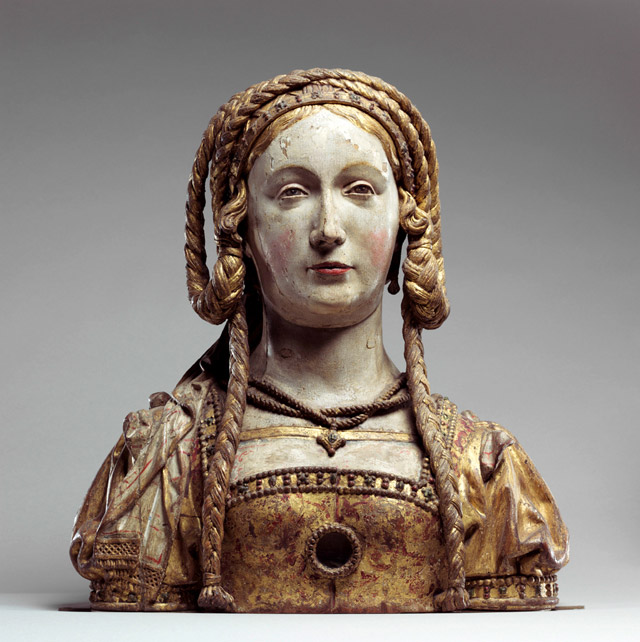
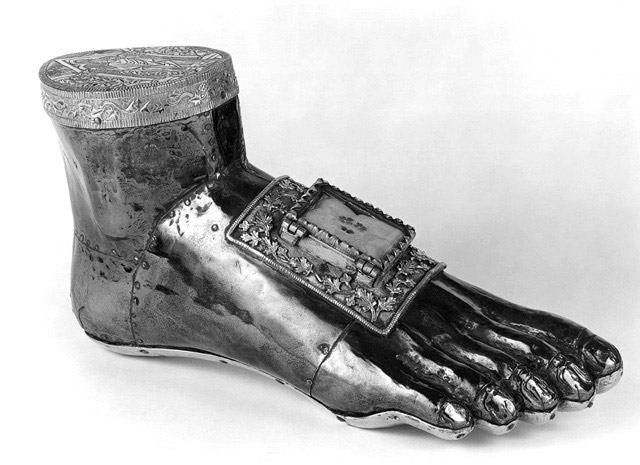
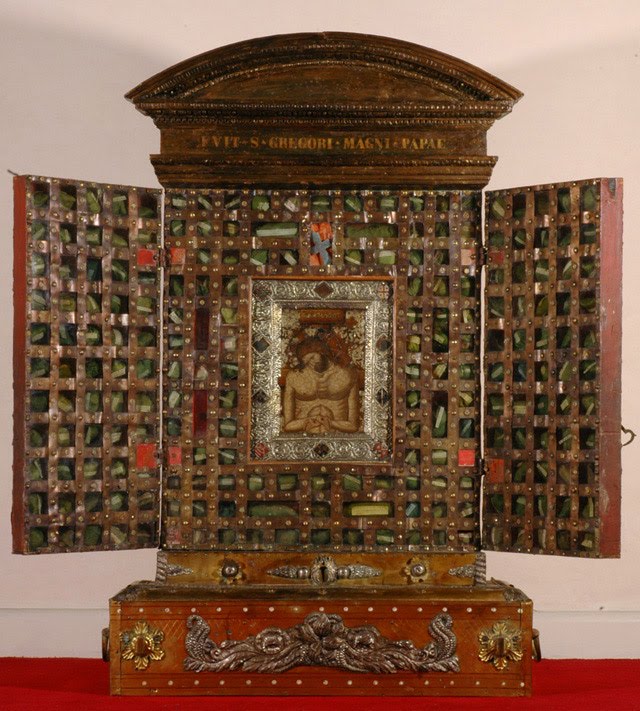
This just in: On view until May 15th of this year at the Walters Art Museum in Baltimore, a new exhibition of relics and reliquaries entitled "Treasures of Heaven: Saints, Relics and Devotion in Medieval Europe."

To get a sense of the kinds of treasures that await, check out the Treasures of Heaven "Digital Monograph" (from which these images were drawn) by clicking here.

Press release for the exhibition follows:

Treasures of Heaven: Saints, Relics and Devotion in Medieval Europe
Feb. 13, 2011 - May 15th, 2011
Walters Art Museum, Baltimore, Maryland

First major U.S. exhibition of Christian relics and reliquaries co-organized by the Walters, the Cleveland Museum of Art and the British Museum

Baltimore—The Walters Art Museum will host an exhibition offering visitors a glimpse into the Middle Ages, a time when art mediated between heaven and earth and wondrous objects of gold, silver and precious gems filled churches and monastic treasuries. Relics, the physical remains of holy people and objects associated with these individuals, play a central role in a number of religions and cultures and were especially important to the development of Christianity as it emerged in the Late Roman world as a powerful new religion. On view at the Walters Feb. 13–May 15, 2011, Treasures of Heaven: Saints, Relics and Devotion in Medieval Europe is the first exhibition in the United States to focus on the history of relics and reliquaries—the special containers to display the holy remains of Christian saints and martyrs. The exhibition is organized by the Walters Art Museum in partnership with the Cleveland Museum of Art and the British Museum.

Reliquaries proclaimed the special status of their sacred contents to worshipers and pilgrims, and for this reason, were often objects of artistic innovation, expressions of civic and religious identity, and focal points of ritual action. This exhibition will feature 133 metalworks, sculptures, paintings and illuminated manuscripts from Late Antiquity through the Reformation and beyond. It will explore the emergence and transformation of several key types of reliquary, moving from an age in which saintly remains were enshrined within closed containers to an era in which relics were increasingly presented directly to worshipers.

Many of the reliquaries in the exhibition have never before been seen outside of their home countries. Objects are drawn from celebrated public and private collections in the U.S. and Europe, and also from important church treasuries. In addition to the three organizing museums, world-renowned institutions, including the Louvre, the Metropolitan Museum of Art, the Art Institute of Chicago and the National Gallery of Art, are lending works to the exhibition. Nine works are traveling from the Vatican collections, including three reliquaries that were once housed in the Sancta Sanctorum, or Holy of Holies, the private relic chapel of the Pope.

Visitors will witness the transformation of reliquaries from simple containers for the earthly remains of Christian holy men and women to lavishly decorated objects of personal and communal devotion.

"As early as the second century AD, the relics of Christian saints—including their bones, ashes and other bodily remains—were thought to be more valuable than the most precious gemstones. They were believed to be a conduit for the power of the saints and to provide a direct link between the living faithful and God," said Martina Bagnoli, Robert and Nancy Hall associate curator of medieval art and exhibition co-curator. "These remains were treated with reverence and often enshrined in containers that used luxurious and precious materials to proclaim the relics' importance."

The medieval devotion to relics gave birth to new forms of architecture and prompted significant developments in the visual arts. The reliquaries showcased in Treasures of Heaven provide evidence of religious objects traveling across tremendous distances and of people making pilgrimages across the Mediterranean to walk in the footsteps of important figures from sacred history. Powerful in inspiring religious devotion among believers, reliquaries became cutting-edge works of art that combined innovative techniques with beautiful design.

"Those who come to the exhibition thinking that the Middle Ages are only a period of darkness will be surprised," said Martina Bagnoli.

Highlights of Treasures of Heaven include:

  • Reliquary Bust of St. Baudime, c. 1180-1200,Parish Church of Saint-Nectaire, Puy-le-Dôme
  • This nearly life-sized bust is one of the earliest surviving objects of its kind and travels outside of France for the first time.
  • Portable Altar of Countess Gertrude, c. 1045, Cleveland Museum of Art
  • This work is from the Guelph Treasure, one of the most important church treasuries to have survived from medieval Germany.
  • Head Reliquary of St. Eustace, c. 1200, British Museum
  • This head-shaped reliquary contained fragments of the skull of the Roman military leader Saint Eustace...

You can find out more about the exhibition here, and more about the topic of relics and reliquaries on the Treasures of Heaven "Digital Monograph" by clicking here. You can purchase the exhibition catalog by clicking here.

All images from the Treasures of Heaven "Digital Monograph;" you can find out more about them the images, and peruse the website, by clicking here. It was unclear how many of these are in the physical exhibition.