NeurologyLive Year in Review 2023: Top Stories in Movement Disorders – Neurology Live

The NeurologyLive staff was hard at work in 2023, covering clinical news and data readouts from all over the United States and the world, across a number of key neurology subspecialty areas. From major study data and FDA decisions to medical society conference sessions and expert conversations, the team spent all year bringing the latest news and updates to the website's front page.

Among our key focus areas is movement disorders, which include a number of complex diseases that have benefitted greatly from recent advances in medical care and therapeutic development. Although major news itemssuch as first-time approvals or new guidelinesoften appear among the top pieces our team produces, sometimes smaller stories reach those heights for other reasons, such as clinical impact and interest, or concerns about other facets of care, for example. Whatever the reason for the attention these stories got, their place here helps provide an understanding of the themes in this field.

Here, we'll highlight some of the most-read content on NeurologyLive this year. Click the buttons to read further into these stories.

Exploratory findings from a phase 3 randomized, controlled trial (NCT03329508) assessing P2B001 (Pharma Two B), a low dose combination of extended-release pramipexole and rasagiline, in Parkinson disease (PD) showed efficacy that was comparable to extended-release pramipexole (Prami-ER) alone, but with reduced sleep-related and dopaminergic adverse events (AEs). Pharma Two B planned to submit a new drug application for P2B001 to the FDA in 2023.

Newly announced findings from a triple-blinded, randomized controlled trial showed that treatment with SYMBYX Neuro infrared light therapy helmet significantly improved symptoms of Parkinson disease (PD) in areas of facial expression, upper and lower limb coordination and movement, walking gait, and tremor. Using the standardized Movement Disorder Society Unified Parkinsons Disease Rating Scale-III (UPDRS-III), compared with the placebo group, those on the light therapy improved 24% to 58% over baseline across all 5 areas tested, unlike the placebo group, which demonstrated statistically valid improvement in lower limb coordination and movement only.

After showing positive results in a phase 3 clinical program, the FDA has accepted Revance Therapeutics supplemental new biologics license application (sBLA) for daxibotulinumtoxinA injection (Daxxify), as a new treatment for adults with cervical dystonia. The agency ultimately approved the therapy on August 15, 2023. DaxibotulinumtoxinA is an acetylcholine release inhibitor and neuromuscular blocking agent indicated for the temporary improvement of moderate to severe glabellar lines associated with corrugator and/or procerus muscle activity in adults. To date, the therapy has shown promising results in 2 phase 3 studies of cervical dystonia, ASPEN-1 (NCT03608397) and ASPEN-OLS (NCT03617367).

Despite years of use of gold-standard therapy levodopa, therapeutic development in Parkinson disease has advanced rapidly and expanded to numerous novel pathways and targets. MedStar Georgetown's team of Katelynn Getchell; Gonul Ozay, MD; Brian Nagle, MD; Irma Zhang, MD; Luke Lovelace; Emma Waldon, RN; Yasar Torres-Yaghi, MD; and Fernando L. Pagn, MD explore this in depth.

Topline data from the Synuclein-One Study of CND Life Sciences Syn-One Test, an -synuclein skin biopsy test used for the detection of the pathology in Parkinson disease (PD), dementia with Lewy bodies (DLB), multiple system atrophy (MSA), and pure autonomic failure (PAF), suggest that the test is sensitive and specific in said detection of phosphorylated -synuclein. As misdiagnosis remains a consistent challenge in neurodegenerative disorderssome estimates suggest a misdiagnosis rate of 30%this represents an opportunity to address this clinical obstacle.

Using prospective cohort studies of community-dwelling elders followed up to 20 years, findings published in Neurology identified specific cognitive and functional declines in patients who developed incident Parkinson disease (PD). There were important sex differences as well, as men with incident PD had a steeper decline in executive function compared with women, but only women with incident PD exhibited detectably faster prediagnostic decline in global cognition.

BIAL R&D announced the dosing of the first patient in its phase 2 clinical trial, ACTIVATE (NCT05819359), to investigate BIA 28-6156, an allosteric activator of the enzyme beta-glucocerebrosidase (GCase), as a treatment of patients with genetically-mutated Parkinson disease (PD). The trial, which includes those with a mutation in the glucocerebrosidase 1 (GBA1) gene (GBA-PD), otherwise the most common genetic risk factor of the disease, is screening patients across sites in North America and with a Europe-based trial planned to initiate in the third quarter of 2023.

Biogen and Denali have announced that they are discontinuing a portion of the clinical development program for BIIB122 (also known as DNL151), an investigational small molecule inhibitor of LRRK2 in development for the treatment of Parkinson disease (PD). As a result of this decision, the phase 3 LIGHTHOUSE study (NCT05418673), which was initiated in September 2022, will be terminated.

New data from a first-in-human phase 1 study (NCT04802733) assessing bemdaneprocel (BlueRock Therapeutics/Bayer), an investigational cell therapy, showed that the agent met its primary objective of safety, with encouraging results on other measures of motor and nonmotor outcomes. Based on these results, the companies are planning for a phase 2 trial that is expected to begin enrolling patients in the first half of 2024.

The FDA has issued a complete response letter (CRL) to Amneal Pharmaceuticals for IPX203, an oral formulation of carbidopa/levodopa (CD/LD) extended-release capsules designed for the treatment of Parkinson disease. The reasons behind the decision were not based on efficacy or manufacturing for the agent, but rather established safety for an ingredient of the therapy. Amneal plans to work closely with the FDA to address the comments and align on the best path forward.

Read more from the original source:
NeurologyLive Year in Review 2023: Top Stories in Movement Disorders - Neurology Live

Well-regarded Johnson County pediatric neurologist charged with … – KSHB 41 Kansas City News

KANSAS CITY, Mo. Dr. Brian Aalbers, DO, a pediatric neurology specialist, is charged in federal court complaint with one count of attempted production of child pornography.

Court documents stated that Oct. 23, 2023, Kansas City, Missouri, police officers were sent to meet a reporting party who said he located hidden video cameras. The location of where the officers were sent and other details were blacked out in a court document.

Aalbers arrived at the scene, but did not provide a statement, according to the court document.

The person who reported the hidden video cameras contacted KCMO police about text messages he received from Aalbers.

Officers found Aalbers in a Lenexa hotel and took him to Advent Health for voluntary treatment, the document states.

The hospital security staff took a backpack from Aalbers that contained laptop computers, iPad tablets and a cell phone.

Aalbers did not have access to the devices while in the facility and asked a friend to get his backpack.

According to the court document, Aalbers asked that person to destroy the devices because there was "bad stuff" on them.

In November, a forensic examiner told investigators there over 20,000 videos found on a MacBook Pro.

The videos were from December 2020 to October 2023.

In addition, the forensic examiner "noted that approximately 10-12 additional minor victims were captured in the video recordings."

Aalbers is back in court for preliminary and detention hearings on Nov. 21 in federal court in KCMO.

See more here:
Well-regarded Johnson County pediatric neurologist charged with ... - KSHB 41 Kansas City News

NeurologyLive Year in Review 2023: Top Stories in Epilepsy and Seizure Disorders – Neurology Live

In 2023, the NeurologyLive staff was a busy bunch, covering clinical news and data readouts from around the world across a number of key neurology subspecialty areas. From major study publications and FDA decisions to societal conference sessions and expert interviews, the team spent all year bringing the latest information to the website's front page.

Among our key focus areas is epilepsy and related seizure disorders, a field that features complex diseases that are often medically refractory and difficult to manage. Although major news items often appear among the top pieces our team produces, sometimes smaller stories reach those heights for other reasonsclinical impact and interest, or concerns about the small- or big-picture parts of care, for example. Whatever the reason for the attention these stories got, their place here helps provide an understanding of the themes in this field in 2023.

Here, we'll highlight some of the most-read content on NeurologyLive this year. Click the buttons to read further into these stories.

Findings from a comparative effectiveness research study showed that use of levetiracetam and lamotrigine as first-line treatments have similar efficacy on idiopathic generalized epilepsy (IGE) syndromes in females; however, levetiracetam was more effective in treating juvenile myoclonic epilepsy. Further studies are still needed to identify the most effective antiseizure medication alternative in other IGE syndromes.

The FDA has issued a warning for the use of antiseizure medicines levetiracetam (Keppra, Keppra XR, Elepsia XR, Spritam) and clobazam (Onfi, Sympazan), which can cause drug reaction with eosinophilia and systemic symptoms, known as DRESS, arare but serious adverse effect. The reaction may start as a rash but can quickly progress, resulting in injury to internal organs, the need for hospitalization, and even death. As a result, the FDA is requiring new warnings about this risk to be added to theprescribing informationand patientmedication guidesfor these medicines.

According to an announcement from Cumulus Neuroscience, the FDA has granted clearance to its novel, dry-sensor EEG headset, a user-friendly device that enables self-directed use and generates clinical-grade data for remote physician review. The Cumulus EEG device, designed for both adult and adolescent patients, is available in 4 sizes, and is easily self-applied with guidance from the Cumulus mobile app. The platform combines clinical-grade, at-home data with machine learning analytics and a large real-world database of annotated, longitudinal, matched data.

Using a large-scale cohort of electronic health records, recently published findings identified robust and clinically meaningful independent associations between incident epilepsy and both epilepsy/enzyme-inducing antiseizure medication use with incident osteoporosis. These data highlight the need for enhanced vigilance and consideration of prophylaxis for all patients with epilepsy.

At the 35th International Epilepsy Congress, held September 2-6, 2023, in Dublin, Ireland, UCB Pharma presented several posters showcasing the clinical benefits of fenfluramine (Fintepla) across multiple forms of epilepsy, including rare epileptic disorders such as Dravet syndrome (DS), Lennox-Gastaut syndrome (LGS), and CDKL5 deficiency disorder. The first presentation was a review of 13 studies assessing the impact of the therapy on generalized tonic-clonic or tonic-clonic seizures in a cohort of rare epilepsy syndromes; another abstract assessed the safety and efficacy of adult patients with DS who did not participate in the phase 3 clinical trials but enrolled in the open-label extension study de novo; and a comparative analysis of clinical trial data further highlighted fenfluramines impact on drop seizure frequency (DSF) in dose-capped patients with LGS.

Cornelia Drees, MD, senior associate consultant in the Department of Neurology at Mayo Clinic, provided insight on an early feasibility study on the clinical impact of microburst vagus nerve stimulation in patients with drug-resistant epilepsy, presented at the 2023 American Academy of Neurology (AAN) Annual Meeting, held April 22-27, in Boston, Massachusetts.

A post hoc analysis newly published in Epilepsy & Behavior on the phase 3 open-label extension (OLE) study (NCT01529034) assessing midazolam (Nayzilam; UCB), an FDA-approved nasal spray, showed that 90 minutes was the estimated median time to return to full baseline functionality (RTFBF) regardless of treatment with 1 or 2 doses among patients who experienced seizure clusters (SCs). These findings suggest that the dose of midazolam did not influence the time to RTFBF in SC episodes and further support the favorable profile of repeated intermittent use of midazolam in patients with SCs.

Using data from spontaneous and solicited reports, findings from a new analysis showed that lacosamide (Vimpat; UCB Pharma), an antiseizure medication, was safe to use during pregnancy, with most exposed pregnancies resulting in live births. Lacosamide, listed as a Pregnancy Category C medication, had no new safety concerns associated with its use in data presented at the 2023 American Epilepsy Society (AES) annual meeting, held December 1-5, in Orlando, Florida.

Data from a published retrospective analysis of adolescents and children presenting with seizures showed that midazolam is not an effective first-line therapy in prehospital settings, indicated by the nearly 40% of patients who required rescue therapy. Published in JAMA Network, the study featured 1172 children with a mean age of 5.7 years for whom a mobile intensive care unit was dispatched for an active seizure.

New post hoc data from a recently completed phase 3 trial (NCT02721069) assessing diazepam nasal spray (Valtoco; Neurelis), an FDA-approved antiseizure medication (ASM), indicated that faster time to administration was associated with shorter time to seizure cluster cessation and overall shorter seizure duration. Over 12 months, investigators also noticed a statistically significant change in SEIzure interVAL, or the time between seizure clusters, that was independent of the age of changes with concomitant ASMs.

Read more here:
NeurologyLive Year in Review 2023: Top Stories in Epilepsy and Seizure Disorders - Neurology Live

NeurologyLive Year in Review 2023: Most Watched Interviews in Sleep Disorders – Neurology Live

In 2023, the NeurologyLive team spoke with hundreds of people and posted hundreds of hours of interview clips. The staff spoke with neurologists, investigators, advanced practice providers, physical therapists, advocates, patients, pharmacists, and industry expertsanyone involved in the process of delivering clinical care.

These conversations were had with individuals from all over the world, both virtually and in person. The team attended more than a dozen annual meetings of medical societies, each time sitting down with experts on-site to learn more about the conversations driving care and the challenges being overcome.

From those in the field of sleep medicine, we learned much this year: recent updates to restless legs syndrome care; the challenges in managing narcolepsy's secondary symptoms; CPAP's effects in other neurologic disorders; heart health associations with sleep; and more.

Here, we'll highlight the most-viewed expert interviews on NeurologyLive this year. Click the buttons to watch more of our conversations with these experts.

The chief of the Sleep Disorders Clinical Research Program at Massachusetts General Hospital provided insight on new updates to the management of restless legs syndrome, including removing dopamine agonists as first line treatments.

WATCH TIME: 8 minutes

"Dopamine agonists are not first line treatments. The reason for that is theres substantial evidence that dopamine agonists when used for restless legs syndrome are associated with an augmentation of symptoms, a worsening of the underlying disorder."

The pediatric neurologist and sleep medicine specialist at Geisinger Medical Center provided commentary on the current unmet needs for patients with narcolepsy, including improvements in treatment options.

WATCH TIME: 3 minutes

"The reality is the disease is characterized, at a minimum, by a pentad of symptoms, which is excessive daytime sleepiness, cataplexy, sleep-related hallucinations, sleep paralysis, and disturbed nocturnal sleep.

The associate professor in the department of neurology and neurosurgery at McGill University discussed results from a study on the long-term use of continuous positive airway pressure treatment among patients with multiple sclerosis and sleep apnea presented at MSMilan 2023.

WATCH TIME: 5 minutes

"Our study indicates that CPAP treatment in patients with MS and sleep apnea is associated with a reduction in fatigue and an improvement in physical quality of life, offering potential benefits for long-term symptom management. Clinicians should consider exploring sleep apnea as a factor contributing to fatigue and poor sleep quality in patients with MS, as adequate treatment may lead to noticeable symptom improvement."

The medical director of SleepMed in South Carolina discussed the need for more overall awareness of poor sleep and the risk factors associated with worsened heart health.

WATCH TIME: 3 minutes

"Its critical to get the word out. We need to understand whats happening biologically, in terms of sleep homeostasis, sleep wake processor, and how thats controlled. What are the set points of heart rate and blood pressure? How are they modified? [We need to] Get the message out."

The cofounder and chief product development officer of Zevra Therapeutics talked about the phase 1 clinical trial of KP1077 for narcolepsy and potentially using it to treat other conditions..

WATCH TIME: 5 minutes

The biggest thing with this study is it is will help us inform study designs for future research. We are looking for the appropriate dosing regimen [of KP1077] and what will work best for patients with narcolepsy.

The senior vice president of medical and clinical affairs for Avadel Pharmaceuticals provided commentary on recently published research supporting once-nightly sodium oxybate (Lumryz) in narcolepsy regardless of the subtype.

WATCH TIME: 5 minutes

"Ensuring that clinicians are having conversations with patients with narcolepsy routinely, and asking about the more subtle presentation of cataplexy, is important. Many patients have their diagnosis changed from NT2 to NT1."

The associate professor, department of medicine, division of neurology, Institute of Medical Science, University of Toronto, talked about the importance of establishing normal values for sleep studies, particularly the multiple sleep latency test, to help with effectively diagnosing sleep disorders.

WATCH TIME: 5 minutes

The purpose of this study was to perform a larger and pretty comprehensive meta-analysis on the mean sleep latency derived from the MSLT (Multiple Sleep Latency Test). We also wanted to look at the impact of things like age, sex, body mass index, other sleep metrics. In addition, we wanted to investigate different methodological variables, such as sleep onset definitions, and sleep study features, as well other markers preceding the sleep study and see if that did affect the mean sleep latency on the MSLT that was performed.

The duo from Indiana University School of Medicine discussed the ongoing research initiatives to better understand sleep disorders among pediatrics, and ways to improve approaches like cognitive behavioral therapy.

WATCH TIME: 4 minutes

"There is a tendency in medicine and in society to focus on the need to eliminate screens and/or to assume that screens are causing the insomnia. This can be very minimizing to kids with insomnia because it implies that theres a simple solution and that a lifestyle factor is causing the insomnia."

The professor of neurology at UMass Chan School of Medicine discussed the various impacts Daylight Savings Time has on sleep quality and overall health in children and adolescents.

WATCH TIME: 3 minutes

"But what a lot of people don't realize is the long-term effects during the 8-month period on Daylight Saving Time. We may blame it on other things, but what we know is that those hour later sunrises and sunsets are associated with about a 10% increase rate of cancer, at least a 10% increase risk of obesity, and increased risk of heart disease."

The sleep epidemiologist and assistant professor at the Rollins School of Public Health at Emory University discussed the multi-level effort needed to improve sleep issues seen in individuals most impacted by social determinants of health.

WATCH TIME: 3 minutes

"The other piece is, how can we modify some of our recommendations to fit disadvantaged communities. For example, we say to sleep in a dark, quiet room, but we know that everyone cant do that because of safety issues. Adjusting the recommendation to say, put a light on in a hallway or somewhere else in the house."

Visit link:
NeurologyLive Year in Review 2023: Most Watched Interviews in Sleep Disorders - Neurology Live

NYU Langone Health in the NewsMonday, November 20, 2023 – NYU Langone Health

A Type of Belly Fat May Be Linked to Increased Risk of Developing Alzheimers NBC News November 20 -Joel Salinas, MD, MBA, clinical assistant professor, Department of Neurology, the Pearl I. Barlow Center for Memory Evaluation and Treatment

Avoid Flus, Colds, More This Holiday Season with These Health Tips TODAY Show November 17 -Natalie E. Azar, MD, clinical associate professor, Department of Medicine, Division of Rheumatology

Can You Eat Enough at Thanksgiving to Make Your Stomach Explode? Technically, Yes New York Post November 17 -Sophie M. Balzora, MD, clinical professor, Department of Medicine, Division of Gastroenterology and Inflammatory Bowel Disease

Diabetic Eye Disease Treatment Methods WBNG-TV November 17 -Yasha S. Modi, MD, associate professor, Department of Ophthalmology

Nobodys Talking About This Hidden Threat in Generative AI Fast Company November 17 -NYU Langone Health

How Much Does Medical School Cost and Can I Afford It? Business Insider November 17 -NYU Langone Health

Philips Inks Multi-Year Health Technology Deal with NYU Langone Health Mass Device November 17 -Nader Mherabi, executive vice president, vice dean, and chief digital and information officer

Surgeons That Dont Fit the Culture Can Increase Diversity in Spine, Orthopedic Care Beckers Spine Review November 17 -Qusai Hammouri, MD, clinical assistant professor, Department of Orthopedic Surgery

Inside a Long COVID Clinics Fight to Meet Crushing Patient Needs (Free log-in required.) Medscape November 17 -Jonathan H. Whiteson, MD, associate professor, Departments of Rehabilitation Medicine, and Medicine, the Leon H. Charney Division of Cardiology, vice chair, Rusk Rehabilitation Clinical Operations

Genetic Information May Predict Recurrence in Lung Cancer Cure Today November 17 -Igor Dolgalev, PhD, assistant professor, Department of Medicine

Surgeons at NYU Langone Perform First-Ever Eye and Partial-Face Transplant Washington Square News November 17 -Eduardo D. Rodriguez, MD, DDS, the Helen L. Kimmel Professor of Reconstructive Plastic Surgery, chair, the Hansjrg Wyss Department of Plastic Surgery -Vaidehi S. Dedania, MD, associate professor, Department of Ophthalmology -Steven L. Galetta, MD, the Philip K. Moskowitz, MD Professor and Chair of Neurology, Department of Neurology, professor, Department of Ophthalmology

Man Receives the First Eye Transplant Plus a New Face. Its a Step Toward One Day Restoring Sight Cherokee Phoenix November 17 -Eduardo D. Rodriguez, MD, DDS, the Helen L. Kimmel Professor of Reconstructive Plastic Surgery, chair, the Hansjrg Wyss Department of Plastic Surgery -Vaidehi S. Dedania, MD, associate professor, Department of Ophthalmology -Steven L. Galetta, MD, the Philip K. Moskowitz, MD Professor and Chair of Neurology, Department of Neurology, professor, Department of Ophthalmology

The Main Symptoms of Mold Exposure, According to Doctors Mens Health November 17 -Lorna E. Thorpe, PhD, MPH, professor, Department of Population Health

Sharon Osbourne Reveals She Weighs Less Than 100 lbs. After Ozempic. Why Dropping Too Much Weight Is a Legitimate Concern. Yahoo! Life November 17 -Priya Jaisinghani, MD, clinical assistant professor, Department of Medicine, Division of Endocrinology, Diabetes, & Metabolism

Cancer Deaths Among Kids and Teens Fell 24% Over Past Two Decades, CDC Reports: Better Treatments FOX News November 19 -Marc K. Siegel, MD, clinical professor, Department of Medicine, Division of General Internal Medicine

At Least 20 Potentially Infectious Agents in Illegal Underground Lab, According to CDC FOX News November 17 -Marc K. Siegel, MD, clinical professor, Department of Medicine, Division of General Internal Medicine

Sam Altman Sought Funding for New AI Ventures Before OpenAI Ouster: Report FOX News November 19 -Marc K. Siegel, MD, clinical professor, Department of Medicine, Division of General Internal Medicine

See the rest here:
NYU Langone Health in the NewsMonday, November 20, 2023 - NYU Langone Health

Acoustic Stimulation Reduces Postconcussive Symptoms – HealthDay

WEDNESDAY, Nov. 22, 2023 (HealthDay News) -- Ten hours of acoustic stimulation improves postconcussive symptoms, but linking tones to brain electrical activity does not reduce symptoms more than random tones, according to a study published online Nov. 22 in the Annals of Clinical and Translational Neurology.

Wesley R. Cole, Ph.D., from the University of North Carolina in Chapel Hill, and colleagues randomly assigned 106 military service members, veterans, or their spouses with persistent symptoms (Neurobehavioral Symptom Inventory [NSI] Score 23) after mild traumatic brain injury three months to 10 years ago to receive 10 sessions of engineered tones linked to brainwaves (LB; intervention) or random engineered tones not linked to brainwaves (NL; sham control).

The researchers observed a reduction in NSI from 41.0 at baseline to 27.2 after, among all study participants, with gains largely sustained at three and six months (31.2 and 28.4, respectively). No significant differences were seen between the LB and NL groups. Patterns were similar for the posttraumatic stress disorder checklist for the Diagnostic and Statistical Manual of Mental Disorders fifth edition and for depression symptom severity. No difference was seen in heart rate variability between the groups.

"The results of this study do not suggest that in a primarily active duty group with postconcussive symptoms, listening to acoustic stimulation based on one's own brain electrical activity reduces symptoms, or improves brain function or heart rate variability, more than randomly generated, computer engineered acoustic stimulation," the authors write.

One author disclosed being employed by Brain State Technologies.

Abstract/Full Text

Here is the original post:
Acoustic Stimulation Reduces Postconcussive Symptoms - HealthDay

Deep Brain Stimulation for Freezing of Gait in Parkinson’s Disease … – University of Miami

By: Lisette Hilton | November 21, 2023 | 5 min. read| Share

University of Miami Miller School of Medicine researchers have developed a protocol to reach the gait-promoting center of the brain for patients with this type of walking difficulty.

Doris Gamelin was years into her Parkinsons disease diagnosis when she began to experience a strange symptom.

Id be walking and everything would be OK. Then Id come to a door frame or a change in flooring, like from a wooden to a tile floor, and I would freeze, Gamelin said. I couldnt walk. And Id fall. It happened quite frequently.

Gamelin broke her hip, arm and chipped a tooth because of those falls.

The 76-year-old said she was desperate for answers. She found them at the University of Miami School of Medicine, where researchers are pioneering a new use of deep brain stimulation to relieve Parkinsons patients of this debilitating symptom.

Gamelins symptoms, called freezing of gait, occur in some with Parkinsons, according to Corneliu Luca, M.D., Ph.D., associate professor of clinicalneurology, co-director of the Movement Disorders Fellowship, and director of the Deep Brain StimulationProgram at the Miller School.

Its the inability to initiate walking. Your feet get stuck to the ground and when they try to make a step, they cant, Dr. Luca said. This is very difficult to treat and many in neurology dont know what to do about it.

But laboratory research by Brian R. Noga, Ph.D., research professor at the Miller Schools Miami Project to Cure Paralysis, suggested deep brain stimulation had a place in treating patients like Gamelin. Dr. Noga and colleagues found that they could use deep brain stimulation to target the gait-promoting center in the mid-brain to improve their ability to walk.

Jonathan R. Jagid, M.D., professor of clinical neurological surgery, neurology, orthopedics and rehabilitation at the University of Miami Health System, The Miami Project and UM/Jackson Memorial Hospital, has since helped to develop an algorithm to reach that specific part of the brain in humans. He also has performed deep brain stimulation for freezing of gait in three people, including Gamelin.

Gamelin said the surgery, from which she went home the next day, gave her many months of walking free of the dangerous freezes. And she didnt fall. Gamelins Parkinsons has deteriorated in other ways in the last few months, but she said she doesnt regret having the surgery.

Before the surgery, they had me walk around a circle and it took me 22 steps. After surgery it took me five steps, Gamelin said. Done by experienced surgeons like those at the University of Miami, the surgery does what its supposed to do.

Dr. Jagid said he believes the Miller School is one of the few facilities in the U.S. targeting this area of the brain stem with deep brain stimulation, using a directional lead.

Other attempts have not used new technology, Dr. Jagid said. Directional leads steer currents, which gives an advantage when targeting this area of the brain stem.

Results, according to Dr. Luca, have been spectacular.

People who have an inability to walk, as soon as you turn on the electricity you are able to make steps, turn around, etc., Dr. Luca said.

Freezing of gait is a unique symptom complex of Parkinsons. A subset of patients who have dopamine-resistant freezing of gait.

That means that their Parkinsons medication helps with a lot of the symptoms, but it does not help with their significant and profound freezing of gait, Dr. Jagid said. Before this, you really couldnt do much for dopamine-resistant freezing of gait because the commonly used medication for Parkinsons was not working for that particular symptom in that particular subset of patients.

Deep brain stimulation has long been used to address other types of debilitating neurological symptoms, from tremors to slow movement and stiffness.

The standard approach to deep brain stimulation, however, will not help freezing of gait.

The difficulty with this particular area of the brain stem is that the target that were trying to put this electrode into is not visible on imaging. We at the university have developed a protocol that allows us to try and hone in on where this small nucleus is in the brain stem, Dr. Jagid said. The way we do it is by using fiber tracking to get a particular type of image that allows us to see and target some of the deep circuitry of the brain.

Dr. Jagid said he and Dr. Luca continue to accrue patients who are candidates for the surgery to better determine consistency of results and the procedures safety.

If the safety record is proven and we see a few more patients with the same kind of results, the next step would be to submit grants for funding and then potentially carry this onto a larger study, Dr. Jagid said.

While standard deep brain stimulation has about 25 years of safety and effectiveness data and is FDA-approved, there is still much to learn about this specific approach and indication.

We are following these patients over time. We dont have long-term data but, so far, the results are lasting. That is the hope that its more than a temporary solution, Dr. Luca said.

Tags: Deep Brain Stimulation Program, Department of Neurology, Dr. Corneliu Luca, Dr. Jonathan Jagid, Miami Project to Cure Paralysis, Parkinson's disease

Follow this link:
Deep Brain Stimulation for Freezing of Gait in Parkinson's Disease ... - University of Miami

Study Reveals Association Between Amygdala Region and … – Neurology Live

Newly published in the journal of JCI insight, findings from a study showed that stimulation in a specific area of the amygdala brain region produced a persistent loss of breathing that continued following the end of a seizure among patients with epilepsy.1 These findings provide new insights into the mechanisms that underlie the probable cause of sudden unexpected death in epilepsy (SUDEP) which may help uncover preventative treatments and identify those most at risk of it.2

In the study, investigators observed that seizures that originated in the amygdala caused postictal apnea and identified a distinct region in the amygdala where electrical stimulation was sufficient to reproduce prolonged breathing loss continuing well after stimulation. Among 20 participants, 5 patients developed postictal apnea following the stimulation of the amygdala region. According to the authors, this suggested that some individuals with uncontrolled seizures may be more prone to the condition than other patients with epilepsy.1

"The importance of our latest work is immense. As you may know, the majority of SUDEP cases are due to loss of breathing that occurs after a seizure ends (postictally)," senior author Brian Dlouhy, MD, associate professor of neurosurgery and pediatrics at the University of Iowa, told NeurologyLive. We have now identified a focal site in the amygdala that not only causes ictal apnea but also persistent and prolonged postictal apnea following amygdala seizures. We also identify novel connections between this site and the brainstem critical for chemosensation using novel intraoperative experiments and electrical stimulation concurrent with blood-oxygen-level-dependent (BOLD) functional MRI (fMRI)."

READ MORE: Intermittent Use of Midazolam Shows Continued Favorable Profile in Seizure Clusters

Investigators enrolled 12 adults and 8 children with epilepsy that could not be managed with medications, and who also were undergoing intracranial electroencephalography (iEEG) to control their seizures. Seizures were induced in the participants by the researchers using direct electrical stimulation under medical supervision to assess forebrain control of breathing and apnea. The authors then used a technique combining electrical stimulation with fMRI to recognize any connections between the amygdala site and the brainstem region that could be critical for sensing changes in blood CO2 levels and breathing control.

These new findings are a critical step in developing our understanding of what causes SUDEP and in the development of ways in which to identify those individuals at highest risk and ways to prevent SUDEP, Vicky Whittemore, PhD, program director at the National Institute of Neurological Disorders and Stroke, part of the National Institutes of Health, which contributed funding for the study, said in a statement.2

In the patients who experienced postictal apnea with the stimulation, the persistent apnea was resistant to rising CO2 levels and air hunger failed to occur. Based on this finding, the authors suggested that postictal apnea impaired CO2 chemosensitivity among the patients. Additionally, investigators observed that amygdala stimulation altered BOLD activity in the pons and medulla and in the ventral insula when combining electrical stimulation with functional MRI. Overall, the authors noted that additional research is required to confirm these results on the role of the amygdala in breathing suppression and its involvement in SUDEP.3

"We have identified a focal site in the amygdala that is critical for postictal apnea and possibly SUDEP. We may be able to identify patients at highest risk of SUDEP and we may now have a potential therapeutic target to prevent SUDEP," Dlouhy, also a member of the Iowa Neuroscience Institute, told. "With this work along with some upcoming and potentially groundbreaking discoveries we will be submitting soon for publication, we believe we are at the precipice for understanding amygdala's role in all of breathing, SUDEP, and interoception/fear/anxiety, and possibly a future clinical trialfor SUDEP in epilepsy patients at the highest risk of SUDEP."

Read more:
Study Reveals Association Between Amygdala Region and ... - Neurology Live

Brain Plaques Point to Who’ll Need Alzheimer’s Treatment Most – HealthDay

TUESDAY, Dec. 26, 2023 (HealthDay News) -- Are you necessarily at higher risk of Alzheimer's disease just because you're 80, and not 75? New research shows it's more complex than that.

The findings suggest that it's the pace of buildup in the brain of Alzheimer's-linked amyloid protein plaques that matters most, not age.

Our findings are consistent with studies showing that the amyloid accumulation in the brain takes decades to develop," said study lead author Dr. Oscar Lopez, a professor of neurology at the University of Pittsburgh.

His team's findings were published Dec. 22 in the journal Neurology.

Neuroscientists have long known that the slow but steady accumulation of amyloid-beta protein plaques within brain tissue is a hallmark of Alzheimer's disease, although whether it actually causes the illness is still debated.

Rates of dementia do rise with advancing age, but is age alone the key factor?

To find out, Lopez' team examined amyloid buildup in the brains of 94 people who were 85 at the time they enrolled in the study. All were tracked for 11 years or until they died, and all received two PET scans of their brains during that time.

The researchers compared levels of amyloid buildup seen in those scans to those seen in scans from a younger group of patients (in their 60s) observed in a prior Australian trial.

As expected, amyloid plaque buildup rose over time, regardless of how much of the protein had infiltrated a participant's brain at the time they joined the Pittsburgh study.

Plaques seemed to accumulate faster among people in their 80s, however, compared to people in their late 60s', Lopez' team reported.

None of the elderly people in Lopez' trial who developed dementia were without some plaque buildup in their brains, confirming its key role in the disease.

Most importantly, when brain plaque buildup began seemed key to how soon dementia set in.

For example, people who were already displaying amyloid buildup in their PET scans at age 80 (when they enrolled in the study) developed dementia two years earlier than folks without such early buildup, the Pittsburgh team found.

Finally, the long-term links between amyloid beta buildup and other brain health indicators was more strongly linked to dementia than just the short-term growth of plaque on its own, Lopez' group added.

That's consistent with other studies, which found that amyloid buildup "takes decades to develop, and occurs in the context of other brain pathologies," Lopez said in a university news release.

Lopez, who also directs Pitts Alzheimer's Disease Research Center, said that "understanding of the timing of the presence of these pathologies will be critical for the implementation of future primary prevention therapies.

More information

Find out more about Alzheimer's disease and the brain at the Alzheimer's Association.

SOURCE: University of Pittsburgh, news release, Dec. 22, 2023

Read more from the original source:
Brain Plaques Point to Who'll Need Alzheimer's Treatment Most - HealthDay

Pioneering New Treatments in Deep Brain Stimulation for Parkinson’s Disease – Research Blog – Duke University

Note: Each year, we partner with Dr. Amy Shecks students at the North Carolina School of Science and Math to profile some unsung heroes of the Duke research community. This is the second of eight posts.

Meet a star in the realm of academic medicine Dr. Kyle Todd Mitchell!

A man who wears many hats a neurologist with a passion for clinical care, an adventurous researcher, and an Assistant Professor of Neurology at Duke Mitchell finds satisfaction in the variety of work, which keeps him driven and up to date in all the different areas.

Dr. Mitchells educational journey is marked by excellence, including a fellowship at the University of California San Francisco School of Medicine, a Neurology Residency at Washington University School of Medicine, and an M.D. from the Medical College of Georgia. Beyond his professional accolades, he leads an active life, enjoying running, hiking, and family travels for rejuvenation.

Dr. Mitchells fascination with neurology ignited during his exposure to the field in medical school and residency. It was a transformative moment when he witnessed a patient struggling with symptoms experience a sudden and remarkable improvement through deep brain stimulation. This therapy involves the implantation of a small electrode in the brain, offering targeted stimulation to control symptoms and bringing relief to individuals grappling with the challenges of Parkinsons Disease.

You dont see that often in medicine, almost like a light switch, things get better and that really hooked me, he said. The mystery and complexity of the brain further captivated him. Everything comes in as a bit of a mystery, I liked the challenge of how the brain is so complex that you can never master it.

Dr. Mitchells research is on improving deep brain stimulation to alleviate the symptoms of Parkinsons disease, the second most prevalent neurodegenerative disorder, which entails a progressive cognitive decline with no cure. Current medications exhibit fluctuations, leading to tremors and stiffness as they wear off. Deep brain stimulation (DBS), FDA-approved for over 20 years, provides a promising alternative.

Dr. Mitchells work involves creating adaptive algorithms that allow the device to activate when needed and deactivate so it is almost like a thermostat. He envisions a future where biomarkers recorded from stimulators could predict specific neural patterns associated with Parkinsons symptoms, triggering the device accordingly. Dr. Mitchell is optimistic, stating that the technology is very investigational but very promising.

A key aspect of Dr. Mitchells work is its interdisciplinary nature, involving engineers, neurosurgeons, and fellow neurologists. Each member of the team brings a unique expertise to the table, contributing to the collaborative effort required for success. Dr. Mitchell emphasizes, None of us can do this on our own.

Acknowledging the challenges they face, especially when dealing with human subjects, Dr. Mitchell underscores the importance of ensuring research has a high potential for success. However, the most rewarding aspect, according to him, is being able to improve the quality of life for patients and their families affected by debilitating diseases.

Dr. Mitchell has a mindset of constant improvement, emphasizing the improvement of current technologies and pushing the boundaries of innovation.

Its never just one clinical trial we are always thinking how we can do this better, he says.

The pursuit of excellence is not without its challenges, particularly when attempting to improve on already effective technologies. Dr. Mitchell juggles his hats of being an educator, caregiver, and researcher daily. So let us tip our own hats and be inspired by Dr. Mitchells unwavering dedication to positively impact the lives of those affected by neurological disorders.

Guest post by Amy Lei, North Carolina School of Science and Math, Class of 2025.

Original post:
Pioneering New Treatments in Deep Brain Stimulation for Parkinson's Disease - Research Blog - Duke University

Phase 3 PRODROME Study Highlights Ubrogepant’s Impact on … – Neurology Live

After the initial data was presented earlier this year, investigators have published full findings of the phase 3 PRODROME study (NCT04492020) demonstrating ubrogepants (Ubrelvy; AbbVie) positive impact on migraine during the prodrome phase in The Lancet.

Led by David W. Dodick, MD, professor of neurology at Mayo Clinic Scottsdale, PRODROME was the first large placebo-controlled trial evaluating the efficacy of an acute treatment administered during the prodrome. At the conclusion of the trial, absence of moderate or severe headache within 24 hours after initiating treatment occurred in 46% (190 of 418) of qualifying prodrome events that had been treated with ubrogepant compared with 29% (121 of 423) of events treated with placebo (OR, 2.09; 95% CI, 1.63-2.69; P <.0001).

"As a neurologist, I have many patients who can describe the premonitory, or prodrome, symptoms of their migraine attacks, and previously we have not had adequate data for treatment options during this earliest phase, Peter J. Goadsby, MD, PhD, FRS, neurologist and professor at Kings College London, said in a statement.1 "These new data speak directly to a gap in migraine treatment and the option to use ubrogepant."

Conducted between April 2020 and April 2022, 518 participants aged 18-75 years with at least 1-year history of migraine with or without aura were randomly assigned to double-blind crossover treatment. Patients were split 1:1 to either placebo to treat the first qualifying prodrome event and ubrogepant 100 mg to treat the second qualifying prodrome event or to receive ubrogepant 100 mg to treat the first qualifying prodrome event and placebo to treat the second. Those who gave interventions and assessed outcomes were masked to group assignment during the study.

READ MORE: Nerivio Neuromodulation Therapy Demonstrates Continued Efficacy, Safety At 1 Year

The safety population included 480 participants and the modified intent-to-treat (mITT) population included 477 participants, most of which were female (88%). Patients underwent a 60-day screening period followed by the 60-day double-blind portion. In total, 85% (n = 438) of patients the total sample completed the trial, with failure to treat 2 qualifying prodrome events (10%) within 60 days as the most common reason for discontinuation.

Within 48 hours after initiating treatment, the absence of moderate or severe headache was achieved in 41% (159 of 391) of qualifying prodrome events treated with ubrogepant 100 mg vs 25% (100 of 407) of qualifying prodrome events that were treated with placebo (OR, 2.13; 95% CI, 1.63-2.78; P <.0001). During 24 hours after treatment, more participants had no disability, able to function normally, status after a prodrome event with ubrogepant 100 mg than on placebo (OR, 1.66; 95% CI, 1.40-1.96; P <.0001).

"Migraine impacts nearly 40 million Americans and is a highly debilitating disease that can cause people to miss work, and time with friends and family. For patients who are able to identify prodromal symptoms, the ability to treat a migraine attack before the headache phase creates an opportunity to stop migraine attacks before they become fully debilitating," Dawn Carlson, vice president of Neuroscience Development at AbbVie, said in a statement.1 "These data published inThe Lancetdemonstrate the important role of UBRELVY in treating migraine attacks early and reducing the overall burden of a migraine attack."

Between the 2 groups, adverse events (AEs) occurring 48 hours after study-drug administration were found in 17% (77 of 456) and 12% (55 of 462) of qualifying prodrome events for those treated with ubrogepant and placebo, respectively. In the study, nausea (ubrogepant: 5%; placebo: 3%), fatigue (3% vs 2%), dizziness (2% vs 3%), and somnolence (2% vs 11%) were reported as the most common AEs observed.

Here is the original post:
Phase 3 PRODROME Study Highlights Ubrogepant's Impact on ... - Neurology Live

Study may improve palliative care for Parkinson’s, related dementia – Parkinson’s News Today

A five-year project funded by a $3.9 million National Institutes of Health (NIH) research grant will study how team-based palliative care might lead to better health services and ease disparities in Parkinsons disease and disease-related dementia care.

Palliative care focuses on improving the quality of life for individuals with serious illnesses, aiming to address the physical, emotional, and social needs of patients and their families.

But in practice, it can be excessive with inappropriate treatments, of low value, and unequal in the care given patients by their socioeconomic or ethnic status, a project co-investigator noted.

The grant was awarded to UTHealth Houston, the University of Pennsylvania, and other institutions, and includes a $1.9 million subcontract given to Adriana Prez, PhD, a professor in the department of biostatistics and data science with UTHealths School of Public Health in Austin, Texas.

Prez, a project co-investigator and biostatistician, will determine the scope and drivers of unequal and limited value for Parkinsons patients.

The strength of our proposed research is the focus on health equity with the use of Medicare claims which would provide new knowledge that could be used to reduce disparities and improve end-of-life care for vulnerable sub-groups, she said in a university press release.

Parkinsons is caused by the progressive loss of nerve cells in the brain responsible for making dopamine, a chemical these cells use to communicate with one another. Their loss leads to the hallmark motor symptoms of the disease.

But Parkinsons patients also experience nonmotor disease symptoms that include dementia, mood disorders such as depression and anxiety, sleep disturbances, and problems in the autonomic nervous system responsible for involuntary processes like digestion and blood pressure. These also can significantly impact a persons overall well-being and quality of life.

Dementia is reported to develop in about one-third of Parkinsons patients, and like the difficulties with movement and balance that patients experience, it is due to the accumulation in the brain of toxic clumps of the alpha-synuclein protein, called Lewy bodies.

While dementia and other nonmotor symptoms can be given less attention and insufficient treatment, they are the leading causes of hospitalization and institutionalization among patients with these diseases in the U.S., UTHealth noted in the release.

According to Prez, current care models provide many people living with Parkinsons disease or related dementia with excessive services of little value, and are unequal across palliative domains.

Previous research also indicates that women and patients of Hispanic, Asian, or African American ethnicity along with factors guiding healthcare systems and policies are not given needed information and resources.

End-of-life care for people with Parkinsons and related dementia is often substandard and fraught with disparities, Prez said.

To address this, the scientists are conducting a large-scale trial of team-based, neurology-led palliative care in 33 of the 65 academic Movement Disorders Centers across the U.S., a model previously found to be effective at a few of them. The study will compare Medicare data at the involved centers with data collected at the 32 centers not part of this trial.

This model is based on increasing advance care planning, and decreasing acute care for non-motor symptoms, low-value end-of-life care, prescribing of potentially inappropriate medications, and sociodemographic disparities, Prez said.

The grants principal investigator is Allison Wills, MD, an associate professor in the department of neurology at the University of Pennsylvania. Other co-investigators include Benzi Kluger, MD, a professor of neurology at the University of Rochester Medical Center; and Jean Kutner, MD, a professor of internal medicine at the University of Colorados Anschutz Medical Campus.

Read the original here:
Study may improve palliative care for Parkinson's, related dementia - Parkinson's News Today

UTSW Researcher Develop Device the Keeps Brain Alive … – dallasinnovates.com

What once would have been thought of as science fiction has become science fact.

Researchers at UT Southwestern Medical Center in Dallas have developed a device that can isolate blood flow to the brain, keeping it alive and functioning independent from the rest of the body for several hours. The research could lead to advances in understanding how the brain controls functions in the body.

This novel method enables research that focuses on the brain independent of the body, allowing us to answer physiological questions in a way that has never been done, Juan Pascual, M.D., Ph.D., professor of neurology, pediatrics, and physiology, and in the Eugene McDermott Center for Human Growth and Development at UT Southwestern, said in a statement.

Pascual is a member of the Peter ODonnell Jr. Brain Institute at UTSW and holds the Ed and Sue Rose Distinguished Professorship in Neurology and The Once Upon a Time Foundation Professorship in Pediatric Neurologic Diseases.

UTSW said the device was tested using a pig brain model and was described in Scientific Reports.

It could lead to new ways to study the human brain without influence from other bodily functions, UTSW said. Also, it could inform the design of machines for cardiopulmonary bypass that better replicate natural blood flow to the brain.

UTSW said these findings build on earlier research by Pascual and his colleagues.

The brain is master control for a variety of processes, such as regulating heart rate, breathing, and sleep and wake cycles, among other processes. Its function is affected by factors that originate in the body, such as blood sugar, blood pressure, and oxygenation.

Until now, Pascual said there has been no way to separate the brain from the body to study these influences.

UTSW said that in an animal model using anesthesia, researchers redirected the brains blood supply through a pump that maintained or adjusted a range of variables, including blood pressure, volume, temperature, oxygenation, and nutrients.

They discovered that brain activity and other measurements had minimal to no changes over a five-hour period, UTSW said.

Isolating the brain, researchers are able to manipulate inputs to this organ to study how they change brain function without the bodys influence.

Pascual said, for example, the team already has used this system to better understand the effects of hypoglycemia (low blood sugar) in the absence of other factors. Although scientists can induce hypoglycemia by restricting food intake in lab animals or dosing them with insulin, the body can partially compensate for either of these scenarios by altering metabolism, in turn, altering the brain.

UTSW said that in contrast, the new device permits researchers to alter the glucose content directly in blood pumped to the brain.

Cardiopulmonary bypass devices replicate some functions of the heart and lungs, delivering a continuous flow of oxygenated blood throughout the body.

The new device delivers blood using a pulsative flow, much like the human heart, a difference that may prevent brain-related side effects sometimes caused by cardiopulmonary bypass machines, UTSW said.

Pascual said this device has been patented to test its effectiveness for this indication.

Other UTSW researchers who contributed to this study include co-first authors Muhammed Shariff, visiting junior researcher in neurology, and Aksharkumar Dobariya, M.S., graduate student researcher in biomedical engineering; Bret Evers, M.D., Ph.D., assistant professor of pathology and ophthalmology; Ulrike Hoffmann, M.D., Ph.D., assistant professor of anesthesiology and pain management and neurological surgery; Vikram Jakkamsetti, Ph.D., instructor of neurology; Michael Jessen, M.D., professor and chair of cardiovascular and thoracic surgery; Bruce Mickey, M.D., professor emeritus of neurological surgery; Matthias Peltz, M.D., professor of cardiovascular and thoracic surgery and surgical director of cardiac transplant; Cameron Longfellow, perfusionist; Debra Douglass, chief perfusionist; Levi Good, Ph.D., visiting senior researcher in neurology; Gauri Kathote, data scientist in neurology; Gus Angulo, research technician in neurology; Qian Ma, M.D., Ph.D., senior research scientist in neurology; Ronnie Brown, senior research associate in neurological surgery; Misha Dunbar, DVM, senior staff veterinarian; John Shelton, lab manager; and Sourav Patnaik, senior biomedical engineering specialist.

One of the nations top academic medical centers, UT Southwestern integrates pioneering biomedical research with exceptional clinical care and education.

Its faculty members have received six Nobel Prizes and include 26 members of the National Academy of Sciences, 20 members of the National Academy of Medicine, and 14 Howard Hughes Medical Institute Investigators.

The full-time faculty of more than 3,100 is responsible for groundbreaking medical advances and is committed to translating science-driven research quickly to new clinical treatments, UTSW said. Its physicians provide care in more than 80 specialties to more than 120,000 hospitalized patients, more than 360,000 emergency room cases, and oversee nearly 5 million outpatient visits a year.

Sign up to keep your eye on whats new and next in Dallas-Fort Worth, every day.

Lyda Hill Philanthropies and TAMEST, the Texas Academy of Medicine, Engineering, Science, and Technology, have launched the Hill Prizes. The new program will provide $2.5 million in funding to support the research of Texas scientists.

The "blood-brain barrier" acts like a highly selective firewall, preventing an estimated 98% of drugs from entering the brainmaking it a major hurdle in the development of brain and central nervous system drugs. Lantern Pharma has recently developed what it calls "highly accurate AI algorithms" to predict the ability of a drug or compound to pass through the barrier.

Oak Lawn Place will provide "high-quality affordable rental housing" for residents 55 and over, with "a further goal of creating a supportive environment for members of the LGBTQ community and individuals affected by HIV in Dallas," Resource Center has said.

Saturday's event is one of many marking this year's 150th anniversary of Dallas' historic Deep Ellum neighborhood. Saturday's event will begin just down the street from the center beneath an overpass, where attendees will experience the Centers outdoor installation, Invisible Deep Ellum, followed by a live music performance at the new center by the Light Crust Doughboys.

The Fort Worth Local Development Corp. approved $500,000 over two years to create the Fort Worth Entrepreneurship Center. The center will be operated by The DEC Network in the city's Near Southside neighborhood, according to the Fort Worth Report.

Read more from the original source:
UTSW Researcher Develop Device the Keeps Brain Alive ... - dallasinnovates.com

6 Tips to Protect Brain Health – Health Matters

4. Exercise

Exercise is usually associated with physical health, but whats good for your heart, like cardiovascular or aerobic exercise, is also good for your brain, says Dr. Pahlajani.

Anything that raises your heart rate for at least 30 minutes, four to five times a week, is great for your brain, she says. Not only does exercise increase blood flow and oxygen to the brain, but it also releases various brain-protective chemicals.

If someone doesnt have the time to get to a gym, she says things like taking the stairs instead of the elevator or parking further away from your destination to force yourself to walk are good ways to get your heartrate up. Diet and exercise will also help manage vascular health, such as blood pressure, cholesterol, and diabetes, all of which are big risk factors that can exacerbate cognitive decline and the onset of Alzheimers if they go unchecked or uncontrolled.

Most people have experienced how hard it is to focus or keep your attention if you dont get enough sleep. This is because sleep is the garbage truck for your brain, explains Dr. Pahlajani.

Sleep is when the body gets rid of toxins and replenishes itself, and its also a time when memory is consolidated, she says, adding that adequate sleep means getting seven to eight hours of uninterrupted sleep. When we dont get proper sleep, this can lead to memory, focus, and attention issues.

A lack of quality sleep may result in things like a person not being able to find their words, or it may feel like their memory is all over the place, leading to your brain feeling foggy the next day. This is why its a good idea to turn off electronics at least an hour before going to bed, and to see a doctor if you think you have a disorder like sleep apnea, where breathing is repeatedly interrupted during sleep, preventing you from getting deep, quality sleep.

There are many things besides Alzheimers that can cause the symptoms of memory loss, she says. This is why we test people for sleep apnea or other sleep disorders if theyve been diagnosed with Alzheimers, to fully understand the underlying cause of a persons memory problems.

Challenging your brain with puzzles or new skills is not the only way to strengthen or create neural connections, says Dr. Pahlajani. Socializing and interacting with people can cultivate neuroplasticity, which is the brains ability to change and adapt in response to life experiences.

This became even more evident during the pandemic, when Dr. Pahlajani saw a significant decline in cognition for patients who had early stages of memory loss when they didnt have social stimulation.

There is nothing that can match the new connections our brain makes when we are actually interacting with other humans, says Dr. Pahlajani. This means non-screen kinds of things. If you are going to take a class, for instance, take it in person, not online. Social engagement helps stimulate our brains to make new connections and stay healthy.

Original post:
6 Tips to Protect Brain Health - Health Matters

Food Insecurity in Seniors Linked to Increased Risk for Dementia – HealthDay

TUESDAY, Nov. 21, 2023 (HealthDay News) -- For older adults, food insecurity is associated with an increased risk for dementia and with poorer memory function and faster memory decline, according to a study published online Nov. 21 in JAMA Network Open.

Haobing Qian, Ph.D., from the University of California in San Francisco, and colleagues examined whether food insecurity in older adults is associated with later-life cognitive outcomes in a cohort study of U.S. residents aged 50 years and older with food insecurity data in 2013 and cognitive outcome data between 2014 and 2018. Outcomes were dementia probability and memory score estimated biennially between 2014 and 2018.

The sample included 7,012 participants with a mean age of 67.7 years. The researchers found that experiencing low food security and very low food security was associated with higher odds of dementia compared with that seen in food-secure older adults (odds ratios, 1.38 and 1.37, respectively). Lower memory levels and faster age-related memory decline were seen in association with low and very low food security.

"Our study contributes to a limited literature by capitalizing on a large and diverse sample, validated exposure and outcome measures, and longitudinal data to robustly evaluate these associations, providing evidence in support of the connection between food insecurity in older adulthood and subsequent brain health," the authors write. "Our findings highlight the need to improve food security in older adults and that doing so may protect individuals from cognitive decline and dementia."

One author disclosed ties to Cogstate.

Abstract/Full Text

See original here:
Food Insecurity in Seniors Linked to Increased Risk for Dementia - HealthDay

Meet the patient session: a strategy to teach medical students … – BMC Medical Education

The field of neurology education has experienced significant changes that parallels the advances in technology and a growing understanding of both, the science of learning and neurology [22]. Given that autonomic dysfunction, including AD, is associated with potentially life-threatening complications, it is important to include this topic early in medical education and equip students with the skills needed to recognize it [2,3,4]. Despite several reports describing the use of patients in undergraduate medical education, we did not find examples of sessions involving patients living with SCI. Moreover, none of the resources we find in the literature to teach about AD involve patients that have real-life experience with it [19,20,21]. We developed and implemented a MTP session in which patients living with SCI shared their experiences with second-year medical students to complement the learning occurring in the course. Our goal was to foster not only knowledge but the humanistic and emotional aspects of medicine.

The importance of neurology field exposure in medical education depends on students being able to develop the necessary patient-centered skills to communicate and form doctor-patient relationships with a wide range of patients [23]. In our MTP session, students had many opportunities to interact with the patients, which allowed them to reinforce concepts learned, including identifying the level of injury, spasticity, signs and triggers of AD, and loss of bowel and bladder control, while reminding them why what they are learning is important. Similar to experiential learning theories, the MTP session emphasizes learning through patient encounters early in the curriculum, whereby the experience broadens and deepen the concepts learned in class and the post-session quiz provided opportunities for reflection and further conceptualization [25]. Additionally, the session incorporated elements of social theories of learning, focusing on social interactions, the patients as persons, and the spinal cord injury community. Gain of knowledge was demonstrated by their performance in the post-session quiz and the final exam. Our results support prior reports of enhanced learning outcomes associated with the incorporation of patient panels [24, 26]. It is possible that by recalling patients stories, students were able to make the appropriate connections and apply their knowledge to new patient scenarios in the assessments. By correctly identifying life-threatening situations on examinations, students could later apply these same concepts to real-life patients in the hospital setting. Noteworthy, student engagement and acquisition of knowledge may have been influenced by the incorporation of a graded quiz at the end of the session [25]. Although the performance of students on the final exam in a question regarding the identification of AD was above the national average, one question is not enough to make a strong conclusion.

In agreement with prior reports, we found that interacting with patients was associated with high learners satisfaction [24]. Most students considered that the session helped them understand SCI sequelae and its impact on patients. The highest level of satisfaction was regarding how well the MTP session helped students recognize AD and its triggers. This was not surprising to us since this was the core topic of the session, with more class time dedicated to it. In contrast, although spasticity was discussed and shown in class, there might have been difficult for all students to appreciate the demonstration in the large classroom, which may explain the lower satisfaction compared to AD. It is possible that this type of demonstration may be more meaningful if done within small groups. Given that the level of student satisfaction correlated with focus of the session, the time spent on each topic and questions prepared can be adjusted based on the specific learning objectives and goals of the session.

To our surprise, the level of satisfaction with the session for the second academic year was lower than the first year of implementation, despite no changes in knowledge acquisition. The major difference between both sessions was the number of patients, time of the session and student attendance (less in all counts for the class with lower satisfaction). There are some students in the second year who did not attend the session and yet filled out the satisfaction survey. Although our study design did not account for the reasons for these differences, one possibility is that some students not attending the session felt that they needed to answer the satisfaction questions since they were at the end of the graded quiz; answering the satisfaction questions without attending the session may have altered the data. On the other hand, there might be other differences between the sessions that may have accounted for the different levels of satisfaction. For example, there were discussions that happened in the first, but not the second year, including topics related to nutrition and foods that made bowel problems worse, sex life and orgasm as a trigger for AD, and the use of endocannabinoids for pain after SCI. These discussions incited a lot of interest in students and prompted them to participate more; this may have provided a greater holistic understanding of patients living with SCI and the impact of the disability on everyday life. In addition, one of the patients in the first session is a vocal advocate for people living with SCI and had ample public speaking experience, which may have been more impactful for the students.

Establishing a partnership between patients, faculty and students is essential to enhance the learning experiences of all participants [24, 27,28,29]. For our MTP session, we made a conscious effort to assure that our patients had a meaningful and rewarding encounter with students. Like prior reports, the primary role of our patient was patient-teacher and we purposely attempted to establish a partnership with patients where they felt involved and empowered [29] During the session planning, the patients were extensively briefed on the goals and audience, and they were empowered to suggest questions and topics for discussion. During the session, most patients felt comfortable using their experiences to participate in the teaching of basic elements of their condition, for example, about neurogenic bladder, catheterization, mechanism of action of the drug, etc. Emphasis was made on the proper communication language when interacting with people with disabilities. For example, patients gave student resources and tips during the session (e.g., avoid wheelchair bound, disabled person, handicapped, etc.).

Based on our experience, we recommend that all patients should be trained before the session and have at least one rehearsal session. Although advocates with public speaking experience might be preferred in some settings, other patients can be selected as long as they are invested in the learning process. Patients should not only be comfortable with the session format and content beforehand, but they should also be empowered to suggest and make changes that they believe are important to communicate with students. Furthermore, the session should incorporate opportunities that broaden students understanding of the condition beyond the concepts learned in class, such as the impact of the condition on everyday life. We believe it is important to provide opportunities for ample interactions between students and patients that help create positive connections and increase students comfort level when talking to people with disability. These observations are in agreement with prior reports in the literature [24]. Even though our session focused primarily on AD, the same principles can be applied to other conditions/diseases.

Our results have several limitations. We evaluated only short-term knowledge acquisition, we used a small number of questions, and there was no control group to evaluate the effectiveness of the MTP compared to other learning strategies. Although comparing pedagogies was not our objective, we cannot rule out that other methods might be as effective in helping students acquire the knowledge. Nonetheless, the MTP was originally designed to complement rather than substitute and may have benefits beyond imparting knowledge. This type of patient encounter may result in enhanced long-term retention, and/or changes in behavior or practice that can be transferred to patient care. This is an important question that merits more research, involving longer time points, adequate controls, and possibly more MTP sessions.

Read more here:
Meet the patient session: a strategy to teach medical students ... - BMC Medical Education

Brainomix Targets US Expansion with the Launch of its Cutting … – PR Newswire

OXFORD, England, and CHICAGO, Nov. 22, 2023 /PRNewswire/ -- Brainomix, the AI-powered medtech solutions company, has heralded its continued US expansion with the launch of its full suite of FDA-cleared modules in its Brainomix 360 platform for stroke care.

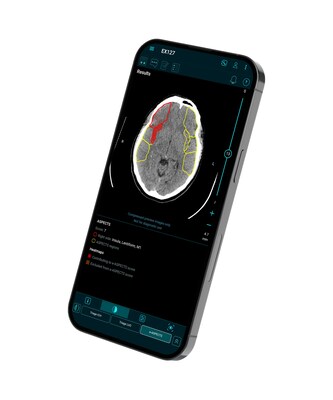
The US launch, which included its previously announced FDA cleared e-ASPECTS module, represents a comprehensive platform designed to support clinicians and their imaging-based treatment decisions at all points across the stroke pathway, from simple imaging to more advanced imaging.

Long established as a market leader in Europe and a pioneer in the development of innovative stroke AI solutions, the company will continue to introduce its transformative technology to more US stroke centers.

The Brainomix 360 platform is powered by state-of-the-art AI algorithms that provide real-time interpretation of brain scans to aid treatment and transfer decisions for stroke patients, with an aim towards enabling more patients to receive the right treatment, in the right place, at the right time.

The launch included Brainomix exhibiting at the Society of Vascular and Interventional Neurology (SVIN) Conference in Miami, with Dr Waleed Brinjikji, Professor of Radiology and Neurosurgery at the Mayo Clinic in Rochester, Minnesota, providing a keynote presentation on his experience with the Brainomix 360 platform.

"We have been collaborating with the Brainomix team around numerous research projects over the past couple of years, including a recent study that validated the performance of their e-ASPECTS module," noted Dr Brinjikji. "The results showed that the accuracy of ASPECTS scoring by physicians improved across disciplines and levels of experience, which makes the e-ASPECTS module a powerful tool for clinicians across the US who are managing stroke patients."

"We are delighted to have the opportunity to introduce our Brainomix 360 platform to more and more US stroke networks, and to showcase the extensive validation of our technology, a good portion of which was conducted in the US at such institutions as the Mayo Clinic, Emory University, Mount Sinai in New York, and UCLA" said Dr Michalis Papadakis, co-founder and CEO of Brainomix.

The recent FDA clearances included Brainomix 360 e-CTP and Brainomix 360 e-MRI, both software modules that can support thrombolysis and thrombectomy treatment decisions, particularly for late-window patients who present to hospital more than 6-12 hours after stroke onset.

Brainomix 360 Triage LVO and Brainomix 360 Triage ICH are two new notification tools, which send real-time alerts to clinicians when a bleed or large vessel occlusion (LVO) is suspected. The presence of LVO can be a key determinant when deciding a patient's eligibility for mechanical thrombectomy.

Brainomix has established commercial operations in the US and will continue to expand as it rolls out its products across US hospital networks. The company announcedthe FDA clearance of its e-ASPECTS module in March 2023, its flagship software that is powered by patented, explainable AI to assess non-contrast CT scans to automatically generate an ASPECTS score and features a unique overlaid heatmap that enables a more nuanced assessment of each region.

Dr Michalis Papadakis, added, "As a spin-out from the University of Oxford, we have a longstanding heritage of scientific and academic excellence, which has allowed us to achieve broad success in the UK and across Europe, including national-level deployments of Brainomix 360 across Hungary and Wales, as well as wide-ranging roll-outs in England, Poland, Sweden, Italy and Spain."

With deployments across more than 30 countries, Brainomix's AI stroke software has been studied and validated in more than 60 publications, including a set of recent studies showing that the implementation of Brainomix software enabled faster treatment by reducing door-in-door-out times by more than one hour, and improved patient outcomes by tripling the number of patients achieving functional independence after stroke,1 while also increasing the rates of both thrombolysis and thrombectomy by more than 50%.2

To learn more about the Brainomix 360 platform click here.

1Nagaratnam et al. Int J Stroke. 2021;16:28-29 2 Gunda B, et al. Cerebrovasc Dis Extra. 2022. https://www.ncbi.nlm.nih.gov/pubmed/35134802

About Brainomix

Brainomix specializes in the creation of AI-powered software solutions to enable precision medicine for better treatment decisions in stroke, lung fibrosis, and cancer. With origins as a spin-out from theUniversity of Oxford, Brainomix is an expanding commercial-stage company with operations in the UK, Ireland and the USA. A private company, backed by leading healthtech investors, Brainomix has innovated award-winning imaging biomarkers and software solutions that have been used in more than 30 countries worldwide. Its first product, the Brainomix 360 platform, provides clinicians with the most comprehensive stroke imaging solution, driving increased treatment rates and improving functional independence for patients.

To learn more about Brainomix and its technology visitwww.brainomix.com, and follow us onTwitter,LinkedInandFacebook.

Contacts

Jeff Wyrtzen, Chief Marketing & Business Development Officer [emailprotected] M +44 (0)7927 164210 T +44 (0)1865 582730

Media enquiries

Charles Consultants Sue Charles [emailprotected] M +44 (0)7968 726585

Photo - https://mma.prnewswire.com/media/2282855/Brainomix_360_smartphone.jpg Logo - https://mma.prnewswire.com/media/1989193/3856380/Brainomix_Logo.jpg

SOURCE Brainomix

See the rest here:
Brainomix Targets US Expansion with the Launch of its Cutting ... - PR Newswire

Mild Cognitive Impairment Underdiagnosed: Study Reveals … – HealthDay

TUESDAY, Nov. 21, 2023 (HealthDay News) -- Mild cognitive impairment is underdiagnosed, with only 0.1 percent of clinicians and practices with diagnosis rates within the expected range, according to a study published online Oct. 24 in the Journal of Prevention of Alzheimer's Disease.

Ying Liu, Ph.D., from the University of Southern California in Los Angeles, and colleagues examined detection rates for mild cognitive impairment among primary care clinicians and practices in the United States using Medicare claims and encounter data in an observational study. The study sample included 226,756 primary care clinicians and 54,597 practices with at least 25 patients aged 65 years or older enrolled in Medicare fee-for-service or a Medicare Advantage plan. The detection rate for mild cognitive impairment was assessed as the ratio between the observed diagnosis rate of a clinician or practice based on documentation and the expected rate based on a predictive model.

The researchers found that the average detection rates were 0.08 for mild cognitive impairment for clinicians and practices, indicating that on average, about 8 percent of expected cases were diagnosed. Diagnosis rates within the expected range were seen for only 0.1 percent of clinicians and practices.

"There's really just a tiny fraction of physicians in a position to diagnose mild cognitive impairment who would find these cases early enough for maximum therapeutic potential," lead author Soeren Mattke, M.D., also from the University of Southern California, said in a statement.

One author disclosed ties to biopharmaceutical companies, including Genentech, a member of the Roche Group, which partially funded the study.

Abstract/Full Text

See more here:
Mild Cognitive Impairment Underdiagnosed: Study Reveals ... - HealthDay

New study reveals molecular causes of rare neurological condition … – Newswise

Newswise A new study involving University of Portsmouth researchers has uncovered key molecular defects underlying a rare developmental brain condition in children.

The research team, led by Dr Reza Maroofian, Dr Rauan Kaiyrzhanov and Professor Henry Houlden at University College London Queen Square Institute of Neurology, investigated the role of a specific regulatory protein in the brain known as acyl-CoA-binding domain-containing protein 6, or ACBD6. Up until now, the implication of defects in this protein have been unknown.

This study, published in the journal Brain, uncovered the role of malfunctioning ACBD6 in an ultra-rare condition in children, known as Autosomal Recessive ACBD6-related disorder. This is characterised by delays in the development of cognitive and motor skills, and is associated with dystonia and parkinsonism.

Co-lead author Dr Rauan Kaiyrzhanov said:The direct and immediate impact of this study is by introducing these genetic disorders to the medical community will help to diagnose the families affected by this condition worldwide. However, the long-term and wider effect of this study is that this ultra-rare condition can help us better understand the biology of these conditions in humans and advance our knowledge of biological mechanisms linked to much more common neurodegenerative movement disorders, like Parkinsons disease and dystonia.

This discovery was made possible through the use of advanced genomic technologies and extensive global data sharing, with 89 clinicians and scientists from 72 institutes involved worldwide.

Co-author Professor Matt Guile, Professor of Developmental Genetics at the University of Portsmouth said:We are delighted to contribute to this important piece of new research which will help improve the lives of patients and their families. This is part of our wider work to discover how Xenopus tadpoles can be used to support the diagnosis of rare genetic diseases.

The understanding of this rare disorder began with the study of a complex neurological disorder affecting three siblings from a single family, who had mutations in the ACBD6 gene. Thanks to extensive international collaboration over the following years, more affected families with similar genetic disorders were identified, and gradually a resemblance began to emerge among the distinct clinical and radiological features of those affected.

The researchers investigated 45 affected individuals from 28 unrelated families and extended their study to include animal models. This multifaceted approach uncovered evidence highlighting the essential role of ACBD6 in maintaining a healthy nervous system.

Co-lead author Dr Reza Maroofian said:This study underscores the untapped power of systematically investigating a relatively large number of well-defined individuals affected by ultra-rare disorders and highlights how much we can learn about human biology and pathology from these studies which are currently severely neglected and under-funded.

This international endeavour stands as a testament to the relentless dedication and collective expertise of the global scientific community and highlights the critical importance of not marginalising ultra-rare conditions.

Go here to read the rest:
New study reveals molecular causes of rare neurological condition ... - Newswise

NYU Langone Health in the NewsThursday, November 16, 2023 – NYU Langone Health

News from NYU Langone Health

Today Is National Clean Out Your Fridge Day FOX 5 New York November 15 -Rabia A. De Latour, MD, assistant professor, Department of Medicine, Division of Gastroenterology and Hepatology

NYU Langone Streamlines Spine Radiosurgery Treatment to One Day Beckers Hospital Review November 15 -Alec Kimmelman, MD, PhD, the Anita Steckler and Joseph Steckler Chair, and professor, Department of Radiation Oncology, Perlmutter Cancer Center -Thomas B. Daniels, MD, clinical associate professor, Department of Radiation Oncology

Brave Soap Opera Star John York, 64, Readies Himself for Long Transplant Journey to Treat Blood and Bone Marrow Cancers SurvivorNet November 14 -Jun H. Choi, MD, clinical assistant professor, Department of Medicine, Division of Hematology and Medical Oncology, Perlmutter Cancer Center

Clinical Challenges: Atopic Dermatitis in Infants (Free log-in required.) Medpage Today November 15 -Vikash S. Oza, MD, associate professor, the Ronald O. Perelman Department of Dermatology, Department of Pediatrics

Artificial Intelligence and Machine Learning Could Enhance MS Diagnosis and Management NeurologyToday November 16 -Rachel Kenney, PhD, assistant professor, Departments of Neurology, and Population Health

New Training Recommendations for the Transition from Pediatric to Adult Neurology NeurologyToday November 16 -Aaron Nelson, MD, associate professor, Department of Neurology

Scientists Identify Potential Mechanism for Sudden Unexplained Death in Epilepsy NeurologyToday November 16 -Orrin Devinsky, MD, professor, Departments of Neurology, Neurosurgery, and Psychiatry, Comprehensive Epilepsy Center

Highlights of the 2023 International Mesothelioma Symposium Asbestos November 13 -Daniel H. Sterman, MD, the Thomas and Suzanne Murphy Professor of Pulmonary and Critical Care Medicine, Department of Medicine, Division of Pulmonary, Critical Care and Sleep Medicine, professor, Department of Cardiothoracic Surgery, Perlmutter Cancer Center

NYU Langone Health Performs Worlds First Whole-Eye & Partial-Face Transplant Eye News November 15 -Eduardo D. Rodriguez, MD, DDS, the Helen L. Kimmel Professor of Reconstructive Plastic Surgery, chair, the Hansjrg Wyss Department of Plastic Surgery -Vaidehi S. Dedania, MD, associate professor, Department of Ophthalmology -Samer Al-Homsi, MD, clinical professor, Department of Medicine, Division of Hematology and Medical Oncology, Perlmutter Cancer Center -Bruce E. Gelb, MD, associate professor, vice chair of quality, Department of Surgery, Division of Transplant Surgery

First Whole Eye Transplant Science-Based Medicine November 15 -Eduardo D. Rodriguez, MD, DDS, the Helen L. Kimmel Professor of Reconstructive Plastic Surgery, chair, the Hansjrg Wyss Department of Plastic Surgery

Cautious Hope Over Landmark Eye Transplant Optician November 16 -Eduardo D. Rodriguez, MD, DDS, the Helen L. Kimmel Professor of Reconstructive Plastic Surgery, chair, the Hansjrg Wyss Department of Plastic Surgery

Heres What a Polygenic Test Canand CantTell You About Your Health SELF November 15 -Jeffrey S. Berger, MD, associate professor, Department of Medicine, the Leon H. Charney Division of Cardiology, Center for the Prevention of Cardiovascular Disease

Is Manifesting Real? Heres the Science TheSkimm November 15 -Thea Gallagher, PsyD, clinical assistant professor, Department of Psychiatry

Spending Just ONE Night in the Emergency Room Before Being Admitted to the Hospital Can Increase Your Risk of Death, Study Suggests Daily Mail November 15 -Marc K. Siegel, MD, clinical professor, Department of Medicine, Division of General Internal Medicine

An AI Doctor in a Box Coming to a Mall Near You Forbes November 15 -Arthur L. Caplan, PhD, the Drs. William F. and Virginia Connolly Mitty Professor, Department of Population Health, Division of Medical Ethics

Whats The Worst That Could Happen? A Toothless FDA Health Affairs November 13 -Arthur L. Caplan, PhD, the Drs. William F. and Virginia Connolly Mitty Professor, Department of Population Health, Division of Medical Ethics -Lisa Kearns, senior research associate, Department of Medicine, Division of Medical Ethics

A Reduction in the Hippocampus in the Brain Linked to Cognitive Decline Risk Medical News Today November 15 -Shae Datta, MD, clinical assistant professor, Department of Neurology, NYU Langone HospitalLong Island, Concussion Center

VIDEO: Surgeon Physiologic Stress May Increase with Patient BMI During THA Healio November 15 -Joshua C. Rozell, MD, assistant professor, Department of Orthopedic Surgery, NYU Langone HospitalBrooklyn

Can You Fly While Pregnant? Health-Reporter November 15 -Meleen Chuang, MD, clinical associate professor, Department of Obstetrics and Gynecology, Family Health Centers

Go here to see the original:
NYU Langone Health in the NewsThursday, November 16, 2023 - NYU Langone Health