Conservatives and Liberals Have Different Brains, Studies Show

Sep 3, 2012 6:00am

Conservatives and liberals may have one less thing in common: neurology.

ProCon.org has gathered 13 peer-reviewed studies of behavioral and neurological studies and come to the conclusion that differences between Republicans and Democrats are more than skin-deep.

Basically, the different sides have been yelling at each other for millennia, and were trying to figure out what could be the root cause of this, said Steven Markoff, ProCon.orgs founder.

The studies looked at things like differences between groups perception of eye movement, and aversion to threatening noises. Researchers also noted that Democrats had larger anterior cingulate cortexes, which are associated with tolerance to uncertainty, while Republicans had larger right amygdalas, which are associated with sensitivity to fear.

Everybody seems to basically agree, and these are people that have scientific backgrounds, Markoff said of the repetition in the studies. That to me is probably the biggest eye-opener.

Although Markoff concluded the studies combine to mean that the different groups communicate in different ways, psychiatrist Greg Appelbaum said the studies point toward conservatives tendency to avoid something called self-harm, while liberals avoid collective group harm.

That said, Appelbaum the studies are not representative of all Republicans or Democrats, given that researchers are weaving different small studies together to draw conclusions, and several different opinions designate whether someone is liberal or conservative.

Its important to keep in mind that this is a big, multidimensional space, Appelbaum said.

He also said someones brain makeup doesnt necessarily predispose that person to think one way or another politically, calling it a chicken or the egg issue. In fact, its possible that a persons political thinking can change their physiological traits.

Continued here:
Conservatives and Liberals Have Different Brains, Studies Show

Even in normal range, high blood sugar linked to brain shrinkage

Public release date: 3-Sep-2012 [ | E-mail | Share ]

Contact: Rachel Seroka rseroka@aan.com 612-928-6102 American Academy of Neurology

MINNEAPOLIS People whose blood sugar is on the high end of the normal range may be at greater risk of brain shrinkage that occurs with aging and diseases such as dementia, according to new research published in the September 4, 2012, print issue of Neurology, the medical journal of the American Academy of Neurology.

"Numerous studies have shown a link between type 2 diabetes and brain shrinkage and dementia, but we haven't known much about whether people with blood sugar on the high end of normal experience these same effects," said study author Nicolas Cherbuin, PhD, with Australian National University in Canberra.

The study involved 249 people age 60 to 64 who had blood sugar in the normal range as defined by the World Health Organization. The participants had brain scans at the start of the study and again an average of four years later.

Those with higher fasting blood sugar levels within the normal range and below 6.1 mmol/l (or 110 mg/dL) were more likely to have a loss of brain volume in the areas of the hippocampus and the amygdala, areas that are involved in memory and cognitive skills, than those with lower blood sugar levels. A fasting blood sugar level of 10.0 mmol/l (180 mg/dL) or higher was defined as diabetes and a level of 6.1 mmol/l (110 mg/dL) was considered impaired, or prediabetes.

After controlling for age, high blood pressure, smoking, alcohol use and other factors, the researchers found that blood sugar on the high end of normal accounted for six to 10 percent of the brain shrinkage.

"These findings suggest that even for people who do not have diabetes, blood sugar levels could have an impact on brain health," Cherbuin said. "More research is needed, but these findings may lead us to re-evaluate the concept of normal blood sugar levels and the definition of diabetes."

###

The study was supported by the National Health and Medical Research Council Australia and the Australian Rotary Health Research Fund.

Read the original:
Even in normal range, high blood sugar linked to brain shrinkage

Rosacea – NHS Choices video

From NHS Choices YouTube channel: Rosacea is a common but poorly understood long-term skin condition that mainly affects the face. It most commonly affects fair-skinned people from northern Europe and is estimated to affect up to 1 in 10 people. In this video, an expert explains what rosacea is, the symptoms to look out for and the various treatments.

Cathelicidin dysfunction may be a central factor in the pathogenesis of several cutaneous diseases, including rosacea.

Cathelicidins are antimicrobial peptides (AMPs) that protect the skin through 2 pathways:

- antimicrobial activity
- cytokine release, inflammation, angiogenesis, and reepithelialization

Posted at Clinical Cases and Images. Stay updated and subscribe, follow us on Twitter and connect on Facebook.


Source:
http://feeds.feedburner.com/CasesBlog

Passaic Sleep Medicine & Neurological Services Expands to Bergen County

RUTHERFORD, NJ--(Marketwire -08/31/12)- Malo Clinic Health & Wellness today announced their latest partner practice, Passaic Sleep Medicine & Neurological Services, led by Dr. Fawad Mian, who is board-certified in neurology, sleep medicine, and clinical neurophysiology.

Dr. Fawad Mian specializes in the assessment and treatment of neurological disorders, as well as the diagnosis and treatment of many sleep disorders. He began his burgeoning practice in 2011 where he regularly sees patients with a variety of complaints including back and neck pain, headaches, tremors, numbness/tingling, seizures, etc. Dr. Mian also subspecializes in the assessment and diagnosis of patients with sleep disorders. He will begin seeing patients with neurologic and sleep disorders on September 4TH at his new satellite office located at the MALO Clinic Health & Wellness center on route 17 North in Rutherford, New Jersey. "As one of the region's only complete preventative care centers, we look forward to working with Dr. Mian to bring awareness and treatment of neurologic and sleep disorders to Bergen County," said Joseph Testani, Chief Administrative Officer of MALO Clinic Health & Wellness.

Dr. Mian is a graduate of St. George's University School of Medicine. He went on to do his residency in neurology at New York University. He completed his fellowship in sleep medicine and clinical neurophysiology at Emory University School of Medicine in Atlanta, Georgia. Dr. Fawad Mian currently resides in Bergen County.

About MALO Clinic Health & Wellness

MALO Clinic Health & Wellness offers a unique approach to complete wellness through a comprehensive array of world-class services. It is a brand new concept in North America, and set to be the world's largest facility of its kind. Since 2010, MALO CLINIC Health & Wellness features a team of health professionals and wellness therapists delivering the highest standards of medical and dental services in a healthy and relaxing spa environment. For more information please visit malohealthandwellness.com.

About Passaic Sleep Medicine and Neurological Services

Since 2011, Passaic Sleep Medicine and Neurological Services, has been actively serving the community with advanced therapeutics in sleep medicine and neurology. Led by Dr. Fawad Mian, Passaic Sleep Medicine and Neurological Services aims to continue to bring quality care to patient suffering from debilitating neurologic and sleep disorders. For more information please visit passaicsleepneuro.com.

Link:
Passaic Sleep Medicine & Neurological Services Expands to Bergen County

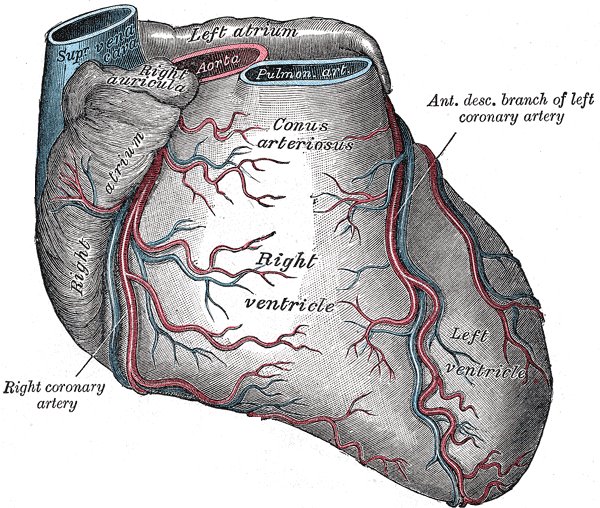
What are the New Risk Markers for Coronary Heart Disease?

Traditional CHD risk factors used in the Framingham risk score (FRS) predictions include:

- age
- gender
- systolic blood pressure
- treatment of hypertension
- total and high-density lipoprotein cholesterol levels
- smoking
- diabetes

The newer CHD risk factors include:

- N-terminal fragment of prohormone B-type natriuretic peptide levels
- von Willebrand factor antigen levels
- fibrinogen levels
- chronic kidney disease
- leukocyte count
- C-reactive protein levels
- homocysteine levels
- uric acid levels
- coronary artery calcium [CAC] scores
- carotid intima–media thickness
- peripheral arterial disease
- pulse wave velocity

Adding coronary artery calcium [CAC] scores to the FRS improved the accuracy of risk predictions.

Levels of N-terminal fragment of prohormone B-type natriuretic peptide also improved risk predictions but to a lesser extent.

Improvements in predictions with other newer markers were marginal.

References:

Evaluation of Newer Risk Markers for Coronary Heart Disease Risk Classification: A Cohort Study. Maryam Kavousi et al. Ann Intern Med. 20 March 2012;156(6):438-444.
Image source: Gray's Anatomy, 1918, public domain.

Comments from Twitter:

Michael Mirochna, MD @DocRockne:  unfortunately, no evidence they help with OUTCOMES

Posted at Clinical Cases and Images. Stay updated and subscribe, follow us on Twitter and connect on Facebook.


Source:
http://feeds.feedburner.com/CasesBlog

Three neurologists join NWLF staff

NEWS-SUN STAFF REPORT August 28, 2012 4:30PM

Neurologists Laura Goldstein, MD, has joined the staff of Northwestern Lake Forest Hospital as part of Northwestern Medical Faculty Foundation. | Special to Sun-Times Media

storyidforme: 36033919 tmspicid: 13140361 fileheaderid: 6049163

Updated: August 28, 2012 4:30PM

LAKE FOREST Drs. Charulatha Nagar, Laura Goldstein and Ian Katznelson, all neurologists, have joined the staff of Northwestern Lake Forest Hospital as part of the Northwestern Medical Faculty Foundation.

Northwestern Lake Forest Hospitals aim is to build a neurology group that is able to provide both inpatient and outpatient treatment to those who are in need of immediate and more elective neurological care, said Dr. Mchael Ankin, the hospitals chief medical officer. We want patients who come to the hospital to have immediate access to physicians who are experts in any number of neurological conditions, from migraines and stroke, to cognitive and memory disorders.

Nagar, board certified in neurology, has been seeing patients in Lake Forest for more than seven years. She is fellowship trained in neuromuscular disorders and clinical electromyography from Washington University School of Medicine and has over a decade of clinical research experience, with an interest in clinical trials and vascular neurology. Beyond her work at the hospital, Nagar sits on a stroke support group, where she counsels stroke victims and their families.

A native of Michigan, Goldstein moved to suburban Chicago in 1990 to treat area residents with a range of neurological disorders. She is board certified in neurology and electrodiagnostic medicine, which evaluates the peripheral nervous system. She is a graduate of University of Michigan Medical School, where she also did her residency before completing a fellowship in clinical electrophysiology at the University of Iowa. Goldstein joins NWLF from Northwest Community Hospital, Arlington Heights, where she has been the chief of neurology since 2008 and director of the hospitals stroke medical program since 2007.

Katznelson, a graduate of the Northwestern University Feinberg School of Medicine, will join the NWLF staff later this year. He is board-certified in neurology, clinical neurophysiology and sleep medicine. Katznelson completed his residency at Washington University in St. Louis and is fellowship trained in clinical neurophysiology from Rush University Medical Center, Chicago. He brings more than nine years of experience to his new position, including three years as the medical director of the sleep lab at Resurrection Medical Center, Chicago.

Go here to read the rest:
Three neurologists join NWLF staff

Chocolate: A sweet method for stroke prevention in men?

Public release date: 29-Aug-2012 [ | E-mail | Share ]

Contact: Rachel Seroka rseroka@aan.com 612-928-6129 American Academy of Neurology

MINNEAPOLIS Eating a moderate amount of chocolate each week may be associated with a lower risk of stroke in men, according to a new study published in the August 29, 2012, online issue of Neurology, the medical journal of the American Academy of Neurology.

"While other studies have looked at how chocolate may help cardiovascular health, this is the first of its kind study to find that chocolate, may be beneficial for reducing stroke in men," said study author Susanna C. Larsson, PhD, with the Karolinska Institute in Stockholm, Sweden.

For the study, 37,103 Swedish men ages 49 to 75 were given a food questionnaire that assessed how often they consumed various foods and drinks and were asked how often they had chocolate. Researchers then identified stroke cases through a hospital discharge registry. Over 10 years, there were 1,995 cases of first stroke.

Men in the study who ate the largest amount of chocolate, about one-third of a cup of chocolate chips (63 grams), had a lower risk of stroke compared to those who did not consume any chocolate. Those eating the highest amount of chocolate had a 17-percent lower risk of stroke, or 12 fewer strokes per 100,000 person-years compared to those who ate no chocolate. Person-years is the total number of years that each participant was under observation.

In a larger analysis of five studies that included 4,260 stroke cases, the risk of stroke for individuals in the highest category of chocolate consumption was 19 percent lower compared to non-chocolate consumers. For every increase in chocolate consumption of 50 grams per week, or about a quarter cup of chocolate chips, the risk of stroke decreased by about 14 percent.

"The beneficial effect of chocolate consumption on stroke may be related to the flavonoids in chocolate. Flavonoids appear to be protective against cardiovascular disease through antioxidant, anti-clotting and anti-inflammatory properties. It's also possible that flavonoids in chocolate may decrease blood concentrations of bad cholesterol and reduce blood pressure," said Larsson.

"Interestingly, dark chocolate has previously been associated with heart health benefits, but about 90 percent of the chocolate intake in Sweden, including what was consumed during our study, is milk chocolate," Larsson added.

###

More:
Chocolate: A sweet method for stroke prevention in men?

The link between stress and heart disease

In this video from the Cleveland Clinic, Steven Nissen, MD, talks about the important lesson war has taught us about stress and its effect on the heart. One of the best ways to manage stress is regular exercise.

Tips for managing stress (watch the 2-minute BBC video embedded below)

- Take a few deep breaths
- Get plenty of exercise
- Socialize - don't stress alone, talk to someone and have a laugh
- Get out - go to the park

Read more: http://www.bbc.co.uk/scotland/brainsmart 

Participation in sport is associated with a with a 20—40% reduction in all-cause mortality compared with non-participation. Exercise might also be considered as a fifth vital sign, according to the Lancet: http://goo.gl/gyxYf

 If nothing else helps, consider this: Chewing gum may reduce stress and improve memory

Posted at Clinical Cases and Images. Stay updated and subscribe, follow us on Twitter and connect on Facebook.


Source:
http://feeds.feedburner.com/CasesBlog

Managing perioperative risk in patients undergoing elective non-cardiac surgery – BMJ review

Non-cardiac surgery has a low overall mortality but is associated with a large number of deaths because so many procedures are performed (250 million major surgical procedures worldwide per year).

Assuming a hospital mortality rate of 1%, non-cardiac surgery will be associated with 2.5 million deaths worldwide each year and complication rates at least five times this figure.

15% of people who undergo inpatient surgery are at high risk of complications, such as pneumonia or myocardial infarction.

Most deaths occur in a group of patients who are at high risk because of:

- advanced age
- comorbid disease
- major surgery

High risk surgical patients account for 80% of all perioperative deaths.

Further research is needed to identify the most effective approaches to perioperative medicine for high risk patients.

References:

Managing perioperative risk in patients undergoing elective non-cardiac surgery. BMJ 2011; 343 doi: 10.1136/bmj.d5759 (Published 5 October 2011), Cite this as: BMJ 2011;343:d5759

Image source: Wikipedia

Posted at Clinical Cases and Images. Stay updated and subscribe, follow us on Twitter and connect on Facebook.


Source:
http://feeds.feedburner.com/CasesBlog

Nationwide Children's Specialists Collaborate on Manual of Pediatric Neurology

Newswise More than two dozen pediatric specialists from Nationwide Childrens Hospital contributed to the recently released Manual of Pediatric Neurology, published by World Scientific Publishing Co. The physicians, who represent an array of pediatric disciplines, collaborated to address frequently encountered conditions for pediatric patients in all clinical settings.

Edited by Pedro Weisleder, MD, PhD, pediatric neurologist at Nationwide Childrens, the textbook is geared to the interests of primary care pediatricians, sub-specialists, medical students, clinical residents and nurses. The content covers all aspects of caring for pediatric neurology patients, including managing seizures in the emergency department, treating epilepsy in the outpatient setting, acute and chronic management of headaches, tic disorder, and neuromuscular illnesses, among others. Emphasis is placed on signs and symptoms, diagnostic tests, as well as practical advice on treatment.

Chapters also address topics tangentially related to child neurology such as syncope and ventriculo-peritoneal shunt failure. Emerging and rapidly changing topics, such as neonatal neurology and the management of stroke in children, are also covered.

In addition to Dr. Weisleder, contributors include Neurology Chief, E. Steve Roach, MD, as well as other leading pediatric specialists in child neurology, neurosurgery, cardiology, hospice and palliative care, and infectious diseases.

The Manual of Pediatric Neurology is the newest publication among seven texts authored or edited in recent years by a faculty member from the Neurosciences Center at Nationwide Childrens.

The Neurosciences Center at Nationwide Children's Hospital includes leading clinicians and researchers in neurology and neuromuscular disease, neurosurgery, neurodiagnostics, physical medicine and rehabilitation, and sleep medicine.

U.S.News & World Report recently recognized Nationwide Childrens among the top 10 programs in the country for neurology and neurosurgical care. This ranking came in addition to the hospitals overall Honor Roll designation, which ranks it among the countrys top seven childrens hospitals.

Learn more at NationwideChildrens.org/Neurosciences.

Go here to read the rest:
Nationwide Children's Specialists Collaborate on Manual of Pediatric Neurology

Penn neurologist honored for sharing expertise with developing nations

In June, the National Assembly of Ecuador gave Donald Silberberg, an emeritus professor of neurology at the University Pennsylvania medical school, its highest scientific award, the first such honor for an American.

The Vicente Rocafuerte medal was given in recognition of Silberberg's efforts over two decades to enhance medical education and improve patient care for neurological and psychiatric conditions in Ecuador as well as around the world.

"I was honored and really pleased," Silberberg said in his office recently.

The medal was a tribute to a physician and educator who has worked to ameliorate diseases of the brain and nervous system, especially in developing countries.

"He is one of the few leaders in neurology who has had a profound effect on neurological care and healing around the world," says Mohamad Rostami, chairman of the department of neurology at Thomas Jefferson University Hospital.

Neurological disorders - headaches, brain tumors, strokes, head trauma, psychiatric problems such as schizophrenia and depression - cause a quarter to a third of global death and disability, Silberberg says. Cerebral palsy, mental retardation, and epilepsy are much more common in developing countries. In some nations, epilepsy alone is 10 times more frequent, likely because of early-childhood infections, head trauma, and cerebral malaria.

Neurology deals with disorders of the brain, spinal cord, nerves, and muscles. At Penn, Silberberg, 78, still conducts research, lectures around the world, and comes to the office three or four days a week.

He prompted the National Institutes of Health to launch a grants program that enables international investigators to cooperate in studying and exploring solutions to neurological issues. So far, the NIH has funded more than 125 grants under the program.

In 2003, Silberberg was recruited by the National Security Council to formulate a plan for a pediatric hospital in Basra, in southern Iraq.

The $150 million hospital, the first to be built in Iraq since the 1980s, was completed last year and is now fully staffed. Says Silberberg: "It's one of the best things the U.S. has done there."

Visit link:
Penn neurologist honored for sharing expertise with developing nations

Study: Obesity May Speed Up Cognitive Decline

A study published in the journalNeurologyfinds that obesity (in the setting of other health problems) is associated with hastened cognitive decline.

PROBLEM: Obesity has been linked to a variety of metabolic problems, such as high blood pressure, heart disease, and diabetes. Less is known, however, about the relationship among these conditions, obesity, and the brain.

METHODOLOGY: French researchers surveyed 6,401 adults ranging in age from 31 to 63 in the early 1990s. The study participants reported their body mass index as well as metabolic risk factors such as blood pressure, high glucose levels, high triglycerides, and low HDL cholesterol. Just over half of participants were of a normal weight; 38 percent were overweight; and 9 percent were obese. Of all participants, 31 percent had two or more of the four aforementioned metabolic abnormalities. After the baseline survey, participants were subjected to three rounds of cognitive tests over the next decade and a half to examine brain performance.

RESULTS: Cognitive decline progressed fastest in those who were both obese and metabolically abnormal. Participants who were obese but did not have one of the measured metabolic abnormalities (which is rare), though, showed no increase in cognitive decline.

CONCLUSION: Among people with hypertension, elevated blood glucose (diabetes/pre-diabetes), high triglycerides, and/or low HDL, obesity was associated with significant hastening of cognitive decline.

IMPLICATION: Obesity -- and more crucially, the metabolic syndromes that often accompany it -- may be a risk factor for early-onset dementia and other cognitive diseases. In addition to the known myriad benefits of weight management, it may also yield indirect benefits for the brain.

SOURCE: The full study, "Obesity Phenotypes in Midlife and Cognition in Early Old Age," is published in the journal Neurology.

The rest is here:
Study: Obesity May Speed Up Cognitive Decline

Obesity, metabolic factors linked to faster cognitive decline

Public release date: 20-Aug-2012 [ | E-mail | Share ]

Contact: Rachel Seroka rseroka@aan.com 612-928-6129 American Academy of Neurology

MINNEAPOLIS People who are obese and also have high blood pressure and other risk factors called metabolic abnormalities may experience a faster decline in their cognitive skills over time than others, according to a study published in the August 21, 2012, print issue of Neurology, the medical journal of the American Academy of Neurology.

Metabolic abnormality was defined as having two or more of the following risk factors: high blood pressure or taking medication for it; low HDL or "good" cholesterol; high blood sugar or taking diabetes medication; and high triglycerides (a type of fat found in the blood) or taking medication to lower cholesterol.

The study involved 6,401 people with an average age 50 at the start of the study. Information on body mass index (BMI) and the risk factors was gathered at the beginning of the study. The participants took tests on memory and other cognitive skills three times over the next 10 years.

A total of 31 percent of the participants had two or more metabolic abnormalities. Nine percent were obese and 38 percent were overweight. Of the 582 obese people, 350, or 60 percent, met the criteria for metabolic abnormality. The metabolically normal obese individuals also experienced more rapid decline.

Over the 10 years of the study, people who were both obese and metabolically abnormal experienced a 22.5 percent faster decline on their cognitive test scores than those who were of normal weight without metabolic abnormalities.

"More research is needed to look at the effects of genetic factors and also to take into account how long people have been obese and how long they have had these metabolic risk factors and also to look at cognitive test scores spanning adulthood to give us a better understanding of the link between obesity and cognitive function, such as thinking, reasoning and memory," said study author Archana Singh-Manoux, PhD, of INSERM, the French research institute in Paris and University College London in England.

Singh-Manoux said the study also provides evidence against the concept of "metabolically healthy obesity" that has suggested that obese people without metabolic risk factors do not show negative cardiac and cognitive results compared to obese people with metabolic risk factors.

###

See more here:
Obesity, metabolic factors linked to faster cognitive decline

7 healthy traits linked to lower death risk but only 2% of people have all 7 – are you one of them?

People who meet the 7 healthy goals recommended by the American Heart Association are less likely to die of cardiovascular causes.

Here there are:

- not smoking
- moderate exercise at least 5 times a week
- untreated blood pressure under 120/80
- HbA1c under 5.7%
- total cholesterol under 200 mg/dL
- BMI less than 25
- a diet high in produce, fish, and whole grains, and low in sodium and sugary beverages

Less than 2% of people reached all 7 ideals.

Those who met 6-7 goals had reduced risks for all-cause mortality (hazard ratio, 0.49), compared with participants meeting zero or one goal.

References:

Healthy Habits Associated with Reduced Mortality Risk - Physician's First Watch http://bit.ly/N9x8ha
Trends in Cardiovascular Health Metrics and Associations With All-Cause and CVD Mortality Among US Adults - JAMA http://bit.ly/N9xzYO
Image source: OpenClipart.org, public domain.

Posted at Clinical Cases and Images. Stay updated and subscribe, follow us on Twitter and connect on Facebook.


Source:
http://feeds.feedburner.com/CasesBlog

Guidelines for Management of Acute Bacterial Sinusitis by Infectious Diseases Society of America

A bacterial cause accounts for 2%-10% of acute rhinosinusitis cases.


Nose and nasal cavities. Image source: Wikipedia, public domain.

Recommendations for Management of Acute Bacterial Sinusitis by the Infectious Diseases Society of America (IDSA):

Bacterial rather than viral rhinosinusitis should be diagnosed when any of the following occurs:

- persistent symptoms lasting at least 10 days, without improvement
- symptoms or high fever and purulent nasal discharge or facial pain for 3–4 days at illness onset
- worsening symptoms after an initial respiratory infection, lasting 5–6 days, has started to improve.

Empirical therapy should be started as soon as acute bacterial rhinosinusitis is diagnosed clinically.

Amoxicillin-clavulanate, instead of amoxicillin alone, is recommended for both children and adults.

Macrolides and trimethoprim-sulfamethoxazole are not recommended as empirical therapy, because of high rates of antimicrobial resistance.

References:

Algorithm for the management of acute bacterial rhinosinusitis (figure)
Guideline Issued for Managing Acute Bacterial Rhinosinusitis - Physician's First Watch http://bit.ly/TGn6aM
IDSA Clinical Practice Guideline for Acute Bacterial Rhinosinusitis in Children and Adults http://bit.ly/TGnaHB

Posted at Clinical Cases and Images. Stay updated and subscribe, follow us on Twitter and connect on Facebook.


Source:
http://feeds.feedburner.com/CasesBlog

Top medicine articles for August 2012

Here are my suggestions for some of the top articles in medicine for August 2012:

Contrary to marketing, there is no evidence that sports drinks are essential adjunct for anyone doing exercise - BMJ http://goo.gl/h6kg9

To drink or not to drink to drink during exercise - BMJ reviews the evidence http://goo.gl/vKGX0

Mythbusting sports and exercise products - BMJ: color of urine does not reflect hydration http://goo.gl/8q1Wc

Round table on the problems with sports product evidence - BMJ video:

Health-care law driving doctors away from small practices, toward hospital employment - Washington Post http://goo.gl/Uvb7f

Top 5 reasons why the independent physician practice is dying http://goo.gl/DMZGw

Transcatheter aortic valve implantation (TAVI) is risky and costly - BMJ http://goo.gl/vYD9D

Brain MRI in COPD: In stable nonhypoxemic COPD there is white/gray matter disturbance, cognitive dysfunction? http://buff.ly/MnAIIN

A "New" Way to Prevent Hip Fractures: Cataract surgery may help prevent disabling hip fractures http://buff.ly/MnBw0h

Whooping Cough Comeback: more than twice as many cases of pertussis this year compared to last year http://buff.ly/PrZp0Z

Gout risk goes up as waistline expands: "The heavier you are, the greater your odds of getting gout" http://buff.ly/MnC9a9

Consider Cosmetics and Folk Remedies as Causes for Unexplained Lead Poisoning - CDC http://buff.ly/Ps0yWv

Dieting vs. Exercise for Weight Loss - NYTimes http://buff.ly/MnCJoo -- Weight loss predictor - A validated dynamic mathematical energy balance model that predicts weight change http://buff.ly/Ps1r1f

Find your Olympic athlete body structural match - BBC http://goo.gl/MhluY - Other calculators: http://goo.gl/K3akg

Doctors tend to enjoy classical music, while lawyers prefer jazz - Medical Journal of Australia http://goo.gl/OVjl5

The articles were selected from my Twitter and Google Reader streams. Please feel free to send suggestions for articles to clinicalcases@gmail.com and you will receive acknowledgement in the next edition of this publication.

Posted at Clinical Cases and Images. Stay updated and subscribe, follow us on Twitter and connect on Facebook.


Source:
http://feeds.feedburner.com/CasesBlog

Methodist Sugar Land Neurology Associates welcomes Dr. Larry Tran

Methodist Sugar Land Neurology Associates is proud to welcome Larry Tran, M.D., to their practice.

We are very delighted to have Dr. Tran join our group, said Eddie Patton Jr., M.D., with Methodist Sugar Land Neurology Associates. He shares the values-based, personal approach to quality patient care that makes Methodist unique and this relationship such a great fit. Our patients will benefit from his personal nature and passion for neurology.

Its an honor to join the outstanding staff at Methodist Sugar Land Neurology Associates, said Dr. Tran, a board certified neurologist with fellowship training in neurophysiology from University of Texas Health Science Center at San Antonio. My mission is to deliver quality care in a patient oriented environment. I also strive to achieve open communication with my patients in an effort to work as a team to develop treatment plans, all the while keeping them updated on the latest advances in treatment and care.

Methodist Sugar Land Neurology Associates offer diagnosis and treatment of the most common and most complex neurological disorders. From sleep apnea, migraines, epilepsy and dementia, to complex spine, peripheral neurological disorders and neuromuscular disorders, the physicians at Methodist Sugar Land Neurology Associates can provide answers and options using the latest technology and therapeutic techniques, backed by the resources and staff of Methodist Sugar Land Hospital.

Methodist Sugar Land Neurology Associates is located at 16659 Southwest Freeway, Suite 131 in Medical Office Building II. To schedule an appointment, please call 281-494-6387.

See more here:
Methodist Sugar Land Neurology Associates welcomes Dr. Larry Tran

Resistance to dementia may run in the family

Public release date: 15-Aug-2012 [ | E-mail | Share ]

Contact: Rachel Seroka rseroka@aan.com 612-807-6968 American Academy of Neurology

MINNEAPOLIS People who are free of dementia and have high levels of a protein that indicates the presence of inflammation have relatives who are more likely to avoid the disease as well, according to a new study published in the August 15, 2012, online issue of Neurology, the medical journal of the American Academy of Neurology.

"In very elderly people with good cognition, higher levels of C-reactive protein, which is related to inflammation, are associated with better memory," said study author Jeremy M. Silverman, PhD, with Mount Sinai School of Medicine in New York. "Our results found that the higher the level of this protein in the study participant, the lower the risk for dementia in their parents and siblings."

For the study, researchers identified 277 male veterans age 75 and older and free of dementia symptoms. They were given a test that measured levels of the protein. Next, the group was interviewed about 1,329 parents and siblings and whether they had dementia. A total of 40 relatives from 37 families had dementia. A secondary, independent group of 51 men age 85 and older with no dementia symptoms were given an interview about 202 relatives for dementia. Nine of the relatives had dementia.

Study investigators found that participants who had higher amounts of the protein were more than 30 percent less likely to have relatives with dementia. Similar results were found in the secondary group. Since the protein levels were not associated with years of education, marital status, occupation and physical activity, these factors could not account for the lower risks seen.

"This protein is related to worse cognition in younger elderly people. Thus, for very old people who remain cognitively healthy, those with a high protein level may be more resistant to dementia," said Silverman. "Our study shows that this protection may be passed on to immediate relatives."

###

The study was supported by the National Institute on Aging, United States Department of Veterans Affairs, the Berkman Charitable Trust and the Alzheimer's Association.

To learn more about dementia, visit http://www.aan.com/patients.

Go here to see the original:
Resistance to dementia may run in the family