Private Island on Manhatten’s Doorstep

petra-island-1It is an inherent trait of islands that each one is unique and beautiful in it’s own way. But occassionally one island comes on the market that is truly special. Petra Island is a truly special island.

An 11 acre island located just 50 miles north of New York City (15 minutes by helicopter) and featuring two houses designed by famed American architect Frank Lloyd Wright, Petra Island truly must be seen to be believed.

The island itself is 11 acres in size and is situated on New York’s very private Lake Mahopac. Petra Island has its own helicopter landing pad, and is of course accessible from the mainland by boat.

Two dwellings sit on the island - a 1,200-square-foot cottage, and a 5,ooo-square-foot main residence which is nothing short of an architectural masterpiece. The cottage was designed by Frank Lloyd Wright and built in 1950. The main residence was built in 2008 from one of Wright’s final plans, and is considered by some to be one of the most spectacular designs of his career. Boasting 1,500 square feet of skylights and vast expanses of stone, cement, and mahogany, the main residence is truly a triumph of modern architecture.

Island properties such as this are rarely seen on the market - a must-see! Inquire at Private Islands Online for details.

petra-islandpetra-island-13

How to Rent Your Own Private Island

mushacay640_397x224The media often focuses much of it’s attention on the buying and selling of private islands. However, what many people fail to realize is that there are literally hundreds, perhaps thousands of islands available for rent around the world. Fox News recently published an excellent article highlighting the experiences of a number of former island renters. Here is an excerpt from the article:

About five years ago travel writer Joshua Berman and his wife capped their honeymoon by renting a private island, French Louie Caye, off the Placencia Peninsula in Belize.

He recalls that “it was an incredible experience watching that boat pull away and knowing we were all alone,” which they were for a night and the following day, though they also enjoyed a little non-human companionship. “We had two dogs and a fridge stocked with shrimp and fish in a small wooden cabin. We could see a few other islands in the distance, but otherwise, it felt like the Caribbean was all ours. We cooked our own meals, snorkeled the coral around the island, and sat in the sand watching the dogs chase crabs back into the water.”

To read the full article visit Fox News

Billionaires Scooping up Private Islands

nsongaisland-1According to the Times of India, in addition luxury yachts, jets and homes, Indian billionaires have started purchasing Caribbean and South Pacific private islands. 

The Times reports that although no one is disclosing the names of buyers yet,   five deals are understood to have been struck from India in recent months. “The trend we have observed is toward an increasing number of interested buyers coming from India. noted Chris Krolow CEO Of Private Islands Inc.,

Krolow also notes that “After the recession, some properties have reduced dramatically, as prices were quite inflated before the recession,” he added. For some islands, there was a reduction in prices of as much as 30-50%, and in some cases owners are willing to negotiate.
I think it’s great the emerging markets are taking a keen interest in private islands. I am sure it will help keep the industry competitive for years to come!

Haunted Island

Islands can be luxurious, relaxing and even…spooky!!! In a past episode of Destination Truth host Joshua Gates explores Pemba Island off the east coast of Africa. The island is reputed to be so haunted that many local fisherman wont visit the island. Apparently in the past hte island was used as a slave trading post. According to locals the island is haunted by the angry ghosts of deceased slaves. Happy Halloween Everyone!!!

110 and counting

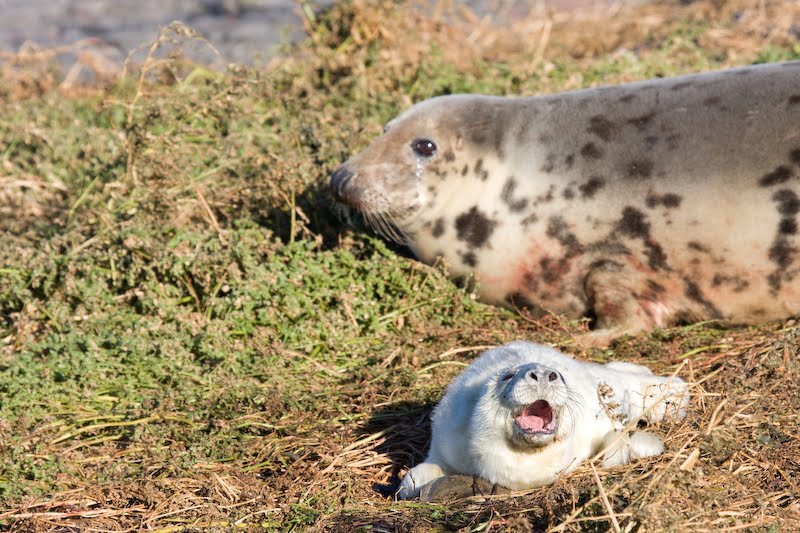
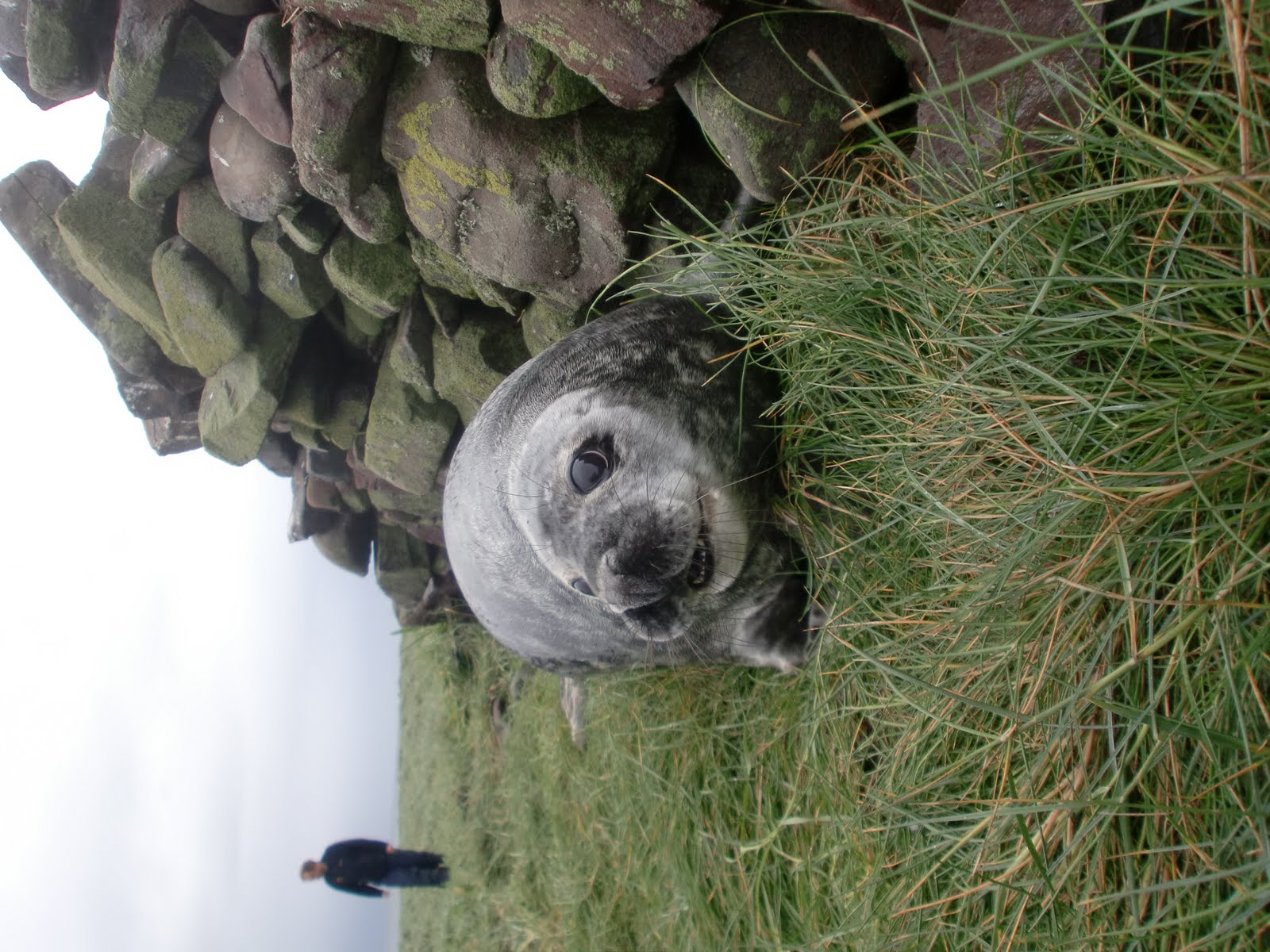
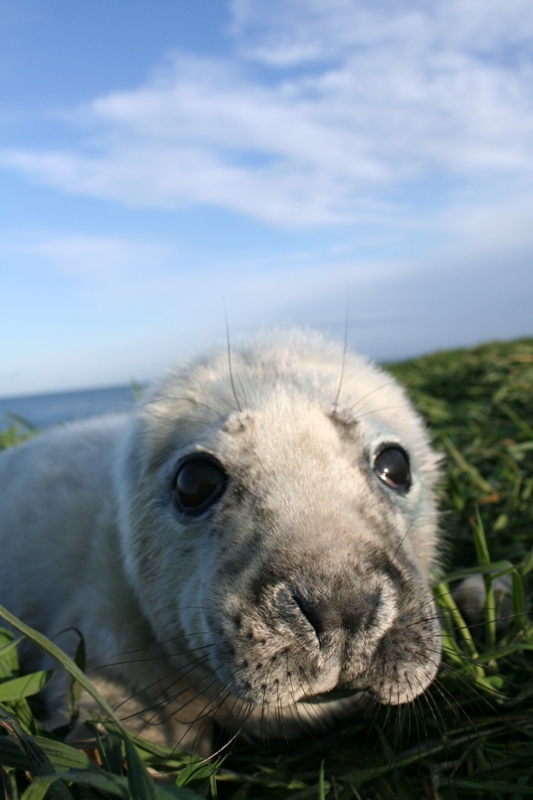
Yawn - Seal pup saying hello to the world (Graeme Duncan)
Our first second-coat pup - success (already!)

Friday 22nd October comments: we made it onto the Seal colonies early this morning although with a mountainous sea, we didn't stay for long. The islands have remained closed to visitors since Monday and things are not about to improve - the forecast for the weekend is brutal - these early born youngsters are going to be in for a torrid time. Hold on to your hats, the storms of the autumn are about to kick-off and for some old timers, its a case of here we go again...
Away from the impending chaos, the seal colonies were full of life this morning, with the islands boasting over 110 pups, the majority on the North and South Wamses with a light scattering on Brownsman and Staple Island. Time appears to be slipping by quickly as we even discovered our first 'second-coat' pup - success already and we've only just begun! We also witnessed a youngster from previous seasons, in amongst the adults on the colonies - Archie? Lucky? - maybe but regardless, all was well with the Farne Islands Grey Seals for the time being.

It’s time…

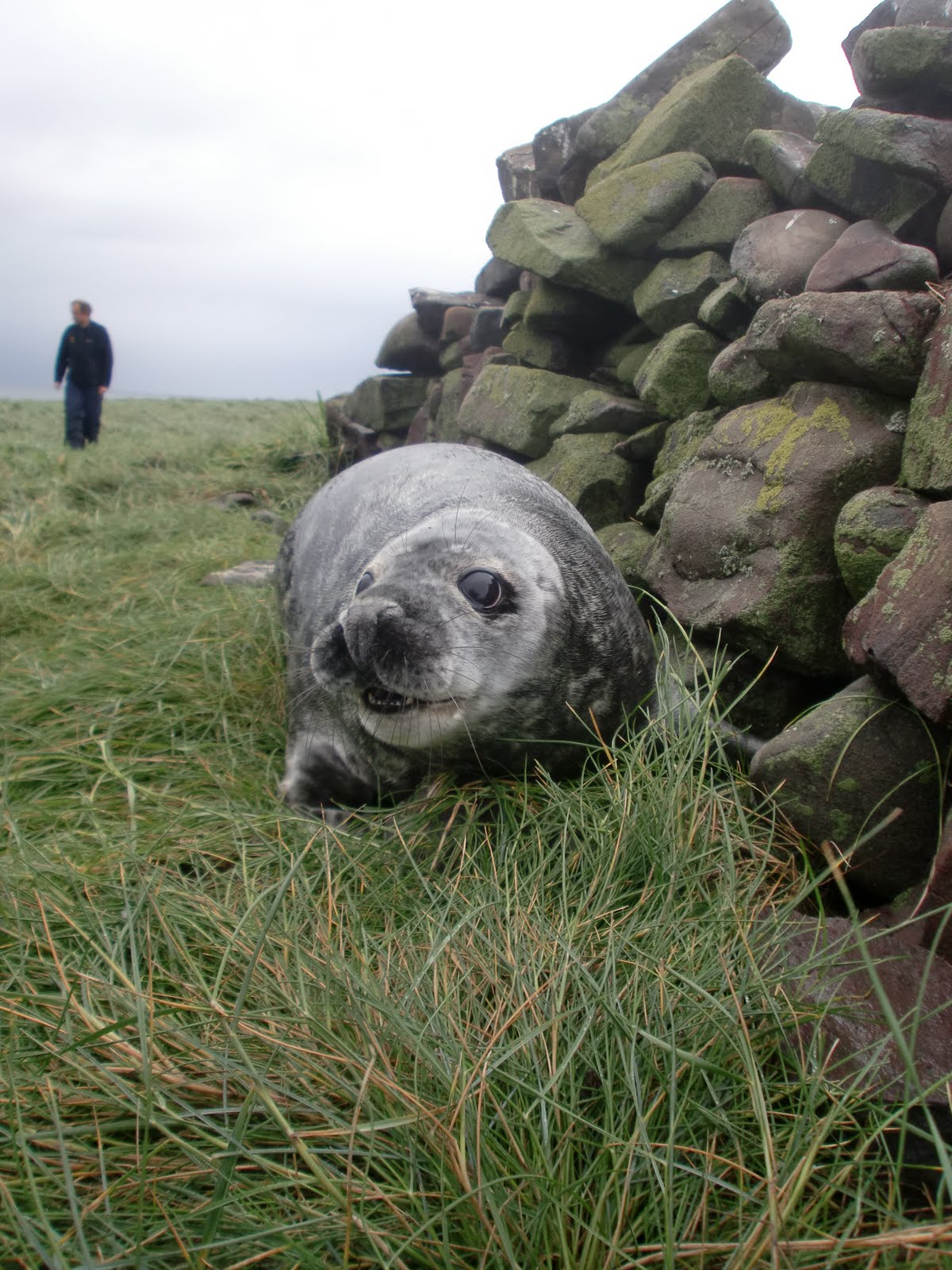
My island now - a Bull seal saying hello to Jason (Graeme Duncan)
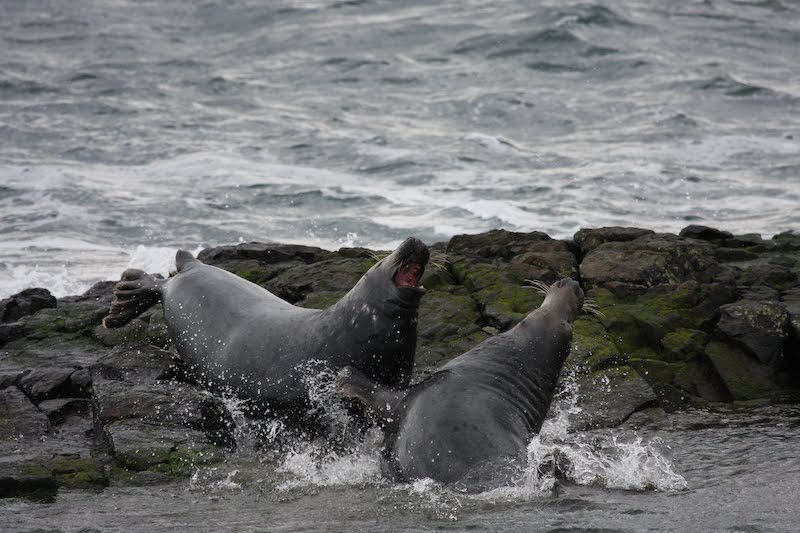
fight club - two bull seals getting to know each other (Graeme Duncan)
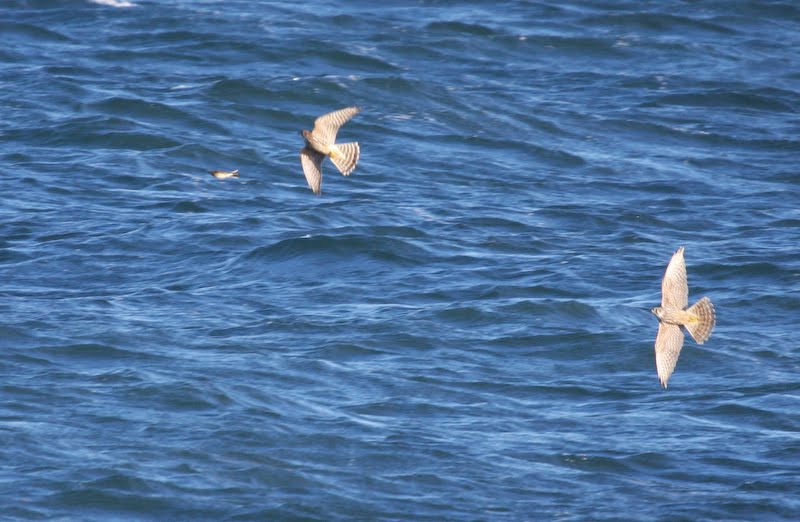
Double trouble - a Meadow Pipit flies for its life against two Merlins (Graeme Duncan)
Thursday 21st October comments:
Tomorrow we’ll start the process of counting the young, logging the dead and watching the trials and tribulations of the Grey Seal colony on the Farne Islands. The team are poised and ready, and so are the Seals – the pups have started to be born and we’ll soon be in the thick of the action.

However it’s been a frustrating time on the islands as strong winds from the north (we weren’t expecting it!), have prevented movement to the colonies (we’ve been cut off since Monday). However the wind is expected to ease tomorrow and so our seal mission will begin and as usual, I’ll bring you all the news.

Due to the switch in wind direction, only small numbers of migrants birds are passing although things have become a little more deadly for them, as the islands now boast resident Merlin and Peregines. Its interesting to watch the change in the seasons as Eider ducks are starting to display again whilst Long-tailed Ducks and Goldeneye have returned to winter around the islands in small numbers. Its all change once again and it won't be long before those clocks go back and the dark nights set in...

Moody seas

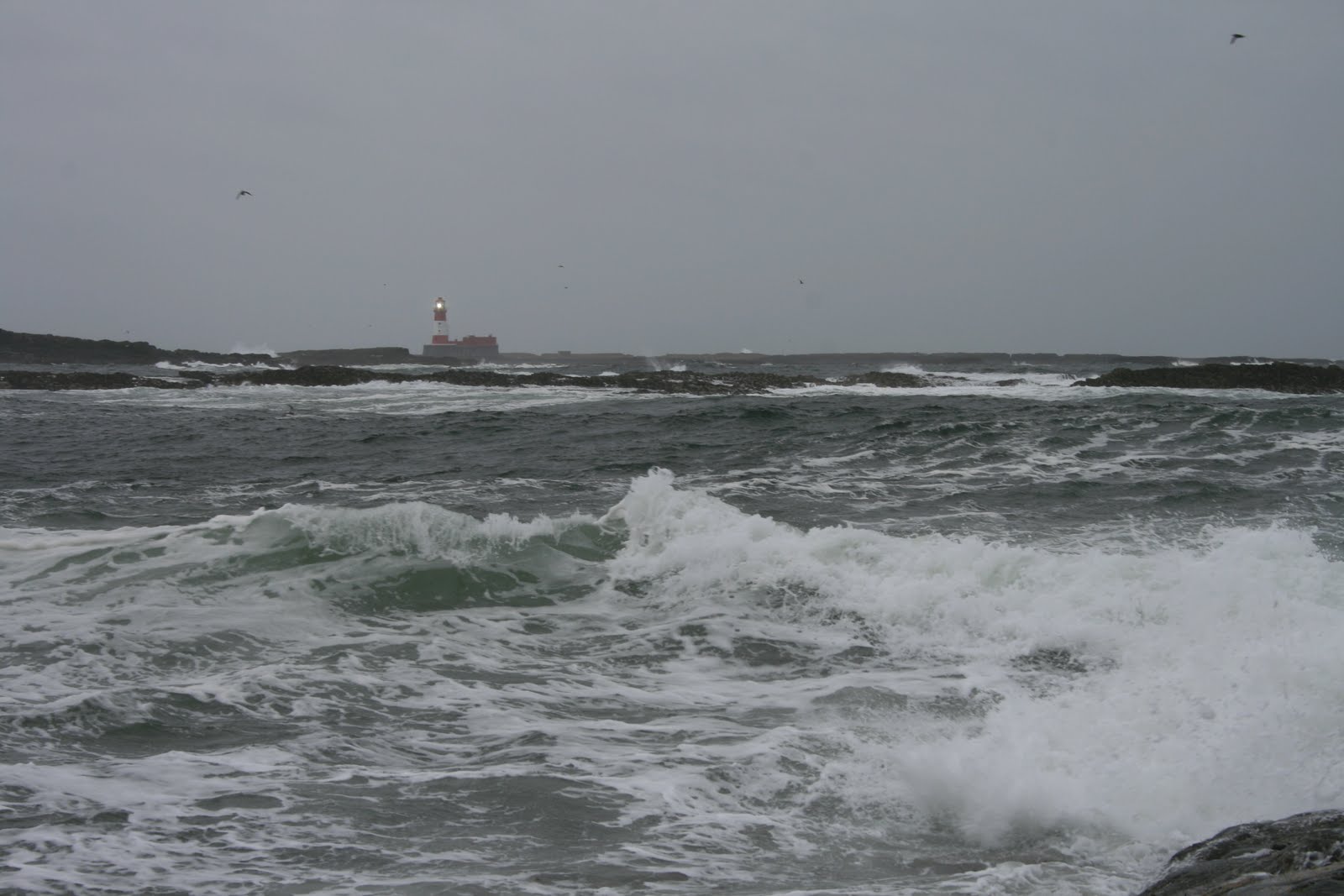
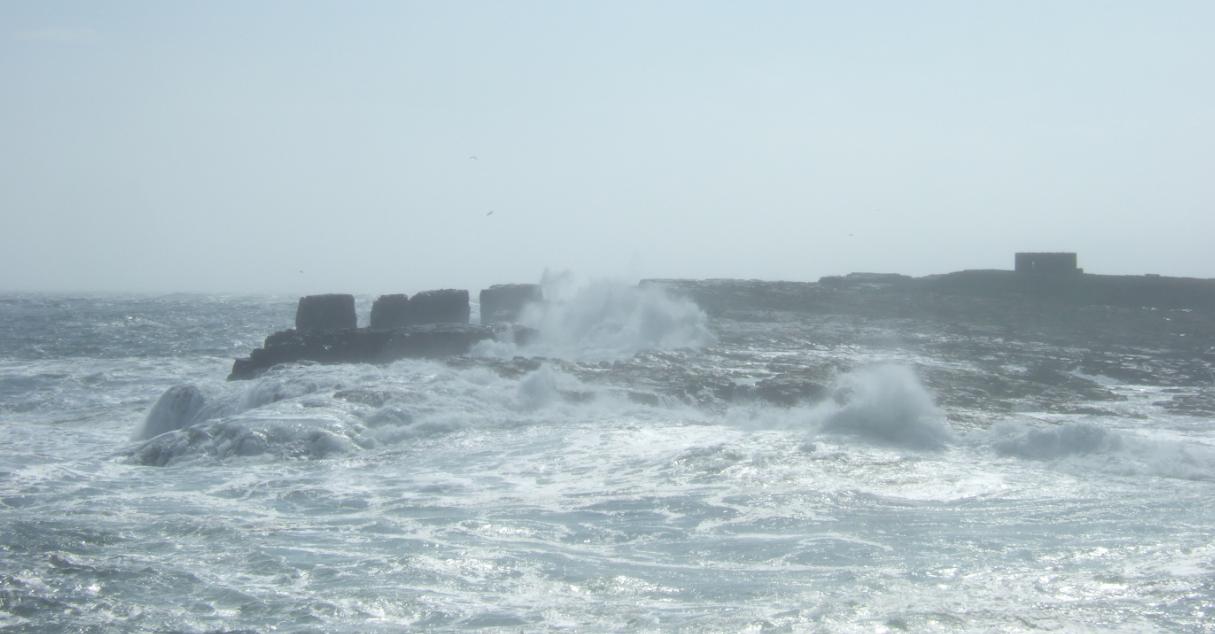
A moody sea against the backdrop of the Longstone Lighthouse

Saturday 23rd October comments: The forecasters got this one right. The stormy weather arrived, hammering the islands during the small hours of Friday night and as dawn broke on Saturday, we were greeted by heavy seas and constant drizzle. The islands, as expected, remained closed to the public (a great start to the half-term!) although eyes were trained on the sea, as a good number of Little Auks were logged flying north.
As for the Grey Seals and their pups, they just got on with business as usual, finding shelter away from the worst of the weather and keeping those pups safe from the moody sea. It'll be some time before we get a chance to inspect the colonies and until then, we'll be keeping safe and warm ourselves.
Today's highlights: Little Auk 118 north, Sooty Shearwater 39N, Manx Shearwater 2N, Great Northern Diver 1N along with a small scattering migrants including Woodcock.

Northern Two Cayes Island

sandbore-northern-1Among Beilizes’ best qualities are it’s beaches and it’s diving, making owning a private island a dream! Fortunately for prospective buyers there is often a number of islands to choose from at a variety of price points. One of the newest and higher end islands to come on the market is Northern Two Cayes Island.

Just a two hour flight from Miami this tropical island is within easy reach of the US. Sandbore Caye and Northern Caye are collectively known as Northern Two Cayes and comprise a pair of beautiful sister islandsin the clear blue waters of the Western Caribbean.

Northern Two Cayes sits on Lighthouse Reef — one of only five atolls in the entire Atlantic system, just 40 miles off mainland Belize. Lighthouse Reef is home to famed dive site, the Great Blue Hole.

With the irresistible charm of a Polynesian atoll, this stunning island duo is ready to become either the ultimate private island retreat or a South Pacific-style world-class private island resort. The property’s existing airstrip and former 11-room dive resort provide the basic infrastructure from which to construct a legacy private retreat or a substantial 100-room+ luxurious resort.

For more information visit Private Islands Online.

Good birds continue

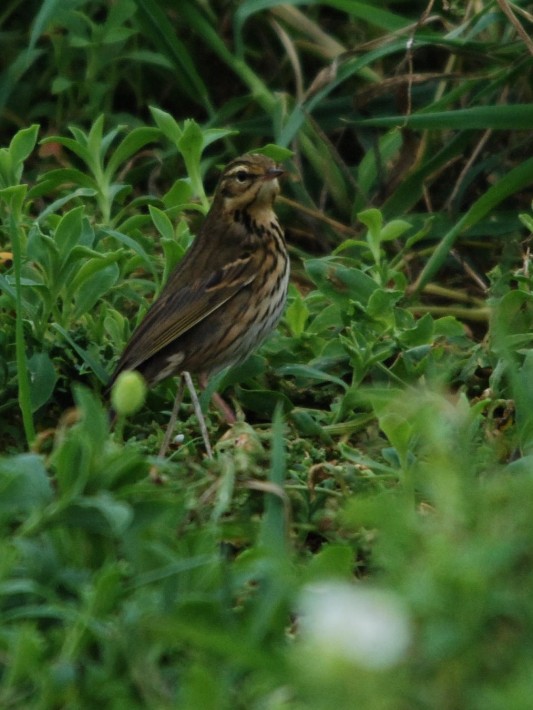
Olive-backed Pipit - third for the Farnes (David Andrews)
A real rare - Olive-backed Pipit on Brownsman (David Andrews)

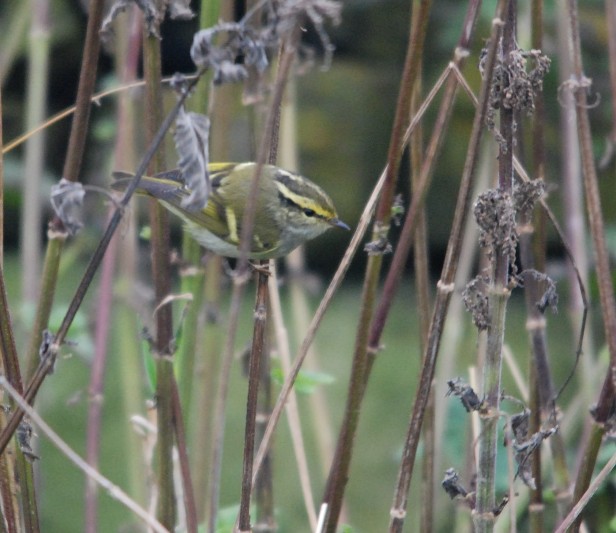
Pallas's Warbler - the first in England this autumn (Graeme Duincan)

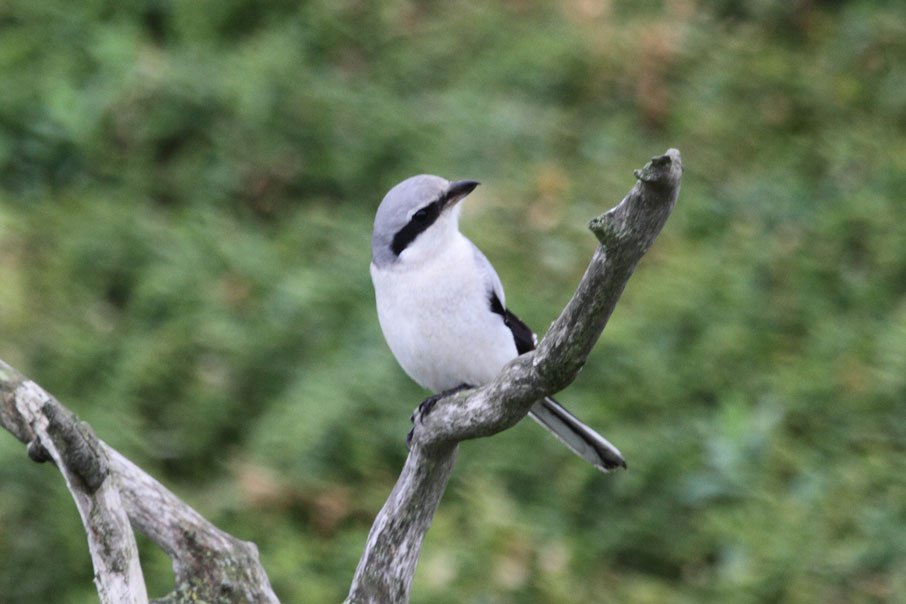
The third this year - Great Grey Shrike (David Andrews)

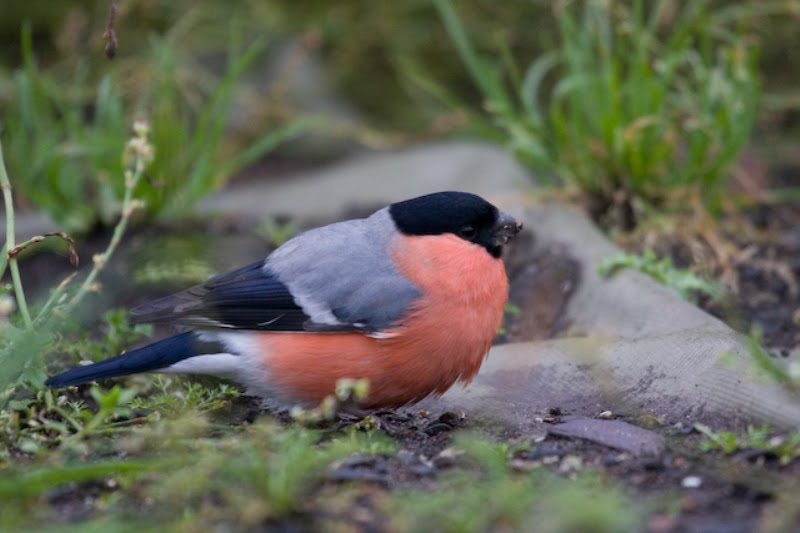
Northern Bullfinch on Brownsman
Major highlights during recent ‘fall’:
Olive-backed Pipit – 3rd Farnes record on Brownsman on 12th October
Shorelark two birds 9th-12th October on Inner Farne and Brownsman
Pallas’s Warbler 8th-11th October, Inner Farne (first in England this autumn)
Great Grey Shrike 9th October, Longstone (third this year)
Northern Bullfinch 9th-12th October, Brownsman (first since 2004)
Yellow-browed Warbler 8th on Brownsman, 11th-12th Inner Farne

Rescue time

Ouch that has to hurt
Hook, line and sinker - removed from the adult Gannet

Goldcrest - one of several hundred on the islands

Thursday 14th October comments: Its been another frantic and exciting time for the Farnes as the wind (once again) blew in from the east, bringing with it hundreds of common (and not so common) migrants to the islands. From the outstandingly rare Olive-backed Pipit (a bird of central Siberia) to hundreds of Robins, Goldcrests and Chiffchaffs, which have descended onto the islands. The Farnes at this time of year transform, from the seabird colonies of the summer to the 'service stations' for migrant birds of the autumn - it really is a magical place.
However our attentions were drawn to seabirds for a brief period as we had to undertake a full on rescue, as an adult Gannet was discovered entangled in fishing-line complete with large hooks and lead weight. Thankfully we were able to rescue the bird and remove the offending material, before releasing the bird unharmed back into the wild. This bird got lucky (unlike its rescuers which were bitten to shreds by its powerful bill) as discarded fishing-line can be a real concern for seabirds but I’m glad to report that these kind of incidents are very rare (and long may they stay that way!).
Away from the wonders of bird migration and the Gannet rescue, it won’t be long before I start bringing you the news of our Seal pups as its mid-October and its ‘pupping time’ once again, so watch this space…

Saying goodbye

Little Bunting, Brownsman (Mark Breaks)
Saying Goodbye - Mark on his way
Saturday 2nd October comments: It’s been a time of change on the Farnes as the weather has switched to the south, the number of migrant birds present on the islands has started to decline and we’ve started saying goodbye to some of the team.
The last few days has brought yet more rarities including Little Bunting and Richard’s Pipit on Brownsman, although in general, the majority of common migrants has declined. Interestingly, our long staying gem: the Arctic Redpoll remains happy and content on Brownsman.
However it’s not just the migrants which have been departing. At this time of year we say goodbye to some members of staff as the team reduces in number for the final two months. Recently we have said goodbye to Sarah, Wez, Michael and Tom, whilst another member Mark, waved goodbye yesterday. Mark, a Brownsman warden has enjoyed finding and photographing some of the best birds on the islands this year – this blog is certainly thankful for Marks photography skills. So we wish him and everyone else well for the future – good luck team and hopefully we’ll see some of you back soon!

Today’s highlights
Richard’s Pipit on Brownsman then onto nearby Staple Island
Arctic Redpoll still present on Brownsman

Deluge!

What a stunner - one of two Great Grey Shrikes (Mark Breaks)
Britain's smallest - a migrant Goldcrest (Mark Breaks)

Short-eared Owl drifts over (Mark Breaks)

Wednesday 29th September comments:
It’s been another interesting few days on the Farnes. The wind switched from the north to the east, resulting in further days without visitor boats, but the floodgates opened, as migrant birds descended onto the islands.
I apologise in advance for the ‘birdy’ nature of the blog at present, but it’s been a frantic period, with birds galore across the islands. Huge numbers of warblers, finches and thrushes have arrived with a few rarities scattered amongst them including an impressive two Great Grey Shrikes on Brownsman, the first Yellow-browed Warbler of the autumn whilst the Arctic Redpoll remained in residence. Read on for the recent daily totals, its worth a glance…

Recent highlights
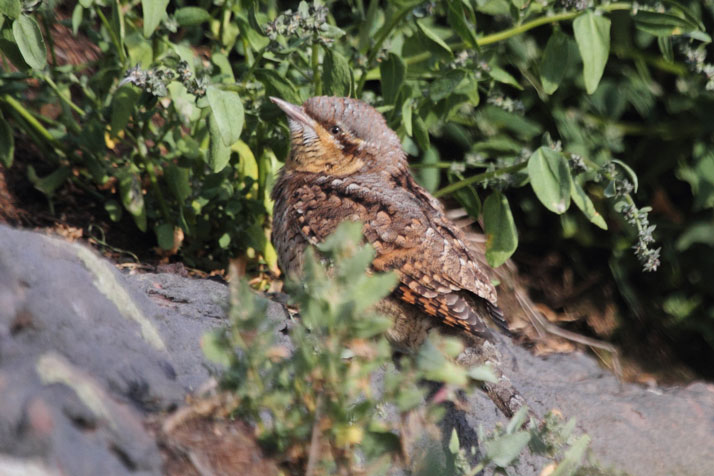
Wryneck
2 (individuals on Inner Farne and Brownsman) on 28th September
Bluethroat (third this year) on Inner Farne on 27th-28th September
Yellow-browed Warbler 1 on Inner Farne on 27th-28th September
Great Grey Shrike 2 together on Brownsman on 27th with one on 28th
**Arctic Redpoll still present today (arrived 24th)
Common Redpoll 2 together on Inner Farne on 27th September
Common Rosefinch 25th-27th September
Lapland Bunting 2 on Inner Farne on 27th with one Brownsman on 28th-29th
Little Bunting on Brownsman on 29th September

Other birds on 29th September
Lapwing, Kestrel 3, Peregrine 2, Sparrowhawk, Jack Snipe 2, Short Eared Owl, Wood Pigeon, Tree Pipit, Robin 60, Dunnock 22, Redstart 23, Wheatear 13, Whinchat 3, Song Thrush 290, Redwing 25, Ring Ouzel 2, Blackbird 19, Grasshopper Warbler 2, Reed Warbler 2, Blackcap 16, Garden Warbler 2, Whitethroat, Willow Warbler 10, Chiffchaff 39, Goldcrest 29, Pied Flycatcher 5, Brambling 105, Chaffinch 89, Siskin 50, Lesser Redpoll and Reed Bunting 9
Other birds on 28th September
Brent Goose 10N, Sparrowhawk 2, Kestrel 3, Merlin, Peregrine 2, Greenshank, Common Sandpiper 2, Jack Snipe 3, Grey Plover, Wood Pigeon 2, Tree Pipit 3, Dunnock 18, Robin 90, Redstart 33, Whinchat 4, Wheatear 16, Sing Thrush 120, Redwing 71, Grasshopper Warbler, Reed Warbler 3, Blackcap 18, Garden Warbler 3, Whitethroat 4, Lesser Whitethroat 3, Willow Warbler 20, Chiffchaff 62, Goldcrest 42, Pied Flycatcher 3, Brambling 87, Chaffinch 64, Siskin 71, Lesser Redpoll and Reed Bunting 4
Other birds on 27th September
Sooty Shearwater 101N, Manx Shearwater 16N, Kestrel 2. Sparrowhawk, Peregrine 2, Short-eared Owl 2 west, Wood Pigeon 12 (record Farnes count!), Yellow Wagtail, Tree Pipit 7, Dunnock 17, Robin 92, Redstart 24, Wheatear 13, Whinchat 7, Song Thrush 150, Redwing 80, Blackbird 24, Ring Ouzel 5, Grasshopper Warbler, Reed Warbler 2, Blackcap 24 and Willow Warbler 15

Arctic Explorer

Cracking snowball - Arctic Redpoll (Mark Breaks)
No mistake - a stunner (Mark Breaks)

One in the wall - Arctic Redpoll on Brownsman (Mark Breaks)

juv Sabine's Gull off Inner Farne (David Andrews)

Distant but great to see - Sabine's Gull (David Andrews)

Friday 24th September comments: It’s been an epic 24hrs as the weather turned and the islands were blasted from the cool north. Yesterday proved a day of contrast as flat seas and warm sunny conditions gave way to a northerly breeze and a heavy sea. The conditions deteriorated overnight and by dawn this morning, the sea was boiling. The strong winds from the north were producing an epic sea and it’ll be some time before it calms and business returns to normal.

Despite the conditions, birds were still on the move, as migrants and seabirds were logged during the day with some noticeable highlights. The most stunning involved an Arctic Redpoll (a ‘snowball’) of the hornemanni race – the islands third Arctic following an individual in October 1989 and up to four in December 1995. Other highlights included two Sabine’s Gulls (including one which lingered in the kettle off Inner Farne from 16:00 until dusk) always a nice delight to brighten up any day.

Today Major highlights:
Arctic Redpoll (third record for islands)
Balearic Shearwater 3N
Sabine’s Gull 2 (adult south with juvenile lingering)
Common Rosefinch for second day (3rd this autumn)

Other birds today:
Sooty Shearwater 322N, Manx Shearwater 25N, Velvet Scoter 2N, Tufted Duck 1S, Arctic Skua 10N, Bonxie 21N, Skylark 3, Whinchat, Redstart 2, Fiedlfare, Whitethroat, Blackcap, Siskin, Brambling and Snow Bunting.

Recent highlights:
Cory’s Shearwater 1N on 23rd September
Long-tailed Skua juvenile north on 23rd September
Corncrake on 22nd September flushed from nettle patch on Brownsman

Snowball remains

Still here - the snowball wonder (Mark Breaks)
Saturday 25th September comments: Where still in it. The northerly storm continued throughout the day, bringing huge seas and thunderous waves. Visitor boats remained moored in Seahouses harbour, tourists stayed at home and the wardens battened down the hatches – once again. It’s been a brutal day although which brought more migrant birds whilst others remained including the stunning Arctic Redpoll. The weather forecast suggests more strong winds from the north over the next few days, so it may be some time before things return back to normal.
Today Major highlights:
Arctic Redpoll on Brownsman for second day
Common Rosefinch for third day
Other birds today: Sooty Shearwater 182N, Manx Shearwater 12N, Bonxie 10N, Arctic Skua 3N, Red-throated Diver 22N, Red-necked Grebe 2 (including one in Kettle), Pink-footed Goose 4N, Brent Goose 4N, Barnacle Goose 289N, Wigeon 238N, Velvet Scoter 10N, Tufted Duck 2N, Teal 18N, Shoveler 21N, Red-breasted Merganser 9N, Peregrine 2, Snipe, Jack Snipe on Staple – first for autumn, Ruff 1, Short-eared Owl 2, Skylark 2, Whinchat, Wheatear, Redwing 3, Redstart, Grasshopper Warbler, Willow Warbler 3, Brambling 2.

Its pup time again…

First of the autumn - Seal Pups return
Saturday 18th September comments:
It’s been a quiet week, as westerly winds have dominated (although not reaching 412mph!!) and bird migration has been restricted, in fact we’ve been closed to the public for two days due to strong winds! However the wind has eventually eased today, and birds have started moving including our first Geese of the winter whilst 82 Sooty Shearwaters was noteworthy.
However big news belonged to the Seals, as our first pup of the year was born on the South Wamses, opposite Brownsman. How time flies! It feels just a few months ago that we were saying goodbye to our last Seal pups and here we go again. The autumn is upon us and its seal pup time…bring it on.
Our other bit of major news involved our resident White-tailed Eagle. The bird, having been content on Staple Island for some time, lifted off the island yesterday and moved south, some way out to sea on the back of a strong westerly wind. The bird appears not to have returned to the islands (we’ve not seen it in over 24 hours) and we now wonder if the bird reached the mainland south of the Farnes – so watch out, our barn door may be on mainland Northumberland!
Todays highlights: Sooty Shearwater 82N, Manx Shearwater 26N, Brent Geese 23N – first movement today, Pink-footed Geese 80 west, Velvet Scoter 1 male north, Red-breasted Merganser 8N, Lapland Bunting 1 west over Inner Farne.

Just how old…

Just how old - a ringed Arctic Tern on Inner Farne (Jason Moss)
Tuesday 21st September comments: For those who have not seen the nes today, the islands released a press release of some interest...
A sea-bird has officially become the UK's oldest recorded Arctic Tern. It was ringed as a chick on the Farne Islands on 28 June, 1980, making it at least 30 years, two months and 23 days old. The birds typically live 13-15 years. This bird's record-breaking status was confirmed after it was recaptured this summer on the islands, located a few miles off the Northumberland coast.
Arctic terns' 44,000-mile (70,000km) pole-to-pole migration is the longest known annual journey of any animal. The previous UK record was 29 years and 10 months, although the typical life expectancy is about 13-15 years - primarily as a result of the terns being prey for other predatory birds, lack of food or being caught in storms while at sea.
The bird was originally ringed by John Walton when he was a seasonal warden for the National Trust, which owns the Farnes. Mr Walton, now property manager for the islands, told BBC News he was delighted when he heard the news that the chick he ringed three decades ago was still going strong. "This bird would have flown close to one million miles, raised any number of chicks, survived predators and storms and still looks in brilliant shape."
The new record only came to light after the information was entered into a database managed by the British Trust for Ornithology (BTO), Mr Walton explained, "then this figure pinged out saying 30 years and I thought wow! Ringing - which involves attaching a lightweight ring with a unique identification number around the leg of a bird - is carried out to allow researchers to learn more about individual birds. Although the tern, known as CE60645, has set a new UK record, it is still some years away from claiming the title of the world's oldest Arctic tern that is currently held by a bird ringed in the US and reached the age of 34 years.
"Fingers crossed, this bird is good for another four or five years, which would allow us to take the world record from the Americans," Mr Walton joked.

412mph…

One of our Ortolan Buntings on the visitor centre! (Mark Breaks)
One of two bats resident on the Farnes at this moment (Mark Breaks)

Siskins flocking on the islands

Friday 10th September comments: Its been an epic week and the excitement even continued yesterday as Inner Farne hosted not just two, but three Ortolan Buntings! However the weather has finally eased allowing the majority of the common passage migrants to head off and continue their journey south to the southern hemisphere and beyond.

Interestingly during the week, it’s not just migrant birds which arrived, as two bats arrived, with individuals on Brownsman and Inner Farne. Bats are rare on the islands and both are still present, roosting during the day in the buildings and hunting at night.

On a final note, we had better brace ourselves next week – the Brownsman team were quick to point out the forecasts for next week – the winds will gust to 412mph according to the internet!!!! It was no joke, but maybe a typo, we hope… (check it out below...)

Weather check gone wrong..

Fall

Wryneck on Brownsman (Mark Breaks)
Pied Flycatcher on passage (Mark Breaks)

Good numbers of Redstarts (Mark Breaks)

Staple Island being battered (Tom Simon)
Tuesday 7th September comments: WHAT a day! The strong south-easterly winds continued to dominate, backed with driving rain in the morning which eased early afternoon – we even had bright sunshine later in the day! The islands remained closed as the seas were monstrous (the islands were battered) and we probably won’t be open until Thursday at the very earliest.
However all eyes were focused on the islands, as large numbers of common migrants were grounded with the odd rarity chucked in for good measure. It was an excellent day (see below) and the next few days should bring even more...bring it on!
Major highlights:
White-tailed Eagle – still present on Staple Island
Wryneck - for second day on Brownsman
Marsh Warbler – on Brownsman - first ever Farnes autumn record
Wood Warbler – on Inner Farne
Ortolan Bunting – 2 immatures together on Inner Farne
Lapland Bunting – 3 still on Brownsman
Today’s other totals: Sooty Shearwater 1N, Peregrine, Common Sandpiper 2, Snipe 7, Ruff west over Staple Island, Greenshank lingering, Arctic Skua 1N, Great Skua 3N, Swift 1 west – late individual, Swallow 3 south, Yellow Wagtail 12 including one white individual, Tree Pipit 13, Whinchat 15, Wheatear 42, Redstart 29, Song Thrush 5, Fieldfare 1 – first of the autumn, Reed Warbler 9, Sedge Warbler 4, Grasshopper Warbler 6, Lesser Whitethroat, Whitethroat, Garden Warbler 39, Blackcap 11, Willow Warbler 35, Pied Flycatcher 5, Spotted Flycatcher 2 and Reed Bunting 2.