Upcoming Webinar on Medicare 60-Day Rule — June 20

The Health Reform Act specifies a procedure for providers receiving overpayments. Section 6402 of the PPACA states that Medicare overpayments are to repaid to the government within 60 days of discovery. The law however raises a number of questions which providers hoped would be answered in recent rules issued by CMS. However, clarifications are still needed, and because the law is already effective, providers need guidance in implementing this law. It is critical that overpayments be handled strictly in accordance with the requirements, because failure to do so could result in a fraud claim with possible civil or even criminal penalties.

Join us for this On Demand Webinar – “Medicare 60-Day Rule: Rules and Penalties on Return of Medicare Overpayments To Control Fraud Measures!” on Wednesday, June 20, 2012 . This webinar has been compiled by Wayne J. Miller, Esq., - Founding partner of the Compliance Law Group, Los Angeles, a law firm focused on health care industry legal compliance for clients nationwide. Wayne has practiced healthcare business and regulatory law throughout his 30-year career. His firm represents a wide range of healthcare industry clients throughout the nation. He is an exceptional speaker on healthcare compliance/reimbursement, transactional and regulatory issues.

Highlights of the session :

• Impact of PPACA Supreme Court decision on the rule’s enforceability 
• Known requirements of the new 60-day rule, as well as the issues still being addressed. 
• Potential liability for violating the law, and how to avoid it 
• When the 60 day repayment period starts 
• What to do if a payment’s status is disputed 
• Best practices for addressing potential overpayments by Medicare 
• What is the basic rule regarding the return of Medicare overpayments 
• What the rule says, and what it doesn’t address 

Register today for this live audio conference using the link below :

CLICK HERE TO REGISTER

…..and apply discount code "SAVE20" at checkout to get your $20 discount on registration.

Source:
http://feeds.feedburner.com/DigitalPathologyBlog

Grading Medical Apps

Happtique jumps from selling apps to vetting them

Courtesy of and via FierceMobileHealthcare


Finally! That was my first thought when app store Happtique announced last week that it planned not only to sell health apps, but also to certify their efficacy. It's something I've written about before, and a process I'm excited to see play out.

FierceMobileHealthcare talked with three of the four individuals who have been enlisted to create the certification program for Happtique--Howard Luks, an orthopedic surgeon and professor at New York Medical College; Shuva Roy, the biomedical microdevices director for University of California, San Francisco; and Dave deBronkart, a health blogger and the consumer-facing specialist of the group--who indicated that they're scheduled to hold their first meeting in two to three weeks to sketch out the initial shape of the program, which is due to Happtique by July.

To start, I asked if the program will provide a simple seal of approval, or actually deliver granular grading or rating information. The answer, I was happy to hear, was the latter. Luks said the idea is to provide a grading system that will be attached to all apps in the Happtique store, showing where an app performed well, and where it fell short.

Next, I asked if the program will test actual products, with physicians or tech specialists getting hands-on with individual apps, or if it will certify the design and development process of the app. It's a question all three of the panelists had been pondering, but haven't reached a clear answer yet. Luks and Roy did acknowledge that true product testing could be a herculean undertaking with tens of thousands of health apps already on the market, and more emerging every day.

Corey Ackerman, Happtique's founder, however, told GigaOM last week that he envisioned "a set of standards for apps judged by actual doctors who treat that issue. For example, oncologists won't review diabetes apps." So the scale might be tipping toward a program that actually test-drives apps before certifying them.

With regard to exactly what the panel will be certifying, they said that those decisions won't be made until at least their first meeting. They indicated, though, they're looking to include criteria for app quality, reliability, usability, consumer engagement, value to the user, cost, simplicity, and interoperability.

The panelists were adamant about having a strong clinical element to evaluate the medical viability of apps. "We're looking for evidence-based medicine, proven algorithms, mobile health guides that offer the patient or the enterprise realistic guidance, and realistic, actionable information," Luks said.

Reliability was a key concern, as well. The program will need carefully examine rates of false positive or negative results, incorrect data collection, mistakes in algorithms, or even full app failures, Roy said.

Security, too, was on the panelists' minds. The program will need to determine core security measures such as encryption and password protections, but also evaluate an app's vulnerability to mal- or spyware, and the security of any stored data.

The program may even go so far as to vet the interoperability of apps, determining which can be used on different devices and platforms, and possibly how they interface with different downstream systems such as EHRs, according to Roy.

What's more, the panelists indicated that they also want to include criteria to weed out apps with any significant conflicts of interest. For example, apps from pharmaceutical companies that drive users to their newest drugs would get a big red flag.

Still, while the panelists had strong feelings about many of these criteria, they stressed that the process is wide open yet, and none of these particulars will be nailed down until they've had a few meetings.

Ultimately, I see a huge upside to an app certification program for the healthcare industry. But I also see a huge challenge facing this panel, one they'll be hard-pressed to hurdle in the short six-month window they've been given. I'll certainly be keeping up with our panelists in the coming months to see how things progress. - Sara

Read more: Happtique jumps from selling apps to vetting them - FierceMobileHealthcare http://www.fiercemobilehealthcare.com/story/happtique-jumps-selling-apps-vetting-them/2012-01-17?utm_medium=nl&utm_source=internal#ixzz1yF1lzHhE 

Subscribe: http://www.fiercemobilehealthcare.com/signup?sourceform=Viral-Tynt-FierceMobileHealthcare-FierceMobileHealthcare


Source:
http://feeds.feedburner.com/DigitalPathologyBlog

Hamamatsu’s NanoZoomer whole-slide scanners play a critical role in CSHL’s Mouse Brain Architecture Project

HamamatsuBRIDGEWATER, N.J., June 15, 2012 /PRNewswire/ -- Hamamatsu's NanoZoomer whole-slide scanners help make Cold Spring Harbor Laboratory's (CSHL) Mouse Brain Architecture Project a success by imaging thousands of mouse brain tissue slices. The Mouse Brain Architecture Project is an ongoing endeavor to map neural connectivity in the mouse brain using a systematic, high-throughput process. This process involves labeling a mouse brain region with suitable neuronal tracers, followed by tissue imaging using Hamamatsu's NanoZoomer2.0-HT whole-slide scanners, and then 3D reconstruction of the scanned 2D images. The project's accumulated images can be found online at http://brainarchitecture.org/mouse/about. New images will be continually added to the website.

Since the project's start in 2009, two NanoZoomer2.0-HT scanners have imaged over 400,000 slide-mounted tissues and proven their reliability. The scanners convert glass slides into digital slides quickly and accurately, generating high-quality digital images. The NanoZoomer scanners allow for fast, robust scanning by leveraging our proprietary designs in sensors, auto-focus implementation, slide-handling and easy to understand and navigate user interface. Other features include a Z-stack function to accommodate thicker tissue samples, copy and share capabilities, secure storage of images, and network and database interface support.

For more information about the NanoZoomer whole-slide scanners, including pricing and delivery time, please call Hamamatsu Corporation at 1-800-524-0504 or visit the company's website, http://sales.hamamatsu.com.

About Hamamatsu Corporation
Hamamatsu Corporation is the North American subsidiary of Hamamatsu Photonics K.K. (Japan), a leading manufacturer of devices for the generation and measurement of infrared, visible, and ultraviolet light. These devices include photodiodes, photomultiplier tubes, scientific light sources, infrared detectors, photoconductive detectors, and image sensors. The parent company is dedicated to the advancement of photonics through extensive research. This corporate philosophy results in state-of-the-art products which are used throughout the world in scientific, industrial, and commercial applications. 

Information furnished by Hamamatsu Corporation is believed to be reliable. However, no responsibility is assumed for possible inaccuracies or omissions. Specifications are subject to change without notice.

Source: PR Newswire (http://s.tt/1ezrm)

Source:
http://feeds.feedburner.com/DigitalPathologyBlog

Director of Laboratory Informatics and Digital Pathology — SUNY Upstate

And here it is -- offered by The State of New York -- A Director of Digital Pathology position. To my knowledge, I haven't seen too many jobs for "Director of Digital Pathology".

It looks like the position is being offered by SUNY Upstate Medical Center.  The position requires a MS in Computer Engineering/Medical Informatics or relevant field with a minumum of 5 years work experience and MBA strongly preferred.  

Now the cool part -- project management, review and assessment of current and future information systems, leadership future pathology IT investments AND coordination of integration initiatives to EPIC and other EMRS!

And the really cool part -- the position will also be responsible for implementation of a state-of-the-art Digital Pathology system which will be integrated to large physician practices and hospitals.

Sounds like Syracuse has some big plans for Digital Pathology within their healthcare delivery system.  

Look forward to deliverables to come from whoever accepts this opportunity and challege.

CLINICAL PATHOLOGY ADMIN  
State of New York  
Director of Laboratory Informatics and Digital Pathology  
TH Senior Staff Associate  
NSSL5  
Commensurate with Qualifications  
Full-Time  
100  
Responsible for implementation of a state-of-the-art Digital Pathology system which will be integrated to large physician practices and hospitals. Includes coordination and management of the project, testing, installation, training, budgeting and integration of services. Management of Laboratory Informatics team. Coordination of projects, review and assessment of current and future information systems. Provide business direction for future pathology information technology investments. Leadership and coordination of integration initiatives to EPIC and other EMRs.  
Master of Science in Computer Engineering/Medical Informatics or relevant field with a minimum of five years of experience in informatics. MBA strongly preferred.  
Monday to Friday, 8:30 am to 5:00 pm (hours flexible)  
Professional and Administrative  
06-11-2012  
Open Until Filled
Jacqueline Peak  

More information.

SUNY 
Minimum Qualifications: Master of Science in Computer Engineering/Medical Informatics or relevant field with a minimum of five years of experience in informatics. MBA strongly preferred.
Job Standard / Operational Needs: Responsible for implementation of a state-of-the-art Digital Pathology system which will be integrated to large physician practices and hospitals. Includes coordination and management of the project, testing, installation, training, budgeting and integration of services. Management of Laboratory Informatics team. Coordination of projects, review and assessment of current and future information systems. Provide business direction for future pathology information technology investments. Leadership and coordination of integration initiatives to EPIC and other EMRs.

Source:
http://feeds.feedburner.com/DigitalPathologyBlog

Aperio Webinar: Quantitative ePathology in Preclinical Safety Studies

Wednesday, June 20, 2012

7:00 am Pacific Time / 10:00 am Eastern Time
(3:00 pm London GMT / 9:00 am Mexico City CDT)

Presenter: Dr. Kai Hartmann, Definiens

Definiens Tissue Studio® is now available as part of Aperio ePathology Solutions. By creating a tight integration between the Aperio eSlide Manager™ and Definiens Tissue Studio and Developer platforms, researchers now have access to the most comprehensive image analysis and data management solution available today.

In this webinar, Dr. Hartmann will discuss how Definiens and Aperio PRECISION tools can be utilized for quantitative assessment of tissues in preclinical safety studies. Solutions for measuring stain intensity, quantifying morphological features of cells and cellular structures, describing spatial relationships, and mining and reporting data will be presented. Definiens image and data analysis has been shown to reduce study time, increase scoring efficiency, accuracy and objectivity and to relieve the pathologist from tedious, routine tasks.

To register for this Aperio ePathology Solutions webinar click here.

About Aperio
Aperio ePathology Solutions are transforming the practice of pathology. The NETWORK enables remote, simultaneous, real-time viewing and distribution for consults and collaboration, while the PRECISION tools empower pathologists with advanced analytic capabilities. To learn more, visit us at http://www.aperio.com


Source:
http://feeds.feedburner.com/DigitalPathologyBlog

Museums of London Tour, October 5-14, with Jim Edmonson of the Dittrick Museum

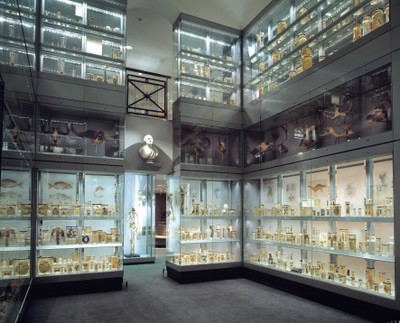
Friend of Morbid Anatomy Jim Edmonson of Cleveland's Dittrick Medical Museum has just informed us that he will be leading a guided tour of London Museums this October 5th to 14th; stops along the way include such wonderful museums as The Wellcome Collection (who is celebrating its 5th birthday today! Happy birthday!), The Hunterian, and the Old Operating Theatre.

Blurb follows; full details can be found here:

Museums of London Tour
Art, History and Medicine, October 5-14, 2012 

We invite you to join Catherine Scallen, Chair of the Art History department and Jim Edmonson, Curator of the Dittrick Museum on the campus of Case Western Reserve University, for this custom designed tour of the key museums of London, England. Jim's contact with fellow curators and museum directors opens doors and provides the group with unique insights into their collections and aspects not normally open to the general public. Catherine's experience teaching and researching the masters of European Art from 1400 to 1900 will provide historical depth that makes the art museums' collections come alive.  

Please note that our deadline for reserving a place on the London tour is June 30,
so contact us today to secure your reservation.

Please note: the final sign up day has been extended to June 30 from June 15th. If interested, you can find out more here.

Photo: The Hunterian Museum, London, from the museum's website.

Source:
http://morbidanatomy.blogspot.com/feeds/posts/default?alt=rss

RESURRECTION! A Gala Benefit to Rebuild The Morbid Anatomy Library, Saturday, June 30th, 8:00 PM

For those of you who might not have already heard, on Good Friday of this year, The Morbid Anatomy Library suffered a mighty and devastating deluge. On Saturday, Saturday, June 30th, Observatory and Morbid Anatomy will host an epic and underground-star-studded rebuilding gala, and we would love to see you there.

The fête will be hosted by Evan Michelson of The Science Channel's "Oddities" and cult writer and luminary Mark Dery, and will feature mini-lectures by such luminaries as Mike Zohn and Ryan Mathews of "Oddities;Melissa Milgrom, author of Still Life: Adventures in Taxidermy; New York Magazine's Mark Jacobson; Carl Schoonover, author of Portraits of the Mind, and many more. The silent auction to follow will include works by such amazing artists and makers as Mark Dion and Dana Sherwood, Rosamond Purcell, Robert Marbury, Sophie Blackall, Jessica Joslin, Paul Koudounaris, Sue Jeiven, Daisy Tainton, Sigrid Sarda, Saul Chernick, Nicholas Kahn, Laura Splan, Alex Kanevsky, Erika Larsen, Shannon Taggart, and Justine Cooper.

Full details follow, and invitation can be found here. Hope very very much to see you there!

RESURRECTION! A Gala Benefit to Rebuild The Morbid Anatomy Library
Date: Saturday, June 30
Time: 8:00
Admission: $25

Presented by Morbid Anatomy

On Good Friday, 2012, The Morbid Anatomy Librarysuffered a deluge; a fire in an upstairs gallery set off the sprinkler system, dousing the library below and destroying many books and artifacts.

On Saturday, June 30th, join Observatory and The Morbid Anatomy Library for a star-studded resurrection spectacular MCed by Evan Michelson of TV's "Oddities" and cult writer and luminary Mark Dery. Presenters will include Mike Zohn and Ryan Mathews of TV's "Oddities;Melissa Milgrom, author of Still Life: Adventures in Taxidermy; New York Magazine's Mark Jacobson; Carl Schoonover, author of Portraits of the Mind; Barbara Mathé of AMNH; Lisa O’Sullivan, director of the Center for the History of Medicine and Public Health at the New York Academy of Medicine; Lord Whimsy of The Affected Provincial's Almanac Volume 1 and Amy Herzog of Queens College. There will be screenings of The Midnight Archive, complimentary cocktails, performances by Jonny Clockworks, and droll  giveaways from the design firm Kikkerland. Attendees are encouraged to dress "Obscurely."

Following the festivities, be sure to stick around for a scintillating silent auction of Morbid Anatomy-themed taxidermy, artworks, specimens and artifacts, which will include pieces by fine artists Mark Dion and Dana Sherwood, Rosamond Purcell, Minnesota Rogue Taxidermist Robert Marbury, MTA Artist-in-Residence Sophie Blackall, creative taxidermist Jessica Joslin, Ryan Mathews of "Oddities," Empire of Death author/photographer Paul Koudounaris, anthropomorphic taxidermist Sue Jeiven, anthropomorphic insect shadowbox maker Daisy Tainton, waxworker Sigrid Sarda, and museum-exhibit designer Christopher Muller, as well as unforgettable works by photographers Erika Larsen, Shannon Taggart, Julia Solis, and Justine Cooper,  artists Saul Chernick, Nicholas Kahn, Laura Splan, Alex Kanevsky, Suzanne Anker, Friese Undine, Demetrios Vital, Cindy Stelmackowich, GF Newland, and Andrea Meadows, to name just a few.

If you can not join us at the benefit and are interested in aiding in rebuilding efforts, here are a few things you can do:

  • Make a monetary donation; to do so, simply click on the black "Donate Here" button on the top right hand side of this blog
  • Sponsor a book; Click hereto
    see a list of damaged books; books purchased here will automatically ship directly to The Library and populate our sadly empty shelves.
  • Help spread the word!
  • Donate new books or artifacts for the collection: Mailing Address: Joanna Ebenstein, c/o The Morbid Anatomy Library, 543 Union Street #1E, Brooklyn, NY 1121

Thanks so much! And hope to see you soon at a bigger, better Morbid Anatomy Library very very soon!

Source:
http://morbidanatomy.blogspot.com/feeds/posts/default?alt=rss

DNA give new insights into Michelle Obama’s roots

REX, Ga. Joan Tribble held tightly to her cane as she ventured into the overgrown cemetery where her people were buried. There lay the pioneers who once populated north Georgias rugged frontier, where striving white men planted corn and cotton, fought for the Confederacy and owned slaves.

The settlers interred here were mostly forgotten over the decades as their progeny scattered across the South, embracing unassuming lives.

But one line of her family took another path, heading north on a tumultuous, winding journey that ultimately led to the White House.

The white men and women buried here are the forebears of Tribble, a retired bookkeeper who delights in her two grandchildren and her Sunday church mornings. They are also ancestors of Michelle Obama, the first lady.

The discovery of this unexpected family tie between the nations most prominent black woman and a white, silver-haired grandmother from the Atlanta suburbs underscores the entangled histories and racial intermingling that continue to bind countless American families more than 140 years after the Civil War.

The link was established through more than two years of research into Obamas roots, which included DNA tests of white and black relatives. Like many African-Americans, Obama was aware that she had white ancestry, but knew little more.

Now, for the first time, the white forebears who have remained hidden in the first ladys family tree can be identified. And her blood ties are not only to the dead. She has an entire constellation of white distant cousins who live in Georgia, South Carolina, Alabama, Texas and beyond, who in turn are only now learning of their kinship to her.

Those relatives include professionals and blue-collar workers, a retired construction worker, an accountant, a dietitian and an insurance claims adjuster, among others, who never imagined they had black relatives. Most had no idea that their ancestors owned slaves.

Many of them, like Tribble, 69, are still grappling with their wrenching connection to the White House. You really dont like to face this kind of thing, said Tribble, whose ancestors owned the first ladys great-great-great-grandmother.

Some of Tribbles relatives have declined to discuss the matter beyond the closed doors of their homes, fearful that they might be vilified as racists or forced to publicly atone for their forebears.

Visit link:
DNA give new insights into Michelle Obama’s roots

Posted in DNA

Richmond DNA cases show not all reports prove innocence

The Virginia Department of Forensic Science has released DNA test reports in 30 of the 38 cases that the Urban Institute says support exoneration. Five of those cases are from Richmond.

Two of the Richmond cases, Victor Burnette and Thomas Edward Haynesworth, led to exonerations that were supported by Michael N. Herring, the Richmond commonwealth's attorney who became a key advocate for Haynesworth.

But as far as Herring is concerned, in the three other cases, even if the DNA test results were available at the time of the trials, it would not have altered the outcomes.

Dennis Michael Titus, now 53, was convicted in Richmond of the April 10, 1978, murder and attempted rape of a 31-year-old sunbather stabbed to death on the roof of her West Franklin Street high-rise apartment building.

DNA testing in his case failed to identify his DNA in sperm taken from a physical evidence recovery kit from the victim, identified in news accounts as Mary Dill Simpson, but did find the DNA of an unknown male.

According to reports, police said they did not believe Simpson had been raped. Nevertheless, they obtained the evidence later subjected to DNA testing. Police said Titus, a janitor at the building, became a suspect when he indicated to police he knew she was dead before her body was found.

Police also said that after he was arrested, he admitted killing her when she refused to have sex with him. Titus was sentenced to life and is being held at the Powhatan Correctional Center. He declined to be interviewed last week.

Bernard Coleman, now 49, pleaded guilty to second-degree murder in the Dec. 20, 1985, slaying of his roommate, Cedric Lee Mayo, 24, shot to death during a quarrel after both men had been drinking.

Mayo was shot once near the eye with a .22-caliber bullet. After the killing, Coleman and a friend took Mayo's body to a wooded area off North 39th Street, where a passer-by found it on Christmas Eve. Coleman fled to Washington and was arrested in February 1986.

The evidence tested in that case was described only as a white suit in the report that said Coleman's DNA was not found. Coleman was released from prison in 1991 and could not be reached for comment.

Continue reading here:
Richmond DNA cases show not all reports prove innocence

Posted in DNA

The biology of tumor-derived microvesicles

ScienceDaily (June 21, 2012) A new paper by Crislyn D'Souza-Schorey, professor of biological sciences at the University of Notre Dame, discusses the biology of tumor-derived microvesicles and their clinical application as circulating biomarkers. Microvesicles are membrane-bound sacs released by tumor cells and can be detected in the body fluids of cancer patients.

The World Health Organization estimates that cancer will cause approximately 9 million deaths in 2015. The rising prevalence of the disease is a major factor that drives the growth of the oncology biomarkers market. Biomarkers can be defined as any biological, chemical or physical parameter that can be utilized as an indicator of physiological or disease status. Thus, biomarkers are useful in cancer screening and detection and drug design and also in boosting the effectiveness of cancer care by allowing physicians to tailor therapies for individual patients -- an approach known as personalized medicine.

The new paper discusses the potential of microvesicles to present a combination of disease- and tissue-specific markers that would constitute a unique and identifiable biosignature for individual cancers.

"As such, it would make their sampling over time a preferred method to monitor changes to the tumor in response to treatment, especially for tissues such as the ovary or pancreas, where repeated biopsies of these organs is impractical," D'Souza-Schorey said.

Profiling of microvesicles could form the basis of personalized, targeted cancer therapies, especially as more reliable and rapid profiling technologies become available.

"For example, certain markers like HER2/neu, in addition to being elevated in breast cancer, is also increased in a relatively smaller subset of other cancers such as ovarian cancer," D'Souza-Schorey said. "This latter group of patients would benefit from existing treatment strategies that target the HER2 receptor."

The approach could be advantageous over currently used approaches of profiling whole tissue or un-fractionated body fluid particularly if circulating microvesicles indeed concentrate molecular changes that occur in the tumor, as it would increase the sensitivity of detecting critical markers of cancer progression.

"One complicating factor, though, is the presence of shed vesicles from other non-tumor cell types also in direct contact with these body fluids," D'Souza-Schorey said. "Thus, equally significant is the development of strategies to selectively capture tumor-specific markers that separate from other shed vesicle populations."

In collaboration with local oncologists, the D'Souza-Schorey laboratory is investigating the potential of microvesicles as a cancer diagnostic platform, a project under the umbrella of Notre Dame's Advanced Diagnostics and Therapeutics Initiative. The lab's research on the biology of microvesicles and their roles in tumor progression is supported by the National Cancer Institute and the Indiana Clinical and Translational Sciences Institute.

"Despite considerable strides, effort and investment in cancer biomarker research in the past decade, there are still more desirable outcomes, most especially enhanced sensitivity to enable early detection," D'Souza-Schorey said. "An effective biomarker platform that will overcome these challenges would be paradigm-shifting in cancer care."

The rest is here:
The biology of tumor-derived microvesicles

Grb2 holds powerful molecular signaling pathway in check

ScienceDaily (June 22, 2012) Once considered merely a passive link between proteins that matter, Grb2 -- pronounced "grab2" -- actually lives up to its nickname with its controlling grip on an important cell signaling pathway, scientists at The University of Texas MD Anderson Cancer Center report in the June 22 issue of Cell.

"Grb2 is a switch that controls normal signaling through the fibroblast growth factor receptor (FGFR)," said the paper's senior author, John Ladbury, Ph.D., professor in MD Anderson's Department of Biochemistry and Molecular Biology.

"Perhaps the best way to think about it is that Grb2 controls cell homeostasis (stable state) before a growth factor binds to FGFR, activating this molecular pathway," Ladbury said.

In addition to discovering a fundamental aspect of FGFR signaling, the researchers' discovery points to a potential explanation of why genomic alterations found in breast, bladder and gastric cancers and melanoma might promote cancer formation and growth, Ladbury noted.

FGFR has a docking station to receive growth factors on the cell surface, and another internal region that passes the growth factor signal on to proteins inside the cell by attaching phosphate groups to them.

FGFR employs phosphorylation to regulate a number of important processes, including the cell cycle, cell proliferation and migration. When some of these pathways become overactive, they can contribute to cancer growth and survival.

Like "a car idling in neutral" ready to go

Grb2's full name reflects its location: growth factor receptor-bound protein 2. In the great rush of molecular signaling pathway mapping in the 1990s, Ladbury noted that Grb2 was labeled an "adaptor protein," one that has no activity of its own apart from connecting to other proteins.

Mapping ran way ahead of figuring out each protein's function in a signaling pathway, Ladbury said, and scientists are still catching up in that area.

"When you think about it, why would a cell bother to produce a protein that plays only a passive role linking one protein to another?" Ladbury said. He and his colleagues found that's simply not the case with Grb2.

See original here:
Grb2 holds powerful molecular signaling pathway in check

8 diet and exercise mistakes that age you

Eating too much sugar certainly isnt wise for your waistline, but did you know that overindulging in dessert can add years to your face? And even if you do strenuous cardio workouts each week, youll be missing out on potential anti-aging body benefits if your schedule doesnt include yoga, weight training and rest.

Find out if youre making one of these eight common diet and exercise mistakes, and get smart prevention strategies that can keep you slim and youthful for years to come.

1. You Overdo Dessert

The breakdown of sugars, called glycation, damages the collagen that keeps skin smooth and firm. To prevent this natural process from careening out of control, Dr. Naila Malik, a dermatologist in Southlake, Texas, sticks to low-glycemic carbs like whole grains. Theyre naturally low in sugar, and the body processes them slowly to limit the loss of collagen. If you want to sweeten up your tea or oatmeal without making your skin look older, try all-natural stevia. Its an easily digested herbal sweetener that doesnt trigger glycation, according to board-certified dermatologist Dr. Nicholas Perricone, an adjunct professor of medicine at Michigan State Universitys College of Human Medicine.

2. You Spin Away Stress

Taking your work angst out on the bike or treadmill might make you feel better for a little while, but incorporating yoga into your fitness routine regularly may help you look younger and prevent breakouts while whittling away stress. Sounds like a winning workout to us! Yoga moves like childs pose, downward-facing dog and sun salutations improve circulation the boost of oxygen is what gives skin that lovely yoga glow, says Dr. Hema Sundaram, a Washington, D.C., dermatologist. New research finds regular yoga practice may reduce the inflammation and stress that speed skin aging. If you need another reason to om away your stress: High levels of tension can spike hormone production that leads to breakouts or aggravates conditions like psoriasis. Controlling stress keeps your skin calm, says Dr. Annie Chiu, a dermatologist in Los Angeles.

3. You Always Choose Coffee Over Tea

Research suggests that green and black tea contain protective compounds like EGCG and theaflavins that help prevent skin cancers and the breakdown of collagen, the cause of wrinkles.

4. You Pretend to Be Allergic to Dumbbells

Following a regular strength-training routine that creates better, more supportive muscle tone will help you firm sagging skin from the neck down. I am religious about strength-training, and I always tell patients to do it more as they get older, says Dr. Patricia Farris, a dermatologist in Metairie, La. Its like adding volume to the face with fillers, except on your body, says Farris.

Continue reading here:
8 diet and exercise mistakes that age you

Dog DNA kits track mutt makeup

The Fredericton SPCA is selling dog DNA kits to help owners determine their pet's breed.

The test can help an owner find out if their Rottweiler actually has some Chihuahua in its genes, or if their family's pureblood Labrador is really a mutt.

"This is CSI-type technology that is now available in your home," said LeeAnn Haggerty, the education and outreach co-ordinator for the Fredericton SPCA.

The dog DNA is matched to a genetic database of more than 190 different breeds to help identify the specific breed.

Within three weeks of administering the test, owners receive an eight-page report detailing their dog's ancestry.

Haggerty said the mixed-breed identification kits, which cost $70, have been popular in Fredericton so far.

Identifying a dog's breed can help owners understand what kind of dog they are dealing with, said Amy Schneider, a veterinarian at the Valley Veterinary Hospital in Fredericton.

"If you're talking about a mixed breed dog then you're talking about different breeds mixed together and then who knows what the resulting behaviours of that dog will be," she said.

Read more here:
Dog DNA kits track mutt makeup

Posted in DNA

Dog owners offered 'CSI-type' DNA test

FREDERICTON, New Brunswick, June 22 (UPI) -- Canadian dog owners can now buy a DNA kit with "CSI-type technology" to help them determine their pet's breed, officials of an animal group say.

The Society for the Prevention of Cruelty to Animals in the New Brunswick capital of Fredericton says the kit can help owners confirm if their pet is purebred or a mutt, the Canadian Broadcasting Corp. reported Friday.

Within three weeks of administering the DNA test, owners receive an eight-page report detailing their dog's ancestry from matching the DNA to a genetic database of more than 190 different breeds.

"This is CSI-type technology that is now available in your home," said LeeAnn Haggerty, education and outreach coordinator for the Fredericton SPCA.

The identification kits, which cost $70, have been popular in Fredericton so far, she said.

Confirming a dog's breed, or its mix, can help owners understand what kind of dog they are dealing with, Fredericton veterinarian Amy Schneider said.

"If you're talking about a mixed breed dog then you're talking about different breeds mixed together and then who knows what the resulting behaviors of that dog will be," she said.

Link:
Dog owners offered 'CSI-type' DNA test

Posted in DNA

Appeals Court Allows For DNA Testing In 1996 Highland Park Murder Case

WAUKEGAN, Ill. (CBS) A state appeals court has ordered that DNA evidence from a 1997 murder trial in Lake County be tested for the first time.

As WBBM Newsradios Bernie Tafoya reports, Louis Rozo, 46, has already served more than 15 years of his 75-year sentence. He was convicted of the murder of retired speech pathology professor Christy Shervanian, 69, on Dec. 1, 1996, in his Highland Park home.

LISTEN: WBBM Newsradios Bernie Tafoya reports

Rozo tried a few years ago to get a Lake County judge to order than evidence from the trial undergo DNA testing, but he was turned down.

But now, a higher court says samples of tissue from underneath the victims fingernails, and blood recovered from a glove, should be tested.

Rozo also wants the DNA samples to be compared to those of two men who were lovers of the victim. One of them, Rudolph Zink, even testified for the prosecution at Rozos trial in 1997.

There is no reason not to test the already extant DNA evidence of the two other men whom (Rozo) alleges were actually involved in the murder. This evidence would be materially relevant to defendants claim of innocence, Second District Appellate Justice Robert McLaren wrote in his opinion.

Rozo will be eligible for parole in 2034.

DNA evidence is a hot-button issue in Lake County, following several recent cases where it led to convictions being tossed, or charges being dropped.

Leading the high-profile cases in Lake County is that of Jerry Hobbs, who was jailed for five years awaiting trial, having been charged in the murders of his 8-year-old daughter, Laura Hobbs, and her friend, Krystal Tobias, 9. Their bodies were found in 2005 in the Beulah Park Forest Preserve in Zion.

Read the original here:
Appeals Court Allows For DNA Testing In 1996 Highland Park Murder Case

Posted in DNA

DNA Isolation Kits feature magnetic bead-based design.

MO BIO's novel MagnaClear(TM) technology, included in the PowerMag(TM) Soil DNA Isolation Kit, enables automated purification of DNA from soil, stool and environmental samples without surface binding to the beads, eliminating the adsorption of organic inhibitors that is typical of other magnetic bead technologies, and facilitating isolation of pure DNA. The PowerMag(TM) Microbial DNA Isolation Kit contains unique MagnaSwift(TM) technology, developed for rapid, automated purification of inhibitor-free DNA from pure microbial cultures, food cultures and swabs. The PowerMag(TM) Soil and Microbial DNA Kits are the first magnetic bead-based purification kits to incorporate patented Inhibitor Removal Technology, which removes PCR-inhibiting compounds associated with soil, stool and food cultures, including humic substances, phenolics, lipids and polysaccharides.

The PowerMag(TM) Soil and Microbial DNA Isolation Kits are available now. For more information, visit the MO BIO website (www.mobio.com/powermag) or call 800-606-6246.

MO BIO Laboratories, Inc. (www.mobio.com) has developed innovative tools for researchers in molecular biology since 1993. A global leader in solutions for soil and microbial nucleic acid purification, MO BIO's Power kits contain patented Inhibitor Removal Technology for removal of PCR inhibiting substances during the nucleic acid purification procedure. For samples that do not require inhibitor removal, MO BIO's UltraClean line includes optimized products for DNA and RNA isolation from a variety of sample types. For clinical samples, the BiOstic(TM) kits provide solutions for higher yields and purity of nucleic acids. At MO BIO Laboratories, Inc., our focus is quality products that work, save time and function for all sample types, not just the easy ones. It is MO BIO's aim to make researchers' working lives more productive and efficient, creating time to focus on what is critical, not just in work, but in life.

CONTACT: Heather Martinez, Technical Product Manager of MO BIO Laboratories, Inc., +1-760-929-9911

Web Site: http://www.mobio.com

Read more from the original source:
DNA Isolation Kits feature magnetic bead-based design.

Posted in DNA

Infection biology: The elusive third factor

Public release date: 22-Jun-2012 [ | E-mail | Share ]

Contact: Luise Dirscherl dirscherl@lmu.de 49-892-180-2706 Ludwig-Maximilians-Universitt Mnchen

Researchers from Ludwig-Maximilians-Universitt (LMU) in Munich have identified an enzyme that is involved in a modification pathway that is essential for bacterial pathogenicity. Because it shows no similarity to other known proteins, it may be an ideal target for development of novel antimicrobial drugs.

Studies on a number of pathogenic bacteria have shown that these strains become pathogenic only when an enzyme called elongation factor P (EF-P) is chemically modified on a conserved lysine residue. EF-P is a universally conserved translation factor, which is involved in protein synthesis. Two enzymes are known to be involved in modifying the conserved lysine of EF-P, however these enzymes cannot fully account for the pattern of modification seen on EF-P in living cells.

The mystery molecule

Thus, at least one other protein must be involved in the modification process however to date it has proved to be particularly elusive. Now a research team led by LMU biochemist Daniel Wilson, who is also affiliated with the Center for Integrated Protein Science Munich (CIPSM), a Cluster of Excellence at LMU, has succeeded in identifying the mystery protein as the enzyme YfcM and showing that it displays hydroxylase activity. Strikingly, YfcM shows no sequence similarity to any other known protein and therefore may have a unique structure.

This is not the only reason why discovery of YfcM will arouse great interest. "YfcM may turn out to be an ideal target for the development of new - and urgently needed antibiotics, however more insight will be needed to ascertain the role of the YfcM mediated hydroxylation of EF-P," says Wilson.

###

AAAS and EurekAlert! are not responsible for the accuracy of news releases posted to EurekAlert! by contributing institutions or for the use of any information through the EurekAlert! system.

Continued here:
Infection biology: The elusive third factor

Autism Speaks awards nearly $2.9 million to fund autism research

Public release date: 21-Jun-2012 [ | E-mail | Share ]

Contact: Jane E. Rubinstein jrubinstein@rubenstein.com 212-843-8287 Autism Speaks

New York, N.Y. (June 21, 2012) Autism Speaks, the world's leading autism science and advocacy organization, today announced the award of new research grants totaling nearly $2.9 million in funding to support autism research. "Suzanne and I are extraordinarily proud of Autism Speaks, not only for funding research projects which have tremendous potential to open new avenues to understanding autism," said Autism Speaks Co-founder Bob Wright, "but in supporting predoctoral and postdoctoral fellows who are the next generation of leaders in autism research."

The projects approved include a Suzanne and Bob Wright Trailblazer Award, ten Weatherstone Predoctoral Fellowships and nine Postdoctoral Fellowships in Translational Research. In addition, five targeted research studies which support research across a range of high-priority areas were funded. These include environmental risk factors, understanding the impact of DSM-5 on autism diagnosis, the development of medicines, new behavioral treatments across the lifespan, improved access to early intervention in minority communities and a deeper understanding of autism biology.

"We are extremely gratified by the high quality of these research projects. These projects focus on issues that directly affect the lives of individuals with autism, such as the development of new treatments, the impact of the new diagnostic criteria for autism, and understanding the causes of autism," says Autism Speaks Chief Science Officer Geri Dawson, Ph.D. "and the fellowships are so important for bringing new talent into the field."

The new Trailblazer project was awarded to Raymond Palmer, Ph.D., an expert in preventive medicine and epidemiology at the University of Texas Health Sciences Center to investigate the use of baby teeth to track exposure to chemicals during the prenatal and postnatal period that may affect autism risk. "The lack of methods to determine environmental exposures during critical periods of early development has long challenged research into environmental risk factors for autism," Dr. Dawson says of the study's importance. Dr. Palmer pioneered the use of lost baby teeth to detect prenatal and early childhood exposure pesticides, drugs and other environmental chemicals in typically developing children. After further validating the method, the goal will be to compare baby teeth from children with autism to those from a control group unaffected by the disorder.

Targeted research projects, reviewed by outside experts and the Autism Speaks Scientific Review Panel address timely autism research studies.

David Mandell, Ph.D., of the University of Pennsylvania, will develop and evaluate the effects of a population-based program to improve early diagnosis and referral for autism services in an underserved minority community.

Two projects will use animal models that promise to advance the development of autism medicines. Joseph Buxbaum, Ph.D., of Mount Sinai School of Medicine, will use rat models to identify brain pathways common to several forms of autism. Richard Paylor, Ph.D., of Baylor College of Medicine, will complete his classification of autism-like behaviors in genetically engineered rat models of autism.

At the University of South Carolina, Laura Carpenter, Ph.D. will conduct a study that promises to provide clearer information on the effect of proposed changes to the definition of ASD in the next edition of the Diagnostic and Statistical Manual for Mental Disorders (DSM-5). She will also assess how these changes will affect the estimated prevalence of autism using two different population-screening methods.

Read more from the original source:
Autism Speaks awards nearly $2.9 million to fund autism research

Roundup from Microbiology Meeting

Some of the interesting stories researchers were discussing at this years American Society of Microbiology meeting in San Francisco.

Are air microbes alive?

Air contains a multitude of bacteria, up to 10,000 per cubic meter, which researchers have assumed exist in spore or dormant forms. To test this assumption, investigators from Rutgers University in New Brunswick, New Jersey, collected air from several locations from around the state and tried to increase the numbers of microbes using a spare liquid culture containing water and small amounts of salts, acids, and alcoholsconditions that mimic the compounds typically found in the air. The researchers then aerosolized successfully growing bacterial cultures using a reactor that they designed and built in-house, and recorded the amount of the carbon isotope 13 that was incorporated into the bacterial DNA a proxy for growth. Although the results showing some bacterial growth in aerosolized cultures are tentative, according to a press release, the investigators are hopeful that further research will provide another example of bacteria thriving in inhospitable conditions.

Bacterial virus fights coral disease

Coral reefs are plagued not only by bleaching events in which they dump their photosynthetic symbionts in response to stress, but also by bacterial disease that can spread rapidly through a colony. Researchers cant immunize coral against the bacteria because their immune systems are too rudimentary, and antibiotics cant be applied effectively in open water. Instead, researchers have investigated using a virus that specifically infects and kills the coral bacteria responsible for white-plague-like coral disease in the laboratory with success. A group from Tel Aviv University recently tried the approach in the Gulf of Aqaba, bordered by Egypt, Israel, Jordan, and Saudi Arabia, and found that the virus successfully slowed disease progression and transmission to new corals. For untreated corals, on the other hand, the disease continued to spread throughout the coral tissue and to neighboring corals, killing 65 percent of tissue in 28 days. An added advantage of the approach, the researchers found, was that the virus would replicate as it killed disease-bacteria and spread to other bacterially-infected corals, but would diminish when the bacterial disease was under control, mitigating the possible spread of an introduced virus.

Cigarette smoke makes bacteria more virulent

Researchers from Columbia University in New York have found that cigarette smoke changes the properties of commensal bacteria, putting smokers at greater risk of their microbiome becoming dangerous. Staphylococcus aureus is part of our normal flora, but it can also cause disease. Exposure to smoke altered Staph physiology, increasing its ability to stick to human cells as well as inanimate objects; increasing its genetic mutations, which could lead to antibiotic-resistant strains; and enhancing its ability to grow as a biofilm. Chronic infections are often caused by bacteria that grow as biofilms, and researchers found that their observations were consistent with the increased incidence of difficult-to-treat infections with smoke exposure.

See more here:
Roundup from Microbiology Meeting

DNA used to identify deceased along Texas-Mexico border

ScienceDaily (June 21, 2012) In the small Texas town of Del Rio, about five miles from the Mexican border, lies Westlawn Cemetery, a place where the poor and lost are buried in unmarked graves, their identities unknown. A group of Baylor University professors and students hope to give those buried there a name and return them to their loved ones.

Dr. Lori Baker, associate professor of anthropology at Baylor, forensic science lecturer Jim Huggins, and 18 students exhumed remains at the cemetery and are performing DNA analysis to help identify the deceased.

After exhuming the graves, students worked in teams to analyze the remains and are in the process of performing a full anthropological analysis to determine age, sex, ancestry, and stature of the deceased, measuring and completing 3D scans of the bones at laboratories at Baylor and Texas State University in San Marcos, Texas.

During the field school in Del Rio, the team unearthed six deceased to be identified along with the remains of a baby. "I am hoping that we will be able to go back and see if the mother was also buried in the cemetery near the baby," Baker said.

The DNA analysis will be included in the National Missing and Unidentified Persons System (NamUs) and the Combined DNA Index System (CODIS) and shared with officials in Del Rio and the Mexican Secretary of Foreign Affairs with the goal of positive identification and repatriation of the remains to their families in Mexico. For Baker, the field school is a unique opportunity for students to learn and have an impact on others.

"No one else in the United States is doing this right now -- taking students on a field school to identify the undocumented population that have died while crossing the border. This is unique," said Baker. "This field school has allowed the students to learn with hands-on experience how to locate and recover human remains in a forensic context. They are learning how to analyze the remains in order to learn all that they can from the deceased and how to look for signs of antemortem and post-mortem trauma. There is no better learning experience that we can provide for them. The field school also provided an opportunity for the students to work in a humanitarian effort that has the potential to significantly affect others."

Although this is Huggins's first field school of this type, his almost 30-year career in law enforcement has allowed him to experience exhumations as part of forensic criminal investigations. He believes experience is the best teacher for the students. "This type of project provides real-world experience for students who aspire to become anthropologists and forensic scientists as well as those who desire to serve in a worthwhile project," Huggins said.

Baker, who was recently featured in a four-part series on the National Geographic Channel called "The Decrypters," has examined the remains of roughly 300 unidentified, undocumented immigrants that resulted in 70 direct identifications and subsequent repatriations as part of her Reuniting Families Program. She hopes to help families heal after the loss of their loved ones.

"The families are left without knowledge of what became of their loved ones. These deceased individuals are buried without names and as long as they are buried, there is no further action to find their identities," Baker said. "We will do all we can to give them names and to get them back to their families. We hope that the closure will bring peace to the families."

Share this story on Facebook, Twitter, and Google:

Read the original:
DNA used to identify deceased along Texas-Mexico border

Posted in DNA