Call for Papers: The 6th International Conference on Bioinformatics and Biomedical Engineering

May 17~20, 2012     Shanghai, China

http://www.icbbe.org/2012/

The 6th International Conference on Bioinformatics and Biomedical Engineering (iCBBE 2012) will be held from May 17th to 20th, 2012 in Shanghai, China. iCBBE 2012 will bring together top researchers from Asian Pacific areas, North America, Europe and around the world to exchange research results and address open issues in all aspects of bioinformatics and biomedical engineering.

iCBBE has been successfully held 5 times, and all the papers accepted have been indexed by Ei compendex in a short time.

All accepted papers will be included in IEEE Xplore and indexed by Ei Compendex and ISTP.

Selected outstanding papers (extended) will be recommended to be published in related SCI/Ei journals.

BBA-BIOMEMBRANES

(ISSN:0005-2736 SCI)

Cellular and Molecular Biology (CELL MOL BIOL)

(ISSN:0145-5680 SCI)

Journal of Enzyme Inhibition and Medicinal Chemistry (J ENZYM INHIB MED CH)

(ISSN:1475-6366 SCI)        

Progress in Biophysics & Molecular Biologyg (PROG BIOPHYS MOL BIO)

(ISSN:0079-6107 SCI)

Applied Biochemistry and Biotechnology  (APPL BIOCHEM BIOTECH)

(ISSN:0273-2289 SCI)        

Biotechnology Advances (BIOTECHNOL ADV)

(ISSN:0734-9750 SCI)

Archiv der Pharmazie (ARCH PHARM)

(ISSN:0365-6233 SCI)   

HYPERTENSION

(ISSN:0194-911X SCI)                   

Critical Reviews? in Therapeutic Drug Carrier Systems (CRIT REV THER DRUG)

(ISSN:0743-4863 SCI)   

Reproductive Sciences (REPROD SCI)

(ISSN:1933-7191 SCI)

Invertebrate Reproduction and Development (INVERTEBR REPROD DEV)

(ISSN:0792-4259 SCI)         


Topics: The conference is soliciting state-of-the-art research papers in the following areas of interest:

Bioinformatics and Computational Biology 

 Protein structure, function and sequence analysis 

 Protein interactions, docking and function 

 Computational proteomics 

 DNA and RNA structure, function and sequence analysis 

 Gene regulation, expression, identification and network 

 Structural, functional and comparative genomics 

 Computational evolutionary biology 

 Data acquisition, normalization, analysis and visualization 

 Algorithms, models, software, and tools in Bioinformatics 

 Any novel approaches to bioinformatics problems 


Biomedical Engineering 

 Biomedical imaging, image processing & visualization 

 Bioelectrical and neural engineering 

 Biomaterials and biomedical optics 

 Methods and biology effects of NMR/CT/ECG technology 

 Biomedical devices, sensors, and artificial organs 

 Biochemical, cellular, molecular and tissue engineering 

 Biomedical robotics and mechanics 

 Rehabilitation engineering and clinical engineering 

 Health monitoring systems and wearable system 

 Bio-signal processing and analysis 

 Biometric and bio-measurement 

 Biomaterial and biomedical optics 

 Other topics related to biomedical engineering 

Special track:

The International Conference on Environmental Pollution and Public Health (EPPH2012)

http://www.icbbe.org/epph2012/

Requirements for paper submission:

Only English papers will be accepted.

All the papers should be formatted according to IEEE template strictly. Please login the website to see further information.

Notices:

Experts and scholars are welcome to make suggestions on the topics for special sessions by email.

Providing one-day free tour in Shanghai after conference.

Please contact the conference committee if you are interested in sponsoring the conference. All submitted papers from co-sponsored university can get a discount of 10%

Important dates:

Paper submission due: Oct. 17, 2011

Acceptance notification: Before Dec. 16, 2011

Contact us:

Secretary: Ms. HU

TEL: 13264702230

Email: submit@icbbe.org


Why a pathology image should not be considered as a radiology image

Interesting paper on Why a pathology image should not be considered as a radiology image in the Journal of Pathology Informatics

Fernandez A, Compton CC, Hipp JD, Balis UJ. Why a pathology image should not be considered as a radiology image. J Pathol Inform [serial online] 2011 [cited 2011 Jun 20];2:26. Available from: http://www.jpathinformatics.org/text.asp?2011/2/1/26/82051

Abstract

Often, the emergence of unified and seamless integration of digital images within contemporary radiology workflow models is held as the exemplar by which any possible future states of an all-digital workflow model in pathology should be compared. Indeed, there is strong evidence to suggest that pathology will ultimately transform into what could be properly termed as a 'digital diagnostic modality', but it is important to distinguish between the prior transformative process within radiology, with its own set of operational challenges (elimination of film, modality workflow management, Digital Imaging and Communications in Medicine (DICOM) harmonization, antitrust, and proprietary file format issues, to name a few), and those challenges that now face pathology, with there being only partial overlap.

Read full article

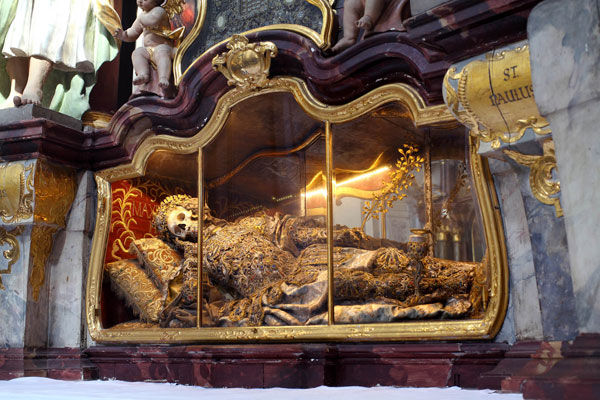
Bones with Bling: The Amazing Jewelled Skeletons of Europe, The Fortean Times


The trend for jewelled skeletons began in the late 16th century. The Roman catacombs, which had been abandoned as burial sites and largely forgotten about, were rediscovered in 1578 by vineyard workers. This coincided with the initial phase of the Counter-Reform­ation; the Council of Trent, called to formulate the Catholic response to the Protestant Reformation, had just concluded, and one of the areas of concern was affirming the efficacy and belief in relics against attacks by their detract ors. Since the remains in the catacombs dated from the second to fifth centuries AD, it was possible, with a bit of wishful thinking, for Church leaders to romant icise the bones as belonging to almost any famed early Christian saint or martyr. In the newfound cache they saw a potential tool to bolster their supply of relics and promote their power.

--From "Bones with Bling: The amazing jewelled skeletons of Europe," by Paul Koudounari for The Fortean Times, June 2011

Click here to read this entire article--a nice walk through the art and history of extraordinary European jewel and bone relics--on The Fortean Times website. All images sourced from the article and taken by author Paul Koudounari.

Thanks so much to Suzanne Gerber over at Wurzeltod for alerting me to this wonderful piece!

Images top to bottom:

  • Relics of St Pancratius, Church of St Nicholas, Wil
  • St Clemens, Church of Sts Peter and Paul, Rott-am-Inn, Germany
  • Holy Martyr Theodosius, Waldsassen
  • The remains of St Maximus, Basilica of Waldsassen

New Lot of Amazing, Lavishly Illustrated, Hard-to-Find Books on Victorian Anthropomorphic Taxidermist Walter Potter for Sale!


For those of you who, like I, are fascinated by the kitten tea parties, bunny schoolhouses, and kitten croquet matches of the undisputed king of Victorian anthropomorphic taxidermy Walter Potter, I have good news! Henceforth, Morbid Anatomy will be distributing the amazing (and very difficult to find!) book Walter Potter and his Museum of Taxidermy written and published by collector and taxidermy scholar Pat Morris.

There are two versions of the book available: the hardcover (see top image)--which sports a handsome stamped canvas cover and an extra signature of 8 full-color pages--and the paperback (see second image down). Both versions are large scale and lavishly illustrated in full-color with scores of nearly impossible-to-find photographs of Potter's unforgettable works, archival photographs of the early museum, and antique and vintage ephemera related to the museum (see bottom two images for examples; click on image to see larger size). The book is also extremely well researched, providing a through biography or Mr Potter, a detailed history of his museum of curious taxidermy, and the stories behind the making of his iconic pieces of anthropomorphic taxidermy.

Books can be purchased on Amazon.com; click here to purchase the hardcover, which goes for $50, and here to purchase the soft cover, which goes for $35. But order quickly: I only have about 8 hardback remaining, and 7 paperback, and these books tend to sell out fast!

And one more thing: I am also distributing the paperback version of Pat Morris' new book A History of Taxidermy: Art, Science and Bad Taste; you can find out more about this book by clicking here. if you are interested in purchasing a copy of this book, you can email me at morbidanatomy [at] gmail.com.

Dead Cities! Victorian Hair Scrapbooks! Automata Demonstrations! This Week and Beyond at Observatory!

I am very excited to announce a whole slew of Morbid Anatomy Presents events taking place at Observatory, this week and beyond. Tonight, join Colin Dickey--author of Cranioklepty: Grave Robbing and the Search for Genius--as he attempts to "conjoin a history of the necropolis with a history of ghost towns and abandoned urban landscapes." This Thursday, join Collector David Freund for a demonstration and discussion of Victorian scrapbooks holding everything "from inventive collages to seaweed compositions to artistically arranged feathers to advertising fragments to human hair to basically anything else that could be glued down." In July, make mummies at one of our popular mummy workshops, take in some “Theatrum Mundi,” investigate postmodern mermaidia, parse the politics of taxidermy, and/or witness antique automatons go through their motions live and in person!

Full list follows; hope very much to see you at one or more of these fantastic events!


Dead Cities / Cities of the Dead: An illustrated lecture by Colin Dickey, author of Cranioklepty: Grave Robbing and the Search for Genius
Date: TONIGHT: Monday, June 20th
Time: 8:00 PM
Admission: $5

Tonight, author Colin Dickey will conjoin a history of the necropolis with a history of ghost towns and abandoned urban landscapes. The necropolis has always been a vital feature of the city, from its earliest incarnations to today. The dead body has long been regarded as both sacred and polluting, so what does a community do with thousands of bodies? From medieval chapels literally bursting with the bones of the dead to the sanitized splendor of the modern funeral industry, how we treat the dead reveal much about how we view the living. How we treat dead cities--from California ghost towns to Ukraine's Pripyat, just outside of Chernobyl--begs a different question: what do we abandon, and why? What does all this urban ruin say about our future? Colin Dickey will intertwine these two forms of urban death to see what it all adds up to.

Colin Dickey is the author of Cranioklepty: Grave Robbing and the Search for Genius, and the co-editor (with Nicole Antebi and Robby Herbst) of Failure! Experiments in Aesthetic and Social Practices. His fiction and nonfiction have appeared in Cabinet, TriQuarterly, and The Santa Monica Review. A native of the San Francisco Bay Area, he now lives in Los Angeles. This is a return visit for Colin, who lectured on Cranioklepty earlier this year at Observatory to great acclaim; more on that lecture can be found here.

Image: The Metropolitan Sepulcher, a plan for a London cemetery circa 1820

dollhouse
Home-Made Visual Albums: An Artifact-Based Lecture with Collector David Freund
Date: THIS THURSDAY June 23
Time: 8:00 PM
Admission: $5
Part of the Out of the Cabinet: Tales of Strange Objects and the People Who Love Them Series, presented by Morbid Anatomy and Morbid Anatomy Scholar in Residence Evan Michelson

Home-Made Visual Albums were incredibly popular productions between the the mid-nineteenth to the mid-twentieth century; these scrap books contained artful arrangements of a wide range of materials, from inventive collages to seaweed compositions to artistically arranged feathers to advertising fragments to human hair to basically anything else that could be glued down. More than simply collections or scrap books, these albums can also be seen as diaries, and project a sense of their absent makers through imaginative content, arresting design, obsession, and, above all, narrative.

Collector and artist David Freund has been collecting--and classifying, into over 40 categories of his own invention-- these enigmatic and fascinating artifacts over the last 30 years. Tonight, join Mr. Freund as be discusses the history and taxonomy of these artifacts and presents a number of exquisite examples from his collection for your delight and perusal.

David Freund earned his MFA from the Visual Studies Workshop after a BA in Theater at UC Davis. Professor Emeritus of Photography at Ramapo College of New Jersey, he chaired its Visual Arts for twenty years. He also taught at Pratt and was a Dayton-Hudson Distinguished Visiting Artist at Carleton College. His NEA photographs showed gas station environments nationwide. Other grants included New York’s CAPS program and NYC’s Institute for Art and Urban Resources. During a Light Works residency Freund curated a regional photo post card exhibition, Penny Publishing. Exhibitions include Light Gallery and Eastman House. Among collections with his work are MOMA, the Corcoran, MFA Houston, and the Bibliotheque Nationale.

Image: Detail from one of David Freund's collection of home-made visual albums from the 19th and early 20th Century

And onward and upward in the weeks to come:

You can find out more about these e
vents on the Observatory website by clicking here. You can get directions to Observatory--which is next door to the Morbid Anatomy Library (more on that here)--by clicking here. You can find out more about Observatory here, join our mailing list by clicking here, and join us on Facebook by clicking here.

Check Out SPOT Macro Imaging Solution

Got a look at this product last week - very nice controls and outstanding images in a nutshell. One of the best gross photo stands I have seen in a longtime.

Pathstand24 PathStand 24™ Macro Imaging Station for Enhanced Pathology Grossing is Worth a Look:

The PathStand 24 digital imaging station produces high-quality images to support your diagnoses and provide visual evidence for your pathology reports.

The PathStand 24 is a complete stand-alone imaging station for the pathology grossing laboratory, with foot-pedal controlled integrated digital camera and calibrated zoom lens. Section lines, block labels, measurements and other annotations can be added directly to the image using the touch-screen monitor, and then transferred directly to your LIMS system.

  • Long-lasting high intensity LED lighting provides optimal color temperature for excellent color reproduction
  • Compatible with LIMS systems including Cerner CoPath and ApolloLIMS
  • Built-in polarizers eliminate glare from wet tissue samples to provide impressive detail and clarity
  • Integrated scientific digital camera produces research quality images with low noise
  • Made with stainless steel construction and fasteners to be corrosion and solvent-resistant in the laboratory environment
  • Available barcode scanning of case and sample information reduces the potential for errors and speeds up the data entry process
  • Turn-key imaging station design allows your laboratory to get up and running quickly

http://www.spotimaging.com/pathsuite/pathstand24.html


    Pathology Resource — IBM Super Computer

    Watson is capable of assessing health data, including medical laboratory test results

    When IBM’s Watson  “supercomputer” squared off against human contestants on theJeopardy game show last February, there certainly were some pathologists andclinical laboratory managers watching this “man versus machine” battle of knowledge. But those pathologists and medical lab managers did not realize that IBM intends for Watson to play a major role in helping physicians diagnose and treat disease. 

    See full story from Dark Daily.

    61411

    IBM’s Watson supercomputer defeated Ken Jennings (left) and Brad Rutter (right) to win $1 million for charity. Someday it may be used by physicians, including pathologists, to better treat patients. (Image sourced from The New York Times.) -- Taken from Dark Daily.

    CAP Highlights to CMS Pathologists’ Potential Roles in ACOs

    While Medicare’s proposed accountable care organization (ACO) rule doesn’t impede pathologists from actively contributing to the model’s success, one concern is that it may not enable pathologists to maximize their value within the health care system. The College outlined these and other observations in official comments to CMS on the proposed rule, submitted earlier this week.

    Read full story at CAP STATLINE.


    More CAP STATLINE news:

    Noted Pathologist James Madara, MD, Named AMA CEO

    The AMA has announced that distinguished academic pathologist, James L. Madara, MD, will take over as Executive Vice President and CEO as of July 1. The current EVP and CEO, Michael Maves, MD, will end his tenure on June 30.

    Dr. Madara comes to the AMA from Leavitt Partners, where he was senior advisor at the health care consulting firm started by former Secretary of Health and Human Services Mike Leavitt. Before joining Leavitt Partners, Dr. Madara was at the University of Chicago from 2002-2009, where he served as the Thompson Distinguished Service Professor and Dean at the University of Chicago Pritzker School of Medicine, as well as the CEO of the University of Chicago Medical Center. Prior to this post, he was the Timmie Professor and Chair of Pathology and Laboratory Medicine at the Emory University School of Medicine in Atlanta.

    Read full story.


    Tomororrow Night at Observatory: Exhibition Opening Party for "The Corrigan Family Oddments," Curated by G. F. Newland

    Tomorrow night! Hope to see you there!

    Exhibition Opening Party for "The Corrigan Family OddmentsCurated by G. F. NewlandDate: Tomorrow, Friday, June 17Time: 7-10pmGreetings Art fans! In celebration of Father’s Day, the Observatory Things-That-Move Dept. invites you all to take a peek at procreation! In nature, talents can be predisposed, and passed on from generation to generation. Families like the Gentileschis, the Peales, the Bachs, the Wyethes, and most recently, the Kominsky-Crumbs have all made a strong case for this heredity thing; the Bush presidencies, not so much, but hey, it’s a crap shoot! Anyway, our latest show is about a wee dynasty of painters named Corrigan, and through their family oddments, we will examine art, eccentricity, and the vagaries of genetic code.The Corrigan Family Oddments features the work of Dennis Corrigan and his two adult daughters, Sara and Becky. Dennis Corrigan–the family patriarch–rose to prominence in the art world of the late 1960s after returning from his tour of duty in the Philippines during the Vietnam war. He continues to pursue an active studio life involving the production of intricate and creepy yet humorous paintings, and film projects based on puppet characters derived from those paintings. His work resides in museums and galleries around the world, including the Metropolitan Museum or Art and the Brooklyn Museum. Sara, his oldest daughter, is a filmmaker and film-editor who has worked with such luminaries as Woody Allen; her fine art work consists of bizarre images of an imaginary and desperate Marilyn Monroe wannabe. These delightful yet deranged little paintings are created in oil on canvas. Becky, the youngest daughter, works as a singer-songwriter and physical therapist while creating very simple line drawings of ludicrous characters and more complex oil portraits of people on the edge.This promises to be a most enjoyable show revealing the concepts and skills, similarities and differences of a very talented and humorous family of artists.

    You can find out more about this event on the Observatory website by clicking here. You can get directions to Observatory--which is next door to the Morbid Anatomy Library (more on that here)--by clicking here. You can find out more about Observatory here, join our mailing list by clicking here, and join us on Facebook by clicking here.Image: Satisfied Nicotine Freaks, Dennis Corrigan, Oil on Canvas

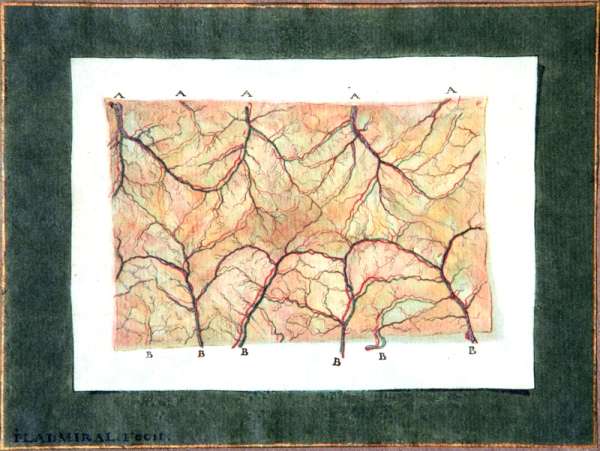
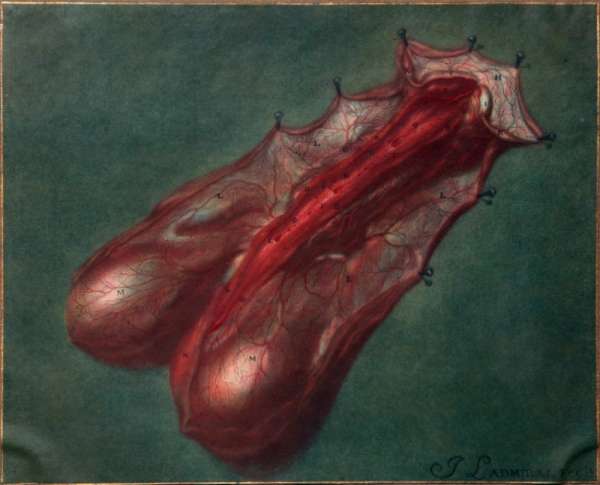
    Jan Ladmiral (1698 – 1773)

    I just discovered the amazing anatomical mezzotints of 18th Century artist Jan Ladmiral (see above) via, of all things, a humorous blog post flaming Congressman Anthony Weiner on a blog called Booktryst. The work is gorgeous, and remind me of another of my favorite anatomical artists, Jacques Fabian Gautier d'Agoty; see this recent post for more on that.A bit about Jan Ladmiral, from the original Booktryst post:

    Jan Ladmiral (1698 - 1773) was a pupil and assistant to the great anatomical illustrator Jacob Christoph Le Blon (1670 - 1741). Afterward, Ladmiral, apparently, presumed ownership of Le Blon's secret invention for coloring mezzotint engravings, a process using three different impressions of primary colors (blue, yellow, and red) for one image and thus able to produce different color values without the use of black."Ladmiral offered his services in the making of colored anatomical representations to the famous anatomist, Albinus in Leyden. This anatomist put his (Ladmiral's] invention to the test and even permitted him to use two posthumous drawings by Ruysch…" (Choulant and Streeter, History and Bibliography of Anatomic Illustration, p. 267).Between 1736 and 1741 Ladmiral created six colored mezzotints of anatomical subjects that made his reputation and remain highly regarded as amongst the finest examples ever produced. Three of those mezzotints are seen here. The initial print in the series, Muscularis mucosae of the intestine, from 1736, is a milestone, the first use of color printing in a medical or scientific book...

    You can read the entire piece in context by clicking here.Images top to bottom:

    1. Brain of an Unborn Child (1738)
    2. Muscularis mucosae of the intestine (1736)
    3. Human penis (1741)

    Lomography Camera Launch Party and Grand Store Reopening (with Mermaid!), Thursday June 16th, Free

    Lomography--a company championing low-tech, low-fi film photography--is launching a new nautical-themed analog camera, and have invited me to be an experimental first user! So, look forward to lots of charmingly imperfect images--such as the one you see above, produced on one of their cameras--in the days and weeks to come.Also of interest: this new camera will be officially unveiled at a launch party taking place at their Greenwich Village shop this Thursday, and will feature free snacks (!) and drinks (!!!) AND a live mermaid (what is it about mermaids these days?)Full details for the launch party follow. Hope to see you there!

    Camera Launch Party and Grand Store ReopeningDate: Thursday, June 16Time: 7:00pm - 10:00pmLocation: Lomography Gallery Store41 W 8th Street, New York, New YorkThe Lomography Gallery Store NYC Greenwich will be returning like a siren as we celebrate an updated shop and a brand new camera while we unveil the first ever Lomography Fish Market!The tide is coming in and it’s bringing a new product ashore! Join us at our Greenwich Village location on Thursday, June 16th at 7pm for a huge party to celebrate our latest catch and tons of new shop features.We will need all hands on deck as we give our guests the chance to win this new mystery product & “go fishing” for film & other analog goodies. We will have a real-live mermaid in attendance as well as musical entertainment by SUPERCUTE! Not to mention drinks and snacks galore.So prepare the sails and bait your hooks! We’ll see you on Thursday, June 16th at 7pm.

    More about the event can be found here. You can RSVP on Facebook by clicking here.Image was sourced here.

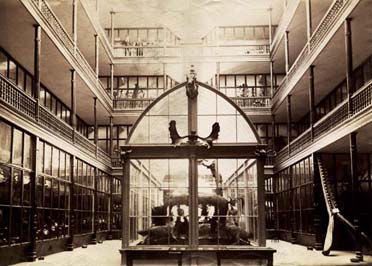
    This Sunday at the Coney Island Museum: "Portrait of a Dime Museum: The Niagra Falls Museum (1827-1999)," a Lecture with Collector Bill Jameison

    This Father's Day Sunday: a unique opportunity to learn about about the historical, curious, and amazing Niagara Falls Museum (est. 1827) from the mouth of its new keeper, Bill Jamieson, surrounded by an assortment of astounding objects from the museum as installed in The Great Coney Island Spectacularium!This event is seriously not to be missed! Full details follow; VERY much hope to see you there!

    Portrait of a Dime Museum: The Niagra Falls Museum (1827-1999)A Lecture by Historian, Museologist, and Collector Bill Jamieson, Owner of The Niagara Falls Museum CollectionLocation: The Coney Island Museum, 1208 Surf AvenueDate: Sunday, June 19Time: 1:00 PMAdmission: $5Part of the Out of the Cabinet: Tales of Strange Objects and the People Who Love Them, presented by Morbid Anatomy and Scholar in Residence Evan MichelsonIn the 19th and early 20th Centuries, popular museums--many of them charging a dime for admission, and thus often referred to as “dime museums”-- were a beloved part of the amusement landscape. In the U.S., these attractions were pioneered by Charles Willson Peale's Philadelphia Museum (est. 1784) and P. T. Barnum's American Museum (est. 1842). These early museums exhibited a dizzying array of curiosities including live menageries, animal and human freaks, taxidermy, artworks, waxworks, cosmoramas, temperance plays, trained bears, the tree under which Jesus’ disciples sat, Jenny Lind, General Tom Thumb, Chang and Eng, and Barnum’s infamous Feejee Mermaid.The Niagara Falls Museum--Canada's oldest museum--was an important early dime museum founded in 1827 and open to the public until 1999. The collection is unique for being a remarkably intact early dime museum collection, showing the kind of breadth and variety rarely seen in the museums of today. Over the course of its tenure, it was notable for hosting such wonders as the mummy of pharaoh Ramses I (repatriated in 2003), early Wild West Shows starring General Custer’s scout “Wild Bill” Hickock and local Woodland Indians, and a number of artifacts from the Pan American Exposition of 1901 including the shell and coral collection famous naturalist Dr. Louis Agassiz. It was also renowned for its strong natural history collection with a focus on local fauna and freak animals living and dead.Over its lifetime, the museum changed location and hands several times, and many collections were added or discarded. It was ultimately purchased by Bill Jamieson--a private collector in Toronto--with the hopes of one day restoring the museum to its original splendor. This year, Mr. Jamieson loaned an assortment of astounding artifacts--including 19th Century waxworks, the remains of Skipper the two-legged dog, taxidermy, Native American artifacts, and seaweed artwork-- from The Niagara Falls Museum to be exhibited as part of The Great Coney Island Spectacularium; these objects are currently on view as part of this exhibition at The Coney Island Museum through April 2012.This Father's Day afternoon, please join us at The Coney Island Museum for a unique opportunity to learn about about the historical, curious, and amazing Niagara Falls Museum surrounded by an assortment of astounding objects from the collection.Bill Jamieson is a historian, ethnologist, museologist, ancient and tribal art dealer and collector. Bill’s interests evolve around the forgotten cultures and customs of the South Pacific, Indonesian, African, South and North American Indians, and Egyptian. His fascination with artifacts from these cultures, as well as oddities and curiosities from around the globe, especially objects of the Macabre. Bill’s fieldwork amongst the Shuar in Ecuador and Peru has helped him with much knowledge of this tribal group. His expertise has been drawn upon by National Geographic’s documentary production unit for a series Headhunting, Human Sacrifice, and Cannibalism as well as by numerous museums and researchers. He has been a member of the Canadian Chapter of the New York Explorers Club since 1997. Bill is active in loaning and donating to such Toronto institutions as the Royal Ontario Museum and Art Gallery of Ontario. Bill is presently working on a pilot for a series for History Television.

    TODAY at the Coney Island Museum: "Portrait of a Dime Museum: The Niagra Falls Museum (1827-1999)," a Lecture with Collector Bill Jameison

    Today! Hope to see you at this lecture about the historical, curious, and amazing Niagara Falls Museum (est. 1827) from the mouth of its new keeper, Bill Jamieson, surrounded by an assortment of astounding objects from the museum as installed in The Great Coney Island Spectacularium!And a very special thanks is due to my good friend Mike Zohn of Obscura Antiques and Oddities and TV's Oddities for introducing us to Bill and for making both our exhibition--and this lecture--possible! We hope very much to see him there today.Full details follow; VERY much hope to see you there!

    Portrait of a Dime Museum: The Niagra Falls Museum (1827-1999)A Lecture by Historian, Museologist, and Collector Bill Jamieson, Owner of The Niagara Falls Museum CollectionLocation: The Coney Island Museum, 1208 Surf AvenueDate: Sunday, June 19Time: 1:00 PMAdmission: $5Part of the Out of the Cabinet: Tales of Strange Objects and the People Who Love Them SeriesIn the 19th and early 20th Centuries, popular museums--many of them charging a dime for admission, and thus often referred to as “dime museums”-- were a beloved part of the amusement landscape. In the U.S., these attractions were pioneered by Charles Willson Peale's Philadelphia Museum (est. 1784) and P. T. Barnum's American Museum (est. 1842). These early museums exhibited a dizzying array of curiosities including live menageries, animal and human freaks, taxidermy, artworks, waxworks, cosmoramas, temperance plays, trained bears, the tree under which Jesus’ disciples sat, Jenny Lind, General Tom Thumb, Chang and Eng, and Barnum’s infamous Feejee Mermaid.The Niagara Falls Museum--Canada's oldest museum--was an important early dime museum founded in 1827 and open to the public until 1999. The collection is unique for being a remarkably intact early dime museum collection, showing the kind of breadth and variety rarely seen in the museums of today. Over the course of its tenure, it was notable for hosting such wonders as the mummy of pharaoh Ramses I (repatriated in 2003), early Wild West Shows starring General Custer’s scout “Wild Bill” Hickock and local Woodland Indians, and a number of artifacts from the Pan American Exposition of 1901 including the shell and coral collection famous naturalist Dr. Louis Agassiz. It was also renowned for its strong natural history collection with a focus on local fauna and freak animals living and dead.Over its lifetime, the museum changed location and hands several times, and many collections were added or discarded. It was ultimately purchased by Bill Jamieson--a private collector in Toronto--with the hopes of one day restoring the museum to its original splendor. This year, Mr. Jamieson loaned an assortment of astounding artifacts--including 19th Century waxworks, the remains of Skipper the two-legged dog, taxidermy, Native American artifacts, and seaweed artwork-- from The Niagara Falls Museum to be exhibited as part of The Great Coney Island Spectacularium; these objects are currently on view as part of this exhibition at The Coney Island Museum through April 2012.This Father's Day afternoon, please join us at The Coney Island Museum for a unique opportunity to learn about about the historical, curious, and amazing Niagara Falls Museum surrounded by an assortment of astounding objects from the collection.Bill Jamieson is a historian, ethnologist, museologist, ancient and tribal art dealer and collector. Bill’s interests evolve around the forgotten cultures and customs of the South Pacific, Indonesian, African, South and North American Indians, and Egyptian. His fascination with artifacts from these cultures, as well as oddities and curiosities from around the globe, especially objects of the Macabre. Bill’s fieldwork amongst the Shuar in Ecuador and Peru has helped him with much knowledge of this tribal group. His expertise has been drawn upon by National Geographic’s documentary production unit for a series Headhunting, Human Sacrifice, and Cannibalism as well as by numerous museums and researchers. He has been a member of the Canadian Chapter of the New York Explorers Club since 1997. Bill is active in loaning and donating to such Toronto institutions as the Royal Ontario Museum and Art Gallery of Ontario. Bill is presently working on a pilot for a series for History Television.

    The biggest threat to the health

    The biggest threat to the health of most Americans is the health-care system itself. More and more people are being drawn into treatment as a result of an astonishing increase in diagnoses, and ever-expanding definitions of what constitutes a disease.

    This actually places these "patients" in greater danger than if they were simply left alone.

    One problem is the medicalization of everyday life; everyday experiences such as insomnia, sadness, or twitchy legs are now being diagnosed as sleep disorder, depression, or restless leg syndrome. Especially troublesome is the medicalization of childhood, where trouble reading becomes dyslexia and unhappiness is deemed depression.

    Another problem is the drive to diagnose disease early. Illnesses are now being identified in those with no symptoms, but who are merely "at risk." However, advanced technologies such as CT scans, ultrasounds, MRI and PET scans can detect subtle flaws that make practically everyone "at risk." Read more...

    AyurGold for Healthy Blood

    Happiness Protects Your Heart

    (HealthDay News) -- People who are enthusiastic and content are less likely to develop heart disease than less happy people, researchers from Columbia University report.

    In this prospective study of the relationship between happiness and heart disease, researchers concluded that if everyone did more of the things that made them happy, they could significantly reduce their risk of heart attack and angina.

    "We were excited to discover in a large population-based sample of adults that the tendency to express positive emotion predicted fewer heart attacks across a period of 10 years," said lead researcher Karina Davidson, director of Columbia's Center for Behavioral Cardiovascular Health.

    "The study suggests that those people who are happier have heart-protective outcomes," she added.

    Davidson speculated that several factors may combine to producing this effect. Happier people tend to sleep better and to practice more heart-healthy behaviors, she said.

    "But they may also be physiologically different than those of us who are more unhappy," Davidson said. Read more...

    AyurGold for Healthy Blood

    Digital Pathology Research Services Offered by i-Path

    i-Path understands that off-the-shelf systems rarely deliver and  now supports researchers with end to end project management. Working closely with the customer to understand requirements and delivering results in an efficient and cost effective way.

     1.    Web based software for slide management, sharing and viewing Upload clinical, pathological and research data to a single web-based portal for the management of digital pathology projects

     “This repository (the Northern Ireland Virtual Tissue Archive) of tumour samples is essential for the development of new targeted therapies in cancer and will support the local, national and international development of Stratified Medicine” Dr Jackie James, Northern Ireland Biobank Scientific Lead.

     2.    Image analysis as a service

    Complete image analysis services for whole slide samples and TMA slides 

     “Working with i-Path we have found an additional service to offer our clients which few other CROs are offering” Dr Karl Mulligan, Head of Operations, Almac Diagnostics.

     3.    Tissue Microarray Software and Management

     Web based remote management and manual scoring of TMA studies

    “i-Path’s TMA Toolbox revolutionised how we scored TMA slides for this project. The software is sophisticated in its set up and easy to use, revolutionising TMA workflow and biomarker discovery” Dr Dean Fennell, Clinician Scientist.

    Learn more at http://www.i-path.co.uk


    ACOs and Medical Homes: Preparing Your Lab for Dramatic Changes in How Physicians Use Clinical Laboratories

    Positioning your lab to provide critical value-added
    services in the new healthcare environment

    LIVE EVENT JUNE 23

    Brian R. JacksonJemes M. Crawford MD, PhDjustin clark

    YOUR PRESENTERS:

    Brian R. Jackson, MD, MS, is the medical director of Medical Informatics at ARUP Laboratories

    James M. Crawford, MD, PhD, Senior Vice President for Laboratory Services, North Shore-Long Island Jewish Health System

    Justin M. Clark (Moderator), Director of Operations, THE DARK REPORT

    LIVE Event June 23 – Register NOW!

    Less than seven months from today, the federal Medicare program begins contracting with Accountable Care Organizations (ACOs), leaving clinical laboratories and pathology groups with precious little time to craft an intelligent strategy for serving this new model of integrated patient care.

    But ACOs are not the only new challenge ahead for the lab testing industry. Medical Homes are another equally credible way to deliver integrated patient care. In recent years, this model has caught fire with both providers and payers as early Medical Home efforts delivered surprisingly impressive improvements in patient outcomes.

    Clinical lab managers and pathologists should recognize that ACOs and Medical Homes represent the most radical attempt to reform healthcare since the “closed panel, gatekeeper”-model HMOs of the 1990s. Everyone in the lab industry remembers how that experiment turned out: Local labs lost access to large numbers of patients in their communities. National labs rushed to offer HMOs loss-leader pricing and found themselves in deep financial trouble-not to mention the fact that such deeply-discounted prices for lab testing have remained at this dismal level ever since.

    No one in the lab industry wants the ACO/Medical Home trend to undermine the clinical integrity and financial solvency of the nation’s laboratory testing organizations. That’s why it’s imperative your laboratory prepare for the era of ACOs and Medical Homes, which begins only 35 short weeks from today.

    Get the insight and analysis you need to understand the ACO and Medical Home patient-care model when you join The Dark Report and DarkDaily.com for this timely audio conference “ACOs and Medical Homes: Preparing Your Lab for Dramatic Changes in How Physicians Use Clinical Laboratories” on Thursday, June 23, 2011.

    In a fast-moving, information-packed 90 minutes, you’ll learn from two keen observers of the ACO and Medical Home patient-care models. First up is Brian Jackson, MD, MS, Medical Director of Laboratory Informatics at ARUP Laboratories in Salt Lake City.

    Dr. Jackson is working with many of the nation’s most prominent hospitals and health systems as they assemble their Accountable Care Organizations and make decisions about how these nascent ACOs will use laboratory testing services as well as their need to access laboratory test data. You’ll get an insider’s perspective on how these ACOs will deliver integrated patient care.

    To tackle the subject of Medical Homes, you’ll hear from James Crawford, MD, PhD, Senior Vice President for Laboratory Services at North Shore-Long Island Jewish Health System (NS-LIJ), one of the nation’s largest urban health systems. He chairs the NS-LIJ working team that’s developing the health system’s Medical Home program.

    Dr. Crawford will provide a nuanced understanding of the Medical-Home-integrated patient-care model, along with several robust strategies that your laboratory organization can use to become a valued lab-testing provider to the Medical Homes in your community.

    This is essential information about ACOs and Medical Homes that your clinical lab or pathology group needs so it can fully understand the operation of these radical new care models, plus the challenges they will present to your laboratory organization.

    Both ACOs and Medical Homes have the potential to dramatically change the way medical care is provided. In this new world, for example, healthcare payments will be based on the value provided to patients rather than on a fee for service. While fee-for-service won’t go away, providers will be able to earn a lot more by keeping their patients healthy.

    This audio conference is a terrific opportunity for you and your management team to come up to speed on the challenges and opportunities that ACOs and Medical Homes will create. It’s your best chance to find out how your lab can add substantial value to the performance of both Accountable Care Organizations and Patient Centered Medical Homes (PCMH) so be sure to register today.

    And don’t forget: You can have everyone on your lab team participate with you. For just one registration, you can all listen, learn, and get personalized answers to questions about your lab’s unique needs. Register today to guarantee your participation.

    THE DARK REPORT AUDIO CONFERENCE AT A GLANCE


    DATE:
     Thursday, June 23, 2011

    TIME: 1 p.m. EDT; 12 p.m. CDT; 11 a.m. MDT; 10 a.m. PDT

    PLACE: Your telephone or speakerphone

    COST: $195 per dial-in site (unlimited attendance per site) through  6/10/11; $245 thereafter

    TO REGISTER NOW: Click here or call 1-800-560-6363 toll-free


    For one low price-just $195 (through 6/10/11; $245 thereafter) you and your entire team can take part in this fast-paced, insightful audio conference. Best of all, you’ll be able to connect personally with our speakers when we open up the phone lines for live Q&A.

    Here’s just some of what you’ll learn during this in-depth 90-minute audio conference:

    • How ACOs will bring hospitals and office-based physicians into a single patient care continuum.
    • The many ways your lab can compete based on clinical value rather than on traditional metrics (price-per-test, turnaround time, etc.).
    • Key principles and operating requirements of a Patient Centered Medical Home (PCMH).
    • How a PCMH model compares with an ACO model-and why that’s important for your lab.
    • The appropriate clinical and financial strategies that your lab and pathology group can use with ACOs and Medical Homes.
    • The different approaches that ACOs and Medical Homes are expected to use for contracting with and reimbursing clinical labs and pathology groups.

    …and much more!


    How to Register Now:

    1. Online
    2. Call toll free: 800-560-6363.

    Your audio conference registration includes:

    • A site license to attend the conference (invite as many people as you can fit around your speakerphone at no extra charge)
    • A downloadable PowerPoint presentations from our speaker
    • A full transcript emailed to you soon after the conference
    • The opportunity to connect directly with the speaker during the audience Q&A session

    Register Now!  Or for more information, call us toll-free at 800-560-6363

    Distinguished Faculty:
     

    Brian R. Jackson, MD, MS is the Medical Director of Medical Informatics at ARUP Laboratories. He directs the informatics department, including the e-business and medical content teams. He received his BA in mathematics, his MS in medical informatics, and his MD from the University of Utah. He also completed a clinical pathology residency at Dartmouth-Hitchcock Medical Center. Prior to his employment at ARUP, Dr. Jackson was a staff clinical pathologist and informaticist at Dartmouth-Hitchcock Medical Center, a product manager for a Belgium-based medical software firm, and a National Library of Medicine informatics fellow at the University of Utah. His research interests include economic analysis of diagnostic testing and physician utilization of laboratory tests. He is certified in clinical pathology by the American Board of Pathology.

    James M Crawford, MD, PhD is Professor and Chair at the Department of Pathology and Laboratory Medicine in the Hofstra North Shore-LIJ School of Medicine, and Senior Vice President for Laboratory Services, North Shore-LIJ Health System in Manhasset, NY. He serves on the North Shore LIJ Physician and Ambulatory Network Services (PAANS) Executive Committee, and is a member of the North Shore-LIJ Health System Interim Steering Committee for formation of an Accountable Care Organization (ACO). At the national level, Dr. Crawford is involved in advocating for the Patient Centered Medical Home (PCMH), serving as a co-chair of the Center for eHealth for the Patient Centered Primary Care Collaborative. He is past-president of the Association of Pathology Chairs, and is a member of the Association of American Medical Colleges (AAMC) board of directors. Dr. Crawford’s specific area of practice expertise is hepatic and gastrointestinal pathology, and he is a former editor-in-chief of Laboratory Investigation, an official journal of the United States and Canadian Academy of Pathology. He is author of more than 200 papers and chapters and senior editor of three books.


    ACCENT® Continuing Education Credit
    The American Association of Clinical Chemistry (AACC) designates this program for a maximum of 1.5 ACCENT® credit hours towards the AACC Clinical Chemist’s Recognition Award. AACC is an approved provider of continuing education for clinical laboratory scientists in the states of California, Florida, Louisiana, Montana, Nevada, North Dakota, Rhode Island, and West Virginia.
     

    Caliper to Present Key Findings on Applications of Multispectral Imaging and Pattern Recognition Technology at ASCO 2011 Annual Meeting

    Results Demonstrate Feasibility of Automated, Digital Workflow to Assist Visual Analysis of Tumor Samples Susceptible to Human Error

    HOPKINTON, Mass., June 6, 2011 /PRNewswire/ -- Caliper Life Sciences, Inc. (NASDAQ: CALP), a leading provider of tools and services for drug discovery and life sciences research, today announced the presentation of key findings that validate an automated, digital pathology workflow for faster and more accurate characterization and analysis of tumor samples, during the American Society of Clinical Oncology 2011 Annual Meeting in Chicago, IL.

    Results demonstrate proof-of-concept for the application of Caliper's Vectra® multispectral imaging system and the inForm™ pattern recognition-based image analysis software to help automate challenging visual assessments in pathology. In the study, these technologies were utilized to count and determine the density of tumor-infiltrating lymphocytes (TILs) in ovarian cancer. The results generated by the digital pathology system were compared with those achieved through manual analysis, revealing that the semi-automated workflow showed a TIL score that correlated strongly with manual assessments, demonstrating that TIL assessments can be made practical for routine use. While this study was conducted using ovarian tumor samples, the automated workflow has applications in other cancer types, including melanoma and pancreatic.

    "TIL counting has been shown to be prognostic and predictive of therapeutic response; however, it is not used today because it is too difficult to do visually or manually," said Kevin Hrusovsky, President and CEO of Caliper. "This approach has immediate applications for cancer research and clinical trial design. Ultimately, this technology may be integrated into the clinical workflow by helping pathologists accurately and efficiently identify and measure specific biomarkers, which can be used to determine personalized treatment regimens for patients."

    While researchers can utilize this workflow to study the tumor microenvironment and/or stratify patients in clinical trials, results also demonstrate that Caliper's multispectral imaging and pattern recognition technology can also provide pathologists with an enabling tool that augments their ability to evaluate tumors and nodal status beyond the standard, manual staging techniques.

    Caliper, Vectra, and inForm are trademarks of Caliper Life Sciences, Inc.

    About Caliper Life Sciences

    Caliper is a premier provider of cutting-edge technologies enabling researchers in the life sciences industry to create life-saving and enhancing medicines and diagnostic tests more quickly and efficiently.  Caliper is aggressively innovating new technology to bridge the gap between in vitro assays and in vivo results, enabling the translation of those results into cures for human disease.  Caliper's portfolio of offerings includes state-of-the-art microfluidics, lab automation and liquid handling, optical imaging technologies, and discovery and development outsourcing solutions. For more information please visithttp://www.caliperLS.com.


    SOURCE Caliper Life Sciences, Inc.


    Webinar from Aperio: GLP Compliance in Digital Pathology

    Thursday, June 30, 2011

    2 Sessions to choose from: 

    7:00 am Pacific Time, 10:00 am Eastern Time 
    (3:00 pm London GMT / 9:00 am Mexico City Standard Time) 

     OR
    4:00 pm Pacific Time, 7:00 pm Eastern Time
    (8:00 am Japan Time / 9:00 am Australia EST July 1)  

    Presenter:
    Curtis Adams, Ph.D., Sr. Life Sciences Product Manager, Aperio 

    In this 60-minute complimentary webinar, we will present an overview of how digital pathology can help meet GLP regulations. 

    Topics include:

    • Research areas requiring GLP compliance
    • Requirements for GLP validation
    • IQ/OQ/PQ
    • Advantages of being GLP verified
    • In house testing vs. vendor services for GLP validation

    To register for the 7am PDT session, click here.https://aperio.webex.com/aperio/onstage/g.php?t=a&d=486968685

    To register for the 4pm PDT session, click here.https://aperio.webex.com/aperio/onstage/g.php?t=a&d=485389991

    You may also register by visiting the Aperio Events page.

    You will receive a confirmation email upon registration with a web link that will lead you to the online event. Simply visit the link at the assigned time. The session is secure and easy to access. If you have any questions or would like additional information, please contact the Aperio Events Team at events@aperio.com or 760.539.1192.