Chemistry colouring-in

Nanoparticles for colouring

Wondering how to keep yourself amused this weekend, or worried how to keep the kids amused on a rainy day? May I suggest this new colouring-in book full of images from the nanoscale world. If you’ve ever felt that that false colour electron microscope images could really be more eye catching this is the book for you.

Founded perhaps for less suspicious reasons than Terry the Fracosauraus‘ colouring-in book, each image comes with scale bars and a short explanatory paragraph explaining what exactly it is you’re colouring in. The explanations are aimed at a US fifth grader, so about 10 years old, and also asks questions to be filled in along the way.

My only concern, and maybe that’s because I’m a fun killing, literal scientist type, is that rather than use real photographs the book uses line-drawn approximations. That makes sense for DNA perhaps, but wobbly fractals? I think if I were going to lose myself in the crazy complexity I’d want it to be accurate.

However, I applaud the idea of communicating nanoscience early – get them hooked young, I say. And if you’re into stretching yourself, or introducing languages early to your children, the pages are also available in French. Amusez-vous bien!

Laura Howes

Digg This  Reddit This  Stumble Now!  Share on Facebook  Bookmark this on Delicious  Share on LinkedIn  Bookmark this on Technorati  Post on Twitter  Google Buzz (aka. Google Reader)  

Source:
http://prospect.rsc.org/blogs/cw/?feed=rss2

Rollin Leonard

Rollin Leonard

Rollin Leonard

Rollin Leonard states, “My particular human shape, the shape of my brain, is the fundamental frame of reference and the first arbitrary starting point for any definition or order.” His body and bodies can be found in much of his work. His process involves combining existing ideas and images with new ones. These two images are part of a self-portrait he was commissioned to create for the collaborative art blog, Cloaque.

I love the flow and new forms he has created by layering repeat images of his body. There’s something vulnerable about it. He’s completely exposed, but also only bits at a time. It’s as if he’s created entirely new self-portraits.

You can see more of his work on his site, rollinleonard.com.


[via Flavorwire]


Source:
http://feeds.feedburner.com/streetanatomy/OQuC

OBJECTIFY THIS: Female Anatomy Dissected and Displayed Opening Night

OBJECTIFY THIS Sept 7-29 Design Cloud Chicago curated by Vanessa Ruiz Street Anatomy
Pieces by Michael Reedy

OBJECTIFY THIS Sept 7-29 Design Cloud Chicago curated by Vanessa Ruiz Street Anatomy (2)
Pieces by Amylin Loglisci, Cake, and Michael Reedy

OBJECTIFY THIS Sept 7-29 Design Cloud Chicago curated by Vanessa Ruiz Street Anatomy (3)
The work of Fernando Vicente

OBJECTIFY THIS Sept 7-29 Design Cloud Chicago curated by Vanessa Ruiz Street Anatomy (4)
Pieces by Emily Evans

OBJECTIFY THIS Sept 7-29 Design Cloud Chicago curated by Vanessa Ruiz Street Anatomy  (1)

OBJECTIFY THIS Sept 7-29 Design Cloud Chicago curated by Vanessa Ruiz Street Anatomy (10)

OBJECTIFY THIS Sept 7-29 Design Cloud Chicago curated by Vanessa Ruiz Street Anatomy (5)
Burlesque performance by Vaudezilla’s Po’Chop. You can see the anatomical body paint on her back done by Jennifer von Glahn and Lindsey Pionek

OBJECTIFY THIS Sept 7-29 Design Cloud Chicago curated by Vanessa Ruiz Street Anatomy (7)
Burlesque performance by Vaudezilla’s Jeez Loueez

OBJECTIFY THIS Sept 7-29 Design Cloud Chicago curated by Vanessa Ruiz Street Anatomy (6)
Emily Evans of AnatomyUK and the ladies of Street Anatomy with Chris of Colossal

OBJECTIFY THIS Sept 7-29 Design Cloud Chicago curated by Vanessa Ruiz Street Anatomy (8)
Vanessa Ruiz with artist Danny Quirk

OBJECTIFY THIS Sept 7-29 Design Cloud Chicago curated by Vanessa Ruiz Street Anatomy (9)
The Street Anatomy team! (Michael Goodman, Emily Evans, Colette Shrader, Jen von Glahn, Raquel Ruiz, Vanessa Ruiz, Tarah Sperando, Lindsay Le, Lindsey Pionek, Aaron Dvorak, and Katie Walsh)

View more photos from the opening and the installation on Street Anatomy’s Flickr!


Our opening night for OBJECTIFY THIS: Female Anatomy Dissected and Displayed was a huge success! The doors opened at 6pm and the Design Cloud Gallery quickly packed with people that stayed well into the night to experience the incredible art, watch the anatomically themed Vaudezilla burlesque performances, eat the anatomical heart cakes by Conjurer’s Kitchen, and chat with the artists in attendance, Emily Evans and Danny Quirk.  I’m overwhelmed with all the positive responses by the people who attended!


OBJECTIFY THIS runs through September 29th, 2012
Design Cloud Gallery, 118 N. Peoria St. 2N, Chicago, IL.
Gallery hours: Friday 12–5, Saturday 12–4 and by appointment

OBJECTIFY THIS is a group exhibition of paintings and illustrations featuring the underlying anatomy of the female body. The exhibition is influenced by and features the anatomical work of famed Spanish illustrator and painter, Fernando Vicente, whose paintings, along with 8 other US and International artists.

Featured artists:
Fernando VicenteJason LevesqueCakeMichael ReedyDanny QuirkEmily EvansPole KaTristan des LimbesAmylin Loglisci.


I extend a huge thank you the people at Design Cloud Gallery and to my fabulous Street Anatomy team for helping with all aspects of the exhibition—Jennifer von Glahn, Colette Shrader, Emily Evans, Danny Quirk, Lindsey Pionek, Aaron Dvorak, Katie Walsh,  Patricia Herrmann, Michael Goodman, Tarah Sperando, Hillary Accarizzi, and my beautiful mom Raquel!


Source:
http://feeds.feedburner.com/streetanatomy/OQuC

Actress Emma Stone Loves The Morbid Anatomy Library: "Vogue UK" and the "Herald Scotland," 2012

... How does [starlett Emma Stone's] obsession with mortality and death manifest itself? "By going to places like the Morbid Anatomy Library [in Brooklyn, New York] the other day, looking at little foetal pigs in jars. I have an interest in death. Obviously not constantly, but on a daily basis.

"There's an awareness of mortality, I think, that makes you live much more presently. There's something oddly comforting about death. Not dying. Dying, I'm terrified of, but death -" She pauses. "Sorry, am I getting really serious? Come on, we're in Cancun!"

-- "Emma Stone gets caught in Spider-Man's web," Herald Scotland, June 2012 (full article here)

A few months back, the Morbid Anatomy Library was graced with a visit by lovely, young and--apparently--morbidly inclined starlett Emma Stone, star of Easy A, Crazy, Stupid, Love, The Help and, most recently, The Amazing Spiderman. She was trailed on this wine-soaked visit by reporter Alexa Chung of Vogue UK, and we spent a lovely rainy hour or two paging through some of my favorite books, poking around the taxidermy collection, and discussing our shared love for the macabre. The trip resulted not only in the expected article for Vogue UK--entitled "The Crazy Cool of Emma Stone," in the August 2012 issue--but also the piece from the Herlad Scotland quoted above.

You can read the entire Vogue UK article--in which you will  learn more about Stone's favorite books and artifacts in the collection, among other things--by clicking here, and the entire Herald Scotland piece by clicking here. Thanks so much to Jo Hanks for stumbling across the article, and for the donation of her very own issue of Vogue UK to this worthy cause! And thanks to good friend Eric Huang for alerting me.

Also, please feel free to come visit the library and see the collection for yourself during our next set of open hours this Saturday, September 15th, from 1-6. Details and directions here.

Photos of The Library by Shannon Taggart

Source:
http://morbidanatomy.blogspot.com/feeds/posts/default?alt=rss

Documenting the Sublime, Leonardo da Vinci Anatomist, and Death Themed Nightclubs of Fin de Siècle Paris: This Week’s Morbid Anatomy Presents at London’s Last Tuesday Society

Tonight marks the beginning of Week Two of Morbid Anatomy Presents at London's Last Tuesday Society, and it is a very exciting one.

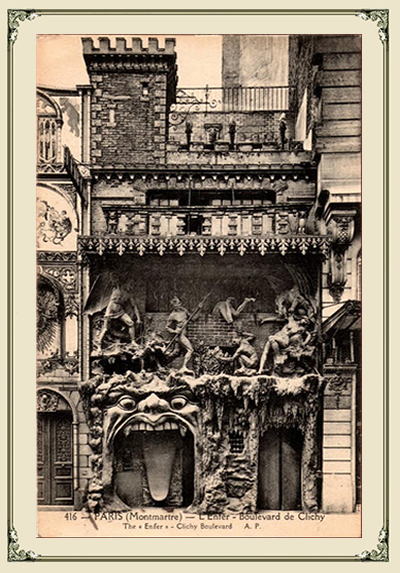
Tonight we will be hosting a screening and chat with Ronni Thomas, the mastermind behind The Midnight Archive (see above)--a web video series inspired by the exotic folk who revolve around the Observatory gallery space in Brooklyn; Mr. Thomas will joined be the series' music director and Real Tuesday Weld frontsman Stephen Coates. The following night, Tuesday, Martin Clayton--Senior Curator of Prints and Drawings at The Royal Collection, Windsor Castle--will be speaking about the material explored in his exhibition "Leonardo--Anatomist, the largest-ever exhibition of Leonardo da Vinci's anatomical work, on view now through October 7 at Windsor Castle. On Wednesday, we will learn about the belief-defying death themed nightclubs which dotted the geography of fin de siècle Paris, such as the Cabaret du Néant (Tavern of the Dead) and Cabaret de L’Enfer, with Vadim Kosmos, gallery director for Viktor Wynd Fine Arts.

Come for the presentations, and stick around to sip some lovely Hendricks Gin and peruse my current exhibition "Ecstatic Raptures and Immaculate Corpses: Visions of Death Made Beautiful in Italy" on view through the end of the month.

More on all events below; and please note: all events will take place at The Last Tuesday Society, 11 Mare Street, London, E8 4RP (map here). Hope to see you at one or more of these terrific events!

------------------------------------------------------------------------------

TONIGHT Monday 10th September 2012
"Documenting the Sublime: The Midnight Archive and its subjects" with
Ronni Thomas and The Real Tuesday Weld

Doors at 6 pm, Show commences at 7 pm

An odd year ago - based on a series of lectures and events at the Brooklyn Observatory, filmmaker Ronni Thomas was inspired to document some of the institutions most unique and esoteric subjects and topics. Director and lecturer Ronni Thomas will present and discuss and screen some of his most memorable episodes as well as display some artifacts collected from the filming experience (including a hands on look at his private collection of diableries - 3d tissues of satan's daily life in hell). A soundtrack for the evening will be provided by Series composer and The Real Tuesday Weld frontman Stephen Coates.

------------------------------------------------------------------------------

Tuesday 11th September 2012
Martin Clayton on Leonardo Da Vinci and Dissection

Doors at 6 pm, Show commences at 7 pm

Leonardo da Vinci is the archetype of the Renaissance man, but since his day he has been seen primarily as a painter who dabbled in the sciences. Leonardo would not have recognized this image: his scientific studies were as important to him as his art. Of all his investigations — which included optics, geology, botany and hydrodynamics — the field that engaged him most was human anatomy.

In the winter of 1507–08, Leonardo witnessed the peaceful demise of an old man in a hospital in Florence, and wrote in his notebook that he performed a dissection “to see the cause of so sweet a death”. He attributed it to a narrowing of the coronary vessels, and wrote the first clear description of atherosclerosis in medical history. He also described the pathology of cirrhosis of the man's liver, which he found to be “desiccated and like congealed bran both in colour and substance”.

The dissection of the old man marked the beginning of five years of intense anatomical investigation, and in 1510–11 Leonardo seems to have collaborated with Marcantonio della Torre, the professor of anatomy at the University of Pavia.

There is no sign that Leonardo attempted to collate his research for publication, and although the anatomical studies were mentioned by all Leonardo's early biographers, their dense and disorganized content was barely comprehended. Unpublished, the studies were effectively lost to the world.

The 150 surviving sheets of Leonardo's anatomical studies reached England in the seventeenth century and eventually made it into the Royal Collection, bound into an album with 450 of his more artistic drawings. But it was not until 1900 that they were finally published and understood. By then, their power to affect the progress of anatomical knowledge had long passed.

Martin Clayton is Senior Curator of Prints and Drawings at The Royal Library, The Royal Collection, Windsor Castle.

------------------------------------------------------------------------------

Wednesday 11th September 2012
Vadim Kosmos on Curious Cabarets of the Belle Epoque

Doors at 6 pm, Show commences at 7 pm

While we may all have seen Eugène Atget’s 1898 famous photograph of Cabaret de L’Enfer’s façade at 53 boulevard de Clichy, with its malevolent maw threatening to devour all who dared to step within its damnable interior. But how did this most macabre of cafés originate and what went on within? Tonight’s talk will illuminate the origins of Fin de Siecle Paris’ craze for morbid drinking dens including L’Enfer’s less well known, but no less sinister, sister establishments; Le Ciel, Neants and Truands.

Born in Istanbul of Ukrainian/French heritage – Screen writer, DJ and authority on French popular culture Vadim Kosmos is the Store manager of the Last Tuesday Society/‘Viktor Wynd’s Little Shop of Horrors’ and Gallery director for Viktor Wynd Fine Arts.

------------------------------------------------------------------------------

And onward and upward in the weeks to come:

You can find out more--and order tickets--for all events, click here.

Source:
http://morbidanatomy.blogspot.com/feeds/posts/default?alt=rss

Improved ethanol yield and reduced minimum ethanol selling price (MESP) by modifying low severity dilute acid pretreatment with deacetylation and mechanical refining: 2) Techno-economic analysis

Background:
Our companion paper discussed the yield benefits achieved by integrating deacetylation, mechanical refining, and washing with low acid and low temperature pretreatment. To evaluate the impact of the modified process on the economic feasibility, a techno-economic analysis (TEA) was performed based on the experimental data presented in the companion paper.
Results:
The cost benefits of dilute acid pretreatment technology combined with the process alternatives of deacetylation, mechanical refining, and pretreated solids washing were evaluated using cost benefit analysis within a conceptual modeling framework. Control cases were pretreated at much lower acid loadings and temperatures than used those in the NREL 2011 design case, resulting in much lower annual ethanol production. Therefore, the minimum ethanol selling prices (MESP) of the control cases were $0.41-$0.77 higher than the $2.15/gallon MESP of the design case. This increment is highly dependent on the carbohydrate content in the corn stover. However, if pretreatment was employed with either deacetylation or mechanical refining, the MESPs were reduced by $0.23-$0.30/gallon. Combing both steps could lower the MESP further by $0.44 ~ $0.54. Washing of the pretreated solids could also greatly improve the final ethanol yields. However, the large capital cost of the solid--liquid separation unit negatively influences the process economics. Finally, sensitivity analysis was performed to study the effect of the cost of the pretreatment reactor and the energy input for mechanical refining. A 50% cost reduction in the pretreatment reactor cost reduced the MESP of the entire conversion process by $0.11-$0.14/gallon, while a 10-fold increase in energy input for mechanical refining will increase the MESP by $0.07/gallon.
Conclusion:
Deacetylation and mechanical refining process options combined with low acid, low severity pretreatments show improvements in ethanol yields and calculated MESP for cellulosic ethanol production.Source:
http://www.biotechnologyforbiofuels.com/rss/

Dietary patterns and semen quality in young men

STUDY QUESTION

Are different dietary patterns associated with semen parameters in young men?

STUDY ANSWER

The consumption of a Prudent dietary pattern was significantly associated with higher progressive sperm motility and unrelated to sperm concentration and morphology. The consumption of a Western dietary pattern was unrelated to conventional semen quality parameters.

WHAT IS KNOWN ALREADY

Over the past decades there has been evidence of a concomitant decline in sperm and diet quality. Yet whether diet composition influences semen quality remains largely unexplored.

STUDY DESIGN, SIZE, DURATION

The Rochester Young Men's Study (n= 188) was a cross-sectional study conducted between 2009 and 2010 at the University of Rochester.

PARTICIPANTS, SETTING, METHODS

Men aged 18–22 years were included in this analysis. Diet was assessed via food frequency questionnaire and dietary patterns were identified by factor analysis. Linear regression was used to analyze the relation between diet patterns and conventional semen quality parameters (sperm concentration, progressive motility and morphology) adjusting for abstinence time, multivitamin use, race, smoking status, BMI, recruitment period, moderate-to-intense exercise and total calorie intake.

RESULTS

Two dietary patterns were identified by factor analysis. The ‘Western’ pattern was characterized by high intake of red and processed meat, refined grains, pizza, snacks, high-energy drinks and sweets. The ‘Prudent’ pattern was characterized by high intake of fish, chicken, fruit, vegetables, legumes and whole grains. The Prudent pattern was positively associated with percent progressively motile sperm in multivariate models (P-trend = 0.04). Men in the highest quartile of the Prudent diet had 11.3% (95% CI 1.3, 21.3) higher % progressively motile sperm compared with men in the lowest quartile. The Prudent pattern was unrelated to sperm concentration and morphology. The Western pattern was not associated with any semen parameter.

LIMITATIONS

This was a cross-sectional and observational study, which limited our ability to determine causality of diet on semen quality parameters.

WIDER IMPLICATIONS OF THE FINDINGS

Our findings support the suggestion that a diet rich in fruits, vegetables, chicken, fish and whole grains may be an inexpensive and safe way to improve at least one measure of semen quality.

STUDY FUNDING/COMPETING INTERESTS

The authors are supported by NIH grant T32DK007703-16 and P30DK46200 and European Union DEER Grant 212844. The authors have no competing interests to declare.

Source:
http://humrep.oxfordjournals.org/rss/current.xml

The effect of sperm DNA fragmentation on miscarriage rates: a systematic review and meta-analysis

STUDY QUESTION

Is there an association between high levels of sperm DNA damage and miscarriage?

SUMMARY ANSWER

Miscarriage rates are positively correlated with sperm DNA damage levels.

WHAT IS KNOWN ALREADY

Most ejaculates contain a subpopulation of sperm with DNA damage, also referred to as DNA fragmentation, in the form of double or single-strand breaks which have been induced in the DNA prior to or following ejaculation. This DNA damage may be particularly elevated in some subfertile men, hence several studies have examined the link between sperm DNA damage levels and conception and miscarriage rates.

STUDY DESIGN, SIZE, DURATION

A systematic review and meta-analysis of studies which examined the effect of sperm DNA damage on miscarriage rates was performed. Searches were conducted on MEDLINE, EMBASE and the Cochrane Library without any language restrictions from database inception to January 2012.

PARTICIPANTS/MATERIALS, SETTING, METHODS

We used the terms ‘DNA damage’ or ‘DNA fragmentation’ combined with ‘miscarriage’, ‘abortion’ or ‘pregnancy’ to generate a set of relevant citations. Data extraction was performed by two reviewers. Study quality was assessed using the Newcastle–Ottawa Scale. Meta-analysis of relative risks of miscarriage was performed with a random effects model. Subgroup analyses were performed by the type of DNA damage test, whether the sperm examined were prepared or from raw semen and for pregnancies resulting from IVF or ICSI treatment.

MAIN RESULTS AND THE ROLE OF CHANCE

We identified 16 cohort studies (2969 couples), 14 of which were prospective. Eight studies used acridine orange-based assays, six the TUNEL assay and two the COMET assay. Meta-analysis showed a significant increase in miscarriage in patients with high DNA damage compared with those with low DNA damage [risk ratio (RR) = 2.16 (1.54, 3.03), P < 0.00001)]. A subgroup analysis showed that the miscarriage association is strongest for the TUNEL assay (RR = 3.94 (2.45, 6.32), P < 0.00001).

LIMITATIONS, REASONS FOR CAUTION

There is some variation in study characteristics, including the use of different assays and different thresholds for DNA damage and the definition of pregnancy loss.

WIDER IMPLICATIONS OF THE FINDINGS

The use of methods which select sperm without DNA damage for use in assisted conception treatment may reduce the risk of miscarriage. This finding indicates that assays detecting DNA damage could be considered in those suffering from recurrent pregnancy loss. Further research is necessary to study the mechanisms of DNA damage and the potential therapeutic effects of antioxidant therapy.

STUDY FUNDING/COMPETING INTEREST(S)

None.

Source:
http://humrep.oxfordjournals.org/rss/current.xml

Sperm vacuoles are linked to capacitation and acrosomal status

STUDY QUESTION

Is the presence of nuclear vacuoles really a negative parameter?

SUMMARY ANSWER

As sperm vacuoles are associated with acrosomal and capacitation status, they appear to be a reflection of normal sperm physiology.

WHAT IS KNOWN ALREADY

The selection of sperm under a high magnification has been proposed as a strategy to increase the success rates of ICSI, through a better selection of sperm for injection. The presence of vacuoles on the sperm head is said to be a negative parameter.

STUDY DESIGN, SIZE, DURATION

We incubated processed sperm for 90 min with two strong inducers of acrosome reaction (AR), i.e. hyaluronic acid (HA) and follicular fluid (FF) and studied the evolution of nuclear vacuoles, sperm morphology and chromatin compaction.

PARTICIPANTS/MATERIALS, SETTING, METHODS

We tested the effect of incubating sperm samples with HA and FF for 90 min at 37°C on nuclear vacuoles.

MAIN RESULTS AND THE ROLE OF CHANCE

Both HA and FF strongly induce AR after 90 min, without significantly modifying sperm nuclear condensation and morphology (Bartoov's criteria). We simultaneously observed a highly significant decrease in the presence of vacuoles.

LIMITATIONS, REASONS FOR CAUTION

This is a descriptive study based on in vitro manipulations.

WIDER IMPLICATIONS OF THE FINDINGS

Although intracytoplasmic morphologically selected sperm injection may be of benefit for couples with specific treatment indications, the results of this study make it difficult to justify its large-scale application.

STUDY FUNDING/COMPETING INTEREST(S)

Funding was granted by Laboratoire d'Eylau, Unilabs.

Source:
http://humrep.oxfordjournals.org/rss/current.xml

The association between sperm sex chromosome disomy and semen concentration, motility and morphology

STUDY QUESTION

Is there an association between sex chromosome disomy and semen concentration, motility and morphology?

SUMMARY ANSWER

Higher rates of XY disomy were associated with a significant increase in abnormal semen parameters, particularly low semen concentration.

WHAT IS KNOWN ALREADY

Although some prior studies have shown associations between sperm chromosomal abnormalities and reduced semen quality, results of others are inconsistent. Definitive findings have been limited by small sample sizes and lack of adjustment for potential confounders.

STUDY DESIGN, SIZE AND DURATION

Cross-sectional study of men from subfertile couples presenting at the Massachusetts General Hospital Fertility Clinic from January 2000 to May 2003.

PARTICIPANTS/MATERIALS, SETTING, METHODS

With a sample of 192 men, multiprobe fluorescence in situ hybridization for chromosomes X, Y and 18 was used to determine XX, YY, XY and total sex chromosome disomy in sperm nuclei. Sperm concentration and motility were measured using computer-assisted sperm analysis; morphology was scored using strict criteria. Logistic regression models were used to evaluate the odds of abnormal semen parameters [as defined by World Health Organization (WHO)] as a function of sperm sex chromosome disomy.

MAIN RESULTS AND THE ROLE OF CHANCE

The median percentage disomy was 0.3 for XX and YY, 0.9 for XY and 1.6 for total sex chromosome disomy. Men who had abnormalities in all three semen parameters had significantly higher median rates of XX, XY and total sex chromosome disomy than controls with normal semen parameters (0.43 versus 0.25%, 1.36 versus 0.87% and 2.37 versus 1.52%, respectively, all P< 0.05). In logistic regression models, each 0.1% increase in XY disomy was associated with a 7% increase (odds ratio: 1.07, 95% confidence interval: 1.02–1.13) in the odds of having below normal semen concentration (<20 million/ml) after adjustment for age, smoking status and abstinence time. Increases in XX, YY and total sex chromosome disomy were not associated with an increase in the odds of a man having abnormal semen parameters. In addition, autosomal chromosome disomy (1818) was not associated with abnormal semen parameters.

LIMITATIONS, REASONS FOR CAUTION

A potential limitation of this study, as well as those currently in the published literature, is that it is cross-sectional. Cross-sectional analyses by nature do not lend themselves to inference about directionality for any observed associations; therefore, we cannot determine which variable is the cause and which one is the effect. Additionally, the use of WHO cutoff criteria for dichotomizing semen parameters may not fully define fertility status; however, in this study, fertility status was not an outcome we were attempting to assess.

WIDER IMPLICATIONS OF THE FINDINGS

This is the largest study to date seeking to understand the association between sperm sex chromosome disomy and semen parameters, and the first to use multivariate modeling to understand this relationship. The findings are similar to those in the published literature and highlight the need for mechanistic studies to better characterize the interrelationships between sex chromosome disomy and standard indices of sperm health.

STUDY FUNDING/COMPETING INTEREST(S)

This work was supported by grants from NIOSH (T42 OH008416) and NIEHS (R01 ES009718, P30 ES000002 and R01 ES017457). The authors declare no competing interests. At the time this work was conducted and the initial manuscript written, MEM was affiliated with the Environmental Health Department at the Harvard School of Public Health. Currently, MEM is employed by Millennium: The Takeda Oncology Company.

TRIAL REGISTRATION NUMBER

N/A.

Source:
http://humrep.oxfordjournals.org/rss/current.xml

Pravastatin does not prevent antiphospholipid antibody-mediated changes in human first trimester trophoblast function

STUDY QUESTION

What is the effect of pravastatin on antiphospholipid antibody (aPL) modulation of human first trimester trophoblast function?

SUMMARY ANSWER

Pravastatin does not prevent the effects of aPL on human first trimester trophoblast cell function.

WHAT IS KNOWN ALREADY

Antiphospholipid syndrome (APS) is associated with recurrent pregnancy loss and late pregnancy complications, such as pre-eclampsia, owing to direct targeting of the placenta by aPL. While treatment with heparin reduces the rate of pregnancy loss, the risk for severe pre-eclampsia remains high. Thus, there is a need to find alternative treatments for the prenatal management of patients with APS. Statins have recently been shown to prevent aPL-mediated fetal loss in mice but their effects on a human pregnancy model of APS have not yet been studied.

DESIGN, DATA COLLECTION, METHODS

The human first trimester trophoblast cell line, HTR8, and human first trimester trophoblast primary cultures were incubated with or without a mouse anti-human beta 2 glycoprotein I (β2GPI) monoclonal antibody in the presence or absence of pravastatin. Cytokine and angiogenic factor secretion were measured by enzyme-linked immunosorbent assay and multiplex analysis. Cell migration was measured using a colorimetric two-chamber migration assay.

MAIN FINDINGS

Using the human first trimester trophoblast cell line, HTR8, pravastatin significantly augmented, compared with no treatment, aPL-dependent secretion of interleukin (IL)-8 (P< 0.05), IL-1β (P< 0.05) and soluble endoglin (P< 0.01) but had no effect on aPL-induced up-regulation of vascular endothelial growth factor, placenta growth factor or growth-related oncogene alpha secretion. Furthermore, pravastatin alone limited basal HTR8 cell migration (P< 0.01), and did not mitigate the adverse effect of aPL on trophoblast migration. Pravastatin also had no impact on the secretion of pro-inflammatory cytokines and angiogenic factors by primary human first trimester trophoblast cells exposed to aPL.

LIMITATIONS AND WIDER IMPLICATIONS OF THE FINDINGS

While our in vitro findings suggest that pravastatin may not be effective in preventing pregnancy complications in patients with APS, the in vivo condition may be more complex, and thus, more studies are needed to determine the effectiveness of pravastatin in the prevention of aPL-associated pregnancy complications in humans.

STUDY FUNDING/COMPETING INTEREST(S)

This work was supported by the American Heart Association.

Source:
http://humrep.oxfordjournals.org/rss/current.xml

Soluble TRAIL is elevated in recurrent miscarriage and inhibits the in vitro adhesion and migration of HTR8 trophoblastic cells

STUDY QUESTION

What is the potential physiopathological role of tumour necrosis factor-related apoptosis-inducing ligand (TRAIL) in recurrent miscarriage (RM), characterized by at least three consecutive pregnancy losses.

SUMMARY ANSWER

The levels of serum TRAIL immediately after miscarriage in RM patients are significantly elevated with respect to that in first-trimester normal pregnant women, and recombinant TRAIL inhibits the adhesion and migration of HTR8 trophoblastic cells in vitro.

WHAT IS KNOWN ALREADY

Both TRAIL and its trans-membrane receptors (TRAIL-R1, TRAIL-R2, TRAIL-R3 and TRAIL-R4) have been documented in the placenta, but their physiopathological role is incompletely understood.

STUDY DESIGN, SIZE, DURATION

The study populations consisted of RM patients (n = 80) and first-trimester normal pregnant women (n = 80). Blood samples were obtained within 24 h after abortion (RM) or at gestational 12-week (normal pregnant women). As additional controls, third-trimester normal pregnant women (n = 28) were examined before (within 72 h) and after (within 24 h) partum.

PARTICIPANTS/MATERIALS, SETTING, METHODS

The concentrations of TRAIL were analysed in serum samples by ELISA. In parallel, the effect of soluble recombinant TRAIL (0.1–1000 ng/ml) was analysed on the survival of primary extravillus trophoblasts (EVTs) and on the survival, proliferation, adhesion and migration of trophoblastic HTR8 cells.

MAIN RESULTS AND THE ROLE OF CHANCE

The circulating levels of TRAIL in RM women (median: 52.5 pg/ml; mean and SD: 55.5 ± 24.4 pg/ml) were significantly higher with respect to first-trimester normal pregnant women (median: 44.9 pg/ml; mean and SD: 47 ± 15.1 pg/ml) and third-trimester normal pregnant women, as assessed before (median: 45.1 pg/ml; mean and SD: 46 ± 12.4 pg/ml) and after partum (median: 35.4 pg/ml; mean and SD: 38 + 17.5 pg/ml). Both primary EVT and HTR8 cells expressed detectable levels of TRAIL death receptors, but exposure to soluble recombinant TRAIL did not induce cell death of trophoblastic cells. On the other hand, TRAIL dose-dependently inhibited the adhesion of HTR8 cells to decidual endothelial cells (DEC) as well as the migration of HTR8 in transwell assays using either fibronectin or DEC.

LIMITATIONS, REASONS FOR CAUTION

Although this study suggests that TRAIL might have a pathogenic role in RM by inhibiting both the adhesion and migration capabilities of first trimester trophoblastic cells, there is a possibility that the elevated serum levels of TRAIL in RM are not cause but rather the result of RM.

WIDER IMPLICATIONS OF THE FINDINGS

Our current findings together with data of other authors suggest that circulating TRAIL should be further analysed as a potential important biomarker in different physiopathological settings.

STUDY FUNDING/COMPETING INTEREST(S)

This study was funded by FIRB projects (RBAP11Z4Z9_002 to Giorgio Zauli and RBAP10447J_002 to Paola Secchiero). The authors have no competing interests to declare.

Source:
http://humrep.oxfordjournals.org/rss/current.xml

Discovery of phosphatidylcholines and sphingomyelins as biomarkers for ovarian endometriosis

BACKGROUND

Current non-invasive diagnostic methods for endometriosis lack sensitivity and specificity. In search for new diagnostic biomarkers for ovarian endometriosis, we used a hypothesis-generating targeted metabolomics approach.

METHODS

In a case–control study, we collected plasma of study participants and analysed their metabolic profiles. We selected a group of 40 patients with ovarian endometriosis who underwent laparoscopic surgery and a control group of 52 healthy women who underwent sterilization at the University Clinical Centre Ljubljana, Slovenia. Over 140 targeted analytes included glycerophospholipids, sphingolipids and acylcarnitines. The analytes were quantified by electrospray ionization tandem mass spectrometry. For assessing the strength of association between the metabolite or metabolite ratios and the disease, we used crude and adjusted odds ratios. A stepwise logistic regression procedure was used for selecting the best combination of biomarkers.

RESULTS

Eight lipid metabolites were identified as endometriosis-associated biomarkers due to elevated levels in patients compared with controls. A model containing hydroxysphingomyelin SMOH C16:1 and the ratio between phosphatidylcholine PCaa C36:2 to ether-phospholipid PCae C34:2, adjusted for the effect of age and the BMI, resulted in a sensitivity of 90.0%, a specificity of 84.3% and a ratio of the positive likelihood ratio to the negative likelihood ratio of 48.3.

CONCLUSIONS

Our results suggest that endometriosis is associated with elevated levels of sphingomyelins and phosphatidylcholines, which might contribute to the suppression of apoptosis and affect lipid-associated signalling pathways. Our findings suggest novel potential routes for therapy by specifically blocking highly up-regulated isoforms of phosphpolipase A2 and lysophosphatidylcholine acyltransferase 4.

Source:
http://humrep.oxfordjournals.org/rss/current.xml

Simple adaptations to the Templeton model for IVF outcome prediction make it current and clinically useful

STUDY QUESTION

What is the validity of the Templeton model (TM) in predicting live birth (LB) for a couple starting an IVF/ICSI cycle?

SUMMARY ANSWER

A centre-specific model based on the original predictors of the TM may reach a sufficient level of accuracy to be used in every day practice, with a few simple adaptations.

WHAT IS KNOWN AND WHAT THIS PAPER ADDS

The TM seems the best predictive model of LB in IVF. However, previous validations of the TM suggest a lack of discrimination and calibration which means that it is not used in regular practice. We confirm this finding, and argue that such results are predictable, and essentially due to a strong centre effect. We provide evidence that the TM constitutes a useful reference reflecting a high proportion of the patient-mix effect since the parameters of the model remain invariant among centres, but also across various cultures, countries and types of hospitals. The only difference was the intercept value, interpreted as the measurement of the global performance of one centre, in particular, for a population of reference.

STUDY DESIGN

The validity of the TM was tested by a retrospective analysis all IVF/ICSI cycles (n = 12 901) in our centre since 2000.

PARTICIPANTS, SETTING AND METHODS

All IVF/ICSI cycles were included in the analysis. The model discrimination was evaluated by C-statistics, calculated as the area under the curve of an ROC curve. The TM was then adjusted for our data and additional variables were assessed.

MAIN RESULTS AND THE ROLE OF CHANCE

Poor calibration and discrimination (C = 0.64) was observed in conformity with previous external validations. Fitting the TM to our centre constituted the first substantial improvement in prediction accuracy of discrimination (C = 0.69) and calibration. We identified an important linear time trend effect and the added value of three other predictors (FSH, smoking habits and BMI) that significantly improved the model (C = 0.71).

BIAS, CONFOUNDING AND OTHER REASONS FOR CAUTION

Bias due to missing data handling was assessed through sensitivity analyses.

GENERALIZABILITY TO OTHER POPULATIONS

Neither the TM nor any other models based on some centres are directly applicable to other centres. However, the TM constitutes a useful basis to build an accurate centre-specific model.

STUDY FUNDING/COMPETING INTEREST(S)

There were no commercial relationships (i.e. consultancies, patent-licensing agreements) that might pose a conflict of interest in connection with the submitted manuscript. The objective of this research was not directed toward any treatment effects.

Source:
http://humrep.oxfordjournals.org/rss/current.xml

Uterine leiomyomata and fecundability in the Right from the Start study

BACKGROUND

Previous research suggests the removal of uterine leiomyomata may improve ability to conceive. Most of this previous research was conducted in infertility clinics. We investigated the association between leiomyoma characteristics on time to pregnancy among women enrolled from the general population.

METHODS

We enrolled a cohort study of women in early pregnancy. Participants retrospectively reported their time to conception. Leiomyomata characteristics were determined by first-trimester ultrasound. We used discrete time hazard models to estimate the effects of uterine leiomyomata on time to pregnancy.

RESULTS

In this population of 3000 women, 11% (324) with one or more leiomyomata, we found no association between leiomyomata presence, type, location, segment or size on time to pregnancy.

CONCLUSIONS

These results suggest that leiomyomata have little effect on time to pregnancy in this cohort of women. The study excluded women who had been treated for infertility, and this may have resulted in underestimation of the association. However, differences between our study and previous studies in specialty clinics may be, in part, attributable to differences between our community-recruited population of women and women receiving fertility care, as well as difference in leiomyomata size or type in women having myomectomies to treat infertility.

Source:
http://humrep.oxfordjournals.org/rss/current.xml

Surrogacy families 10 years on: relationship with the surrogate, decisions over disclosure and children’s understanding of their surrogacy origins

BACKGROUND

This study aimed to prospectively examine families created using surrogacy over a 10-year period in the UK with respect to intending parents' and children's relationship with the surrogate mother, parents' decisions over disclosure and children's understanding of the nature of their conception.

METHODS

Semi-structured interviews were administered by trained researchers to intending mothers, intending fathers and children on four occasions over a 10-year period. Forty-two families (19 with a genetic surrogate mother) participated when the child was 1-year old and by age 10 years, 33 families remained in the study. Data were collected on the frequency of contact with the surrogate mother, relationship with the surrogate, disclosure of surrogacy to the child and the child's understanding of their surrogacy birth.

RESULTS

Frequency of contact between surrogacy families and their surrogate mother decreased over time, particularly for families whose surrogate was a previously unknown genetic carrier (P < 0.001) (i.e. where they had met through a third party and the surrogate mother's egg was used to conceive the child). Most families reported harmonious relationships with their surrogate mother. At age 10 years, 19 (90%) children who had been informed of the nature of their conception had a good understanding of this and 13 of the 14 children who were in contact with their surrogate reported that they liked her.

CONCLUSIONS

Surrogacy families maintained good relationships with the surrogate mother over time. Children felt positive about their surrogate mother and their surrogacy birth. The sample size of this study was small and further, larger investigations are needed before firm conclusions can be drawn.

Source:
http://humrep.oxfordjournals.org/rss/current.xml

Methylation profile of the promoters of Nanog and Oct4 in ICSI human embryos

STUDY QUESTION

What is the methylation status of the Nanog and Oct4 promoters in human gametes and ICSI embryos and is abnormal reprogramming of their methylation associated with developmental failure of ICSI embryos?

SUMMARY ANSWER

Developmental failure of human ICSI embryos is associated with high methylation of the Oct4 promoter.

WHAT IS KNOWN ALREADY

Nanog and Oct4 genes play critical roles in the establishment and maintenance of pluripotency during normal early embryonic development, and both are negatively regulated through the methylation of their promoters.

STUDY DESIGN, SIZE AND DURATION

We analysed the methylation profile of Nanog and Oct4 promoters in 5 control sperm from normally fertile men, 70 metaphase II oocytes, 21 4-cell control ICSI embryos, 7 control blastocysts and 45 ICSI embryos arrested at 2- to 8-cell stage following prolonged culture.

PARTICIPANTS, MATERIALS, SETTING AND METHODS

Embryos and gametes were donated for research by patients from the Department of Reproductive Medicine at the Hôpital Femme Mère Enfant (Bron, France) and the Clinique du Tonkin (Villeurbanne, France) after giving their informed consent.

MAIN RESULTS

For both promoters, high methylation was observed in sperm cells. Although, in general, the promoters were unmethylated in oocytes, the methylation of some alleles was observed, particularly in oocytes from women with known infertility. Both gene promoters were hypomethylated in control blastocyst ICM (inner cell mass) and in control 2–8-cells embryos obtained from 6 out of 8 couples. However, they appeared highly methylated in embryos obtained from the other two couples. In most arrested ICSI embryos, the Nanog promoter was unmethylated while the Oct4 promoter was highly methylated. High methylation of the Oct4 promoter was significantly more pronounced in embryos from couples where a male factor was the only known cause of infertility. When the embryos were heterozygous for a G/A single nucleotide polymorphism, both alleles could be methylated, each likely representing a paternally inherited or a maternally inherited copy.

LIMITATIONS AND REASONS FOR CAUTION

The study was done on a limited number of oocytes and embryos and the gametes of the couples were not available.

WIDER IMPLICATIONS OF THE FINDINGS

These results provide new insight regarding the roles of epigenetic abnormalities in early developmental failure in humans.

STUDY FUNDING/COMPETING INTEREST(S)

No external funding was obtained for this study. There was no competing interest.

Source:
http://humrep.oxfordjournals.org/rss/current.xml

Factors associated with dizygotic twinning after IVF treatment with double embryo transfer

BACKGROUND

Dizygotic twin pregnancies after IVF treatment are the result of multiple embryos transferred into the uterine cavity, followed by successful double implantation. Factors that increase the chance of multiple implantation after IVF are relatively unknown. The present study aimed to investigate whether features of body composition, such as maternal height, weight and body mass index (BMI) are associated with an increased chance of dizygotic twinning after IVF with double embryo transfer (DET).

METHODS

This study was conducted using data from a large Dutch nationwide cohort that comprised 19 861 women who had IVF or ICSI treatment between 1983 and 1995 (OMEGA study). First ‘fresh’ IVF and ICSI cycles with DET resulting in a delivery of a singleton or twin (living as well as stillborn) were selected. A multivariable logistic regression analysis was performed, with the delivery of a singleton or twin as the dependent variable and height, weight, BMI, maternal age, number of retrieved oocytes, use of alcohol, smoking, highest level of education and parity as independent variables.

RESULTS

Of the 6598 women who completed their first IVF or ICSI cycle, 2375 had DET, resulting in 496 deliveries of 371 singletons and 125 twins. Multivariable regression analysis revealed that tall women (>1.74 cm) and women with a high number of retrieved oocytes (>8) had an increased chance of dizygotic twinning [OR: 1.8 (95% CI: 1.0–3.4) and OR: 2.2 (95% CI: 1.3–3.8), respectively].

CONCLUSIONS

Our data demonstrate that tall stature and increased number of retrieved oocytes independently increase the chance of dizygotic twinning after IVF with DET.

Source:
http://humrep.oxfordjournals.org/rss/current.xml

Integration of patient characteristics and the results of Chlamydia antibody testing and hysterosalpingography in the diagnosis of tubal pathology: an individual patient data meta-analysis

BACKGROUND

Tubal patency tests are routinely performed in the diagnostic work-up of subfertile patients, but it is unknown whether these diagnostic tests add value beyond the information obtained by medical history taking and findings at physical examination. We used individual patient data meta-analysis to assess this question.

METHODS

We approached authors of primary studies for data sets containing information on patient characteristics and results from tubal patency tests, such as Chlamydia antibody test (CAT), hysterosalpingography (HSG) and laparoscopy. We used logistic regression to create models that predict tubal pathology from medical history and physical examination alone, as well as models in which the results of tubal patency tests are integrated in the patient characteristics model. Laparoscopy was considered to be the reference test.

RESULTS

We obtained data from four studies reporting on 4883 women. The duration of subfertility, number of previous pregnancies and a history of previous pelvic inflammatory disease (PID), pelvic surgery or Chlamydia infection qualified for the patient characteristics model. This model showed an area under the receiver operating characteristic curve (AUC) of 0.63 [95% confidence interval (CI) 0.61–0.65]. For any tubal pathology, the addition of HSG significantly improved the predictive performance to an AUC of 0.74 (95% CI 0.73–0.76) (P < 0.001). For bilateral tubal pathology, the addition of both CAT and HSG increased the predictive performance to an AUC of 0.76 (95% CI 0.74–0.79).

CONCLUSIONS

In the work-up for subfertile couples, the combination of patient characteristics with CAT and HSG results gives the best diagnostic performance for the diagnosis of bilateral tubal pathology.

Source:
http://humrep.oxfordjournals.org/rss/current.xml

Disclosure behaviour and intentions among 111 couples following treatment with oocytes or sperm from identity-release donors: follow-up at offspring age 1-4 years

STUDY QUESTION

Do heterosexual parents of young children following oocyte donation (OD) and sperm donation (SD) tell or intend to tell their offspring about the way he/she was conceived?

SUMMARY ANSWER

Following successful treatment with oocytes or sperm from identity-release donors in Sweden, almost all heterosexual couples intend to tell their offspring about the way he/she was conceived and some start the information-sharing process very early.

WHAT IS KNOWN AND WHAT THIS PAPER ADDS

Although the Swedish legislation on identity-release gamete donors has been in effect since 1985, there is a discrepancy between the behaviour of donor-insemination parents and the legal intention that offspring be informed about their genetic origin. The present study contributes data on a relatively large sample of oocyte and sperm recipient couples' intended compliance with the Swedish legislation.

DESIGN AND DATA COLLECTION METHOD

The present study constitutes a follow-up assessment of heterosexual couples who had given birth to a child following treatment with donated oocytes. Data collection was performed during 2007–2011; participants individually completed a questionnaire when the child was between 1 and 4 years of age.

PARTICIPANTS AND SETTING

The present study is part of the Swedish Study on Gamete Donation, a prospective longitudinal cohort study including all fertility clinics performing gamete donation in Sweden. For children conceived via OD, 107 individuals (including 52 couples and 3 individuals) agreed to participate (73% response). For children conceived via SD, the response rate was 70% (n = 122 individuals, including 59 couples and 4 individuals). Mean age of participants was 34 years (SD 4.4) and they reported a high level of education.

MAIN RESULTS

The majority of participants (78%) planned to tell the child about the donation, 16% had already started the information-sharing process and 6% planned not to tell their child about the donation or were undecided. Many were unsure about a suitable time to start the disclosure process and desired more information about strategies and tools for information sharing. Agreement on disclosure to offspring within the couple was related to the quality of the partner relationship.

BIAS AND GENERALIZABILITY

There is a risk of selection bias, with gamete recipients preferring secrecy and non-disclosure declining study participation. The results may be regarded as partly generalizable to heterosexual couples with young children following treatment with gametes from legislatively mandated identity-release donors in an established donor programme.

STUDY FUNDING/COMPETING INTERESTS

Study funding by Merck Serono, The Swedish Research Council and The Family Planning Fund in Uppsala. No conflicts of interest to declare.

Source:
http://humrep.oxfordjournals.org/rss/current.xml