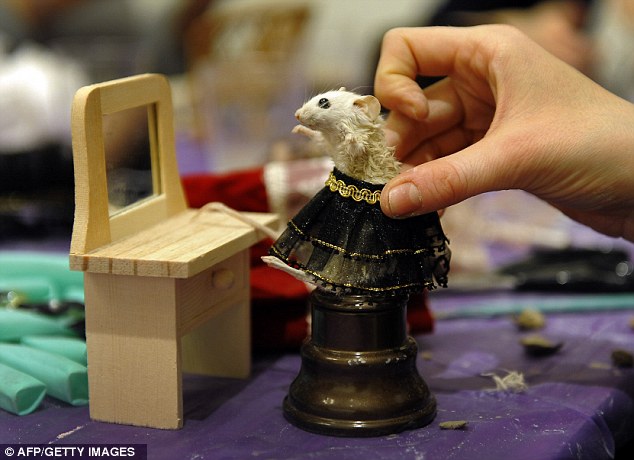
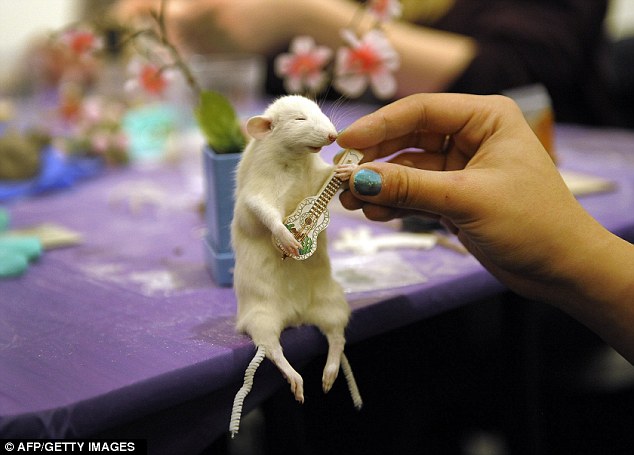
ADDITIONAL CLASS ADDED Anthropomorphic Mouse Taxidermy Class with Sue Jeiven, London, Last Tuesday Society, September 27, 1-5

Due to popular demand, we have just added one additional "Anthropomorphic Mouse Taxidermy Class" to the month-long Morbid Anatomy Presents lineup at The Last Tuesday Society.
The new class will take place next Thursday, September 27th at 1:00 PM. No former taxidermy experience is required, and you need bring nothing; you will leave with your own taxidermied mouse set in a tableau, and the skills to create your own in the future; past student projects can be seen by clicking here. It must also be mentioned that Sue is a passionate and amazing teacher, and we have had nothing but excellent feedback about her class.
Class size is limited to 15, and this class tends to sell out very quickly--the first two we announced are already sold out!--so if interested, I suggest you purchase tickets straight away. You can do so by clicking here. Hope very much to see you there!

Anthropomorphic Mouse Taxidermy Class  with Susan Jeiven
Dates: Thursday September 27 2012 
Cost: £60.00
Time: 1-5
Location: Last Tuesday Society, 11 Mare Street London E8 4RP

Anthropomorphic taxidermy–the practice of mounting and displaying taxidermied animals as if they were humans or engaged in human activities–was a popular art form during the Victorian and Edwardian eras. The best known practitioner of the art form is British taxidermist Walter Potter who displayed his pieces–which included such elaborate tableaux as The Death of Cock Robin, The Kitten Wedding, and The Kitten Tea Party–in his own museum of curiosities.

We invite you to join taxidermist, tattoo artist and educator Susan Jeiven for a beginners class in anthropomorphic taxidermy. All materials–including a mouse for each student–will be provided, and each class member will leave at the end of the day with their own anthropomorphic taxidermied mouse. Students are invited to bring any miniature items with which they might like to dress or decorate their new friend; some props and miniature clothing will also be provided by the teacher. A wide variety of sizes and colors of mice will be available.

No former taxidermy experience is required.

Also, some technical notes:

  • We use NO harsh or dangerous chemicals.
  • Everyone will be provided with gloves.
  • All animals are disease free.
  • Although there will not be a lot of blood or gore, a strong constitution is necessary; taxidermy is not for everyone.
  • All animals were already dead, nothing was killed for this class. All mice used are feeder animals for snakes and lizards and would literally be discarded if not sold.
  • Please do not bring any dead animals with you to the class

Source:
http://morbidanatomy.blogspot.com/feeds/posts/default?alt=rss

Blood Transfusions, Music as Disease, Extreme Taxidermy, Oscillating Beams, Plastic Surgery and Anthropomorphic Mouse Taxidermy Workshops: Morbid Anatomy Presents at London’s Last Tuesday Society

I am very excited (and also slightly saddened) to announce the lineup for the final two weeks of programming of Morbid Anatomy Presents series at London's Last Tuesday Society.

Tonight--Thursday September 20th--please join us as veritable-force-of-nature Paul Craddock regales us with "A Most Unexpected History of Blood Transfusion." Next week, on Tuesday the 25th, we will host Wellcome Trust Research Fellow Dr. James Kennaway for "Bad Vibrations: The History of the idea of Music as a Disease." The following night Pat Morris--Observatory favorite and author of the book on anthropomorphic taxidermist Walter Potter--will be lecturing on "extreme" (read: human and monumental) taxidermy. The next night, Strange Attractor's Mark Pilkington will tell the tale of "Royal Raymond Rife and his Oscillating Beam Ray." On Sunday the 30th, wax artist and good friend Eleanor Crook will discuss plastic surgery of the world wars, and, finally, we have Sue Jeiven with her über-popular anthropomorphic taxidermy classes on the afternoons of Thursday the 27,  Saturday the 29th, and Sunday the 30th.

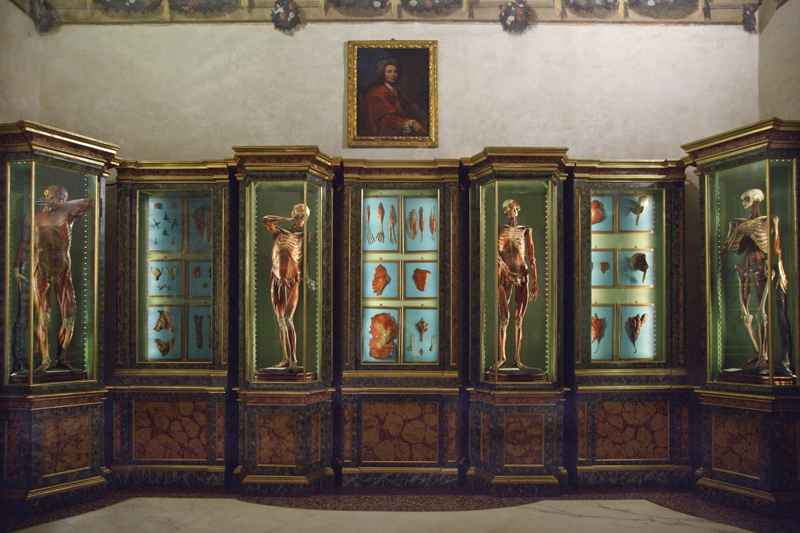
Come for the events, and linger around following to sip some lovely Hendricks Gin and peruse the current exhibition "Ecstatic Raptures and Immaculate Corpses: Visions of Death Made Beautiful in Italy" --featuring my own photographs and waxworks by artist Eleanor Crook and Sigrid Sarda--on view through the end of the month.

More on all events below; and please note: all events will take place at The Last Tuesday Society, 11 Mare Street, London, E8 4RP (map here). Hope to see you at one or more of these terrific events!

------------------------------------------------------------------------------

TONIGHT Thursday the 20th September 2012
Paul Craddock on "A Most Unexpected History of Blood Transfusion"
Doors at 6 pm, Show commences at 7 pm

Those living in Britain (who owned a television set) about ten years ago might remember Sean Bean before he became a famous movie star. Apart from his appearance in Sharpe, he starred in a television advertisement for the National Blood Foundation, prompting people in his thick Yorkshire accent to ‘do something amazing today’; ’save a life’ by giving blood. The foundation’s message is still the same, though Sean Bean has moved onto other projects such as Lord of the Rings. In any case, this illustrated lecture is about just that: the transfusion of blood and its many meanings. But it focuses on a much earlier (and stranger) period of transfusion history when saving a life was only one reason to transfuse blood - from the sixteenth century to the nineteenth.

The association between blood and life is a very easy one to make and seems to span all cultures and time periods, as does the very idea of swapping blood from one person to another. But what it means to swap one being’s blood with another’s - and why this might be attempted - has radically changed. It is only very recently, (around the turn of the twentieth century), that blood was transfused in order to purposefully replace lost blood. For the majority of this history, this was most certainly not the case. In the seventeenth century, transfusions of lamb’s blood were made to calm mad patients and, in the nineteenth century, blood was transfused in order to restore a portion of an invisible living principle living inside of it. This lecture explores from where these ideas came and the ways in which bits of them might linger in our own ideas of transfusion.

Paul Craddock is currently writing on pre-20th century transplant surgery and transfusion at the London Consortium working under Prof. Steven Connor (University of London) and Prof. Holly Tucker (Vanderbilt University, Nashville). After four years studying music and performing arts, living in rural China, and working for the National Health Service, Paul made the switch to cultural and medical history. He has never had a transplant and never received a transfusion - his interest in these procedures come from thinking about generally how we relate to the material world by making bodily transactions. He has lectured in the UK, Europe, and the USA

------------------------------------------------------------------------------

Tuesday the 25th September 2012
Bad Vibrations: The History of the idea of Music as a Disease with Dr James Kennaway
Doors at 6 pm, Show commences at 7 pm

Despite most people believing music to have beneficial and even healing properties, Dr Kennaway's research shows a darker side to the art. For the last two hundred years many doctors, critics, and writers have suggested that certain kinds of music have the power to cause neurosis, madness, hysteria, and even death. Dr Kennaway explores the claims: is it true that Wagner's compositions make listeners feel homosexual urges? Was Patty Hearst really brainwashed into robbing banks by loud rock music? And does the US Army really play Metallica's 'Enter Sandman' as a form of torture?

Dr James Kennaway is a Wellcome Trust Research Fellow at the Centre for the History of Medicine and Disease at Durham University. He studied at LSE and the Wellcome Institute for the History of Medicine before completing a Master's at King's College, London and a PhD at UCLA in 2004. Since then he has worked at the University of Vienna, Stanford University and the Viadrina University in Frankfurt-an-der-Oder, Germany. In January 2009 he began a Wellcome Research Fellowship at the University of Durham.

------------------------------------------------------------------------------

Wednesday the 26th September 2012
EXTREME TAXIDERMY - Elephants and Humans With Dr. Pat Morris

Doors at 6 pm, Show commences at 7 pmi>

After his highly acclaimed general lectures on the history of taxidermy Pat Morris will return to talk in more detail about two areas of special interest. Preserving a full-sized elephant represents the 'Mount Everest' of taxidermy. It is a challenge not only to the taxidermist's artistry (in attempting to make an accurate representation of the living animal) but it is also a serious engineering problem to handle such a large and heavy item. Taxidermy methods can be applied to humans, but our species is rarely preserved in this way and very few 'stuffed' humans exist. Even the suggestion that people might be preserved like this is abhorrent to many, and the results of attempting the task can cause extreme controversy. Come and hear more and perhaps debate some of the ethical issues that arise".

Dr. Pat Morris is a retired staff member of Royal Holloway College (University of London), where he taught biology undergraduates and supervised research on mammal ecology. In that capacity he has published many books and scientific papers and featured regularly in radio and TV broadcasts. The history of taxidermy has been a lifelong hobby interest and he has published academic papers and several books on the subject. With his wife Mary he has travelled widely, including most of Europe and the USA, seeking interesting taxidermy specimens and stories. They live in England where their house is home to the largest collection and archive of
historical taxidermy in Britain.

------------------------------------------------------------------------------

Thursday the 27th September 2012
Mark Pilkington on "Royal Raymond Rife and his Oscillating Beam Ray"
Doors at 6 pm, Show commences at 7 pm

In the early 1930s, Dr Royal Raymond Rife, an American optics engineer, claimed to be achieving theoretically impossible optical magnifications of over 30,000 times - 10 times more powerful than today's best microscopes.

Soon after, Rife announced that he could destroy bacteria by blasting them with electromagnetic waves oscillating at frequencies specific to each target organism. According to his supporters, Rife cured significant numbers of people infected with a number of common but dangerous infections, including typhoid, salmonella and influenza. But his most controversial claim was that his device could kill the virus-like organisms, which he dubbed "BX", responsible for cancer. Rife and his team claimed to have cured 15 "hopeless" cancer patients after 60 days' treatment.

Rife's ray tube system was installed in several clinics and his results were corroborated by numerous scientists and doctors. In 1939 he was invited to address the Royal Society of Medicine, which had also approved his findings, and he subsequently formed the Rife Ray Beam Tube Corporation, to build models for hospitals and clinics.

But with the death of one of his key supporters, Rife found himself under sudden and prolonged assault from the American Medical Association, who banned use of his beam ray to treat patients. Within a year the dream was over, Rife a broken man. To this day it remains unclear why the AMA turned on Rife, a pharmaceutical conspiracy being an obvious, if paranoid conclusion.

Mark Pilkington is a writer, publisher, curator and musician with particular interest in the fringes of knowledge, culture and belief. Mark runs Strange Attractor Press and his writing has also been published in numerous magazines and anthologies, including The Anomalist, Fortean Times, Frieze, Sight & Sound, The Wire, the Time Out Book of London Walks Vol.2 and London Noir.

------------------------------------------------------------------------------

Sunday the 30th September 2012
Eleanor Crook on Plastic Surgery of the World Wars

Doors at 6 pm, Workshop commences at 7 pm

The rifles used in the First World War fired low-velocity bullets that were sufficient to cause tissue damage, splinter bone, and tear away flesh, but unlike high-velocity bullets, would not cause the energy waves that result in instant
death. As a result many young men survived the war with appalling facial injuries.

Independently, surgeons in France (Morestin), England (Gillies), and Germany (Esser), began to develop techniques and procedures to reconstruct the face. These included methods of moving skin and tissue from one place to another and replacing and building up tissue where it had been lost or damaged. The repair and reconstruction of damaged tissue was also applied to limb injuries and burns.

During the Second World War, Harold Gillies and Archibald McIndoe established a specialized plastic surgery unit at East Grinstead Hospital, to treat injured servicemen and civilians. Their work on the faces and hands of burnt airmen marked a significant advance in medicine that was accompanied by other enormous advances, such as the ability to transplant the cornea and restore sight. The so-called ‘Guinea Pig Club’ still exists today, and a dwindling number of surviving Royal Air Force pilots attest to the remarkable skills of these early pioneers.

Eleanor Crook trained in sculpture at Central St Martins and the Royal Academy and makes figures and effigies in wax, carved wood and lifelike media. She has also made a special study of anatomy and has sculpted anatomical and pathological waxworks for the Gordon Museum of Pathology at Guy's Hospital, London's Science Museum, and the Royal College of Surgeons of England. She exhibits internationally in both fine art and science museum contexts. She learned the technique of forensic facial reconstruction modelling from Richard Neave and has demonstrated and taught this to artists, forensic anthropology students, law enforcement officers and plastic surgeons as well as incorporating this practice in her own sculpted people. Eleanor is artist in residence at the Gordon Museum of Pathology, a member of the Medical Artists' Association, runs a course in Anatomy drawing at the Royal College of Art and lectures on the M. A. Art & Science course at Central St Martins School of Art in London.

------------------------------------------------------------------------------

Thursday 27th (just added), Saturday 29th, a
nd Sunday 30th of September

Anthropomorphic Taxidermy Class with Sue Jeiven
1-5 PM

Anthropomorphic taxidermy–the practice of mounting and displaying taxidermied animals as if they were humans or engaged in human activities–was a popular art form during the Victorian and Edwardian eras. The best known practitioner of the art form is British taxidermist Walter Potter who displayed his pieces–which included such elaborate tableaux as The Death of Cock Robin, The Kitten Wedding, and The Kitten Tea Party–in his own museum of curiosities.

We invite you to join taxidermist, tattoo artist and educator Susan Jeiven for a beginners class in anthropomorphic taxidermy. All materials–including a mouse for each student–will be provided, and each class member will leave at the end of the day with their own anthropomorphic taxidermied mouse. Students are invited to bring any miniature items with which they might like to dress or decorate their new friend; some props and miniature clothing will also be provided by the teacher. A wide variety of sizes and colors of mice will be available.

No former taxidermy experience is required.

Also, some technical notes:
• We use NO harsh or dangerous chemicals.
• Everyone will be provided with gloves.
• All animals are disease free.
• Although there will not be a lot of blood or gore, a strong constitution is necessary; taxidermy is not for everyone.
• All animals were already dead, nothing was killed for this class. All mice used are feeder animals for snakes and lizards and would literally be discarded if not sold.
• Please do not bring any dead animals with you to the class

You can find out more--and order tickets--for all events, click here.

Source:
http://morbidanatomy.blogspot.com/feeds/posts/default?alt=rss

"Ecstatic Raptures and Immaculate Corpses: Visions of Death Made Beautiful in Italy" Exhibition, Open Hours This Saturday, September 22, Noon-7 PM


This Saturday, September 22, will be one of your last chances to catch an unobstructed view of the exhibition "Ecstatic Raptures and Immaculate Corpses: Visions of Death Made Beautiful in Italy" featuring my own photographs (some of which can be seen above) as well as waxworks by artists Eleanor Crook and Sigrid Sarda. All photographs and waxworks are also for sale.

The exhibition will be view at The Last Tuesday Society--11 Mare Street, London, E8 4RP--from noon until 7:00 PM. Also on view will be the wonderful collection of taxidermy, naturalia, erotica, books and curiosities which comprise the spectacular Last Tuesday Society Giftshop.

Well worth a trip, I promise! Full details follow; hope very much to see you there!

Ecstatic Raptures and Immaculate Corpses: Visions of Death Made Beautiful in Italy
An exhibition of photographs by Joanna Ebenstein of the Morbid Anatomy Blog, The Morbid Anatomy Library and Observatory with waxworks by Eleanor Crook and Sigrid Sarda.
Date: This Saturday, September 22
Time: Noon-7:00 PM
Location: The Last Tuesday Society, 11 Mare Street, London, E8 4RP

In her many projects, ranging from photography to curation to writing, New York based Joanna Ebenstein utilizes a combination of art and scholarship to tease out the ways in which the pre-rational roots of modernity are sublimated into ostensibly "purely rational" cultural activities such as science and medicine.Much of her work uses this approach to investigate historical moments or artifacts where art and science, death and beauty, spectacle and edification, faith and empiricism meet in ways that trouble contemporary categorical expectations.In the exhibition "Ecstatic Raptures and Immaculate Corpses" Ebenstein turns this approach to an examination of the uncanny and powerfully resonant representations of the dead, martyred, and anatomized body in Italy, monuments to humankind's quest to eternally preserve the corporeal body and defeat death in arenas sacred and profane.The artifacts she finds in both the churches, charnel houeses and anatomical museums of Italy complicate our ideas of the proper roles of--and divisions between--science and religion, death and beauty; art and science; eros and thanatos; sacred and profane; body and soul.

In this exhibition, you will be introduced to tantalizing visions of death made beautiful, uncanny monuments to the human dream of life eternal. You will meet "Blessed Ismelda Lambertini," an adolescent who fell into a fatal swoon of overwhelming joy at the moment of her first communion with Jesus Christ, now commemorated in a chillingly beautiful wax effigy in a Bolognese church; The Slashed Beauty, swooning with a grace at once spiritual and worldly as she makes a solemn offering of her immaculate viscera; Saint Vittoria, with slashed neck and golden ringlets, her waxen form reliquary to her own powerful bones; and the magnificent and troubling Anatomical Venuses, rapturously ecstatic life-sized wax women reclining voluptuously on silk and velvet cushions, asleep in their crystal coffins, awaiting animation by inquisitive hands eager to dissect them into their dozens of demountable, exactingly anatomically correct, wax parts.

Joanna Ebenstein: New York based visual artist and independent scholar Joanna Ebenstein runs the popular Morbid Anatomy Blog and the related Morbid Anatomy Library, where her privately held collection of books, art, artifacts, and curiosities are made available by appointment.

For the past 5 years, she has traveled the world, seeking out the most curious, obscure and macabre collections, public and private, front stage and back, and sharing her findings via her the Morbid Anatomy Blog as well as a variety of exhibitions including  Anatomical Theatre, a photographic survey of artifacts of great medical museums of the Western World; The Secret Museum, a photographic exhibition exploring the poetics of collections private and public, front stage and back.

Other exhibitions using history as their muse include Savior of Mothers: The Forgotten Ballet of Dr. Ignaz Semmelweis  at the Center for Disease Control Museum and The Great Coney Island Spectacularium, an immersive investigation into the often bizarre spectacles of turn of the 20th century Coney Island at The Coney Island Museum.

She is the founding member of Observatory--a gallery and lecture space in Brooklyn, New York--and annual co-curator of The Congress for Curious Peoples, a 10-day series of lectures and performances investigating curiosity and curiosities, broadly considered and taking place at the Coney Island Museum.

Her work has been shown and published internationally, and she has lectured at museums and conferences around the world.

You can find out more about the show here, and view more images by clicking here.

Source:
http://morbidanatomy.blogspot.com/feeds/posts/default?alt=rss

(Sorry to Announce) Field Trip and Lecture Cancellation: This Wednesday, September 19

A very sad announcement: the field trip to, and lecture at, St. Barts Pathology Museum organized as part of my one month residency at The Last Tuesday Society in London--originally scheduled to take place tomorrow, Wednesday September 19 at 7:00 PM--has been cancelled, due to circumstances beyond my control. Apologies to all! And hope to see you at one of these other wonderful upcoming events:

Source:
http://morbidanatomy.blogspot.com/feeds/posts/default?alt=rss
Microbial beta-glucosidases from cow rumen metagenome enhance the saccharification of lignocellulose in combination with commercial cellulase cocktail

Background:
A complete saccharification of plant polymers is the critical step in the efficient production of bio-alcohols. Beta-glucosidases acting in the degradation of intermediate gluco-oligosaccharides produced by cellulases limit the yield of the final product.
Results:
In the present work, we have identified and then successfully cloned, expressed, purified and characterised 4 highly active beta-glucosidases from fibre-adherent microbial community from the cow rumen. The enzymes were most active at temperatures 45--55[degree sign]C and pH 4.0-7.0 and exhibited high affinity and activity towards synthetic substrates such as p-nitrophenyl-beta-D-glucopyranoside (pNPbetaG) and pNP-beta-cellobiose, as well as to natural cello-oligosaccharides ranging from cellobiose to cellopentaose. The apparent capability of the most active beta-glucosidase, herein named LAB25g2, was tested for its ability to improve, at low dosage (31.25 units g-1 dry biomass, using pNPbetaG as substrate), the hydrolysis of pre-treated corn stover (dry matter content of 20%; 350 g glucan kg-1 dry biomass) in combination with a beta-glucosidase-deficient commercial Trichoderma reseei cellulase cocktail (5 units g-1 dry biomass in the basis of pNPbetaG). LAB25g2 increased the final hydrolysis yield by a factor of 20% (44.5 +/- 1.7% vs. 34.5 +/- 1.5% in control conditions) after 96--120 h as compared to control reactions in its absence or in the presence of other commercial beta-glucosidase preparations. The high stability (half-life higher than 5 days at 50[degree sign]C and pH 5.2) and 2--38000 fold higher (as compared with reported beta-glucosidases) activity towards cello-oligosaccharides may account for its performance in supplementation assays.
Conclusions:
The results suggest that beta-glucosidases from yet uncultured bacteria from animal digestomes may be of a potential interest for biotechnological processes related to the effective bio-ethanol production in combination with low dosage of commercial cellulases.Source:
http://www.biotechnologyforbiofuels.com/rss/

A constraint-based model of Scheffersomyces stipitis for improved ethanol production

Background:
As one of the best xylose utilization microorganisms, Scheffersomyces stipitis exhibits great potential for the efficient lignocellulosic biomass fermentation. Therefore, a comprehensive understanding of its unique physiological and metabolic characteristics is required to further improve its performance on cellulosic ethanol production.
Results:
A constraint-based genome-scale metabolic model for S. stipitis CBS 6054 was developed on the basis of its genomic, transcriptomic and literature information. The model iTL885 consists of 885 genes, 870 metabolites, and 1240 reactions. During the reconstruction process, 36 putative sugar transporters were reannotated and the metabolisms of 7 sugars were illuminated. Essentiality study was conducted to predict essential genes on different growth media. Key factors affecting cell growth and ethanol formation were investigated by the use of constraint-based analysis. Furthermore, the uptake systems and metabolic routes of xylose were elucidated, and the optimization strategies for the overproduction of ethanol were proposed from both genetic and environmental perspectives.
Conclusions:
Systems biology modelling has proven to be a powerful tool for targeting metabolic changes. Thus, this systematic investigation of the metabolism of S. stipitis could be used as a starting point for future experiment designs aimed at identifying the metabolic bottlenecks of this important yeast.Source:
http://www.biotechnologyforbiofuels.com/rss/

The flat-plate plant-microbial fuel cell: the effect of a new design on internal resistances

Due to a growing world population and increasing welfare, energy demand worldwide is increasing. To meet the increasing energy demand in a sustainable way, new technologies are needed. The Plant-Microbial Fuel Cell (P-MFC) is a technology that could produce sustainable bio-electricity and help meeting the increasing energy demand. Power output of the P-MFC, however, needs to be increased to make it attractive as a renewable and sustainable energy source. To increase power output of the P-MFC internal resistances need to be reduced. With a flat-plate P-MFC design we tried to minimize internal resistances compared to the previously used tubular P-MFC design. With the flat-plate design current and power density per geometric planting area were increased (from 0.15 A/m2 to 1.6 A/m2 and from 0.22 W/m2 to and 0.44 W/m2)as were current and power output per volume (from 7.5 A/m3 to 122 A/m3 and from 1.3 W/m3 to 5.8 W/m3). Internal resistances times volume were decreased, even though internal resistances times membrane surface area were not. Since the membrane in the flat-plate design is placed vertically, membrane surface area per geometric planting area is increased, which allows for lower internal resistances times volume while not decreasing internal resistances times membrane surface area. Anode was split into three different sections on different depths of the system, allowing to calculate internal resistances on different depths. Most electricity was produced where internal resistances were lowest and where most roots were present; in the top section of the system. By measuring electricity production on different depths in the system, electricity production could be linked to root growth. This link offers opportunities for material-reduction in new designs. Concurrent reduction in material use and increase in power output brings the P-MFC a step closer to usable energy density and economic feasibility.Source:
http://www.biotechnologyforbiofuels.com/rss/

Down-regulation of the caffeic acid O-methyltransferase gene in switchgrass reveals a novel monolignol analog

Background:
Down-regulation of the caffeic acid 3-O-methyltransferase EC 2.1.1.68 (COMT) gene in the lignin biosynthetic pathway of switchgrass (Panicum virgatum) resulted in cell walls of transgenic plants releasing more constituent sugars after pretreatment by dilute acid and treatment with glycosyl hydrolases from an added enzyme preparation and from Clostridium thermocellum. Fermentation of both wild-type and transgenic switchgrass after milder hot water pretreatment with no water washing showed that only the transgenic switchgrass inhibited C. thermocellum. Gas chromatography--mass spectrometry (GCMS)-based metabolomics were undertaken on cell wall aqueous extracts to determine the nature of the microbial inhibitors.
Results:
GCMS confirmed the increased concentration of a number of phenolic acids and aldehydes that are known inhibitors of microbial fermentation. Metabolomic analyses of the transgenic biomass additionally revealed the presence of a novel monolignol-like metabolite, identified as trans-3, 4-dimethoxy-5-hydroxycinnamyl alcohol (iso-sinapyl alcohol) in both non-pretreated, as well as hot water pretreated samples. iso-Sinapyl alcohol and its glucoside were subsequently generated by organic synthesis and the identity of natural and synthetic materials were confirmed by mass spectrometric and NMR analyses. The additional novel presence of iso-sinapic acid, iso-sinapyl aldehyde, and iso-syringin suggest the increased activity of a para-methyltransferase, concomitant with the reduced COMT activity, a strict meta-methyltransferase. Quantum chemical calculations were used to predict the most likely homodimeric lignans generated from dehydration reactions, but these products were not evident in plant samples.
Conclusions:
Down-regulation of COMT activity in switchgrass resulted in the accumulation of previously undetected metabolites resembling sinapyl alcohol and its related metabolites, but that are derived from para-methylation of 5-hydroxyconiferyl alcohol, and related precursors and products; the accumulation of which suggests altered metabolism of 5-hydroxyconiferyl alcohol in switchgrass. Given that there was no indication that iso-sinapyl alcohol was integrated in cell walls, it is considered a monolignol analog. Diversion of substrates from sinapyl alcohol to free iso-sinapyl alcohol, its glucoside, and associated upstream lignin pathway changes, including increased phenolic aldehydes and acids, are together associated with more facile cell wall deconstruction, and to the observed inhibitory effect on microbial growth. However, iso-sinapyl alcohol and iso-sinapic acid, added separately to media, were not inhibitory to C. thermocellum cultures.Source:
http://www.biotechnologyforbiofuels.com/rss/

Walk for Parkinson’s Disease to be held in Swampscott

The sixth annual North Shore Walk for Parkinsons Disease will be held on Saturday, Oct. 20. The 3-mile walk starts at the First Church Congregational, 40 Monument Ave. in Swampscott. Registration is $25 and starts at 10 a.m.; the walk begins at 10:30 a.m. Free T-shirts will be given to the first 100 walkers.

The North Shore Walk for Parkinsons Disease was started by the Wistran family of Swampscott in honor of Dr. Daniel Wistran, who has been battling Parkinsons disease since 1997.

All donations support the Michael J. Fox Foundation, which is dedicated to finding a cure for Parkinsons disease within the decade. Five million people worldwide are living with Parkinsons disease a chronic, degenerative neurological disorder. In the United States, 60,000 new cases will be diagnosed this year alone. There is no known cure for Parkinsons disease.

For more information, call 781-307-5804 or email northshorewalk@gmail.com. Donations may be made online at teamfox.org/goto/northshorewalk.

More:
Walk for Parkinson’s Disease to be held in Swampscott

Source:
http://www.longevitymedicine.tv/feed/

Parkinson’s researcher at NIH is first honored with award named for Jay Van Andel

GRAND RAPIDS, MI A National Institutes of Health researcher who has uncovered genetic causes of Parkinsons disease today became the first to receive an honor named after Amway co-founder Jay Van Andel.

Dr. Andrew Singleton was honored with the Jay Van Andel Award for Outstanding Academic Achievement in Parkinsons Disease Research during a research symposium at Van Andel Institute.

Jay Van Andel, who died of the effects of Parkinsons in 2004, would have been pleased with the first recipient of the award named after him, said his son, David Van Andel, VAI chairman and chief executive officer.

Dr. Andrew Singleton is the type of scientist he would have envisioned honoring bold, pioneering and working to make a difference in human lives, David Van Andel said.

Singletons accomplishments include the discovery of a duplication and triplication of a gene that causes a severe, early-onset form of Parkinsons.

Scientists already knew that a few extremely rare mutant forms of the protein were bad, but Dr. Singleton showed us that too much of the normal protein also has ramifications, Van Andel said.

Singleton also led a group of researchers that identified mutations in a gene as a cause of familial Parkinsons disease.

His discoveries opened new fields of Parkinsons research, Van Andel said. Singletons lab has research programs investigating genetic diversity and the consequences of genetic alterations.

VAI today began a two-day symposium bringing together experts in Parkinsons disease research to showcase the latest developments.

This is truly a gathering of some of the worlds greatest minds in Parkinsons disease research, said Dr. Patrik Brundin, the chair of the Jay Van Andel Translational Parkinsons Disease Research Laboratory. The research shared at the conference will become the building blocks for therapies that may be commonplace a decade from now.

Read the original here:
Parkinson's researcher at NIH is first honored with award named for Jay Van Andel

Source:
http://www.longevitymedicine.tv/feed/

Parkinson’s Drug Mirapex Under Safety Review

Parkinsons Disease and Restless Legs Syndrome Drug Under Review for Heart Failure Risk

Sept. 19, 2012 — The FDA is investigating a possible risk of heart failure linked to Mirapex, a drug used to treat Parkinson’s disease and restless legs syndrome.

Officials say recent studies suggest a potential raised risk of heart failure with the use of Mirapex, but further review of research is needed.

The FDAs safety alert stops short of an official warning announcement for the drug. The agency has not concluded that Mirapex raises the risk of heart failure.

Instead, the FDA says it is working with Mirapexs manufacturer to clarify the risk of heart failure and will update the public when more information is available.

Meanwhile, officials say people taking Mirapex should continue to take the drug as prescribed and contact their health care provider with any questions or concerns.

The alert comes after the FDA pooled results from clinical trials, and analysis suggests heart failure was more common among people taking Mirapex than those taking a placebo.

They also evaluated two population studies that suggested a higher risk of new cases of heart failure among Mirapex users. However, officials say limitations of the studies make it difficult for them to determine whether the risk was related to Mirapex or other factors.

The FDA is continuing to review safety data on Mirapex.

Officials recommend people taking the drug contact a health care professional if they experience any symptoms of heart failure while taking Mirapex, such as:

Excerpt from:
Parkinson's Drug Mirapex Under Safety Review

Source:
http://www.longevitymedicine.tv/feed/

Research and Markets: Global Parkinson’s Disease Drug Pipeline Capsule – 2012 Update

DUBLIN–(BUSINESS WIRE)–

Research and Markets (http://www.researchandmarkets.com/research/6lkdr4/global) has announced the addition of the “Global Parkinson’s Disease Drug Pipeline Capsule – 2012 Update” report to their offering.

Fore Pharma’s latest report ‘Global Parkinson’s Disease Drug Pipeline Capsule – 2012 Update’ provides most up-to-date information on key Research and Development activities (R&D) in the global Parkinson’s Disease market. It covers active Parkinson’s Disease pipeline molecules in various stages of clinical trials, preclinical research, and drug discovery.

This report helps executives track competitors pipeline molecules. The information presented in this report can be used for identifying partners, evaluating opportunities, formulating business development strategies, executing in-licensing and out-licensing deals.

The report provides information on pipeline molecules by company and mechanism of action across the R&D stages. It also provides information on pipeline molecules developed in leading geographies (North America and Europe). Licensing activities are thoroughly captured in this report.

Key Features of the Report:

– Parkinson’s Disease: Overview

– Parkinson’s Disease Pipeline Overview

– Parkinson’s Disease Phase 3 Clinical Trial Pipeline Insights

– Parkinson’s Disease Phase 2 Clinical Trial Pipeline Insights

Originally posted here:
Research and Markets: Global Parkinson's Disease Drug Pipeline Capsule – 2012 Update

Source:
http://www.longevitymedicine.tv/feed/

Former Longhorn Earl Campbell gives donation to National Multiple Sclerosis Society

By Liz Farmer

A scholarship supported by University of Texas football legend Earl Campbell and his son Tyler Campbell could make it easier for students affected by multiple sclerosis to finish college.

Earl Campbell, NFL Hall of Fame running back and Heisman Trophy winner, announced Tuesday that he and his son have raised $60,000 for the nonprofit National Multiple Sclerosis Society to provide scholarships for college students who have MS or who have a parent with MS. The society reports it has awarded $187,000 in scholarships to 22 Texas students this year.

MS is a chronic disease of the central nervous system that interrupts information flow between the body and the brain with symptoms including limb numbness, paralysis and vision loss. Campbell’s son was diagnosed with MS while at San Diego State University.

The Campbells raised part of the scholarship funds through sales of “The Unstoppable Earl Campbell,” a Warner Bros. piece of art signed by Earl Campbell that depicts him in UT gear running a football past cartoon characters including Bugs Bunny and Yosemite Sam.

“I feel very happy that my son and our family has done something to give back,” Earl Campbell said. Some money came from benefits such as the Flavors of Austin, which featured local food and drinks. Tyler Campbell said raising money for scholarships is great but he’s not satisfied.

“We have to put this disease to rest,” he said.

Scholarship recipient Justin Williams is studying for a degree in neurobiology at UT and said he wants to treat people such as his grandmother and father, who both have MS. “My dad’s doctor made me truly believe a doctor could change someone’s life,” Williams said. “I can’t thank Earl and Tyler enough.”

Bridgette Kieffer, who also got a scholarship, said her mother was diagnosed with MS a few months before she was born. Kieffer said she is pursuing a degree in sociology and English.

“I knew that (college) may not be a possibility because of the cost of medical bills,” Kieffer said. “The scholarship has given my family hope and showed us that there’s more to life.”

Continued here:
Former Longhorn Earl Campbell gives donation to National Multiple Sclerosis Society

Source:
http://www.longevitymedicine.tv/feed/

Local Woman Joins Battle Against Multiple Sclerosis

Twin Falls, Idaho (KMVT-TV) Tammy Lynard of Filer was diagnosed with multiple sclerosis seven years ago.

She says her brain sends messages that her muscles don’t always get. She tires easily and the heat bothers her. Lynard takes a shot every day, but she wants to help find a cure for MS.

Lynard says, “It was kind of a shock when you first hear about it. You try to get as much information as possible. You see the neurologist, they get you on therapies, hopefully as soon as possible. Hopefully the therapies help you live a better life.”

Like any other medical condition, MS can affect different people to different degrees. Lynard says one out of every 300 people in idaho have multiple sclerosis.

Lynard says, “The MS Society is great with information, they tell you how to get involved, what to do. I heard about the Walk that first year, and I met a lot of people. I found out there’s a lot of people in this area that have the disease. In fact, we’re one of the highest in the nation.”

You can sign up for Saturday’s “Walk MS” in Twin Falls online at walkmsidaho.org , or you can call 1 (800) FIGHT MS, and select option two.

Walk MS will be held this Saturday at the Twin Falls Visitor Center near the Perrine Bridge. Registration starts this Saturday at 8:30 a.m., and the walk begins at ten o’clock.

Walk MS is free to participate in, but the organizers encourage you to raise some money to benefit the cause.

Sept. 19, 2012.

Go here to see the original:
Local Woman Joins Battle Against Multiple Sclerosis

Source:
http://www.longevitymedicine.tv/feed/

Multiple sclerosis patients, doctors appreciate help from Ann Romney, Michelle Obama

By Irene Maher, Times Staff Writer Irene MaherTampa Bay Times In Print: Monday, September 17, 2012

Regardless of your political leanings, at least one group of Americans was grateful for the Republican and Democratic National Conventions: Those affected by MS.

People with multiple sclerosis appreciated the shout-out from Ann Romney, wife of presidential nominee Mitt Romney, at the Republican National Convention in Tampa and from first lady Michelle Obama with the Democrats a week later in Charlotte, N.C.

Romney has been living with MS since 1998. Obama’s father lived with the disease for about 30 years before his death at age 66. Both women related how their lives were affected by MS.

That kind of exposure does more than increase awareness of an often misunderstood disease that afflicts 400,000 Americans, experts said.

“In the case of Ann Romney, seeing someone at the podium, in the national spotlight, living an obviously busy, active life allows others to see how much you can accomplish with MS,” said Dr. Stanley Krolczyk, director of the multiple sclerosis division in the department of neurology at USF Health. “It puts a different face on the disease when celebrities, like Montel Williams and Clay Walker, for example, go public and talk about living with MS.”

Jzon Livingston Sr., a patient of Krolczyk’s, agrees. The 33-year-old self-employed IT administrator was diagnosed with MS four years ago. With treatment, he’s been able to continue working and keep up with his three children, ages 15, 13 and 11. Livingston was moved when Obama described watching the decline in her father.

“That’s what the average person needs to know about MS. It’s a hard disease to have,” he said. “Without knowledge of how it can affect lives, there’s no understanding. Without understanding, there’s no action.”

Multiple sclerosis is a chronic disease of the central nervous system that targets the brain, spinal cord and optic nerves. It can range from mild to severe, where the patient is paralyzed or blind. The disease is unpredictable, and symptoms may start suddenly and persist, then resolve. Sometimes, it seems to be dormant and patients may go months or years without a flare-up. Others, though, have symptoms all the time.

View post:
Multiple sclerosis patients, doctors appreciate help from Ann Romney, Michelle Obama

Source:
http://www.longevitymedicine.tv/feed/

Intern – European Multiple Sclerosis Platform

European Multiple Sclerosis Platform is looking for an intern

The Brussels-based European Multiple Sclerosis Platform (EMSP) is looking for a full-time, paid internship to support the organisation from September 2012 onwards in its Public Affairs and Communications efforts. The envisaged duration of the internship is 6 months, with a possible 3-month extension. The intern will provide support on flagship projects of the EMSP (e.g. further development of our YOUTH project) and contribute to the EMSP’s website / web alert as key external communication tools.

Profilea background in communication or EU studies outstanding communication skills and excellent English excellent drafting skills; track-record in contributing to print and online publications a good understanding of European policies and the workings of the EU institutions

Interpersonal skills flexible, can-do attitude well-organised team player yet autonomous

Qualified candidates should submit their CV and cover letter in English to the attention of Christoph Thalheim, Deputy CEO and Director of External Affairs at christoph.thalheim@emsp.org. by the 25th September at the latest. Please note that only short listed candidates will be contacted.

About EMSP The EMSP is representing the interests of 38 national MS societies /patient organisations at the European level, working towards equitable treatment and support for persons with MS throughout Europe. Multiple Sclerosis is the most common debilitating neurological disease of young and middle aged people in Europe. More than 600,000 Europeans are affected.

2012 European voice. All rights reserved.

See the original post here:
Intern – European Multiple Sclerosis Platform

Source:
http://www.longevitymedicine.tv/feed/

Pill shows promise in suppressing multiple sclerosis relapses

A new oral medication to treat patients in the early stages of multiple sclerosis has shown considerable promise in two clinical trials, researchers announced Wednesday.

The medication is on track to become just the third oral drug available to MS patients, and potentially the safest and most effective, experts said. The second oral drug, called Aubagio, was approved just last week.

MS was virtually untreatable only two decades ago, but today nine “disease modifying” drugs are available for early-stage patients; a half-dozen more are in the late stages of development. Most patients in the early stage of the disease, a form called relapsing-remitting MS, take drugs intravenously.

The two new studies, published online in The New England Journal of Medicine, found that the drug BG-12, developed by Biogen Idec, reduced relapse rates in patients with relapsing MS by about 50 percent.

The drug also significantly reduced the frequency of new brain lesions often associated with these attacks, and slowed the progression of disease compared with a placebo.

The studies were Phase 3 trials, a last step on the road to drug approval. The Food and Drug Administration is required to make a decision about the drug’s approval before the end of this year.

“This drug is clearly quite effective in managing disease and reducing disability, and the safety profile looks quite good,” said Timothy Coetzee, the chief research officer at the

Multiple sclerosis is often a progressive disease in which the immune system damages neurons in the brain and spinal cord.

A majority of people with MS have relapsing-remitting MS, characterized by flare-ups that cause lesions in the brain to develop and neurological symptoms to emerge or worsen. Eventually, more than half of patients develop a progressive form of MS, leading to permanent disabilities.

Interferons, the drugs most commonly used in relapsing MS, reduce relapses by about 30 percent, and have not been shown to slow the progression of the disease and disability. The newly approved Aubagio also reduces relapses by about 30 percent, and it has the advantage of being an oral drug.

Read this article:
Pill shows promise in suppressing multiple sclerosis relapses

Source:
http://www.longevitymedicine.tv/feed/

Remembering dementia’s toll in Warranwood

FOR Christmas in 2005, Diana Fayle’s mother Jan Riley drove herself to Warranwood to celebrate with her family.

“But by 2006, she didn’t even know what the telephone was or how to use it,” Ms Fayle said.

Mrs Riley, 69, had dementia – and the illness progressed quickly.

“Mum first started showing signs of memory loss in 2004, but by 2006 we knew there was something wrong,” she said.

A piano teacher for more than 40 years, Mrs Riley’s students began calling Ms Fayle about strange things that were happening during lessons.

The family first put in programs such as home help to keep Mrs Riley at home, but it was soon apparent she needed more care.

“She got to the point where she didn’t know the difference between day and night,” Ms Fayle said.

With a new baby herself, Ms Fayle said it was difficult finding the right home for her mother.

“We wanted to do what was right and best for her, and that meant making difficult decisions,” she said.

“Finding the right nursing home was paramount.”

Read the original post:
Remembering dementia's toll in Warranwood

Source:
http://www.longevitymedicine.tv/feed/

Dementia care ‘needs overhaul’

Sep 18 2012

Care services for people with dementia need a radical overhaul, Alzheimer Scotland has said.

Many of Scotland’s estimated 84,000 sufferers do not receive the co-ordinated health and social support that is vital to help them live in the community, the charity said.

Carers, partners and families of sufferers are also lacking essential support as a result of the current “fragmented” care system.

Alzheimer Scotland wants to see a co-ordinator appointed to oversee the treatment and care of dementia patients. This may include access to psychological services and regular reviews of patients’ wellbeing.

It is one of a number of recommendations outlined in its new report, Delivering Integrated Dementia Care: The Eight Pillars Model of Community Support. The charity hopes the document will act as a blueprint for local authorities and NHS boards.

Dementia includes a range of brain diseases of which Alzheimer’s is the most common. It predominantly affects older people.

An ageing population means that, based on current estimates, the number of people with dementia will double within the next 25 years.

Henry Simmons, chief executive of Alzheimer Scotland, said: “We wish to work alongside the Scottish Government, NHS Boards, local authorities and other bodies to ensure they use the Eight Pillars as a portal to deliver equal access to the best possible treatments and support for every person with dementia.

“Only through doing this can we be sure that we are using resources to the best possible effect to enable people to live in their own homes, in their own communities and with their families for as long as they choose.

See more here:
Dementia care 'needs overhaul'

Source:
http://www.longevitymedicine.tv/feed/

Dementia expert says prevention is best

Prevention is the most powerful medicine in the fight against dementia and Alzheimer’s disease, a leading international researcher says.

‘Prevention is very important, more than any drugs we have or plan to develop,’ said Serge Gauthier, director of the Alzheimer’s Disease Research Unit at McGill University in Canada.

Dr Gauthier, who is in Australia for a series of seminars to coincide with Dementia Awareness Week, said the majority of dementia cases in those aged over 85 were preventable.

Small strokes were key contributors to dementia in this group, he said.

Making lifestyle changes such as losing weight, quitting smoking and reducing alcohol consumption could reduce the risk of strokes, Dr Gauthier said.

‘This is where we can have an impact right now,’ he told AAP.

‘If you can prevent small strokes, you probably delay dementia by 10 years.’

However, another component of dementia and Alzheimer’s is the build-up of naturally occurring ameloid proteins in the brain.

Dr Gauthier said the role of ameloids is still unknown but it is thought the proteins may help protect against infection.

But in larger quantities the proteins can become problematic.

Read more:
Dementia expert says prevention is best

Source:
http://www.longevitymedicine.tv/feed/