Anatomical Typewriter Sculptures by Jeremy Mayer

Anatomical Typewriter Sculptures by Jeremy Mayer

Anatomical Typewriter Sculptures by Jeremy Mayer

Anatomical Typewriter Sculptures by Jeremy Mayer

Anatomical Typewriter Sculptures by Jeremy Mayer

Wow. Words can’t describe how cool this is (especially given his process)! Jeremy Mayer has mastered the disassembling and reassembling of old typewriters into anatomical figures, both human and animal. The figures fit together seamlessly in an intricate, delicate, and yet also robust way. It seems like typewriters are the perfect medium to convey the beauty of the human (or really any living) form. Be sure to check out his portfolio for more amazing anatomical works.

I disassemble typewriters and then reassemble them into full-scale, anatomically correct human figures. I do not solder, weld, or glue these assemblages together- the process is entirely cold assembly. I do not introduce any part to the assemblage that did not come from a typewriter.


Source:
http://feeds.feedburner.com/streetanatomy/OQuC

Dying For You to See Them

Artist and illustrator Ben Brown have created these limited edition dead-undead masterpieces.

Ben Brown Amy Winehouse

Ben Brown Jimmi Hendrix

Ben Brown Sid Vicious

Situated in Australia, Ben Brown seems to focus on the stylistic and colourful use of the comic book style.

Along with the likes of Buddy Holly, James Dean, and Kurt Cobain, he uses other iconic images such as Spiderman, Batman, John Wayne, A Clockwork Orange, Rambo and even Ziggy Stardust.

Each signed print can be bought from his shop, prices given on request.


Source:
http://feeds.feedburner.com/streetanatomy/OQuC

Erik Jan Hanussen: Hitler’s Jewish Clairvoyant: An Illustrated Lecture and Screening with Mel Gordon, Author of "Erik Jan Hanussen: Hitler’s Jewish Clairvoyant", Observatory, June 3

We at Morbid Anatomy are SO excited to announce the return to Observatory of one of our all-time favorite speakers, that silver-tongued rogue scholar Mel Gordon, author of, among many other books, Grand Guiginol: Theatre of Fear and Terror, The Seven Addictions and Five Professions of Anita Berber; and Voluptuous Panic: The Erotic World of Weimar Berlin.

On Sunday, June 3, Mr. Gordon will be giving an illustrated lecture at Observatory based on his research for the book Erik Jan Hanussen: Hitler's Jewish Clairvoyant followed by a special screening of "lost" film footage from Hanussen's 1919 "Hypnosis: Hanussen's First Adventure," a Caligari-like story of sex magic and the occult. Books will also be available for sale and signing.

For those who have not yet seen Mr. Gordon speak, trust me; this is a night not to be missed. Full details follow; hope very much to see you there!

Erik Jan Hanussen: Hitler's Jewish Clairvoyant: An Illustrated Lecture and Screening with Mel Gordon, Author of "Erik Jan Hanussen: Hitler's Jewish Clairvoyant"
An illustrated lecture and screening of "lost footage" with Mel Gordon, author of Erik Jan Hanussen: Hitler's Jewish Clairvoyant and Grand Guiginol: Theatre of Fear and Terror
Date: Sunday, June 3 (please note date change from Monday, June 4)
Time: 8:00
Admission: $8

Presented by Morbid Anatomy

"Historians digging into the archives to reconstruct the chronicle of the Twentieth Century will have to deal with this strange phenomenon of Erik Jan Hanussen, born Herschmann Steinschneider in the humble home of a poor Jewish actor in Vienna. It will be their task to unravel a complex maze of reality and legend, myth and romance, to reach the core of the true personality of Steinschneider, alias Hanussen, and his influence on one of the most significant chapters of European history, the ascent and reign of Adolf Hitler." --Pierre van Paassen, Redbook Magazine, "The Date of Hitler's Fall," May 1942

When Pierre van Paassen, the prominent Dutch author and foreign correspondent, wrote the above for McCall's Redbook Magazine, the "amazing exploits of Erik Jan Hanussen" were still hot international filler. What could have been more titillating than the true and enigmatic story of a Jewish mystic who helped usher in the Third Reich before  becoming one of its first victims?

Tonight, join Mel Gordon--author of Erik Jan Hanussen: Hitler's Jewish Clairvoyant--for an illustrated lecture on the amazing story of Hitler's Jewish Clairvoyant featuring a special screening of "lost" film footage from Hanussen's 1919 "Hypnosis: Hanussen's First Adventure," a Caligari-like story of sex magic and the occult, and other documentary sources. Books will also be available for sale and signing.

Mel Gordon is the author of Erik Jan Hanussen: Hitler's Jewish Clairvoyant, Grand Guiginol: Theatre of Fear and Terror, Voluptious Panic: The Erotic World of Weimar Berlin, and many other books. Voluptious Panicwas the first in-depth and illustrated book on the topic of erotic Weimar; The lavish tome was praised by academics and inspired the establishment of eight neo-Weimar nightclubs as well as the Dresden Dolls and a Marilyn Manson album. Now, Mel Gordon is completing a companion volume for Feral House Press, entitled Horizontal Collaboration: The Erotic World of Paris, 1920-1946. He also teaches directing, acting, and history of theater at University of California at Berkeley.

More here.

Source:
http://morbidanatomy.blogspot.com/feeds/posts/default?alt=rss

Proteus Gowanus 2012 Benefit: The Nomad Mixer

Morbid Anatomy Library's mother space, Proteus Gowanus, is having a benefit party! Invitation follows. Hope very much to see you there!

Wayfarers, wanderers…
tramps, train-hoppers, drifters, day-trippers, pilgrims, globetrotters, vagabonds, lost souls, rolling stones and anyone who’s ever felt the urge to go beyond.

As our Migration year draws to a close we invite you to celebrate the things we’ve seen, how far we’ve come and where we’re going next.

Join us
Saturday, June 2, 7-10 pm
for
the Nomad Mixer

A winding, art-packed romp through our labyrinthine halls and courtyards with music, food, drink, and exotic experiences ‘round every bend.

F E A T U R I N G

Intimate encounters with the literary Gypsies of The Poetry Brothel
Uncanny Tarot card readings
The runaway-train sound of the Union St. Preservation Society Band
Holus Bolus transforms our alleyway into a Nomad Spectacle
The incredible steam-punk Seed Machine
A transformative Map-Your-Life workshop
Writing challenges courtesy of the Writhing Society
Shift Beds for transients and would-be horizontals
and a
Live Auction of Extra-Ordinary Experiences!

Food generously provided by Damascus Bakery of Atlantic Avenue, Sahadi’s of Atlantic Avenue and Fletcher’s Brooklyn Barbecue, opening later this summer at 433 Third Avenue. Beer lovingly provided by Brooklyn Brewery.

More information--and tickets!--here.

Source:
http://morbidanatomy.blogspot.com/feeds/posts/default?alt=rss

Psychedelic Psilocybin Mushroom Tourism and Anatomical Waxes: Tonight and Beyond at Observatory!

Tonight at Observatory, hope to see you for a screening of Kat Green's intriguing looking film "The Secret Life of Mushrooms," a documentary about psychedelic Psilocybin mushroom tourism in Mexico, followed by a Q and A with the filmmakers. Also coming up: workshops withc ceroplast Sigrid Sarda in wax anatomical votives and life and death masks; "Drawing from the Bestiary" class with Saul Chernick; an upcoming lecture with Mel Gordon about Erik Jan Hanussen: Hitler’s Jewish Clairvoyant; and the screening of a film detailing the unexpectedly dark history of Jell-O.

Full list of upcoming events follows; Hope to see you at one--if not more!--of these terrific events.

"The Secret Life of Mushrooms" -- Screening and Q and A with the Filmmakers
Screening of the film "The Secret Life of Mushrooms" with the film's producer/director Kathleen Green and interviewer Dan Glass
Date: TONIGHT Monday, May 21
Time: 8:00
Admission: $5
Presented by Morbid Anatomy

"Kat Green's documentary on mushroom tourism in Mexico is a valuable and insightful examination of the fallout when global culture encounters indigenous sacred traditions. At a time when most of the focus is on ayahuasca tourism in the Amazon, Kat's documentary reminds us that mushroom tourism continues, as it has since the 60s. Well worth viewing!" – Dr. Dennis McKenna, co-author of The Invisible Landscape: Mind, Hallucinogens, and the I Ching

Psilocybin mushrooms were first brought into the public consciousness in the late 1950's after R. Gordon Wasson discovered the ceremonial mushroom rituals of the Mazatec Indians in Mexico and published his findings in Life magazine.?? Huautla de Jimenez – the largest town in the Sierra Mazateca – was made famous amongst spiritual seekers, resulting in a hippie invasion to the remote mountain town that lasted over a decade. Today, mushrooms are still commonly used for healing, and have become a very public symbol of Huautla's pride in their culture.?? The Secret Life of Mushrooms features interviews with anthropologist and author of The Devil's Book of Culture, Ben Feinberg, local curandera Ines Cortes Rodriguez, Mazatec ritual specialist Edward Abse, and a wide variety of local historians, musicians, and business owners, as journalist Dan Glass investigates the long term cultural effects that outsiders have had on the small mountain town in the last 50 years.
Tonight, join filmmakers Kathleen Green and Dan Glass for a screening of The Secret Life of Mushrooms at Observatory, followed by a brief Q & A. You can find out more about the film by clicking here.

Kathleen Green (Producer/Director – The Secret Life of Mushrooms) Brooklyn filmmaker Kathleen Green has been working in film, video, and live event production since 1997. In that time, she has created documentaries, music videos, short films, and visual art with the goals of finding untold stories, exploring new ways to capture dance on camera, and generally making pretty things to look at.  Her work has been screened at the Dance on Camera Festival, Coney Island Film Festival, the New York Tango Film Festival, the 2007 Americans for the Arts Convention, the Pioneer Theatre, Collective: Unconscious, the Bowery Poetry Club, on the Fuse network, and at various galleries in Berlin. She has also worked with HBO, MTV, MSNBC, the Sundance Channel, VH1, Fuse, and the History Channel as a freelance editor and post supervisor.  She is currently developing a non-fiction series about fire artists and their work entitled Playing With Fire, and the dance film, Strange Attractors. 

Dan Glass (Interviewer – The Secret Life of Mushrooms) Dan Glass has written travel, science, and culture stories about such diverse subjects as solar eclipse chasing, Puerto Rican senior citizen bicycle gangs, the psychological effect of viewing earth from space, and flophouses in Coney Island, among others. He's traveled through over 40 countries on five continents, with highlights including excursions to Ethiopia's Omo Valley to find ritual stickfighting battles, solo horse treks through central Mongolia, and riverboat trips 800 miles down the Congo River. His work has been featured in outlets including Wired, NPR, Discover, and Playboy Online. He lives in New York City.

And onward and upwards:

You can find out more about all events by clicking here.

Source:
http://morbidanatomy.blogspot.com/feeds/posts/default?alt=rss

Morbid Anatomies! Max Raabe! Amazing Collections! Victorian Machines! The Green Fairy! Post-Mortem Photography! Announcing Season Two of The Midnight Archive.

A new season of The Midnight Archive--that wonderful web-based documentary series centered around Brooklyn's Observatory--will be launching shortly, and series creator Ronni Thomas has just posted an exciting new teaser to give you a taste of what is to come, which, as you will see, will include featurettes on yours truly, the amazing Weimar-revivalist/performance artist Max Raabe, the time-traveling collection of Evan Michelson, the Victorian machines of Tim Mullen, Stanley Burns and his collection of Post-Mortem photography, and the green fairy herself, absinthe!

You can view the excellent teaser by clicking "play" above.

And here is what series creator Thomas has to say about this upcoming season:

Coming up shortly - after a brief hiatus the Midnight Archive web series is on its way back complete with all new things to make your eyes bulge. This season shifts focus to some prolific collections and their owners including our gal Joanna Ebenstein (Morbid Anatomy/Brooklyn Observatory) and the elegant and charming Evan Michelson (owner of Obscura Antiques in NYC) - but we also sprinkle in a decent dose of the old who/what/where/why's of the obscure. We're excited to get it underway and always excited to hear your feedback - prepare for a great stretch! 

For more on the series, to see any of the episodes, or to sign up for the mailing list and thus be alerted to future uploads, visit The Midnight Archive website by clicking here. You can also "like" it on Facebook--and be alerted in this way--by clicking here.

Source:
http://morbidanatomy.blogspot.com/feeds/posts/default?alt=rss

Learn to Make Your Own Anatomical Wax Votives or Life and Death Masks with Artist and Ceroplast Sigrid Sarda at Observatory, This June!

Some of you out there might remember a recent post on this blog about the work of one of our favorite contemporary artists, self taught ceroplast Sigrid Sarda, whom you might also have seen profiled on the "Wax" episode of The Midnight Archive (see above) or on the fantastic i09.com.

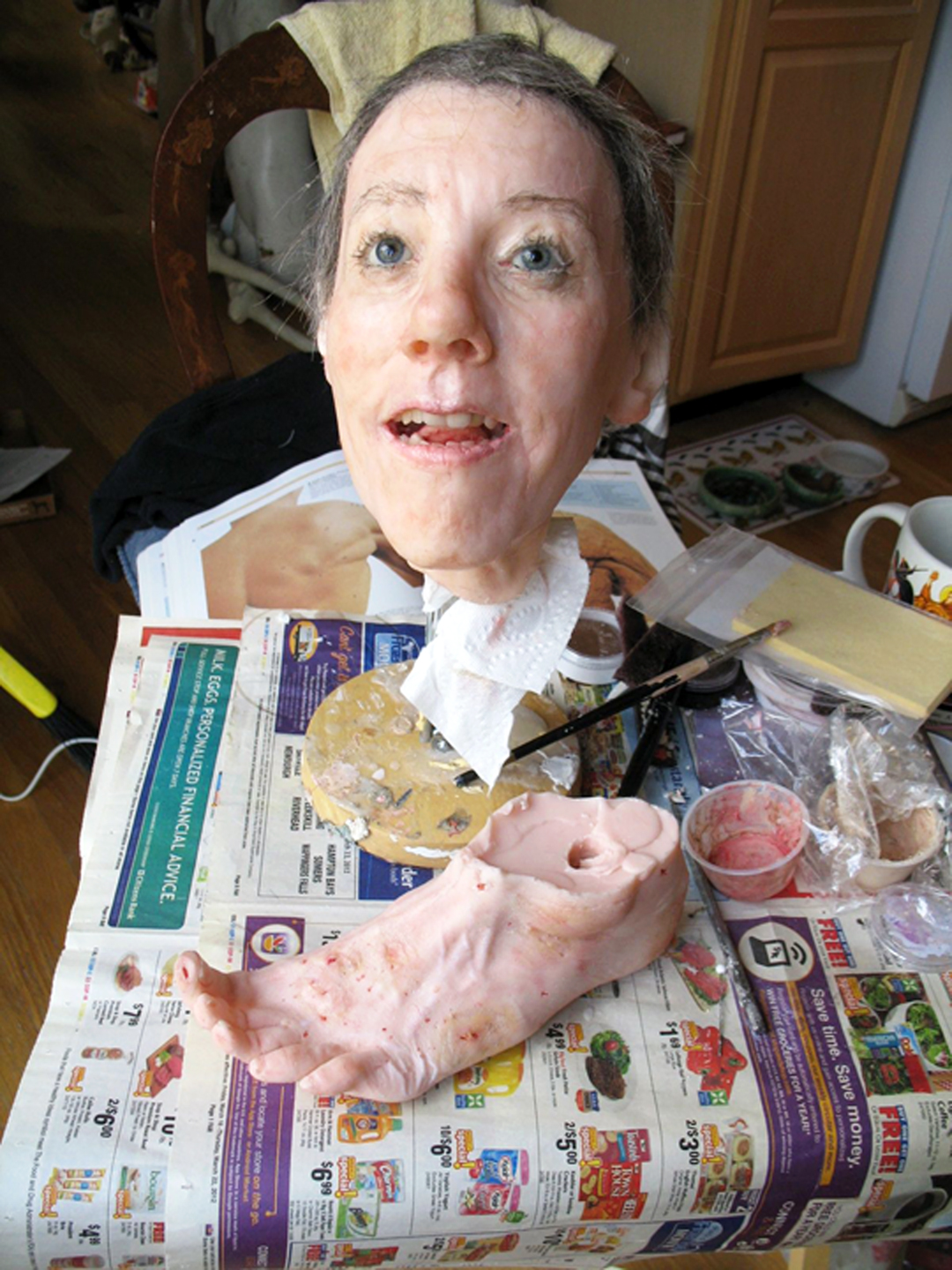
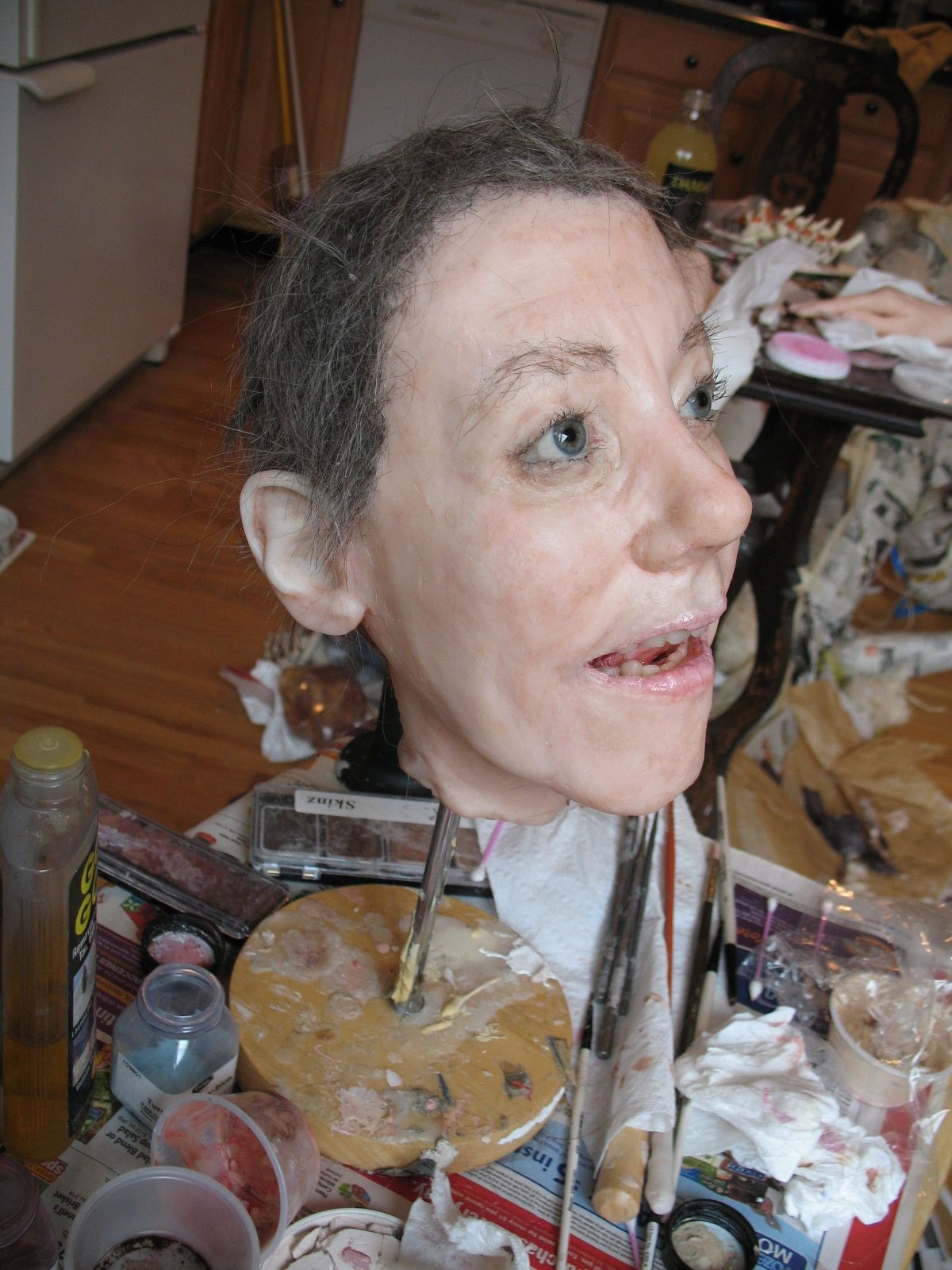
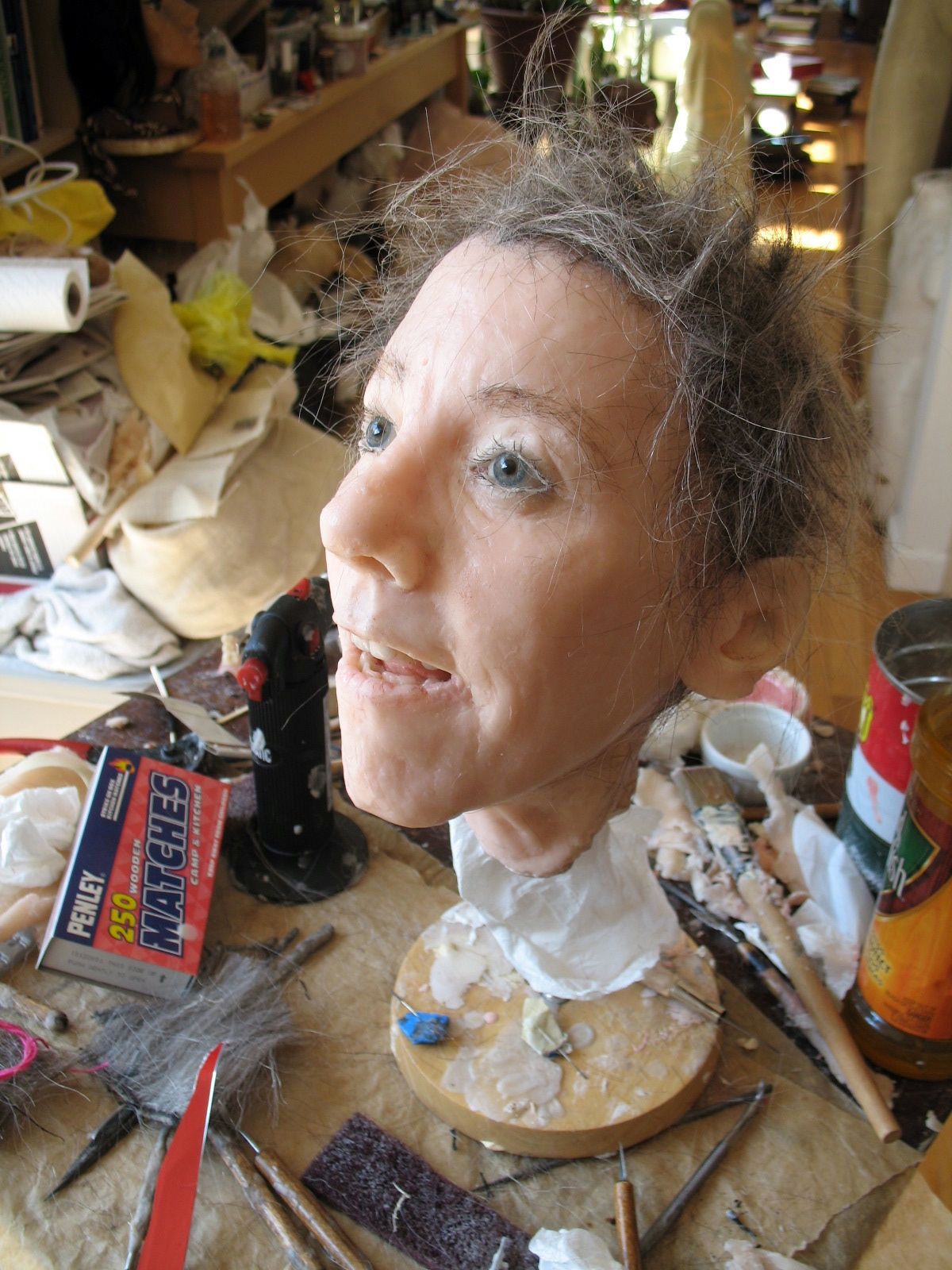
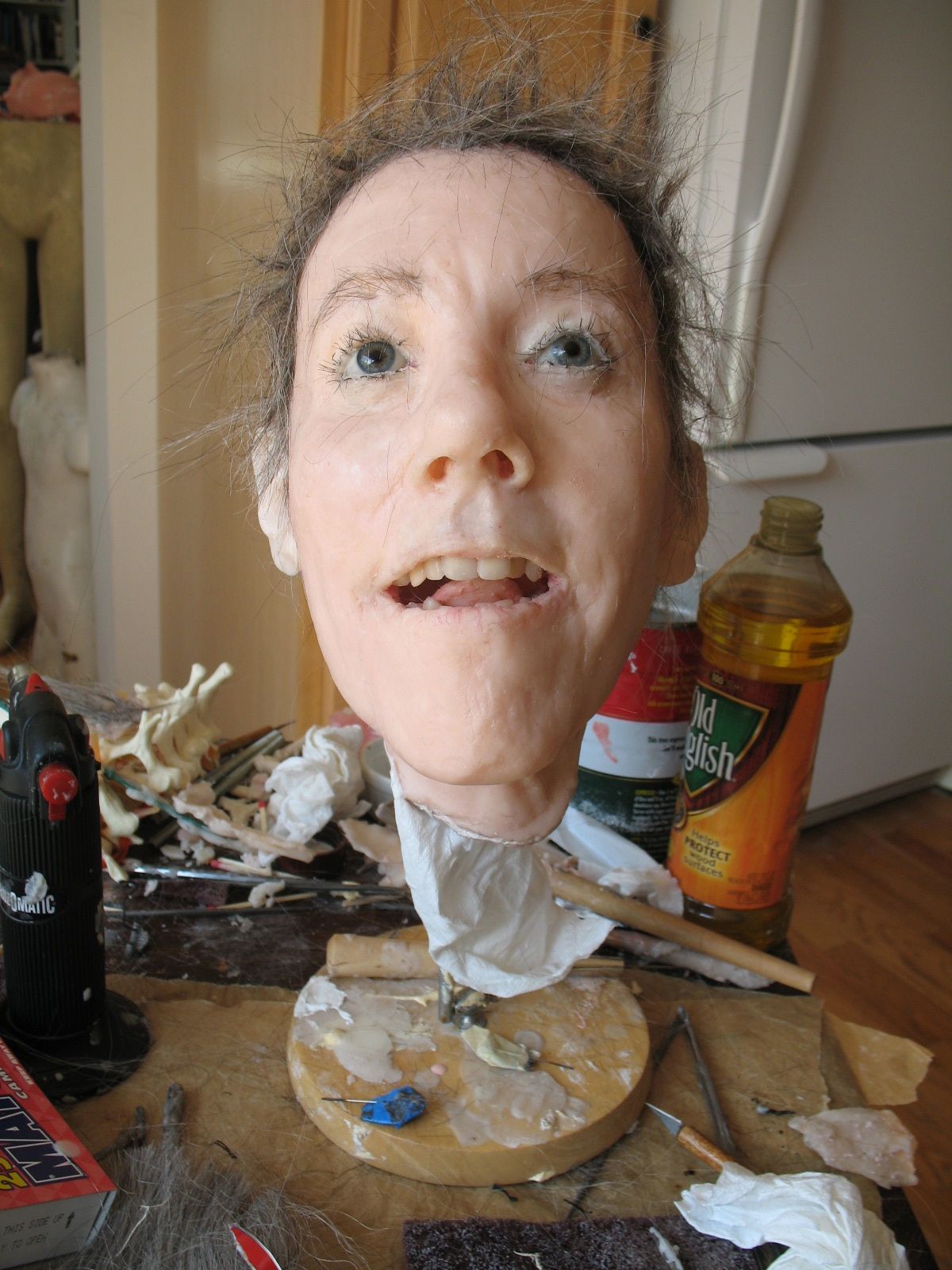
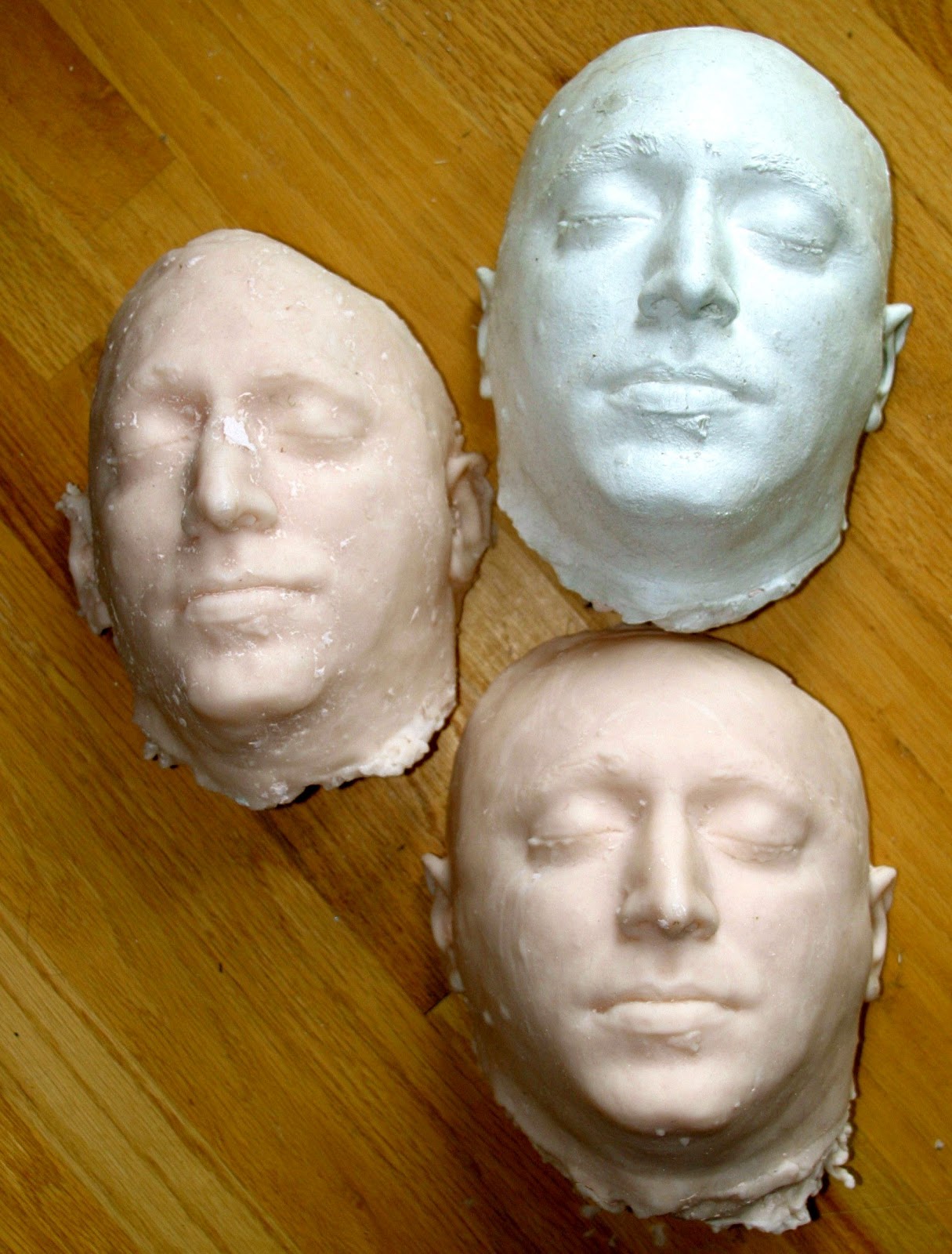
We at Morbid Anatomy are very, very delighted to announce that Sigrid will be bringing her amazing craftsmanship (see her wax self-portrait-in-progress photographed above) to Observatory to teach two special classes developed as part of the nascent Morbid Anatomy Art Academy. The first class, Life and Death Mask Making Workshop, will take place on Sunday, June 3rd, and the second class. Anatomical Wax Votive Making Workshop will take place Sunday June 24th. In both classes, students will leave with their own finished piece to take home, and the knowledge to make their own pieces in the future.

Class size is very limited; if interested, please RSVP to morbidanatomy [at] gmail.com.

Full details follow; hope to see you at one or both of these terrific classes!

Life and Death Mask Making Workshop with Artist Sigrid Sarda
Date: Sunday, June 3

Time: 10 AM - 4 PM
Admission: $100 (includes $40 materials fee)

*** Limited class size; Must RSVP to morbidanatomy [at] gmail.com
This class is part of The Morbid Anatomy Art Academy

For many centuries and in many civilizations, artisans have created what are called "Life Masks" or "Death Masks" cast from the faces of the famous or the infamous to preserve their likeness--living or dead--for posterity. In this class, students will learn to create their very own Life Masks working with alginate--a non-toxic seaweed-based mold making product that is easy on the skin--and plaster. Students will pair up and cast one another, but don't be alarmed; the workshop's instructor Ms. Sarda assures us that you will love this experience, and that most everyone who has been cast comes out feeling relaxed to the point of jello, with the extra insentive of a free facial. All materials are included, and each student will leave class home with their face immortalized in plaster.
The day's schedule:

  • Partnering up and casting
  • Adding plaster to the negative mold
  • An hour break for lunch (give or take depending on how fast the plaster dries)
  • Demolding and cleaning the cast
  • Touching up any imperfections in the plaster cast

Warning: If you are someone who is extremely claustrophobic, this is not for you. Dress casually and have fun!

Sigrid Sarda is self taught in the art of ceroplastics. She has been featured on such programs as The Midnight Archive and will be appearing on TV's Oddities this June. She will be showing her work in London this fall. You can find out more here, here and here.

Anatomical Wax Votive Making Workshop with Artist Sigrid Sarda
Date: Sunday, June 24
Time: 10 AM - 4 PM
Admission: $145 (includes $63 materials fee)

*** Limited class size; Must RSVP to morbidanatomy [at] gmail.com
This class is part of The Morbid Anatomy Art Academy

The Votive: Expressing or symbolizing a wish, desire, or vow; Offered, given, undertaken, performed or dedicated in fulfillment of or in accordance with a vow.

Anatomical votives--or replicas of diseased body parts left at a holy place either in hopes of curing ailments or in gratitude for having been healed--have been widely utilized since ancient times. Common media for votives have included terra cotta, marble, silver, and, our personal favorite, wax. In this class, expert wax worker and artist Sigrid Sarda will teach students to create an uncannily lifelike wax votive of the body part of their choice. Each student will leave class with a finished wax votive as well as a knowledge of mold making, wax craft, and the history and meaning of the anatomical votive.
Students are encouraged to focus on an afflicted body part for which they seek relief, or, if they are lacking any unfortunate ailments--be it an ear ache, psoriasis, or that pesky cutaneous horn--to choose a body part that is symbolic to them in anticipation of a particular wish or prayer. Symbolic meanings include the hand which traditionally equates to justice, strength, pledge of faith, power or sincerity, and the foot equating to humility and respect. If that doesn’t suffice we’ll make one up as we go along.
Using an ancient formula created by practitioners of wax modeling, you will create an object for your prayer. The steps taken to reach the desired goal are: first, casting your body part into alginate and creating a negative mold; second, pouring wax into the mold; and finally, demold and clean your votive.

The class will begin with a short talk on the history of votives followed by casting the the body part of your choice. Next, we will take a short break for lunch. following which we will de-mold and clean your lovely wax votive. Please dress casually (it’s a bit messy and very fun). All you need is to bring yourself. All materials are provided, and you get to leave class with your very own votive.

Sigrid Sarda is self taught in the art of ceroplastics. She has been featured on such programs as The Midnight Archive and will be appearing on TV's Oddities this June. She will be showing her work in London this fall. You can find out more here, here and here.

You can find out more about Sigrid and her work here, here and here. You can find out about the classes and Observatory by clicking here. To sign up for the class, please RSVP to morbidanatomy [at] gmail.com. All photos by Sigrd Sarda of her own work.

Source:
http://morbidanatomy.blogspot.com/feeds/posts/default?alt=rss

Fermentative hydrogen production from glucose and starch using pure strains and artificial co-cultures of Clostridium spp.

Background:
Pure bacterial strains give better yields when producing H2 than mixed, natural communities. However the main drawback with the pure cultures is the need to perform the fermentations under sterile conditions. Therefore, H2 production using artificial co-cultures, composed of well characterized strains, is one of the directions currently undertaken in the field of biohydrogen research.
Results:
Four pure Clostridium cultures, including C. butyricum CWBI1009, C. pasteurianum DSM525, C. beijerinckii DSM1820 and C. felsineum DSM749, and three different co-cultures composed of (1) C. pasteurianum and C. felsineum, (2) C. butyricum and C. felsineum, (3) C. butyricum and C. pasteurianum, were grown in 20 L batch bioreactors. In the first part of the study a strategy composed of three-culture sequences was developed to determine the optimal pH for H2 production (sequence 1); and the H2-producing potential of each pure strain and co-culture, during glucose (sequence 2) and starch (sequence 3) fermentations at the optimal pH. The best H2 yields were obtained for starch fermentations, and the highest yield of 2.91 mol H2/ mol hexose was reported for C. butyricum. By contrast, the biogas production rates were higher for glucose fermentations and the highest value of 1.5 L biogas/ h was observed for the co-culture (1). In general co-cultures produced H2 at higher rates than the pure Clostridium cultures, without negatively affecting the H2 yields. Interestingly, all the Clostridium strains and co-cultures were shown to utilize lactate (present in a starch-containing medium), and C. beijerinckii was able to re-consume formate producing additional H2. In the second part of the study the co-culture (3) was used to produce H2 during 13 days of glucose fermentation in a sequencing batch reactor (SBR). In addition, the species dynamics, as monitored by qPCR (quantitative real-time PCR), showed a stable coexistence of C. pasteurianum and C. butyricum during this fermentation.
Conclusions:
The four pure Clostridium strains and the artificial co-cultures tested in this study were shown to efficiently produce H2 using glucose and starch as carbon sources. The artificial co-cultures produced H2 at higher rates than the pure strains, while the H2 yields were only slightly affected.Source:
http://www.biotechnologyforbiofuels.com/rss/

Structural evaluation of sugar cane bagasse steam pretreated in the presence of CO2 and SO2

Background:
Previous studies on the use of SO2 and CO2 as impregnating agent for sugar cane bagasse steam treatment showed comparative and promising results concerning the cellulose enzymatic hydrolysis and the low formation of the inhibitors furfural and hydroxymethylfurfural for the use of CO2 at 205C/15 min or SO2 at 190C/5 min [10]. In the present study sugar cane bagasse materials pretreated as aforementioned were analyzed by scanning and transmission electron microscopy (SEM and TEM), X-Ray Diffraction (XRD) and Infrared (FTIR spectroscopy) aiming a better understanding of the structural and chemical changes undergone by the pretreated materials.
Results:
SEM and TEM data showed that the structural modifications undergone by the pretreatment with CO2 were less pronounced in comparison to that using SO2, which can be directly related to the combined severity of each pretreatment. According to XRD data, untreated bagasse showed, as expected, a lower crystallinity index (CI = 48.0%) when compared to pretreated samples with SO2 (CI = 65.5%) or CO2 (CI = 56.4%), due to the hemicellulose removal of 68.3% and 40.5%, respectively. FTIR spectroscopy supported SEM, TEM and XRD results, revealing a more extensive action of SO2.
Conclusions:
The SEM, TEM, XRD and FTIR spectroscopy techniques used in this work contributed to structural and chemical analysis of the untreated and pretreated bagasse. The images from SEM and TEM can be related to the severity of SO2 pretreatment, which is almost twice higher. The crystallinity index values obtained from XRD showed that pretreated materials have higher values when compared with untreated material, due to the partial removal of hemicellulose after pretreatment. FTIR spectroscopy supported SEM, TEM and XRD results. CO2 can actually be used as impregnating agent for steam pretreatment, although the present study confirmed a more extensive action of SO2.Source:
http://www.biotechnologyforbiofuels.com/rss/

Fatty liver disease – Choline provides a nutritional solution for a silent epidemic

by: Helmut Beierbeck

Fatty liver disease used to be associated with alcoholism, but it is no longer
restricted to heavy drinkers. Our calorie-rich but nutrient-poor diet has led
to an epidemic of nonalcoholic fatty liver disease (NAFLD) that tracks our
rising obesity and diabetes rates (1). Autopsies and ultrasound studies have
shown that up to 75% of the obese and 70-85% of type 2 diabetics have fatty
livers. And the low-profile but essential nutrient choline appears to provide
the solution to the problem (1, 2).

What is NAFLD?

NAFLD develops in two stages (1). In the first stage fat accumulates in the
liver. This fat can come from several sources: free fatty acids released into
the blood by fat tissue, lipogenesis in the liver from carbohydrates
(especially fructose from HFCS or table sugar), and dietary fats carried to the
liver by chylomicron remnants. Fatty liver disease is a silent epidemic because
its first stage, fat accumulation, generally doesn't produce overt symptoms. Readmore…

Source:
http://feeds.feedburner.com/integratedmedicine

AZFa protein DDX3Y is differentially expressed in human male germ cells during development and in testicular tumours: new evidence for phenotypic plasticity of germ cells

BACKGROUND

DDX3Y (DBY), located within AZoospermia Factor a (AZFa) region of the human Y chromosome (Yq11), encodes a conserved DEAD-box RNA helicase expressed only in germ cells and with a putative function at G1–S phase of the cell cycle. Deletion of AZFa results most often in germ cell aplasia, i.e. Sertoli-cell-only syndrome. To investigate the function of DDX3Y during human spermatogenesis, we examined its expression during development and maturation of the testis and in several types of testicular germ cell tumours (TGCTs), including the pre-invasive carcinoma in situ (CIS) precursor cells which are believed to originate from fetal gonocytes.

METHODS

DDX3Y protein expression was analysed during development in different tissues by western blotting. The localization of DDX3Y in normal fetal and prepubertal testis tissue of different ages as well as in a series of distinct TGCT tissue samples (CIS, classical seminoma, spermatocytic seminoma, teratoma and embryonal carcinoma) was performed by immunohistochemistry.

RESULTS

Germ cell-specific expression of DDX3Y protein was revealed in fetal prospermatogonia but not in gonocytes and not before the 17th gestational week. After birth, DDX3Y was expressed at first only in the nuclei of Ap spermatogonia, then also in the cytoplasm similarly to that seen after puberty. In CIS cells, DDX3Y was highly expressed and located predominantly in the nuclei. In invasive TGCT, significant DDX3Y expression was found in seminomas of the classical and spermatocytic type, but not in somatically differentiated non-seminomas, consistent with its germ-cell specific function.

CONCLUSIONS

The fetal germ cell DDX3Y expression suggests a role in early spermatogonial proliferation and implies that, in men with AZFa deletion, germ cell depletion may begin prenatally. The strong expression of DDX3Y in CIS cells, but not in gonocytes, indicates phenotypic plasticity of CIS cells and suggests partial maturation to spermatogonia, likely due to their postpubertal microenvironment.

Source:
http://humrep.oxfordjournals.org/rss/current.xml

CD147 regulates apoptosis in mouse spermatocytes but not spermatogonia

BACKGROUND

Spermatogenesis is maintained by a dynamic balance between germ cell proliferation and apoptosis. Previous study has demonstrated that CD147 knockout mice are infertile with arrested germ cells. However, the question of whether and how CD147 may be involved in the apoptotic process during spermatogenesis remains elusive. The aim of this study was to evaluate the role of CD147 in the regulation of germ cell apoptosis in mice.

METHODS

CD147 function was blocked by anti-CD147 antibody in GC-1 (immortalized spermatogonia) and GC-2 (immortalized spermatocytes) cell lines and in testicular germ cells in vivo. Testes size and weight were examined after injection of anti-CD147 antibody into the seminiferous tubules of severe combined immunodeficiency mice. Germ cell apoptosis was determined by terminal deoxynucleotidyl transferase dUTP nick end labeling (TUNEL) assay and levels of p53 and two effectors, caspase 3 and poly ADP-ribose polymerase (PARP), using western blots.

RESULTS

The size and weight of the CD147-immunodepleted testes were decreased compared with that in control testes (P < 0.001). The TUNEL assay showed an increase in the number of apoptotic spermatocytes (P < 0.001 versus control) but not spermatogonia in Stages XI–XII of CD147-immunodepleted testes. In addition, in vitro experiments demonstrated that CD147 immunodepletion induced an increase in apoptosis in GC-2 cells (P < 0.001 versus control) but had no effect on GC-1 cells. Moreover, deprivation of CD147 induced apoptosis in spermatocytes through a p53-independent mechanism, which led to caspase 3 and PARP activation.

CONCLUSIONS

We have demonstrated that immunodepletion of CD147 induces p53-independent apoptosis in mouse spermatocytes but not spermatogonia.

Source:
http://humrep.oxfordjournals.org/rss/current.xml

Caucasian male infants and boys with hypospadias exhibit reduced anogenital distance

BACKGROUND

Animal models of endocrine dysfunction have associated male genital defects with reduced anogenital distance (AGD). Human studies have correlated shorter AGD with exposure to putative endocrine disruptors in the environment but have not examined AGD in hypospadiac boys. We measured AGD in boys with hypospadias and those with normal genitals.

METHODS

Data were collected prospectively on boys undergoing urologic procedures at the University of California San Francisco and the Children's Hospital of Oakland, CA, USA. Data included age, race, height, weight, BMI, urologic diagnoses and AGD. To minimize any potential effects of race on observed AGD, we examined only Caucasian boys. Differences between boys with hypospadias and those with normal genitals were examined through two-tailed Student's t-tests.

RESULTS

One hundred and nineteen Caucasian boys ranging in age from 4 to 86 months underwent AGD measurement, of which 42 and 77 were boys with normal genitals and hypospadias, respectively. The mean (±SD) AGD of boys with hypospadias was 67 ± 1.2 versus 73 ± 1 mm for boys with normal genitals (P = 0.002). In these age-unmatched patient groups, there were also differences in age, height and weight (P = 0.0001, 0.0002 and 0.0004, respectively). After age matching (all <2 years of age), boys with hypospadias (n= 26) still featured a shorter AGD than boys with normal genitals (n= 26; 62 ± 2 versus 68 ± 2 mm respectively, P = 0.033) but the differences in age, height and weight were no longer significant.

CONCLUSIONS

In humans, hypospadias may indeed be associated with reduced AGD. Additional studies are needed to corroborate these preliminary findings and to determine their etiology.

Source:
http://humrep.oxfordjournals.org/rss/current.xml

The influence of patient and cohort parameters on the incidence and developmental potential of embryos with poor quality traits for use in human embryonic stem cell derivation

BACKGROUND

Human embryonic stem cells (hESCs) are most commonly derived from the inner cell mass (ICM) of blastocyst stage embryos. While the majority of hESC lines originate from good-quality embryos donated after cryogenic storage, poor-quality embryos (PQEs) not suitable for clinical use have also been shown to generate hESC. This provides a newfound function for embryos that would otherwise be discarded following IVF or ICSI. Owing to their lack of clinical importance, however, data on the poorest embryos in a cohort go largely unreported in the literature. It is therefore of interest to better understand the availability of PQEs from IVF/ICSI cycles and to determine their ability to develop into blastocysts with good-quality ICMs for use in hESC derivation. In this study, we investigate the influence of patient parameters and embryo cohort on PQE incidence, blastocyst development, ICM quality and successful hESC derivation from donated PQEs.

METHODS

PQEs from 736 patient cycles that did not meet our clinical criteria for transfer or cryopreservation were cultured until Day 6 of development and assessed for blastocyst formation and ICM quality. A subset of blastocysts with good-quality ICMs were then used for hESC derivation attempts. Anonymous patient data such as maternal age, embryo history and cohort parameters were then retrospectively compiled and analysed.

RESULTS

PQEs made up 46.8% of two pronucleate embryos created from IVF/ICSI. Including embryos with abnormal fertilization, a mean of 3.6 ± 2.8 embryos were donated per cycle with 32.6% developing to the blastocyst stage. Good-quality ICM were produced in 13.9% of PQEs cultured. Of good-quality ICM, 15.4%  of those used in hESC derivation attempts resulted in a novel line. The PQEs that originated from older patients (>37 year) or from cycles that did not result in pregnancy had significantly diminished blastocyst development and ICM quality. Maternal age was also shown to further influence the ability of good-quality ICMs to generate hESC.

CONCLUSIONS

PQEs are an abundant source of embryos capable of developing to blastocysts with good-quality ICMs and subsequently generating novel hESC. We have shown that prognostic variables used to predict IVF/ICSI outcome can also help predict which PQEs have the best hESC developmental potential. Owing to the diversity of PQE origin, experiments designed to compare hESC derivation techniques or efficiency using PQEs should consider clinical IVF/ICSI parameters to establish groups with equal developmental competence. Additional investigation is needed to determine if these results are applicable to hESC derivation using good-quality embryos.

Source:
http://humrep.oxfordjournals.org/rss/current.xml

The effect of GM-CSF on development and aneuploidy in murine blastocysts

BACKGROUND

Growth factors and cytokines are present in small quantities in the oviduct and uterus and some are synthesized by the growing embryo. Granulocytes–macrophage colony-stimulating factor (GM-CSF) is known as an important regulator, which enhances cell proliferation and reduces apoptosis in developing blastocysts, during normal fetal and placental development. The purpose of this study is to investigate whether adding GM-CSF to the culture media affects blastulation or the chromosomal status of mouse embryos.

METHODS

Murine embryos were cultured in vitro from the 2-cell stage until the blastocyst stage in the presence of different concentrations of GM-CSF of 0 ng/ml (control), 1, 2, 5 and 10 ng/ml. The development of each embryo was noted and the embryos were then spread for fluorescence in situ hybridization (FISH) using locus-specific probes (LSI) for chromosomes 2, 11 and 16 in all embryos.

RESULTS

No difference in the blastulation potential was noted with the addition of 1 and 2 ng/ml of GM-CSF compared with the controls, but there was a significant decrease (P < 0.001) in the blastulation rate in the 5 and 10 ng/ml concentrations. The rate of mosaicism/aneuploidy noted in all GM-CSF groups (1, 2, 5 and 10 ng/ml) was slightly higher than in the control group (0 ng/ml GM-CSF) but the differences were not significant. In the mosaic embryos from the GM-CSF cultured groups, the percentage of aneuploid cells was statistically higher than in the control group.

CONCLUSIONS

GM-CSF exerted a negative impact on blastocyst development at higher concentrations. GM-CSF did not affect the rates of mosaicism/aneuploidy, but did increase the percentage of aneuploid cells within the mosaic embryos. Adding GM-CSF to the culture media for clinical use requires further studies either on human or animal models to evaluate its long-term effects.

Source:
http://humrep.oxfordjournals.org/rss/current.xml

Hormonal and molecular characterization of follicular fluid, cumulus cells and oocytes from pre-ovulatory follicles in stimulated and unstimulated cycles

BACKGROUND

The use of ovarian stimulation, to stimulate a multi-follicular response for assisted reproduction treatments, may force the production of oocytes from follicles that do not reach optimal maturation, possibly yielding oocytes that are not fully competent. The present study aimed to define the follicular environment and oocyte competence of unstimulated pre-ovulatory follicles, to compare it with that of similar-sized stimulated follicles. For this purpose, we analyzed the follicular hormonal milieu, the oocyte meiotic spindle, the embryo development and the cumulus cells gene expression (GE) profiles.

METHODS AND RESULTS

The study population was divided in two groups: (i) 42 oocyte donors undergoing unstimulated cycles and (ii) 18 oocyte donors undergoing controlled ovarian stimulation cycles (COS). Follicular fluid was analyzed to quantify the concentrations of estradiol (E2), progesterone (P), FSH, LH, testosterone (T) and androstendione (4). T was higher in the COS group, while 4, E2 and LH were significantly higher in unstimulated cycles. The cumulus oophorus cells (CC) surrounding the oocyte were removed and their GE profiles were analyzed with microarrays. There were 18 differentially expressed genes in CC: 7 were up-regulated and 11 were down-regulated in the COS cycles. The microarray was validated by qRT–PCR. The analysis of spindle structure revealed no significant differences between the groups, except for the parameter of length which presented differences. The fertilization ability and embryo morphology on Days 2, 3 and 4 did not show any significant differences between groups.

CONCLUSIONS

The use of ovarian stimulation induces changes in the follicular fluid and in CC GE that may affect immune processes, meiosis and ovulation pathways. Although these differences do not seem to relate to early-stage embryo morphology, the implications of some of the molecules, especially ALDH1A2, CTSL and ZNF33B at the CC level, deserve to be addressed in future studies.

Source:
http://humrep.oxfordjournals.org/rss/current.xml

Consistent and predictable delivery rates after oocyte vitrification: an observational longitudinal cohort multicentric study

BACKGROUND

An efficient method for cryopreservation of human oocytes may offer solutions to legal and ethical problems in routine infertility programs and may also be used for fertility preservation for medical and social reasons.

METHODS

We conducted an observational longitudinal cohort multicentric study to investigate the efficacy and reproducibility of oocyte cryopreservation outcomes in IVF/ICSI cycles. Moreover, the effects of patient and cycle characteristics on the delivery rate (DR) were analyzed.

RESULTS

In 486 cycles performed in 450 couples, 2721 oocytes were warmed and 2304 of them survived cryopreservation (84.7%). Of the 2182 oocytes subjected to ICSI, the rates of fertilization and development to top-quality embryos were 75.2 and 48.1%, respectively. A total of 128 deliveries were obtained (26.3% per cycle and 29.4% per transfer) for 450 patients (28.4%) and 147 babies were live born from 929 embryos transferred (15.8%). The forward logistic regression analysis on a per patient basis showed that female age [odds ratio (OR): 0.93, 95% confidence interval (CI): 0.88–0.98], number of vitrified oocytes (OR: 1.08, 95% CI: 1.01–1.17) and the day of transfer (OR: 1.97, 95% CI: 1.14–3.42) influenced DR. By recursive partitioning analysis, it can be estimated that more than eight oocytes vitrified are required to improve the outcome (22.6 versus 46.4% DR, respectively). When fewer oocytes are available in women aged >38 years, results are dramatically reduced (12.6 versus 27.5% DR, respectively). Conversely, when >8 oocytes are available, blastocyst culture represents the most efficient policy (62.1% DR; data from one center only).

CONCLUSIONS

Oocyte vitrification is an efficient and reliable approach, with consistent results between centers and predictable DRs. It should be applied routinely for various indications. A predictive model is proposed to help patient counselling and selection.

Source:
http://humrep.oxfordjournals.org/rss/current.xml

Sperm gene expression profile is related to pregnancy rate after insemination and is predictive of low fecundity in normozoospermic men

BACKGROUND

Assessment of male fertility is traditionally based on microscopic evaluation of semen. However, the classical semen parameters do not adequately reflect sperm function, and their clinical value in predicting fertility is limited. We hypothesize that the sperm expression profile could reflect the fertilizing quality of spermatozoa and could be more informative for predicting the in vivo reproductive fitness of men with normal semen parameters.

METHODS

Sperm gene expression patterns of 68 normozoospermic donors (43 Phase I and 25 Phase II), used for therapeutic IUI, were analysed via TaqMan Arrays.

RESULTS

Significant differences in the expression of individual genes were observed between groups of donors with the lowest and highest pregnancy rates (PRs) after IUI. Additionally, we have developed a molecular means to classify the fertility status of semen donors for IUI based on the expression signature of four genes. In the Phase I study, this model had 90% sensitivity and 97% specificity for discriminating donors resulting in low PRs (cut-off value: <13.6%), far better than that obtained from the combination of sperm parameters. The translation of the model was validated in Phase II donors resulting in a sensitivity of 71.5% and a specificity of 78%.

CONCLUSIONS

Our findings contribute to the search for the most valuable genetic markers which are potentially useful as tools for predicting pregnancy. Our expression model could complement classical semen analysis in order to identify sperm donors with a less favourable IUI reproductive outcome despite having normal semen parameters. It may also be useful for the study of sperm function in couples with unexplained infertility.

Source:
http://humrep.oxfordjournals.org/rss/current.xml

Impact of intraperitoneal pressure of a CO2 pneumoperitoneum on the surgical peritoneal environment

BACKGROUND

Animal experiments have suggested that a high intraperitoneal pressure (IPP) might adversely affect the surgical peritoneal environment. The present experimental study investigates the impact of IPP of a CO2 pneumoperitoneum on human peritoneum.

METHODS

Patients undergoing laparoscopic surgery were subjected to either low (8 mmHg) or standard (12 mmHg) IPP. Normal peritoneum was collected from the parietal wall at the beginning of surgery and every 60 min thereafter. Expression levels of 168 genes that encode extracellular matrix proteins, adhesion molecules or inflammatory cytokine signaling molecules were measured in peritoneal tissues using real-time polymerase chain reaction (PCR)-based assay panels. Human peritoneal mesothelial cells (HPMCs) and human peritoneal fibroblasts (HPFBs) were incubated in a CO2 insufflation chamber for 1 h at 12 or 8 mmHg. Hyaluronan (HA) synthesis and mRNA expression levels of hyaluronic acid synthases (HAS) and hyaluronidases (Hyal) in HPMCs and HPFBs were measured at 0, 4, 8, 12, 24 and 48 h after CO2 gas exposure by ELISA and real-time PCR, respectively.

RESULTS

Expression levels of connective tissue growth factor (CTGF), matrix metalloproteinase-9, E-selectin, chemokine (C-X-C motif) ligand 2 (CXCL-2), Hyal-1 and Hyal-2 were significantly higher and those of HAS-1, HAS-3, thrombospondin-2 (TSP-2) and interleukin-10 were significantly lower in the 12 mmHg group compared with the 8 mmHg group. HA synthesis was significantly lower in the 12 mmHg group compared with the 8 mmHg group in HPMCs and HPFBs throughout the time course.

CONCLUSIONS

A low IPP (8 mmHg) may be better than the standard IPP (12 mmHg) to minimize the adverse impact on the surgical peritoneal environment during a CO2 pneumoperitoneum.

Source:
http://humrep.oxfordjournals.org/rss/current.xml

The clinical features and management of perineal endometriosis with anal sphincter involvement: a clinical analysis of 31 cases

BACKGROUND

The aim of this study was to investigate the appropriate measures for diagnosing and treating perineal endometriosis (PEM) with anal sphincter involvement.

METHODS

Between January 1992 and April 2011, the clinical features, diagnosis and management of 31 patients who were diagnosed with PEM with anal sphincter involvement at the Peking Union Medical College Hospital were retrospectively analyzed using their clinical records. A range of 6–78 months of outpatient follow-up after surgery were conducted for these 31 patients but was extended by telephone interviews with 29 patients conducted in December 2011.

RESULTS

All 31 patients had a history of vaginal delivery. The level of serum CA125 was elevated in only 2 (6.5%) cases. All cases received surgical treatment, which included narrow excision (NE, close to the edge of the endometrioma) with primary sphincteroplasty (PSp) for 30 cases and incomplete excision (IE) for 1 case. Of the 30 cases in the NE group, 20 (66.7%) received hormone therapy preoperatively. Up until December 2011, there was one recurrence (3.6%) of PEM in the NE group. PEM relapse occurred in the IE patient 6 years after the initial IE surgery. Perineal abscesses were found in one patient post-operatively. No complaint of dyspareunia and no fecal incontinence episodes were observed during follow-up.

CONCLUSIONS

Based on our own experience, NE and PSp may be indicated for the treatment of PEM with anal sphincter involvement.

Source:
http://humrep.oxfordjournals.org/rss/current.xml