From the Street Anatomy Store

Signature cyclops skull on wood by the prominent Chicago street artist SARO

Untitled yellow 12"x11" on 1" thick wood - $50


Signature cyclops skull on wood by the prominent Chicago street artist SARO

Untitled purple 12"x11" on 1" thick wood - $50


Signature cyclops skull on wood by the prominent Chicago street artist SARO

Untitled blue 12"x11" on 1" thick wood - $50

I’m almost tempted to keep these fantastic boards for myself!

Signature cyclops skulls on wood by the prominent Chicago street artist, SARO.
“These were originally intended for the street as they are painted on the very style and size wood that I’ve used in my 100+ boards I’ve put up here in Chicago.” —SARO


Read our recent interview with SARO to learn more about the street artist and his process.


LEGO My Skeleton

Clay Morrow LEGO skeleton front

Clay Morrow LEGO skeleton back
Clay Morrow LEGO skeleton skull

Clay Morrow LEGO skeleton organs

Fabulous LEGO skeleton created by Clay Morrow.  I can only imagine how challenging it was to find all the right little pieces to make it look just right. Now if we could only get instructions!

See more angles of the skeleton and Clay’s work on his Flickr site.


Tomororrow Night at Observatory: Exhibition Opening Party for "The Corrigan Family Oddments," Curated by G. F. Newland

Tomorrow night! Hope to see you there!

Exhibition Opening Party for "The Corrigan Family OddmentsCurated by G. F. NewlandDate: Tomorrow, Friday, June 17Time: 7-10pmGreetings Art fans! In celebration of Father’s Day, the Observatory Things-That-Move Dept. invites you all to take a peek at procreation! In nature, talents can be predisposed, and passed on from generation to generation. Families like the Gentileschis, the Peales, the Bachs, the Wyethes, and most recently, the Kominsky-Crumbs have all made a strong case for this heredity thing; the Bush presidencies, not so much, but hey, it’s a crap shoot! Anyway, our latest show is about a wee dynasty of painters named Corrigan, and through their family oddments, we will examine art, eccentricity, and the vagaries of genetic code.The Corrigan Family Oddments features the work of Dennis Corrigan and his two adult daughters, Sara and Becky. Dennis Corrigan–the family patriarch–rose to prominence in the art world of the late 1960s after returning from his tour of duty in the Philippines during the Vietnam war. He continues to pursue an active studio life involving the production of intricate and creepy yet humorous paintings, and film projects based on puppet characters derived from those paintings. His work resides in museums and galleries around the world, including the Metropolitan Museum or Art and the Brooklyn Museum. Sara, his oldest daughter, is a filmmaker and film-editor who has worked with such luminaries as Woody Allen; her fine art work consists of bizarre images of an imaginary and desperate Marilyn Monroe wannabe. These delightful yet deranged little paintings are created in oil on canvas. Becky, the youngest daughter, works as a singer-songwriter and physical therapist while creating very simple line drawings of ludicrous characters and more complex oil portraits of people on the edge.This promises to be a most enjoyable show revealing the concepts and skills, similarities and differences of a very talented and humorous family of artists.

You can find out more about this event on the Observatory website by clicking here. You can get directions to Observatory--which is next door to the Morbid Anatomy Library (more on that here)--by clicking here. You can find out more about Observatory here, join our mailing list by clicking here, and join us on Facebook by clicking here.Image: Satisfied Nicotine Freaks, Dennis Corrigan, Oil on Canvas

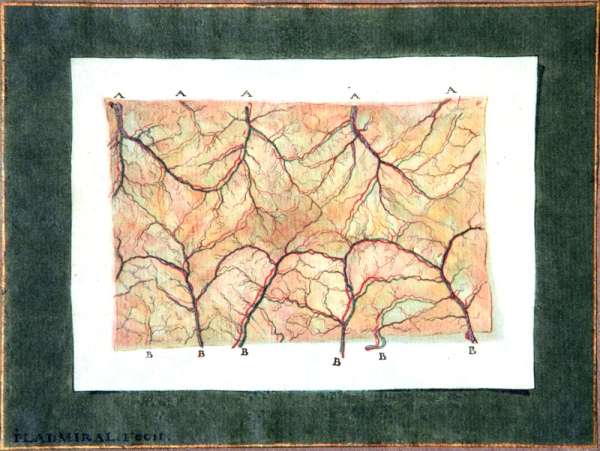
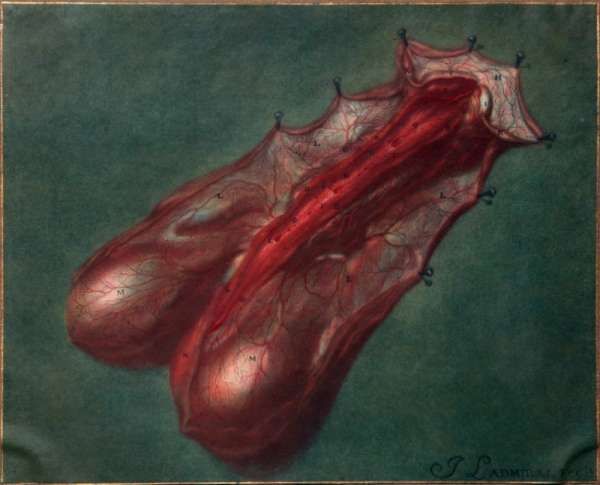
Jan Ladmiral (1698 – 1773)

I just discovered the amazing anatomical mezzotints of 18th Century artist Jan Ladmiral (see above) via, of all things, a humorous blog post flaming Congressman Anthony Weiner on a blog called Booktryst. The work is gorgeous, and remind me of another of my favorite anatomical artists, Jacques Fabian Gautier d'Agoty; see this recent post for more on that.A bit about Jan Ladmiral, from the original Booktryst post:

Jan Ladmiral (1698 - 1773) was a pupil and assistant to the great anatomical illustrator Jacob Christoph Le Blon (1670 - 1741). Afterward, Ladmiral, apparently, presumed ownership of Le Blon's secret invention for coloring mezzotint engravings, a process using three different impressions of primary colors (blue, yellow, and red) for one image and thus able to produce different color values without the use of black."Ladmiral offered his services in the making of colored anatomical representations to the famous anatomist, Albinus in Leyden. This anatomist put his (Ladmiral's] invention to the test and even permitted him to use two posthumous drawings by Ruysch…" (Choulant and Streeter, History and Bibliography of Anatomic Illustration, p. 267).Between 1736 and 1741 Ladmiral created six colored mezzotints of anatomical subjects that made his reputation and remain highly regarded as amongst the finest examples ever produced. Three of those mezzotints are seen here. The initial print in the series, Muscularis mucosae of the intestine, from 1736, is a milestone, the first use of color printing in a medical or scientific book...

You can read the entire piece in context by clicking here.Images top to bottom:

  1. Brain of an Unborn Child (1738)
  2. Muscularis mucosae of the intestine (1736)
  3. Human penis (1741)

Lomography Camera Launch Party and Grand Store Reopening (with Mermaid!), Thursday June 16th, Free

Lomography--a company championing low-tech, low-fi film photography--is launching a new nautical-themed analog camera, and have invited me to be an experimental first user! So, look forward to lots of charmingly imperfect images--such as the one you see above, produced on one of their cameras--in the days and weeks to come.Also of interest: this new camera will be officially unveiled at a launch party taking place at their Greenwich Village shop this Thursday, and will feature free snacks (!) and drinks (!!!) AND a live mermaid (what is it about mermaids these days?)Full details for the launch party follow. Hope to see you there!

Camera Launch Party and Grand Store ReopeningDate: Thursday, June 16Time: 7:00pm - 10:00pmLocation: Lomography Gallery Store41 W 8th Street, New York, New YorkThe Lomography Gallery Store NYC Greenwich will be returning like a siren as we celebrate an updated shop and a brand new camera while we unveil the first ever Lomography Fish Market!The tide is coming in and it’s bringing a new product ashore! Join us at our Greenwich Village location on Thursday, June 16th at 7pm for a huge party to celebrate our latest catch and tons of new shop features.We will need all hands on deck as we give our guests the chance to win this new mystery product & “go fishing” for film & other analog goodies. We will have a real-live mermaid in attendance as well as musical entertainment by SUPERCUTE! Not to mention drinks and snacks galore.So prepare the sails and bait your hooks! We’ll see you on Thursday, June 16th at 7pm.

More about the event can be found here. You can RSVP on Facebook by clicking here.Image was sourced here.

This Sunday at the Coney Island Museum: "Portrait of a Dime Museum: The Niagra Falls Museum (1827-1999)," a Lecture with Collector Bill Jameison

This Father's Day Sunday: a unique opportunity to learn about about the historical, curious, and amazing Niagara Falls Museum (est. 1827) from the mouth of its new keeper, Bill Jamieson, surrounded by an assortment of astounding objects from the museum as installed in The Great Coney Island Spectacularium!This event is seriously not to be missed! Full details follow; VERY much hope to see you there!

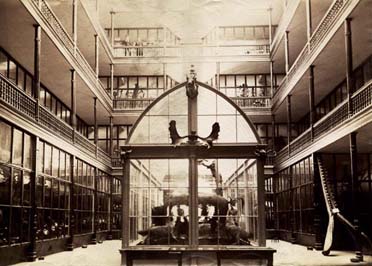
Portrait of a Dime Museum: The Niagra Falls Museum (1827-1999)A Lecture by Historian, Museologist, and Collector Bill Jamieson, Owner of The Niagara Falls Museum CollectionLocation: The Coney Island Museum, 1208 Surf AvenueDate: Sunday, June 19Time: 1:00 PMAdmission: $5Part of the Out of the Cabinet: Tales of Strange Objects and the People Who Love Them, presented by Morbid Anatomy and Scholar in Residence Evan MichelsonIn the 19th and early 20th Centuries, popular museums--many of them charging a dime for admission, and thus often referred to as “dime museums”-- were a beloved part of the amusement landscape. In the U.S., these attractions were pioneered by Charles Willson Peale's Philadelphia Museum (est. 1784) and P. T. Barnum's American Museum (est. 1842). These early museums exhibited a dizzying array of curiosities including live menageries, animal and human freaks, taxidermy, artworks, waxworks, cosmoramas, temperance plays, trained bears, the tree under which Jesus’ disciples sat, Jenny Lind, General Tom Thumb, Chang and Eng, and Barnum’s infamous Feejee Mermaid.The Niagara Falls Museum--Canada's oldest museum--was an important early dime museum founded in 1827 and open to the public until 1999. The collection is unique for being a remarkably intact early dime museum collection, showing the kind of breadth and variety rarely seen in the museums of today. Over the course of its tenure, it was notable for hosting such wonders as the mummy of pharaoh Ramses I (repatriated in 2003), early Wild West Shows starring General Custer’s scout “Wild Bill” Hickock and local Woodland Indians, and a number of artifacts from the Pan American Exposition of 1901 including the shell and coral collection famous naturalist Dr. Louis Agassiz. It was also renowned for its strong natural history collection with a focus on local fauna and freak animals living and dead.Over its lifetime, the museum changed location and hands several times, and many collections were added or discarded. It was ultimately purchased by Bill Jamieson--a private collector in Toronto--with the hopes of one day restoring the museum to its original splendor. This year, Mr. Jamieson loaned an assortment of astounding artifacts--including 19th Century waxworks, the remains of Skipper the two-legged dog, taxidermy, Native American artifacts, and seaweed artwork-- from The Niagara Falls Museum to be exhibited as part of The Great Coney Island Spectacularium; these objects are currently on view as part of this exhibition at The Coney Island Museum through April 2012.This Father's Day afternoon, please join us at The Coney Island Museum for a unique opportunity to learn about about the historical, curious, and amazing Niagara Falls Museum surrounded by an assortment of astounding objects from the collection.Bill Jamieson is a historian, ethnologist, museologist, ancient and tribal art dealer and collector. Bill’s interests evolve around the forgotten cultures and customs of the South Pacific, Indonesian, African, South and North American Indians, and Egyptian. His fascination with artifacts from these cultures, as well as oddities and curiosities from around the globe, especially objects of the Macabre. Bill’s fieldwork amongst the Shuar in Ecuador and Peru has helped him with much knowledge of this tribal group. His expertise has been drawn upon by National Geographic’s documentary production unit for a series Headhunting, Human Sacrifice, and Cannibalism as well as by numerous museums and researchers. He has been a member of the Canadian Chapter of the New York Explorers Club since 1997. Bill is active in loaning and donating to such Toronto institutions as the Royal Ontario Museum and Art Gallery of Ontario. Bill is presently working on a pilot for a series for History Television.


In-situ lignocellulosic unlocking mechanism in termite for carbohydrate hydrolysis: critical lignin modification

Background:
Termites are highly effective in lignocelluloses degradation thus can be used as model for studying plant cell wall degradation in biological systems. However, the process of lignin deconstruction and/or degradation in termite is still not well understood.
Results:
We have investigated the associated structural modification by termite in the lignin biomolecular assembly in softwood tissues critical for cell wall degradation. Comparative studies on the termite digested (termite feces) and native (control) softwood tissues with the aid of advanced analytical techniques; such as, 13C cross polarization magic angle spinning (CP/MAS) nuclear magnetic resonance (NMR) spectroscopy, pyrolysis gas chromatography mass spectrometry (Py-GC/MS), and flash pyrolysis in presence of tetramethylammonium hydroxide (TMAH) were conducted. The 13C CP/MAS NMR spectroscopic analysis revealed elevated level of guaiacyl derived (G unit) polymeric frame work in the termite digested softwood (feces), while providing specific evidence of cellulose degradation. The Py-GC/MS data were in agreement with the 13C CP/MAS NMR spectroscopic studies, thus indicated dehydroxylation and modification of selective intermonomer side-chain linkages in the lignin proper in the termite feces. Moreover, Py (TMAH)-GC/MS analysis revealed significant differences in the product distribution between control and termite feces. This strongly suggests that the structural modification in lignin proper could be associated with the formation of additional condensed inter-unit linkages.
Conclusion:
Collectively, these data further establish: (1) the conservation of the major beta-O-4' (beta-aryl ether), albeit with sub-structure degeneracy, and (2) the nature of resulting polymer in termite feces retained most of its original aromatic moieties (G unit derived). Overall, these results provide insight into lignin unlocking mechanisms for understanding plant cell wall deconstruction towards development of new enzymatic pretreatment processes mimicking termite system for biochemical conversion of lignocellulosic biomass to fuels and chemicals.

Meat industry lying about E. coli contamination

The meat industry has been misusing data to make it appear that E. coli contamination of meat is decreasing, said Barbara Kowalcyk of the Center for Foodborne Illness, Research and Prevention.

Executives from the American Meat Institute (AMI) have claimed success in the beef industry's efforts to reduce contamination with the dangerous E. coli strain O157:H7. According to the AMI, inspection data from the U.S. Department of Agriculture's (USDA's) Food Safety and Inspection Service show a 45 percent drop in E. coli prevalence between 2000 and 2008.

Yet Kowalcyk calls this is a misuse of data never intended for "year-to-year comparisons."

"USDA's E. coli ... testing program is strictly regulatory and was not statistically designed to estimate the prevalence of E. coli O157:H7 in raw ground beef," she said.

Although a 45 percent drop is in fact found in the data, Kowalcyk notes that different facilities were tested and different testing methods used each year. She called the AMI's conclusion as valid as comparing a person who weighed 300 pounds in 2000 to a different person weighing 150 pounds in 2008, then concluding that the average weight of the U.S. population had dropped 50 percent. Read more...

Ayurtox for Body Detoxification

ESHRE consensus on the definition of ‘poor response’ to ovarian stimulation for in vitro fertilization: the Bologna criteria

The definition presented here represents the first realistic attempt by the scientific community to standardize the definition of poor ovarian response (POR) in a simple and reproducible manner. POR to ovarian stimulation usually indicates a reduction in follicular response, resulting in a reduced number of retrieved oocytes. It has been recognized that, in order to define the poor response in IVF, at least two of the following three features must be present: (i) advanced maternal age or any other risk factor for POR; (ii) a previous POR; and (iii) an abnormal ovarian reserve test (ORT). Two episodes of POR after maximal stimulation are sufficient to define a patient as poor responder in the absence of advanced maternal age or abnormal ORT. By definition, the term POR refers to the ovarian response, and therefore, one stimulated cycle is considered essential for the diagnosis of POR. However, patients of advanced age with an abnormal ORT may be classified as poor responders since both advanced age and an abnormal ORT may indicate reduced ovarian reserve and act as a surrogate of ovarian stimulation cycle outcome. In this case, the patients should be more properly defined as ‘expected poor responder’. If this definition of POR is uniformly adapted as the ‘minimal' criteria needed to select patients for future clinical trials, more homogeneous populations will be tested for any new protocols. Finally, by reducing bias caused by spurious POR definitions, it will be possible to compare results and to draw reliable conclusions.

The role of sperm oxidative stress in male infertility and the significance of oral antioxidant therapy

Oxidative stress in the male germ line is thought to affect male fertility and impact upon normal embryonic development. Accordingly, fertility specialists are actively exploring the diagnosis of such stress in spermatozoa and evaluating the possible use of antioxidants to ameliorate this condition. In this review, evidence for the presence of oxidative stress in human spermatozoa, the origins of this phenomenon, its clinical significance in the aetiology of male infertility and recent advances in methods for its diagnosis and treatment are re-examined. Moreover, an extensive review of the results presented in published clinical studies has been conducted to evaluate the overall impact of oral antioxidants on measures of sperm oxidative stress and DNA damage. Administration of antioxidants to infertile men has been assessed in numerous clinical studies with at least 20 reports highlighting its effect on measures of oxidative stress in human spermatozoa. A qualitative but detailed review of the results revealed that 19 of the 20 studies conclusively showed a significant reduction relating to some measure of oxidative stress in these cells. Strong evidence also supports improved motility, particularly in asthenospermic patients. However, of these studies, only 10 reported pregnancy-related outcomes, with 6 reporting positive associations. Adequately powered, placebo-controlled comprehensive clinical trials are now required to establish a clear role for antioxidants in the prevention of oxidative stress in the male germ line, such that the clinical utility of this form of therapy becomes established once and for all.

In situ visualization of damaged DNA in human sperm by Raman microspectroscopy

BACKGROUND

Beyond determining the percentage of damaged sperm, current methods of DNA assessment are of limited clinical utility as they render the sample unusable. We evaluated Raman microspectroscopy, a laser-based non-invasive technique that provides detailed chemical ‘fingerprints' of cells and which potentially could be used for nuclear DNA-based sperm selection.

METHODS

Eight healthy donors provided ejaculates. After system optimization, a minimum of 200 air-dried sperm/sample/donor, prior to/and after UVB irradiation, were assessed by two observers. Spectra were analysed by Principal Component, Spectral Angle and Wavelet Analyses.

RESULTS

Spectra provided a chemical map delineating each sperm head region. Principal Component Analysis showed clear separation between spectra from UV-irradiated and untreated samples whilst averaged data identified two regions of interest (1040 and 1400 cm–1). Local spectral analysis around the DNA PO4 backbone peak (1042 cm–1), showed that changes in this region were indicative of DNA damage. Wavelet decomposition confirmed both the 1042 cm–1 shift and a second UVB susceptible region (1400–1600 cm–1) corresponding to protein–DNA interactions. No difference was found between observer measurements.

CONCLUSIONS

Raman microspectroscopy can provide accurate and reproducible assessment of sperm DNA structure and the sites and location of damage.

Large human sperm vacuoles observed in motile spermatozoa under high magnification: nuclear thumbprints linked to failure of chromatin condensation

BACKGROUND

An embryo's ability to grow and implant can be improved by selection of a normal spermatozoon with a vacuole-free head. However, large vacuoles in spermatozoa have yet to be fully characterized. The present study aimed to determine whether these vacuoles are of nuclear, membrane and/or acrosomal origin.

METHODS

We studied 15 infertile patients with differing sperm profiles. For each sperm sample, we used high-magnification (x10 000) contrast microscopy to select and assess 30 normal ‘top’ spermatozoa and 30 spermatozoa with a large sperm-head vacuole (≥ 25% of the head's cross-sectional area). We subsequently analysed the spermatozoa's degree of chromatin condensation (aniline blue staining), DNA fragmentation (terminal deoxyribonucleotidyl transferase-mediated dUTP nick-end labelling assay) and chromosome content (fluorescence in situ hybridization X,Y,18). Atomic force microscopy enabled us to map the plasma sperm membrane in detail. Three-dimensional deconvolution microscopy enabled us to reconstruct images of the nucleus and acrosome in ‘top’ and ‘vacuolated’ spermatozoa.

RESULTS

We studied a total of 450 ‘top’ spermatozoa and 450 vacuolated spermatozoa. The rate of non-condensed chromatin was higher for ‘vacuolated’ spermatozoa than for ‘top’ spermatozoa (36.2 ± 1.9 versus 7.6 ± 1.3%, respectively; P < 0.0001). ‘Top’ and ‘vacuolated’ spermatozoa did not differ significantly in terms of DNA fragmentation (0.7 ± 0.4 versus 1.3 ± 0.4% respectively; P = 0.25) or aneuploidy (1.1 ± 0.5 versus 2.2 ± 0.7% respectively; P = 0.21). The majority of aneuploid spermatozoa (9 out of 15) lacked chromatin condensation. In all vacuolated spermatozoa, the acrosome was intact, the plasma membrane was sunken but intact and the large vacuole was identified as an abnormal, ‘thumbprint’-like nuclear concavity covered by acrosomal and plasmic membranes.

CONCLUSIONS

The large vacuole appears to be a nuclear ‘thumbprint’ linked to failure of chromatin condensation.

Assisted conception and placental perfusion assessed by uterine artery Doppler at 11-13 weeks’ gestation

BACKGROUND

Pregnancies conceived by IVF are at increased risk of pre-eclampsia (PE). This study examines the potential mechanism for such association by examining the effect of method of conception on placentation as assessed by uterine artery Doppler at 11–13 weeks’ gestation.

METHODS

This prospective screening study at 11+0–13+6 weeks for PE in singleton pregnancies used a combination of maternal history and uterine artery pulsatility index (PI). Regression analysis was performed to examine the association between the method of conception and both uterine artery PI and development of PE, after adjustment for maternal characteristics and obstetric history.

RESULTS

In the study population of 27 461 pregnancies, conception was spontaneous in 26 538 (96.6%), by IVF in 426 (1.6%) and by use of ovulation induction (OI) drugs in 497 (1.8%) pregnancies. Conception by IVF was associated with an increase in risk for early-PE, requiring delivery before 34 weeks [odds ratio 3.94, 95% confidence interval (CI) 1.51–10.27] but not for late-PE. In the OI group, the risk of early- and late-PE was not increased. In addition to IVF, other significant contributors to the prediction of early-PE were maternal weight, height, African and South Asian racial origin, previous and family history of PE and history of chronic hypertension. Significant contributions in explaining log10 uterine artery PI were provided from maternal characteristics but not from the method of conception. The median uterine artery PI multiple of the median (MoM) in the IVF group (1.02 MoM) and in the OI group (1.03 MoM) were not significantly different from that of the spontaneous conception group (1.01 MoM; P= 0.870 and P= 0.296, respectively).

CONCLUSIONS

Conception by IVF substantially increases the risk for early-PE, through a mechanism unrelated to clinically measurable impairment in placental perfusion.

Integrin {beta}3 in rat blastocysts and epithelial cells is essential for implantation in vitro: studies with Ishikawa cells and small interfering RNA transfection

BACKGROUND

Integrins are involved in the process of embryo–endometrium interaction during implantation. We investigated the localization of integrin β3 in the rat blastocyst and Ishikawa cells using an in vitro co-culture model of implantation.

METHODS

Zona pellucida-free rat blastocysts were co-cultured with the Ishikawa cells (endometrial adenocarcinoma cell line) to observe the attachment between the embryo and endometrium. Immunofluorescence staining was used to investigate the localization of integrin β3 in rat embryos at different stages of development (each n= 3 embryos) and at the embryo/endometrium interface, observed by confocal microscopy. The Ishikawa cells were transfected with integrin β3 small interfering RNA (siRNA) for 48 h and then co-cultured with Day 5 rat blastocysts to observe the effect on attachment.

RESULTS

Integrin β3 staining in the rat embryos increased at the blastocyst stage being highly concentrated in the cytoplasm of trophoblast cells (n= 9 embryos). Integrin β3 was localized on the apical surface of the Ishikawa cells (n= 3 experiments). However, integrin β3 relocated to the apical membrane of trophoblast cells in response to attachment to Ishikawa cells (n= 6 embryos). Moreover, when Ishikawa cells were transfected with integrin β3 siRNA, blastocyst attachment was significantly reduced compared with those transfected with control siRNA (16.7 versus 92.3%, respectively, P< 0.05).

CONCLUSIONS

Integrin β3, localized apically in the blastocyst and the Ishikawa cells, is important during initial attachment of the blastocyst to endometrial cells. This study provides further evidence of the importance of integrins during implantation and may aid in elucidating the molecular mechanism of implantation failure and infertility in women.

Circulating CD56+ cells of diabetic women show deviated homing potential for specific tissues during and following pregnancy

BACKGROUND

Human uterine natural killer (uNK) cells, the dominant lymphocytes in early pregnancy decidua, are important for spiral arterial remodelling. uNK cells are thought to arise from circulating CD56bright NK cells that egress into decidualizing endometrium. Both incomplete spiral arterial modification and aberrant NK cell function have been linked with pre-eclampsia, a syndrome that is more prevalent in diabetic women. Since previous in vitro studies have shown that changes in decidual endothelium induced by type 1 diabetes (T1D) reduce its interactions with circulating leucocytes, we hypothesized that diabetes additionally has direct effects on circulating CD56+ NK cells that impair their decidual homing potential.

METHODS

Serial blood samples were collected from control, T1D and T2D pregnant women throughout and after pregnancy. In vitro adhesion under shear forces was used to assay the functional capacity of circulating leucocytes and of CD56+ cells to adhere to endothelium in cryostat sections of gestation day (gd) 7 normal mouse decidua, pancreas and lymph node.

RESULTS

Fewer CD56+ cells from diabetic compared with control women adhered to normal decidual endothelium. The CD56+ cell/total cell adhesion ratio was also lower in diabetics. More diabetic CD56+ cells adhered to pancreatic endothelium and their proportion was greater than for controls. Neither absolute nor proportional adhesion of CD56+ cells to lymph node endothelium differed between diabetics and controls.

CONCLUSIONS

The CD56+ cell adhesion patterns of T1D and T2D women differ from those of non-diabetic women and support the hypothesis that diabetes impairs mechanisms that could be used by CD56+ cells for egress into decidua.

Ultrasonographic prediction of early miscarriage

BACKGROUND

The aim of this retrospective study was to assess the value of maternal history and ultrasound scan findings at 6–10 weeks for predicting early miscarriage.

METHODS

Embryonic crown-rump length (CRL), heart rate (HR), gestational sac diameter (GSD) and yolk sac diameter (YSD) were compared in two groups of women with singleton pregnancies attending an early pregnancy unit. In the first group the initial scan demonstrated a live embryo but in a subsequent visit the scan showed a dead embryo, complete or incomplete miscarriage. In the second group with a live embryo there was subsequent live birth of a normal neonate.

RESULTS

There were 729 pregnancies with miscarriage and 4698 with normal outcome. Logistic regression analysis demonstrated that in the prediction of miscarriage the risk was higher in women of African racial origin [odds ratio (OR) 1.62], cigarette smokers (OR 1.91) and those with vaginal bleeding (OR 2.03) and increased with maternal age (OR 1.05) and YSD (OR 1.88) and was inversely related to CRL (OR 0.79), HR (OR 0.96) and GSD (OR 0.84). At false-positive rate of 30%, the detection rate of miscarriage in screening by vaginal bleeding was 45%, 53% by the addition of maternal history factors and 85.7% by the addition of ultrasound findings.

CONCLUSIONS

In early pregnancy a prediction of miscarriage can be provided by a combination of maternal characteristics and ultrasound findings and the estimated risk can be used to rationalize follow-up. Our multivariate model requires prospective evaluation in a new sample population.

Effect of reproductive tract environment following controlled ovarian hyperstimulation treatment on embryo development and global transcriptome profile of blastocysts: implications for animal breeding and human assisted reproduction

BACKGROUND

In mammals, the reproductive tract plays a crucial role in the success of early reproductive events and provides an optimal microenvironment for early embryonic development. However, changes in the reproductive tract environment associated with controlled ovarian hyperstimulation and the influence on the embryo transcriptome profile have not been investigated. Therefore, we investigated differences in the development rate and the transcriptome profile of bovine blastocysts developing in the reproductive tract of unstimulated or superovulated heifers.

METHODS

Nineteen Simmental heifers were synchronized, superovulated and artificially inseminated; nine heifers were flushed on Day 2 after insemination and 2–4-cell stage embryos were recovered and endoscopicaly transferred to the ipsilateral oviduct of unstimulated (i.e. single-ovulating) synchronized recipients (n= 4 recipients; 25–50 embryos per recipient). The remaining 10 superovulated heifers and the unstimulated recipients were then non-surgically flushed on Day 7 to collect embryos. The blastocyst transcriptome profile was examined using the Affymetrix GeneChip Bovine Genome Array.

RESULTS

The proportion of embryos, which developed to the blastocyst stage, was lower in superovulated heifers than unstimulated heifers (P< 0.05). Blastocysts that developed under the abnormal endocrine conditions associated with ovulation induction showed higher cellular and metabolic activities, as genes involved in the oxidative phosphorylation pathway, different metabolic processes and translation and transcription processes, in addition to genes expressed in response to stress, were highly expressed compared with embryos that developed in the oviduct of unstimulated animals.

CONCLUSIONS

The environment in which the embryo develops in the oviduct/uterus significantly alters gene expression patterns, especially those genes that regulate metabolic activity in the embryo.

Spermatogenetic inhibition in men taking a combination of oral medroxyprogesterone acetate and percutaneous testosterone as a male contraceptive method

BACKGROUND

We previously demonstrated in a small pilot study that oral medroxyprogesterone acetate and percutaneous testosterone (OMP/PT) induce reversible spermatogenesis suppression. The aims of this study were to determine the rate of spermatogenetic inhibition and recovery and to obtain preliminary data on efficacy for a larger population under OMP/PT.

METHODS

A total of 35 healthy men with normal spermiograms requesting male hormonal contraception were treated with OMP (20 mg/day) and PT (50–125 mg/day) for periods up to 18 months. Couples were included in a contraceptive efficacy phase after a value of ≤1 million/ml spermatozoa was reached between 1 and 3 months of treatment.

RESULTS

Sperm counts decreased by 47% at 1 month, reaching 90% at 2 months and 98–100% between 4 and 8 months. At 3 months, 80% of men had ≤1 million/ml spermatozoa. Follicle-stimulating hormone and luteinizing hormone decreased to 35% of pretreatment levels after 1 month of treatment and to 75–80% at 2 and 6 months, respectively. Plasma testosterone and estradiol levels were in the eugonadal range at 3, 6, 9 and 12 months of treatment. Dihydrotestosterone concentrations were 2–4 times higher than pretreatment values. The rate of spermatogenetic recovery was rapid (73 ± 29.5 days). During the efficacy phase (211 months for 25 couples), one pregnancy attributable to poor compliance of the male partner was observed.

CONCLUSIONS

OMP/PT efficiently inhibits spermatogenesis in 80% of men, maintains testosterone at physiological levels and avoids the need for parenteral administration, which is poorly accepted by French men. These results justify larger studies to define a more adequate dosage of OMP/PT and to confirm its efficacy and safety.