
I'd like to know how much energy (watt-hours) can be stored in a capacitor made from two rolls of aluminum foil. The foil is the kind one buy's at a restaurant supply. The ones I have are 18"x500ft x about .001 inches thick. If I rolled two of these together with a dielectric between them and anothe
Monthly Archives: May 2010
Herschel Gets Sneak Peak at Star Birth

The first scientific results from the Herschel infrared space observatory are revealing previously hidden details of star formation. New images show thousands of distant galaxies furiously building stars and beautiful star-forming clouds draped across our Milky Way galaxy. One picture even catches an "impossible" star in the act of formation.
Presented today during a major scientific symposium held at the European Space Agency in the Netherlands, the results challenge old ideas of star birth, and open new roads for future research. The mission is led by the European Space Agency with important participation from NASA.
"Herschel is a new eye on a part of the cosmos that has been dark and buried for a long time," said the mission's NASA project scientist, Paul Goldsmith, at NASA's Jet Propulsion Laboratory, Pasadena, Calif.
Herschel's observation of the star-forming cloud RCW 120 has revealed an embryonic star, which appears ready to turn into one of the biggest and brightest stars in our galaxy within the next few hundred thousand years. It already contains eight to 10 times the mass of the sun and is still surrounded by an additional 2,000 solar masses of gas and dust from which it can feed further.
"This star can only grow bigger," says Annie Zavagno, Laboratoire d'Astrophysique de Marseille in France. Massive stars are rare and short-lived. To catch one during formation presents a golden opportunity to solve a long-standing paradox in astronomy. "According to our current understanding, you should not be able to form stars larger than eight solar masses," says Zavagno.
Read more at http://www.esa.int/esaCP/SEM7N7KPO8G_index_0.html.
Herschel is a European Space Agency cornerstone mission, with science instruments provided by consortia of European institutes and with important participation by NASA. NASA's Herschel Project Office is based at JPL. JPL contributed mission-enabling technology for two of Herschel's three science instruments. The NASA Herschel Science Center, part of the Infrared Processing and Analysis Center at the California Institute of Technology in Pasadena, supports the United States astronomical community. Caltech manages JPL for NASA.
View my blog's last three great articles...
- Engineers Diagnosing Voyager 2 Data System
- NASA Space Balloon falls, hits car, almost hits sp...
- Juniper Jairala
View this site auto transport car shipping car transport business class flights

Engineers Diagnosing Voyager 2 Data System

This artist's rendering depicts NASAs Voyager 2 spacecraft as it studies the outer limits of the heliosphere - a magnetic 'bubble' around the solar system that is created by the solar wind. Image credit: NASA/JPL-Caltech. › Larger image
Engineers have shifted NASA's Voyager 2 spacecraft into a mode that transmits only spacecraft health and status data while they diagnose an unexpected change in the pattern of returning data. Preliminary engineering data received on May 1 show the spacecraft is basically healthy, and that the source of the issue is the flight data system, which is responsible for formatting the data to send back to Earth. The change in the data return pattern has prevented mission managers from decoding science data.
The first changes in the return of data packets from Voyager 2, which is near the edge of our solar system, appeared on April 22. Mission team members have been working to troubleshoot and resume the regular flow of science data. Because of a planned roll maneuver and moratorium on sending commands, engineers got their first chance to send commands to the spacecraft on April 30. It takes nearly 13 hours for signals to reach the spacecraft and nearly 13 hours for signals to come down to NASA's Deep Space Network on Earth.
Voyager 2 launched on August 20, 1977, about two weeks before its twin spacecraft, Voyager 1. The two spacecraft are the most distant human-made objects, out at the edge of the heliosphere, the bubble the sun creates around the solar system. Mission managers expect Voyager 1 to leave our solar system and enter interstellar space in the next five years or so, with Voyager 2 on track to enter interstellar space shortly afterward. Voyager 1 is in good health and performing normally.
"Voyager 2's initial mission was a four-year journey to Saturn, but it is still returning data 33 years later," said Ed Stone, Voyager project scientist at the California Institute of Technology in Pasadena. "It has already given us remarkable views of Uranus and Neptune, planets we had never seen close-up before. We will know soon what it will take for it to continue its epic journey of discovery."
The original goals for the two Voyager spacecraft were to explore Jupiter and Saturn.
As part of a mission extension, Voyager 2 also flew by Uranus in 1986 and Neptune in 1989, taking advantage of a once-in-176-year alignment to take a grand tour of the outer planets. Among its many findings, Voyager 2 discovered Neptune's Great Dark Spot and 450-meter-per-second (1,000-mph) winds. It also detected geysers erupting from the pinkish-hued nitrogen ice that forms the polar cap of Neptune's moon Triton. Working in concert with Voyager 1, it also helped discover actively erupting volcanoes on Jupiter's moon Io, and waves and kinks in Saturn's icy rings from the tugs of nearby moons.
Voyager 2 is about 13.8 billion kilometers, or 8.6 billion miles, from Earth. Voyager 1 is about 16.9 billion kilometers (10.5 billion miles) away from Earth.
The Voyagers were built by JPL, which continues to operate both spacecraft. Caltech manages JPL for NASA.
For more information about the Voyagers, visit: http://voyager.jpl.nasa.gov/.
View my blog's last three great articles...
- NASA Space Balloon falls, hits car, almost hits sp...
- Juniper Jairala
- NASA won't explain these phenomenon
View this site auto transport car shipping car transport business class flights

Benefits of Olive Oil Include Fighting Ulcerative Colitis

New research indicates that people who ingest more olive oil, grapeseed oil and peanut oil are less likely to get ulcerative colitis.
A new study by researchers at the University of East Anglia has shown that consuming more olive oil can actually prevent ulcerative colitis. The findings were presented at this year’s Digestive Disease Week conference in New Orleans. The study centered on oleic acid, which is present in olive oil, peanut oil and grapeseed oil. Oleic acid is a monounsaturated fatty acid.
Over 120,000 people in the UK and 1 million in the US have ulcerative colitis. The disease causes inflammation in the lining of the colon and bowel leading to pain and diarrhea. Other symptoms of ulcerative colitis include fever, weight loss, and gastrointestinal bleeding.
This new research studied over 25,000 middle-aged people in the UK who did not have ulcerative colitis. The participants completed food diaries during the study, which were then analyzed by nutritionists.
When researchers analyzed the results, they found that the people, who developed ulcerative colitis, had the lowest intake of oleic acid. On the other hand, those who ate the most foods with oleic acid had a 90% less change of getting ulcerative colitis.
Dr. Andrew Hart was the leader of the research, he stated, “We estimate that around half of the cases of ulcerative colitis could be prevented if larger amounts of oleic acid were consumed. Two-to-three tablespoons of olive oil per day would have a protective effect.”
Other dietary suggestions for those with ulcerative colitis include drinking lots of water, eating smaller portions, and avoiding fattening greasy foods. Obviously, these are good suggestions for everyone, even if this digestive issue does not impact them.
Fibromyalgia is Now Linked to Weight and Obesity

Fibromyalgia remains a health problem that is surrounded by a great deal of mystery. However, researchers have proved that those people who exercise and are at a healthy weight are less likely to develop the problem.
A new study from Norwegian University of Science and Technology has shown that overweight and obese women are more likely to develop fibromyalgia. This study was published in the May issue of Arthritis Care and Research.
Fibromyalgia includes long-lasting pain in points including the neck, shoulder, back, hips, arms and legs. People with this issue commonly have fatigue, headaches, and trouble with their moods. Sleep can also be disrupted. The cause of this problem is unknown, though genetics are believed to be a factor.
Some experts believe that fibromyalgia is caused from a dysfunctional nervous system. Fibromyalgia impacts over 2% of the population of the United States. Women are more likely than men to develop this problem. The likelihood of fibromyalgia also increases with age.
In this Norwegian study, 16.000 people were surveyed over a period of years. As it turned out, of the group 380 people developed fibromyalgia. The patient’s exercise habits and BMI were examined over the years. The results showed that people who exercised and were at a healthy weight were far less likely to have fibromyalgia.
Lead researcher Paul Mork said, “Women who reported exercising four times per week [or more] had a 29 percent lower risk of fibromyalgia compared with inactive women.” Additionally, women who were heavier had a 60-70% higher change of getting fibromyalgia. However, the overweight women who exercised were less likely to develop the problem.
As fibromyalgia does seem to run in families, this news is especially relevant for those with a family history. Those who already have the condition can reduce pain if they reduce their weight and incorporate exercise into their routine.
Sources:
news.health.com
mayoclinic.com
Vitamin E Can Help with Liver Disease

Vitamin E has been shown to improve liver function for those with fatty liver disease. This is a serious issue that impacts approximately 5% of Americans and can actually be fatal in some cases.
One of the most common liver diseases related to obesity is called fatty liver disease. Unfortunately, doctors currently believe that this issue has no form of treatment. However, researchers from the Virginia Commonwealth University have discovered that Vitamin E can help patients with fatty liver disease. Researchers were surprised at these findings, as typically vitamin supplements are only thought by medical professionals to treat problems caused by nutritional deficiencies.
When people have fatty liver disease, fat can build up in the liver and cause inflammation as well as scarring. Eventually this can cause a liver to fail in some extreme cases. Fatty liver disease is common in middle-aged people who are overweight. Up to 5% of Americans are reported to have this issue.
In this new study, 247 people with advanced fatty liver disease were assigned to one of three groups. One group took vitamin E in a high dosage, one group took a placebo and one took a diabetes drug called Actos. Biopsies showed that those who took Vitamin E saw a 43% increase in liver function. While participants who took Actos also saw improvement in their livers, the percentage of increased liver function was not as high as in the group taking Vitamin E. Also these people who took Actos gained weight during the experiment.
Other treatments for fatty liver disease include losing weight by eating right and exercising.
Aside from treating fatty liver disease, Vitamin E also has a number of other health applications. As an antioxidant, it can fight cell damage that is caused by free radicals. It can also protect against prostate cancer and Alzheimer’s disease. As Vitamin E taken in large doses can be toxic, be sure to follow the recommendation on the label. Also, consult with your physician prior to supplementing with Vitamin E if you’re taking a blood thinner.
Last but not least, synthetic vitamin E doesn’t work the same as natural Vitamin E. Therefore, be sure to take the natural form, which is D-alpha tocopherol.
Sources:
news.yahoo.com
whfoods.com
Looking for a Way to Cut Your Colon Cancer Risk? Try Omega-3 Fatty Acids

Researchers have discovered that increased omega-3 fatty acids can reduce the risk of colon cancer. This can come from food sources or fish oil supplementation.
Do you get tons of omega-3 fatty acids in your diet? If so, new research indicates you will reduce your risk of colon cancer. Taking fish oil supplements can also accomplish the same goal.
According to Dr. Sangmi Kim at the National Institute of Environmental Health Studies in Research Triangle Park, North Carolina, not only can fish oil supplementation fight inflammation, it can also reduce the risk of cancer.
The study examined polyunsaturated fatty acid intake and bowel cancer risk in both whites and African Americans. Approximately, half of the people in each group were colon cancer patients. The other half served as the control group.
The researchers found that the people in the group of whites, who consumed the top forth amount of omega-3s, had half the risk of colon cancer. They also found that fish oil had the same effect. Although when the black participants were analyzed separately, they didn’t see cancer rates drop as omega 3 intake increased. However, researchers stated, “Whether the possible benefit from this dietary modification varies by race warrants further evaluation.”
So where can you get the necessary omega-3 fatty acids? They are found in walnut oils, flaxseed oil, and leafy greets. It is important to remember to eat more omega-3s than omega-6 fatty acids, as you want a healthy balance in your diet. It can be unhealthy to have more omega-6 in your system. Omega-6 acids can be typically be found in oils like soybean oil and sunflower oil as well as meats. While omega-3 oils reduce inflammation, omega-6 oils can cause inflammation.
Frequent readers of Natural Health on the Web know that I am a big advocate of the Mediterranean diet. This diet suggests eating foods high in omega-3 fatty acids like fruits, vegetables, olive oil and fish rather than omega-6 rich meats.
Sources:
sciencedaily.com
umm.edu
The Connection Between Vitamins and Breast Cancer Rates

Announcements at this year’s American Association for Cancer Research Event included the findings that there is a connection between vitamin supplementation and breast cancer rates.
If you have been taking vitamins and calcium supplements, there is good news concerning your risk of getting breast cancer! New findings about breast cancer prevention were announced at this year’s American Association for Cancer Research 101st Annual Meeting. The event took place April 17-21st in Washington DC. The meeting attracts over 15,000 attendees each year.
This year one of the presentations included conclusive information that vitamins and calcium supplements have been shown to be effective in reducing the risk of breast cancer. This new research involved 457-control group and 268 women with breast cancer. The study showed that vitamins reduced breast cancer risk by about 30%. Calcium supplements, on the other hand, actually reduced the risk by 40%.
One of the people presenting this information was Jaime Matta PhD from the Ponce School of Medicine in Puerto Rico. Matta stated, “This process involves at least five separate pathways and is critical for maintaining genomic stability. When the DNA is not repaired, it leads to mutation that leads to cancer.” Apparently, calcium supplements enhance DNA repair. If this complex repair process is interrupted it can lead to cancer.
In addition to supplements reducing the risk of breast cancer, there are also different superfoods that are effective at fighting breast cancer as well. These superfoods include fatty fish, beans, berries and tomatoes.
Sources:
sciencedaily.com
women.webmd.com
Dark Chocolate Offers a “Stroke” of Good Luck

A compound in dark chocolate has been shown to protect cells after a stroke.
A study at Johns Hopkins has shown that dark chocolate contains a special compound, which can protect the brain after a stroke. As it turns out, the dark chocolate increases cells that are designed to protect nerve cells from damage. The Journal of Cerebral Blood Flow and Metabolism recently published this study.
Researchers induced a stroke in mice 90 minutes after giving mice a compound in dark chocolate called epicatechin. Epicatechin is a member of the compounds named plant flavonoids. Flavonoids also work to prevent blood clots and damage caused by clogged arteries.
To induce the stroke, researchers cut blood to the mice’s brains. They found that the animals that had received the dark chocolate compounds were less likely to receive brain damage. Also researchers learned that they could give the epicatechin to the animals 3.5 hours after the stroke. Usually treatments for humans who have had strokes need to be given 2-3 hours later to be effective. Therefore, this means that doctors can wait longer before administrating epicatechin treatments to patients.
The lead research on this study is Sylvain Dore, PhD. He said that his study showed that epicatechin stimulated pathways that can shield the brain from damage. Dore hopes that his studies on dark chocolate and epicatechins can help begin to limit the kinds of damage caused by stress.
If you are turning to chocolate for health benefits, always remember to reach for the dark chocolate. But don’t forget that the higher the cacao content, the better.
Sources:
physorg.com
webmd.com
Longevity Meme Newsletter, May 10 2010
Eating chocolate with high flavanol levels can protect the skin from UV light
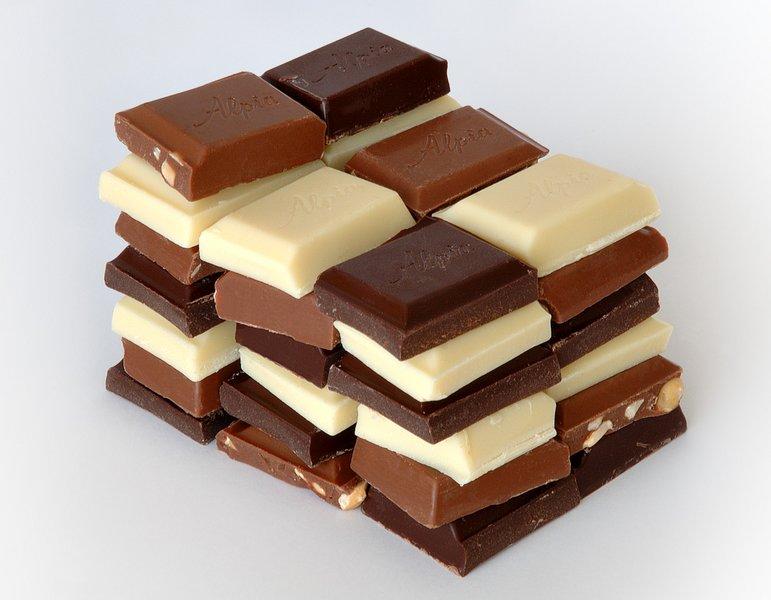 Cocoa beans fresh from the tree are exceptionally rich in flavanols. Unfortunately, during conventional chocolate making, this high antioxidant capacity is greatly reduced due to manufacturing processes.
The researchers evaluated the photoprotective potential of chocolate consumption, comparing:
- conventional dark chocolate
- specially produced chocolate with preserved high flavanol (HF) levels.
A double-blind in vivo study in 30 healthy subjects was conducted, 15 subjects were randomly assigned to either a high flavanol (HF) or low flavanol (LF) chocolate group and consumed a 20 g portion of their allocated chocolate daily.
The minimal erythema dose (MED) was assessed at baseline and after 12 weeks.
In the high flavanol (HF) chocolate group the mean MED more than doubled after 12 weeks of chocolate consumption, while in the LF chocolate group, the MED remained without significant change.
The authors concluded that regular consumption of a chocolate rich in flavanols confers significant photoprotection and can thus be effective at protecting human skin from harmful UV effects. However, conventional chocolate has no such effect.
Video: Chocolate Rain by Tay Zonday.
References:
Eating chocolate can significantly protect the skin from UV light. Williams S, Tamburic S, Lally C. J Cosmet Dermatol. 2009 Sep;8(3):169-73.
Link via @DrShock.
Image source: Wikipedia.
Related:
Posted at Clinical Cases and Images. Stay updated and subscribe, follow us on Twitter and connect on Facebook.


Happy Mother’s Day

Thank a mother’s ovaries today with the new Ovary Plush, “Ova Acheiver” by the wonderfully creative forces at iHeartGuts!


CSC news links 2010-05-08
For links to recent news items about CSC, visit this [Topsy] page. Examples of two news items that have received attention in the past week:?
New research links ovarian hormones with breast stem-cell growth – Globe and Mail http://bit.ly/brT71E. Hashtag: #cancerSC. Posted to Twitter on Wed May 06, 2010 via TweetDeck. [PubMed Citation]
Broccoli compound limits breast cancer (about sulforaphane) http://bit.ly/9blnNP & http://bit.ly/aOTSDv. Hashtag: #cancerSC. Posted to Twitter on Wed May 05, 2010 via TweetDeck. [PubMed Citation]

Feels Like Summer on Florida Beaches
The unusually cold winter is but a memory now as the heat and humidity take over. Not as hot as July and August, but getting closer day by day. We went for an evening walk on Pass-a-Grille beach Friday evening and enjoyed the sunset. I couldn’t help but think about the big glob of oil [...]
Tahiti Travel Tips
It's not hard to tour Tahiti and French Polynesia independently, but this is an expensive destination, and to save money you've got to be prepared to cut corners at times. Here are a few strategies and tips.
Adrian Maelzer Blog
Adrian it seems your fame has reached the winlderness of Australia except maybe the spelling is not quite right....
"It’s been 6 whole months since that I have left your home…" ‘Welcome to Paradise’ Green Day
Kia OraWell today is the exact 6 month mark of landing in Aotearoa and what a ride it's been but now it appears to be winding down.I distinctly remember at Christmas my rather drunken friend Andrew going on some big ramble about life the universe and everything but there was one bit that stuck out and moved me. For all his Yankee idiocy he managed to rather profoundly state that we are all h
Onwards to CapeTribulation and the Bloomfield Track
Today we left Port Douglas and drove to Cpae Tribulation. On the way we stopped at Mossman Gorge I had read it was a good place for a swim and it really was beautiflul the problem was neither of us had our swim stuff with us so we just rested on the rocks for a while and watched everyone else enjoying the fresh cold water.Cape Tribulation is in the Daintree National Park which is one of the olde
Hanoi Tears
Backing up a bit for a second. I shared my train compartment with three Vietnamese men. I arrived soaked to the bone and of course I was a sight for sore eyes. I took their laughter and staring with good humour. The only advice Dad gave me before I left was to use and trust my instinct. I have tried to do this every day but I have often been wrong. My instinct told me that I didn't want them to cl
Franz Joseph Makarora Queenstown Christchurch Kaikoura
WOW I have done so much since I last wrote on my blogThe day after the glacier hike 4 of us got picked up from the hostel early and went to another glacier just down the road called fox glacier. There lauren 2 instructors and I got into a very small plane and made our way up. We flew right past Mount Cook and Mount Tasman which are the first and second highest mountains in New Zealand t