
Author Archives: Fredricko
World Changing Ideas 2012 (preview)
Scientists and engineers dream about big advances that could change the world, and then they try to create them. On the following pages, Scientific American reveals 10 innovations that could be game changers: an artificial alternative to DNA, oil that cleans water, pacemakers powered by our blood, and more. These are not pie-in-the-sky notions but practical breakthroughs that have been proved or prototyped and are poised to scale up greatly. Each has the potential to make what may now seem impossible possible. -- The Editors


http://rss.sciam.com/click.phdo?i=b2ba3706ed26d9143fea77a07b425555


Stem Cell Board Members Lubin and Sheehy Honored

A couple of members of the governing
board of the $3 billion California stem cell agency were honored for
their work this month.
 |
| Jeff Sheehy UCSF Photo |
One is Jeff Sheehy, a UCSF
communications manager and nationally known HIV/AIDS advocate, who
has served on the CIRM board since its inception. He was named by POZ
magazine as one of the top 100 “soldiers” in the fight against
HIV/AIDS.
communications manager and nationally known HIV/AIDS advocate, who
has served on the CIRM board since its inception. He was named by POZ
magazine as one of the top 100 “soldiers” in the fight against
HIV/AIDS.
CIRM's Amy Adams filed an item on
Sheehy on the agency's blog yesterday. She said,
Sheehy on the agency's blog yesterday. She said,
“Jeff once told me
that when he joined CIRM’s board eight years ago, he didn’t see a
role for stem cells in an HIV/AIDS treatment. Now, CIRM has committed
$40 million toward HIV/AIDS projects and two teams of researchers
from City
of Hope and UCLA are
working toward clinical trials.”
Sheehy was also invited to the White
House to commemorate World AIDs day Dec. 1.
House to commemorate World AIDs day Dec. 1.
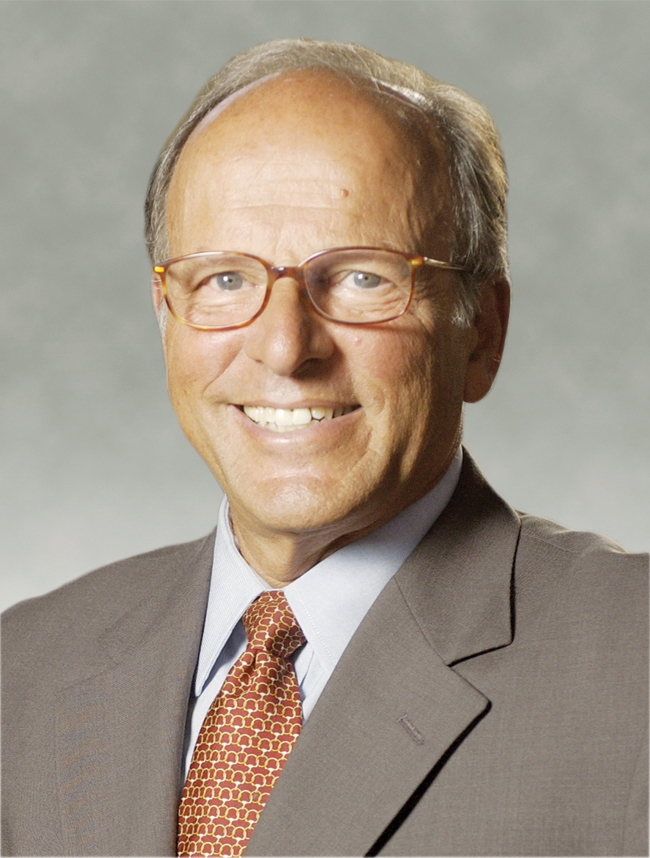 |
| Bert Lubin Childrens Hospital Photo |
Also honored was Bert Lubin, CEO of
Childrens Hospital in Oakland, where he has worked since 1973, a
remarkable achievement in today's world of transitory employment. The
San Francisco Business Times named Lubin as the “most admiredCEO” in the San Francisco Bay Area. The newspaper said that since
he took charge at Childrens in 2009,
Childrens Hospital in Oakland, where he has worked since 1973, a
remarkable achievement in today's world of transitory employment. The
San Francisco Business Times named Lubin as the “most admiredCEO” in the San Francisco Bay Area. The newspaper said that since
he took charge at Childrens in 2009,
“He recruited a new senior management
team, chopped away at the pediatric hospital’s operating deficit
and worked to heal relationships with the local community and
governmental and political leaders that were deeply frayed...”
On a personal note, a friend who has
long volunteered at Childrens gives him high marks as well, citing
several encounters where he exceeded the usual CEO effort.
long volunteered at Childrens gives him high marks as well, citing
several encounters where he exceeded the usual CEO effort.


http://feedproxy.google.com/~r/blogspot/uqpFc/~3/9b9s3mW2ebM/stem-cell-board-members-lubin-and.html
Diane Winokur, Veteran ALS Patient Advocate, Named to California Stem Cell Agency Board

Longtime ALS patient advocate Diane
Winokur of San Francisco, who has lost two sons to the disease, has
been appointed to the governing board of the $3 billion California
stem cell agency.
She fills the vacancy left by David
Serrano Sewell, who resigned from the 29-member panel earlier this
year after serving since the agency's inception. CIRM has 10 patient advocates
on its board.
Serrano Sewell, who resigned from the 29-member panel earlier this
year after serving since the agency's inception. CIRM has 10 patient advocates
on its board.
 |
| Diane Winokur Photo -- Legal Momentum |
Winokur is well-known in ALS circles.
She sat for five years on the governing board of the national ALS
advocacy group and currently serves on the board for the California
state group, the Golden West chapter. She also served for six years on the board of
trustees for the Sanford- Burnham Institute in La Jolla, which has received $37 million from the stem cell agency. She left Sanford in 2011.
She sat for five years on the governing board of the national ALS
advocacy group and currently serves on the board for the California
state group, the Golden West chapter. She also served for six years on the board of
trustees for the Sanford- Burnham Institute in La Jolla, which has received $37 million from the stem cell agency. She left Sanford in 2011.
Last summer Winokur appeared before the
CIRM board to successfully seek approval of an $18 million ALS grant
that was rejected by the agency's reviewers. Researcher Clive
Svendsen of Cedars-Sinai in Los Angeles appealed the denial to the
full board and was supported in emotional testimony by other patient
advocates as well, including persons with the affliction.(See here for video of some of the testimony.)
CIRM board to successfully seek approval of an $18 million ALS grant
that was rejected by the agency's reviewers. Researcher Clive
Svendsen of Cedars-Sinai in Los Angeles appealed the denial to the
full board and was supported in emotional testimony by other patient
advocates as well, including persons with the affliction.(See here for video of some of the testimony.)
The agency has awarded about $30.6
million, including the Svendsen grant, for research directly related
to ALS.
million, including the Svendsen grant, for research directly related
to ALS.
Golden
West issued a press release Nov. 21, lauding the Winokur appointment
by California Lt. Gov. Gavin Newsom. The release quoted Lucie Bruijn,
chief scientist of The ALS Association, as saying,
West issued a press release Nov. 21, lauding the Winokur appointment
by California Lt. Gov. Gavin Newsom. The release quoted Lucie Bruijn,
chief scientist of The ALS Association, as saying,
"Her
contributions have been invaluable and she will be a tremendous asset
in moving the ALS research field forward through CIRM
funding."
The stem cell agency posted a blog item
on Winokur's appointment in addition to a press release. CIRM
Chairman J.T. Thomas said,
on Winokur's appointment in addition to a press release. CIRM
Chairman J.T. Thomas said,
“Her knowledge, expertise and
leadership will be a tremendous addition to the ICOC (the stem cell
agency governing board) and help guide us in our work.”
Patient advocate Don Reed of Fremont,
Ca., described Winokur in a 2008 blog item as “small, elegant, full
of energy, an exclamation point of a person.”
Ca., described Winokur in a 2008 blog item as “small, elegant, full
of energy, an exclamation point of a person.”
(Editor's note: Based on information from CIRM and Golden West, an earlier version of this item incorrectly stated that Winokur is a current member of the Sanford-Burnham board.


http://feedproxy.google.com/~r/blogspot/uqpFc/~3/dITcyP7WJbs/diane-winokur-veteran-als-patient.html
Knoepfler Award Update: More than a Baker's Dozen Nominated

As of this week, 14 persons have been
recommended for the Knoepfler “Stem Cell Person of the Year”
Award.
The total was reported by Paul
Knoepfler, the UC Davis stem cell scientist and blogger, who is
putting up $1,000 for the winner of the honor.
Knoepfler, the UC Davis stem cell scientist and blogger, who is
putting up $1,000 for the winner of the honor.
Knoepfler announced his award plans earlier this month, declaring that he wanted to recognize scientists or others who “truly made a difference” in the stem
field. Risk-taking is one important criteria.
field. Risk-taking is one important criteria.
Knoepfler said,
“It’s something that I’m hoping I
can do every year. It would also be a reward for risk taking,
creativity and be breaking with tradition and be something new in
that regard.”
The award has drawn some modest
attention outside of Knoepfler's blog. A few days after he introduced
the award on his blog, UC Davis decided to put out a press release and video on it. The California Stem Cell Report followed with an item. Then CIRM blogged it as well.
attention outside of Knoepfler's blog. A few days after he introduced
the award on his blog, UC Davis decided to put out a press release and video on it. The California Stem Cell Report followed with an item. Then CIRM blogged it as well.
So far we have not detected any stories
about the award in the mainstream media, but things could change.
about the award in the mainstream media, but things could change.
Deadline for entries is Dec. 17.

 Source:
Knoepfler Award Update: More than a Baker’s Dozen Nominated

As of this week, 14 persons have been
recommended for the Knoepfler “Stem Cell Person of the Year”
Award.
The total was reported by Paul
Knoepfler, the UC Davis stem cell scientist and blogger, who is
putting up $1,000 for the winner of the honor.
Knoepfler, the UC Davis stem cell scientist and blogger, who is
putting up $1,000 for the winner of the honor.
Knoepfler announced his award plans earlier this month, declaring that he wanted to recognize scientists or others who “truly made a difference” in the stem
field. Risk-taking is one important criteria.
field. Risk-taking is one important criteria.
Knoepfler said,
“It’s something that I’m hoping I
can do every year. It would also be a reward for risk taking,
creativity and be breaking with tradition and be something new in
that regard.”
The award has drawn some modest
attention outside of Knoepfler's blog. A few days after he introduced
the award on his blog, UC Davis decided to put out a press release and video on it. The California Stem Cell Report followed with an item. Then CIRM blogged it as well.
attention outside of Knoepfler's blog. A few days after he introduced
the award on his blog, UC Davis decided to put out a press release and video on it. The California Stem Cell Report followed with an item. Then CIRM blogged it as well.
So far we have not detected any stories
about the award in the mainstream media, but things could change.
about the award in the mainstream media, but things could change.
Deadline for entries is Dec. 17.

 Source:
Towards an Understanding of Why Dopamine Neurons Are Vulnerable in Parkinson's Disease
The most visible signs of Parkinson's disease are caused by the progressive destruction of a comparatively small population of dopamine-generating neurons in the brain. But why these cells? A full answer to that question might lead to ways to block progression of the condition:
Neuroinflammation and its mediators have recently been proposed to contribute to neuronal loss in Parkinson's, but how these factors could preferentially damage dopaminergic neurons has remained unclear until now. [Researchers] were looking for biological pathways that could connect the immune system's inflammatory response to the damage seen in dopaminergic neurons. After searching human genomics databases, the team's attention was caught by a gene encoding a protein known as interleukin-13 receptor alpha 1 chain (IL-13Ra1), as it is located in the PARK12 locus, which has been linked to Parkinson's.
IL-13r?1 is a receptor chain mediating the action of interleukin 13 (IL-13) and interleukin 4 (IL-4), two cytokines investigated for their role as mediators of allergic reactions and for their anti-inflammatory action. With further study, the researchers made the startling discovery that in the mouse brain, IL-13Ra1 is found only on the surface of dopaminergic neurons. "This was a 'Wow!' moment."
The scientists set up long-term experiments using a mouse model in which chronic peripheral inflammation causes both neuroinflammation and loss of dopaminergic neurons similar to that seen in Parkinson's disease. The team looked at mice having or lacking IL-13Ra1 and then compared the number of dopaminergic neurons in the brain region of interest. The researchers expected that knocking out the IL-13 receptor would increase inflammation and cause neuronal loss to get even worse. Instead, neurons got better.
If further research confirms the IL-13 receptor acts in a similar way in human dopaminergic neurons as in mice, the discovery could pave the way to addressing the underlying cause of Parkinson's disease. Researchers might, for instance, find that drugs that block IL-13 receptors are useful in preventing loss of dopaminergic cells during neuroinflammation.
Link: http://www.scripps.edu/news/press/2012/20121119conti.html
Towards an Understanding of Why Dopamine Neurons Are Vulnerable in Parkinson’s Disease
The most visible signs of Parkinson's disease are caused by the progressive destruction of a comparatively small population of dopamine-generating neurons in the brain. But why these cells? A full answer to that question might lead to ways to block progression of the condition:
Neuroinflammation and its mediators have recently been proposed to contribute to neuronal loss in Parkinson's, but how these factors could preferentially damage dopaminergic neurons has remained unclear until now. [Researchers] were looking for biological pathways that could connect the immune system's inflammatory response to the damage seen in dopaminergic neurons. After searching human genomics databases, the team's attention was caught by a gene encoding a protein known as interleukin-13 receptor alpha 1 chain (IL-13Ra1), as it is located in the PARK12 locus, which has been linked to Parkinson's.
IL-13r?1 is a receptor chain mediating the action of interleukin 13 (IL-13) and interleukin 4 (IL-4), two cytokines investigated for their role as mediators of allergic reactions and for their anti-inflammatory action. With further study, the researchers made the startling discovery that in the mouse brain, IL-13Ra1 is found only on the surface of dopaminergic neurons. "This was a 'Wow!' moment."
The scientists set up long-term experiments using a mouse model in which chronic peripheral inflammation causes both neuroinflammation and loss of dopaminergic neurons similar to that seen in Parkinson's disease. The team looked at mice having or lacking IL-13Ra1 and then compared the number of dopaminergic neurons in the brain region of interest. The researchers expected that knocking out the IL-13 receptor would increase inflammation and cause neuronal loss to get even worse. Instead, neurons got better.
If further research confirms the IL-13 receptor acts in a similar way in human dopaminergic neurons as in mice, the discovery could pave the way to addressing the underlying cause of Parkinson's disease. Researchers might, for instance, find that drugs that block IL-13 receptors are useful in preventing loss of dopaminergic cells during neuroinflammation.
Link: http://www.scripps.edu/news/press/2012/20121119conti.html
California Stem Cell Agency Still in Talks on $40 Million for StemCells, Inc.

The California stem cell agency and
StemCells, Inc., are still trying to reach agreement on a deal in
which the company would receive $40 million from the state's
taxpayer-funded research effort.
The sticking point is the $40 million
in matching funds required from the Newark, Ca., firm under the terms
of the two awards approved in July and September. The latter award
was okayed on a 7-5 vote by the governing board after it was rejected
twice by the agency's reviewers.
in matching funds required from the Newark, Ca., firm under the terms
of the two awards approved in July and September. The latter award
was okayed on a 7-5 vote by the governing board after it was rejected
twice by the agency's reviewers.
On Monday the California Stem Cell
Report queried the agency about the status of the awards. Kevin
McCormack, the agency's spokesman, replied,
Report queried the agency about the status of the awards. Kevin
McCormack, the agency's spokesman, replied,
“We are still in talks with them over
the terms of the funding. Hopefully, we'll have an agreement soon.”
He did not elaborate further.
CIRM staff normally reviews
applications after they are approved by the agency's governing board
to be sure that all conditions are being met. However, in the case of
the September award to StemCells, Inc., CIRM's governing board took
the unusual step of publicly stating that the firm must demonstrate
it has the $20 million in matching funds before it receives any
payments from CIRM. The board did not take that sort of public
position on the $20 million grant approved earlier in the summer,
although matching funds are required in that case as well.
applications after they are approved by the agency's governing board
to be sure that all conditions are being met. However, in the case of
the September award to StemCells, Inc., CIRM's governing board took
the unusual step of publicly stating that the firm must demonstrate
it has the $20 million in matching funds before it receives any
payments from CIRM. The board did not take that sort of public
position on the $20 million grant approved earlier in the summer,
although matching funds are required in that case as well.
The former chairman of the $3 billion
stem cell agency, Robert Klein, appeared twice before the board to
lobby for approval of the second award to StemCells, Inc., which is a
publicly traded firm.. It was the first such appearance by Klein
before his former colleagues since leaving the agency in June 2011.
stem cell agency, Robert Klein, appeared twice before the board to
lobby for approval of the second award to StemCells, Inc., which is a
publicly traded firm.. It was the first such appearance by Klein
before his former colleagues since leaving the agency in June 2011.
Action on the StemCells, Inc., awards
attracted attention from the Los Angeles Times last month. Pulitzer
Prize-winning columnist Michael Hiltzik wrote that the process was “redolent of cronyism.” He said a “charmed relationship”
existed among StemCells, Inc., its “powerful friends” and the
stem cell agency.
attracted attention from the Los Angeles Times last month. Pulitzer
Prize-winning columnist Michael Hiltzik wrote that the process was “redolent of cronyism.” He said a “charmed relationship”
existed among StemCells, Inc., its “powerful friends” and the
stem cell agency.

 Source:
Texas Flap Looms Over California Stem Cell Agency's Grant Appeals


In nine days, the California stem cell
agency plans to take another crack at finding ways to curb its
free-wheeling appeal process involving scientists whose applications
for millions have been rejected by reviewers.
It is a matter of considerable interest
to researchers who need the cash to keep their labs running and remain in good standing with their host institutions.
to researchers who need the cash to keep their labs running and remain in good standing with their host institutions.
The stem cell agency's governing board this fall created a task force to deal with the appeals issue after a
record-breaking number of researchers made public appeals featuring
emotional patient advocates. Even the former chairman of the agency,
Robert Klein, made a two-time pitch for one applicant. Board members
later complained publicly about “arm-twisting,” lobbying and“emotionally charged presentations.”
record-breaking number of researchers made public appeals featuring
emotional patient advocates. Even the former chairman of the agency,
Robert Klein, made a two-time pitch for one applicant. Board members
later complained publicly about “arm-twisting,” lobbying and“emotionally charged presentations.”
The agenda for the Nov. 30 task force
meeting in Oakland -- with teleconferencing sites in San Francisco,
Irvine, Palo Alto, Seattle and Rochester, N.Y. -- contains few clues
on what the panel is hoping to specifically accomplish in next week's
90-minute session.
meeting in Oakland -- with teleconferencing sites in San Francisco,
Irvine, Palo Alto, Seattle and Rochester, N.Y. -- contains few clues
on what the panel is hoping to specifically accomplish in next week's
90-minute session.
But interested researchers can check
the transcript from the Oct. 24 meeting, during which CIRM President
Alan Trounson described the problem as “very critical.” He said,
the transcript from the Oct. 24 meeting, during which CIRM President
Alan Trounson described the problem as “very critical.” He said,
“I think this is a very serious
matter that could really bite us very hard in a similar way to what's
happened in Texas. Unless we come up with some kind of process that
really addresses the science, it's a very large concern.”
Trounson's Texas reference was to the
mass resignations of reviewers at that state's $3 billion cancer
research effort. Questions have been raised about integrity of its grant review process and the program's political and biotech industry
relationships. James Drew of the Dallas Morning News produced a bit of an overview this week. In another piece, Eric Berger of the
Houston Chronicle provided quotes from emails from the infighting on
a controversial $18 million grant.
mass resignations of reviewers at that state's $3 billion cancer
research effort. Questions have been raised about integrity of its grant review process and the program's political and biotech industry
relationships. James Drew of the Dallas Morning News produced a bit of an overview this week. In another piece, Eric Berger of the
Houston Chronicle provided quotes from emails from the infighting on
a controversial $18 million grant.
Changes in California's grant appeal process may well
be also discussed at the agency's board meeting Dec. 12 in Los Angeles.
The board hopes to wrap up its action by late January.
be also discussed at the agency's board meeting Dec. 12 in Los Angeles.
The board hopes to wrap up its action by late January.
Here is a link to an item with more specifics on material presented to the task force in October. Here is a link to an August 2012 list of articles and documents related to the CIRM appeals process.
Interested parties can address comments
to the agency at info@cirm.ca.gov.
to the agency at info@cirm.ca.gov.

 Source:
Texas Flap Looms Over California Stem Cell Agency’s Grant Appeals


In nine days, the California stem cell
agency plans to take another crack at finding ways to curb its
free-wheeling appeal process involving scientists whose applications
for millions have been rejected by reviewers.
It is a matter of considerable interest
to researchers who need the cash to keep their labs running and remain in good standing with their host institutions.
to researchers who need the cash to keep their labs running and remain in good standing with their host institutions.
The stem cell agency's governing board this fall created a task force to deal with the appeals issue after a
record-breaking number of researchers made public appeals featuring
emotional patient advocates. Even the former chairman of the agency,
Robert Klein, made a two-time pitch for one applicant. Board members
later complained publicly about “arm-twisting,” lobbying and“emotionally charged presentations.”
record-breaking number of researchers made public appeals featuring
emotional patient advocates. Even the former chairman of the agency,
Robert Klein, made a two-time pitch for one applicant. Board members
later complained publicly about “arm-twisting,” lobbying and“emotionally charged presentations.”
The agenda for the Nov. 30 task force
meeting in Oakland -- with teleconferencing sites in San Francisco,
Irvine, Palo Alto, Seattle and Rochester, N.Y. -- contains few clues
on what the panel is hoping to specifically accomplish in next week's
90-minute session.
meeting in Oakland -- with teleconferencing sites in San Francisco,
Irvine, Palo Alto, Seattle and Rochester, N.Y. -- contains few clues
on what the panel is hoping to specifically accomplish in next week's
90-minute session.
But interested researchers can check
the transcript from the Oct. 24 meeting, during which CIRM President
Alan Trounson described the problem as “very critical.” He said,
the transcript from the Oct. 24 meeting, during which CIRM President
Alan Trounson described the problem as “very critical.” He said,
“I think this is a very serious
matter that could really bite us very hard in a similar way to what's
happened in Texas. Unless we come up with some kind of process that
really addresses the science, it's a very large concern.”
Trounson's Texas reference was to the
mass resignations of reviewers at that state's $3 billion cancer
research effort. Questions have been raised about integrity of its grant review process and the program's political and biotech industry
relationships. James Drew of the Dallas Morning News produced a bit of an overview this week. In another piece, Eric Berger of the
Houston Chronicle provided quotes from emails from the infighting on
a controversial $18 million grant.
mass resignations of reviewers at that state's $3 billion cancer
research effort. Questions have been raised about integrity of its grant review process and the program's political and biotech industry
relationships. James Drew of the Dallas Morning News produced a bit of an overview this week. In another piece, Eric Berger of the
Houston Chronicle provided quotes from emails from the infighting on
a controversial $18 million grant.
Changes in California's grant appeal process may well
be also discussed at the agency's board meeting Dec. 12 in Los Angeles.
The board hopes to wrap up its action by late January.
be also discussed at the agency's board meeting Dec. 12 in Los Angeles.
The board hopes to wrap up its action by late January.
Here is a link to an item with more specifics on material presented to the task force in October. Here is a link to an August 2012 list of articles and documents related to the CIRM appeals process.
Interested parties can address comments
to the agency at info@cirm.ca.gov.
to the agency at info@cirm.ca.gov.

 Source:
Pomeroy Moving On, Will Leave Stem Cell Board

Claire Pomeroy, one of the longtime
members of the governing board of the $3 billion California stem cell agency,
will be leaving her position at UC Davis and the stem cell board next
June.
Pomeroy yesterday announced her departure from Davis as vice chancellor for human health services and
dean of the medical school. In a telephone interview, she told the
California Stem Cell Report that she is examining a “few select
opportunities” to work at a national level on health reform and
health policy issues.
dean of the medical school. In a telephone interview, she told the
California Stem Cell Report that she is examining a “few select
opportunities” to work at a national level on health reform and
health policy issues.
 |
| Claire Pomeroy UC Davis photo |
Pomeroy, 57, will be spending time in
Washington, D.C., working on health issues on behalf of the
University of California during the transition period before she
leaves her position in California.
Washington, D.C., working on health issues on behalf of the
University of California during the transition period before she
leaves her position in California.
Pomeroy came to UC Davis 10 years ago,
shortly before the Golden State's stem cell agency was created in
2004. At that time, UC Davis had what she called a “fledgling”
stem cell research effort. Today the school has chalked up $128 million in
grants from the stem cell agency, ranking fifth among institutions
funded by the agency.
shortly before the Golden State's stem cell agency was created in
2004. At that time, UC Davis had what she called a “fledgling”
stem cell research effort. Today the school has chalked up $128 million in
grants from the stem cell agency, ranking fifth among institutions
funded by the agency.
She said that creation of the stem cell
agency “catalyzed development of our program,” which she said has
risen to “national prominence.”
agency “catalyzed development of our program,” which she said has
risen to “national prominence.”
Pomeroy's service on the stem cell
agency board was also instrumental in attracting a $100 million grant
from the Moore Foundation to start a new school of nursing at UC
Davis in 2009. Through her service on the board, she met Ed Penhoet,
who also served on the board and was one of the co-founders of Chiron
and then president of the Moore Foundation. Subsequently, Penhoet
called her for lunch to discuss her thoughts on nursing education,
and developments moved on from there.
agency board was also instrumental in attracting a $100 million grant
from the Moore Foundation to start a new school of nursing at UC
Davis in 2009. Through her service on the board, she met Ed Penhoet,
who also served on the board and was one of the co-founders of Chiron
and then president of the Moore Foundation. Subsequently, Penhoet
called her for lunch to discuss her thoughts on nursing education,
and developments moved on from there.
The $100 million commitment was the
nation's largest grant for nursing education, according to the Moore Foundation.
nation's largest grant for nursing education, according to the Moore Foundation.

 Source:
'The Knoepfler Award:' Recognizing Risk and Those Who Make a Difference

A UC Davis stem cell researcher-blogger has announced a “stem cell person of the year” award
complete with a $1,000 cash prize that he is putting up himself.
Paul Knoepfler, who may be the only
stem cell scientist in the U.S. actively blogging on the subject,
said he has decided to put his money where his mouth is.
stem cell scientist in the U.S. actively blogging on the subject,
said he has decided to put his money where his mouth is.
Since announcing the contest in a Nov.13 blog item, Knoepfler has already received eight nominations,
including one for a scientist. Three days after the item aappeared, UC Davis
featured Knoepfler in a press release that included a video of
Knoepfler explaining the effort.
including one for a scientist. Three days after the item aappeared, UC Davis
featured Knoepfler in a press release that included a video of
Knoepfler explaining the effort.
 |
| Paul Knoepfler UC Davis photo |
He said he wanted to go beyond “old
fashioned awards” given by “stodgy committees.” Knoepfler said he
is seeking to recognize that stem cell research is “transcending the
lab.”
The goal of the award, Knoepfler said,
is “to advance the stem cell field and give credit to those who
make a real difference.”
is “to advance the stem cell field and give credit to those who
make a real difference.”
Knoepfler wrote,
“The criteria are that the person
made a truly outstanding difference in the stem cell field for 2012.
The winner could be a scientist, a patient advocate, someone in
industry, a student, a physician…really anyone who has made the
field better. For non-scientist nominees I’m particularly
interested in those who took personal risks or gave of themselves to
help others. For scientists I am looking for outstanding scientific
achievement and in particular out-of-the-box thinking. Folks in any
country are eligible.”
Deadline for nominations is Dec. 17.
Self-nominations are permissible. Knoepfler plans to pick five
finalists and interview them by phone. He also plans an online vote
that he said “may” influence his decision.
Self-nominations are permissible. Knoepfler plans to pick five
finalists and interview them by phone. He also plans an online vote
that he said “may” influence his decision.
Complete details are available on Knoepfler's blog.

 Source:
‘The Knoepfler Award:’ Recognizing Risk and Those Who Make a Difference

A UC Davis stem cell researcher-blogger has announced a “stem cell person of the year” award
complete with a $1,000 cash prize that he is putting up himself.
Paul Knoepfler, who may be the only
stem cell scientist in the U.S. actively blogging on the subject,
said he has decided to put his money where his mouth is.
stem cell scientist in the U.S. actively blogging on the subject,
said he has decided to put his money where his mouth is.
Since announcing the contest in a Nov.13 blog item, Knoepfler has already received eight nominations,
including one for a scientist. Three days after the item aappeared, UC Davis
featured Knoepfler in a press release that included a video of
Knoepfler explaining the effort.
including one for a scientist. Three days after the item aappeared, UC Davis
featured Knoepfler in a press release that included a video of
Knoepfler explaining the effort.
 |
| Paul Knoepfler UC Davis photo |
He said he wanted to go beyond “old
fashioned awards” given by “stodgy committees.” Knoepfler said he
is seeking to recognize that stem cell research is “transcending the
lab.”
The goal of the award, Knoepfler said,
is “to advance the stem cell field and give credit to those who
make a real difference.”
is “to advance the stem cell field and give credit to those who
make a real difference.”
Knoepfler wrote,
“The criteria are that the person
made a truly outstanding difference in the stem cell field for 2012.
The winner could be a scientist, a patient advocate, someone in
industry, a student, a physician…really anyone who has made the
field better. For non-scientist nominees I’m particularly
interested in those who took personal risks or gave of themselves to
help others. For scientists I am looking for outstanding scientific
achievement and in particular out-of-the-box thinking. Folks in any
country are eligible.”
Deadline for nominations is Dec. 17.
Self-nominations are permissible. Knoepfler plans to pick five
finalists and interview them by phone. He also plans an online vote
that he said “may” influence his decision.
Self-nominations are permissible. Knoepfler plans to pick five
finalists and interview them by phone. He also plans an online vote
that he said “may” influence his decision.
Complete details are available on Knoepfler's blog.

 Source:
California Stem Cell Agency Blogs on Geron Clinical Trial

The California stem cell agency
published an article online last week concerning the hESC clinical
trial that Geron abandoned last year, dealing mainly with one of the
participants in the program.
The piece was studiously non-committal
about whether the $3 billion research program is likely to fund the
trial once again, should BioTime, Inc., of Alameda, Ca., be
successful in acquiring the assets of once was the first hESC
clinical trial in the United States. The agency loaned Geron $25
million a few months before the company cancelled the trial.
about whether the $3 billion research program is likely to fund the
trial once again, should BioTime, Inc., of Alameda, Ca., be
successful in acquiring the assets of once was the first hESC
clinical trial in the United States. The agency loaned Geron $25
million a few months before the company cancelled the trial.
Amy Adams, CIRM's communications
manager, simply wrote,
manager, simply wrote,
“They (BioTime) would need to apply
for a loan if they want CIRM to financially support the continued
trial.”
The latest round of funding that
BioTime could apply for has a deadline of Dec. 18 for letters of
intent. In addition to a loan, a grant is also a possibility.
BioTime could apply for has a deadline of Dec. 18 for letters of
intent. In addition to a loan, a grant is also a possibility.
Adams focused on Katie Sharify, who was
enrolled in the clinical trial shortly before Geron said it was
dropping the effort for financial reasons. Adams interviewed Sharify
before an audience of scientists.
enrolled in the clinical trial shortly before Geron said it was
dropping the effort for financial reasons. Adams interviewed Sharify
before an audience of scientists.
Adams wrote,
“Katie told me that it would be
impossible not to hope that a trial would help her, but that by the
time she made the decision to participate she knew she was doing it
to further science, not necessarily to further her own recovery. She
told the audience, 'I was part of something that was bigger than me,
and bigger than all of you.'”
Stem cell scientist Paul Knoepfler of
UC Davis also wrote about the BioTime-Geron deal last week. Noting
that Geron's decision a year ago left many “upset to put it
mildly,” Knoepfler said the “idea of BioTime buying the Geron
stem cell program is a great one that provides new hope on many
levels.”
UC Davis also wrote about the BioTime-Geron deal last week. Noting
that Geron's decision a year ago left many “upset to put it
mildly,” Knoepfler said the “idea of BioTime buying the Geron
stem cell program is a great one that provides new hope on many
levels.”

 Source:
Researcher Alert: Keeping Tabs on the Stem Cell Exchequer

The California stem cell agency has
posted the dates for meetings of its board of directors for 2013
with most of the sessions scheduled for the San Francisco Bay Area.
One is expected to take place in San
Diego in August, and another in Los Angeles 13 months from now. The
other five are in Northern California. Not yet on the schedule is a board workshop in early January that will be open to the public.
Diego in August, and another in Los Angeles 13 months from now. The
other five are in Northern California. Not yet on the schedule is a board workshop in early January that will be open to the public.
Why is this of interest to researchers
and others? The board controls the purse strings to $3 billion for research grants and determines what areas are to be funded. Astute scientists would do well to take in the sessions.
They offer insights into board thinking and opportunities to deal
with the agency staff and directors on an informal basis. Only a
handful of researchers – or less – attend the meetings on a
regular basis, but have been well-served by the time spent.
and others? The board controls the purse strings to $3 billion for research grants and determines what areas are to be funded. Astute scientists would do well to take in the sessions.
They offer insights into board thinking and opportunities to deal
with the agency staff and directors on an informal basis. Only a
handful of researchers – or less – attend the meetings on a
regular basis, but have been well-served by the time spent.

 Source:
02 Parkinson's Disease – Video
02 Parkinson #39;s Disease
From:TheBrainFoundation1Views:10 0ratingsTime:02:44More inPeople Blogs
Originally posted here:
02 Parkinson's Disease - Video
Armando Brizuela: Fighting Back – Video
Armando Brizuela: Fighting Back
After being diagnosed with Parkinson #39;s disease and seeking treatment at Barrow Neurological Institute, Amrando Brizuela was urged by Dr. Abraham Lieberman to fight against his disease.From:Barrow50thViews:134 0ratingsTime:03:05More inNonprofits Activism
Originally posted here:
Armando Brizuela: Fighting Back - Video
02 Parkinson’s Disease – Video
02 Parkinson #39;s Disease
From:TheBrainFoundation1Views:10 0ratingsTime:02:44More inPeople Blogs
Originally posted here:
02 Parkinson's Disease - Video
A Cup of Joe for What Ails You – Video
A Cup of Joe for What Ails You
http://www.dailyrx.com http://www.dailyrx.com Caffeine helps Parkinson #39;s disease patients control their motor symptoms.From:dailyRxTVViews:19 4ratingsTime:00:38More inNews Politics
Go here to see the original:
A Cup of Joe for What Ails You - Video