The Great Morbid Anatomy Library Flood of 2012: List of Destroyed Books Now Posted


Thanks so very much to all of you for your outpouring of support, donations, and offers to help in the aftermath of The Great Morbid Anatomy Flood of 2012 (more details on that here). Many of you have asked to see a list of those books lost, in the interest of ordering or sending particular books for the library; I have created a special Amazon wish list that contains all books lost, and will ship directly to the library; you can check it out by clicking here.

For those of you who would like to mail books directly, our mailing list is:

Joanna Ebenstein
c/o The Morbid Anatomy Library
543 Union Street #1E
Brooklyn, NY 11215

Thanks so much, again, for all your support, and please save the date for an upcoming benefit party to take place Saturday May 12. Please contact me if you'd like to donate objects or artworks for a silent auction, or talent for performances, or labor!

Source:
http://morbidanatomy.blogspot.com/feeds/posts/default?alt=rss

Disaster Has Hit The Morbid Anatomy Library!


Tis' a sad day indeed.

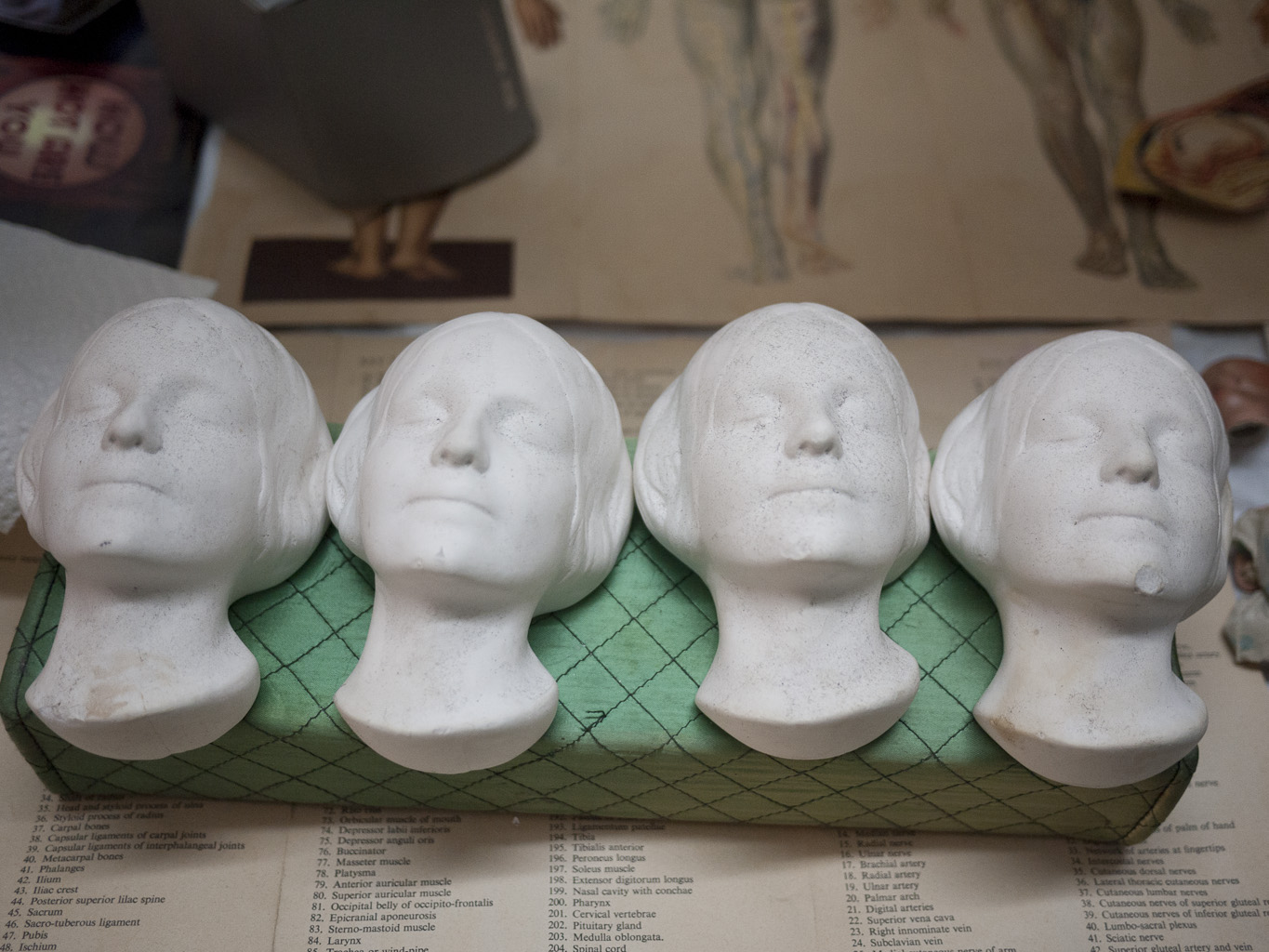
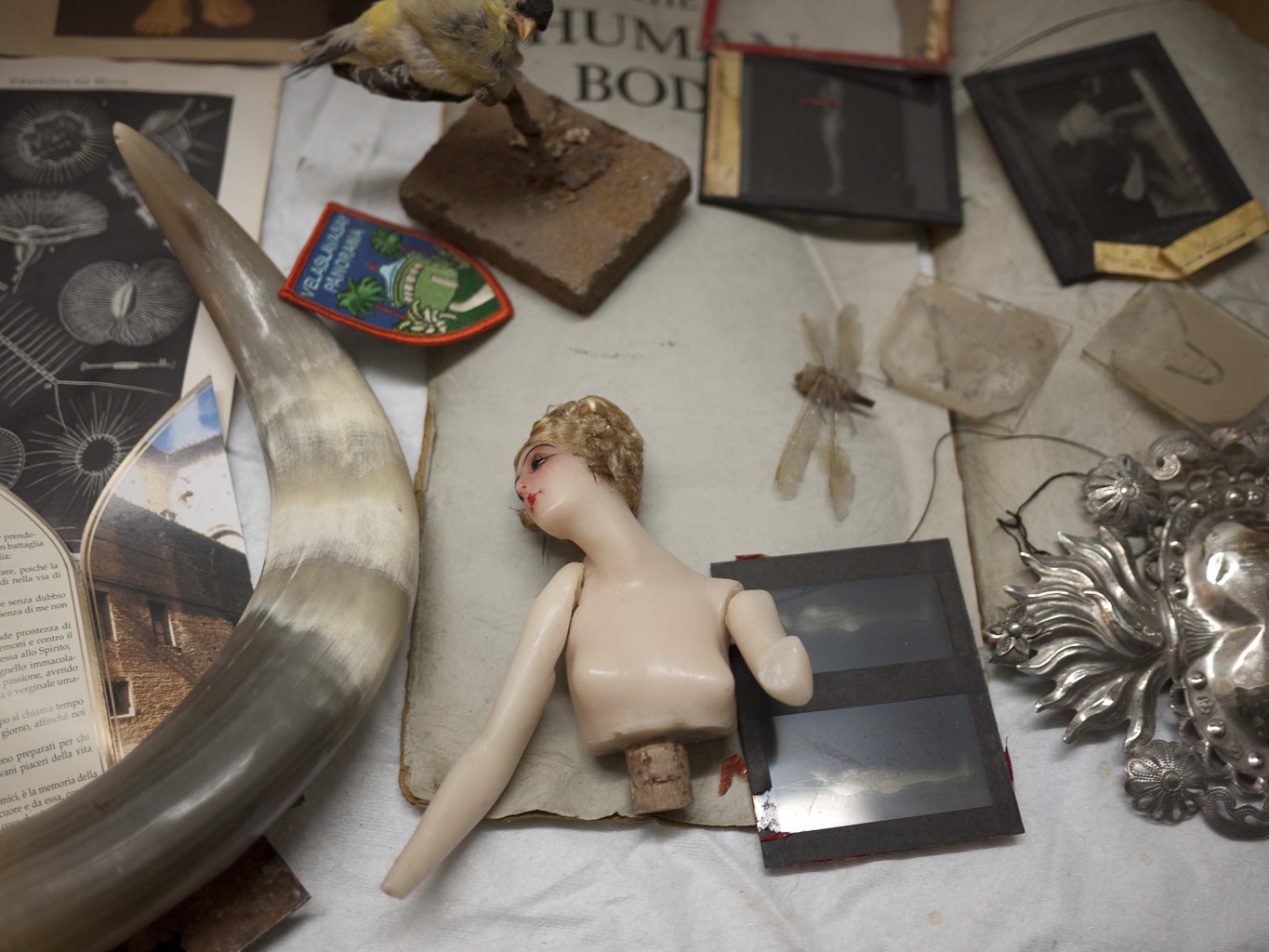
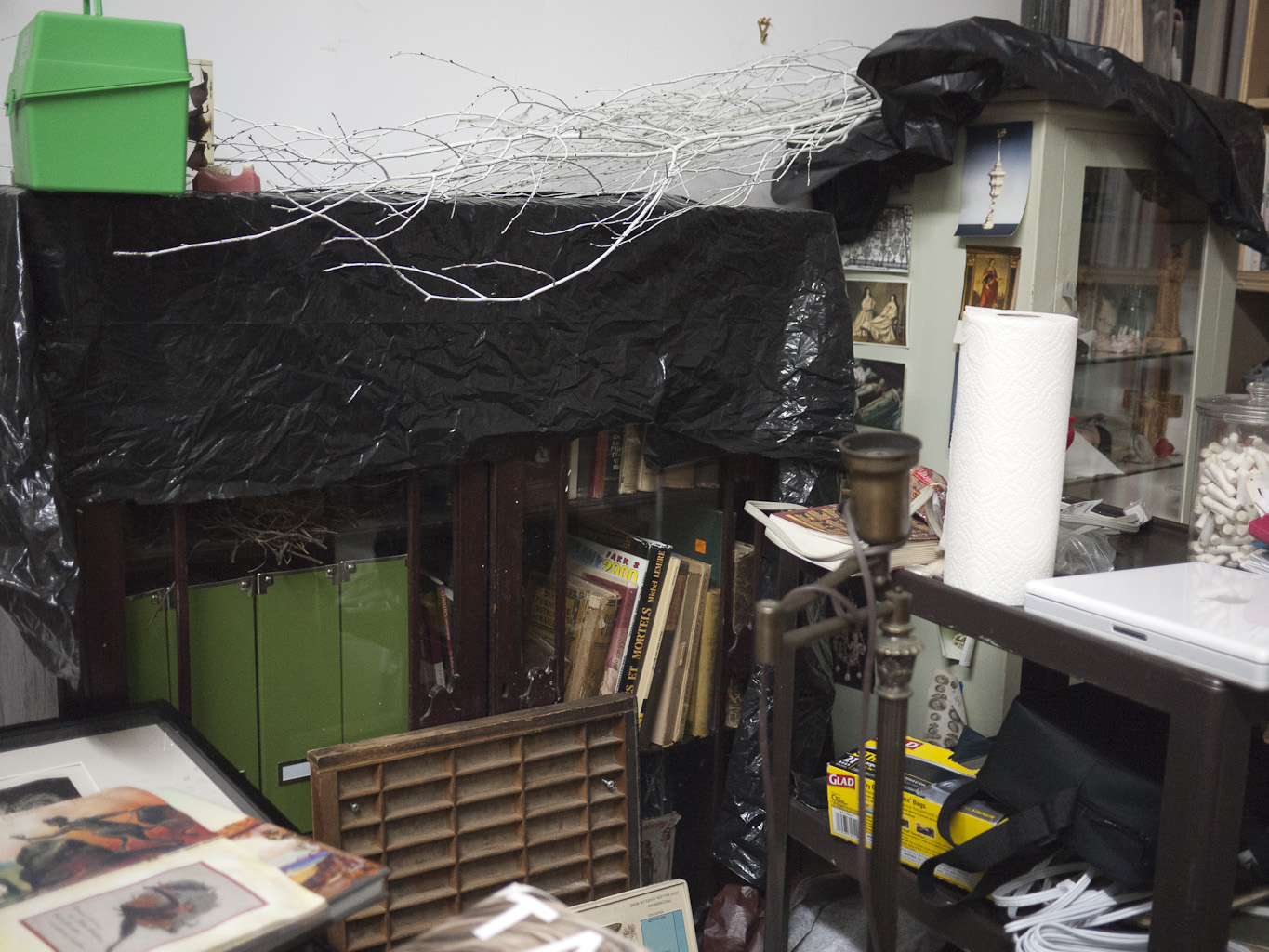
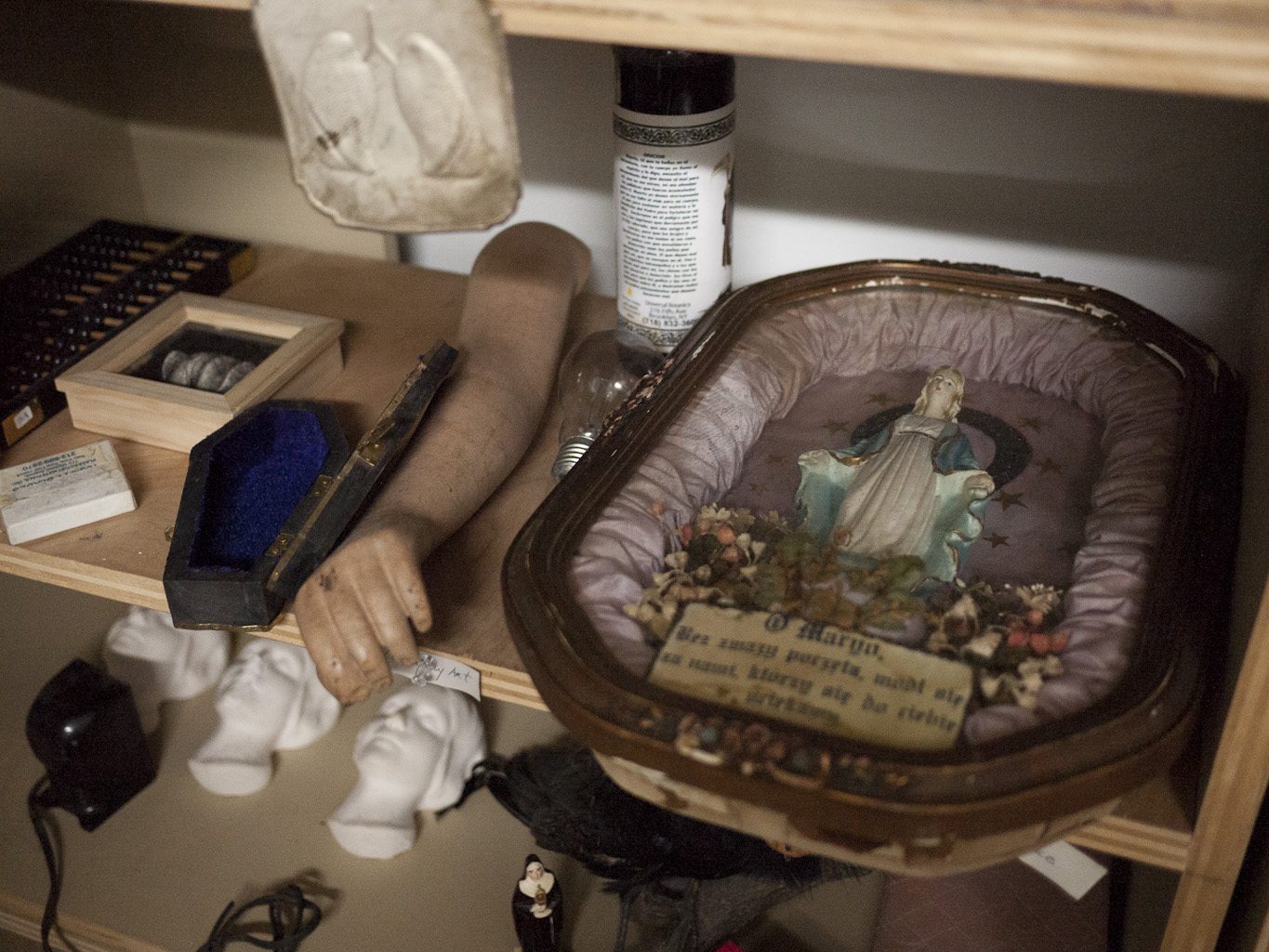
Some of you might already have already heard, but last Friday night, the building in which The Morbid Anatomy Library is located suffered a small artwork-related fire. The fire was quickly extinguished, but not before The Library and its collection of books, artworks, and artifacts suffered severe water damage from the building's fire sprinklers. Stay tuned for news about a benefit party to raise money for rebuilding the library, but, in the meantime, here are some photos of the water-logged chaos we are digging ourselves out of. I should mention, the damage could have been much, much worse, and I am very grateful we got off as easy as we did. Still, if any of you are interested in making a monetary donation to help the collection, simply click on the "donate here" button on the right side of this blog. If you are interested in donating books or artifacts--or time and/or talent for the benefit!--please email me at morbidanatomy [at] gmail.com.

I would also like to send out a very special heartfelt thank you to G. F. Newland, Wythe Marschall, Ethan Gould, Grace Baxter, Emi Brady, Sasha Chavchavadze, PK Ramani, Tammy Pittman, Benjamin Warnke, Aaron Beebe, Lado Pochkhua, Ted Enik, the fellows from Curious Matter, and everyone else who for pitched in to make this disaster so much less of a one than it could have been, while I was far from home and unable to help at all.

Ok, off to assess the damage in greater detail. Thanks to everyone, and more to come!

Source:
http://morbidanatomy.blogspot.com/feeds/posts/default?alt=rss

The immune boosting power of garlic

by: Dr. David Jockers

Garlic is a pungent herb and one of nature's best anti-biotics. Due to the powerful sulfur containing nutrients and immune stimulators within garlic, it is classified as a superfood herb. Consumption of garlic daily may be one of the best defense's against infection and inflammatory based disease.

Garlic has been used by many cultures throughout the history of mankind as a medicinal tool. The Sumerians and other groups around the Mediterranean region had a great reverence for its ability to fight infection. An Egyptian writing dating back to 1500 BC discusses the use of garlic for over 22 common health challenges. These same Egyptians fed a heavy garlic diet to their slaves to increase their strength as they built the great pyramids. Read more...

AyurGold for Healthy Blood

Source:
http://anti-aging-for-today.blogspot.com/feeds/posts/default?alt=rss

GE Healthcare completes acquisition of SeqWright, Inc., expanding capabilities in fast growing molecular diagnostic segment

GE Healthcare adds to its medical diagnostics business with additional sequencing and next generation technologies.  

In a few years it is entirely conceivable all of one's healthcare from cradle to grave will be supplied by a few providers for technical services.  From the amniocentesis to imaging your broken bones in childhood, to personalizing your colon, breast, lung or colon cancer and then the directed therapy to treat such cancer, could all be provided for by the likes of GE or Roche or another multi-national health services technology and treatment provider with personalized diagnoses, companion diagnostics, imaging and therapy.  

Addition of high growth company builds on Clarient’s biopharma service capabilities and provides platform to offer sequencing-based clinical diagnostics in the future

St Giles,UK – 4 April 2012 – GE Healthcare, a unit of GE (NYSE: GE) announced today that it has acquired SeqWright, Inc., a provider of nucleic acid sequencing and other genomic services.  The acquisition adds complementary genomics capabilities to Clarient, a unit of GE Healthcare and a leader in the fast-growing molecular diagnostics sector. The deal also provides a platform for Clarient to expand its clinical diagnostic offerings to include next generation sequencing. Financial terms of the acquisition were not disclosed.

“Understanding how genetic variation at the molecular level impacts disease is critical in the continued discovery and development of new and more effective therapies, and increasingly in the management of patient care through the use of more precise diagnostic tests,” said Pascale Witz, President and CEO, GE Healthcare, Medical Diagnostics.  “Combining the expertise and capabilities of the two companies will enable GE Healthcare to offer a substantially wider range of services to the biopharmaceutical, diagnostic and research industries and eventually to patients and health care providers.”

Molecular diagnostics provide precise information about a patient’s disease and can help doctors decide on the best treatment.  The rapid increase in the incidence of cancer worldwide, together with advances in specific cancer-focused therapies, is driving significant demand for molecular diagnostics. 

“As a CLIA-certified service provider, we are in a position to capitalize on the growing role next- and third -generation DNA sequencing technologies will play in clinical diagnostics,” said Fei Lu, President and CEO of SeqWright. “This partnership will put us in a position to apply the power of new direct detection technologies to clinical and companion diagnostics, potentially revolutionizing the way healthcare decisions are made. 

As biopharma companies continue to develop large portfolios of increasingly targeted therapies, the need for fast, accurate and cost effective sequencing technologies and services to determine the genetic profile of patient samples becomes vital to clinical trials and the development of companion diagnostics.  SeqWright has an extensive history of projects that focus on clinical trial and regulatory support for companion diagnostic submissions. The complementary capabilities of Clarient & SeqWright will allow the combined business to add immediate incremental value to existing pharmaceutical and biotechnology partnerships throughout their drug development and companion diagnostic development efforts. 

“Sequencing, including next-generation DNA sequencing, is an important technology for GE’s medical diagnostics business,” said Carrie Eglinton-Manner, CEO of Clarient.  “The acquisition of a specialized laboratory with long-standing expertise in the sequencing field as well as an established customer base allows us immediate entry into this high-growth space, and is an ideal complement to Clarient’s existing protein and gene expression profiling in support of pharmaceutical and in vitro diagnostic studies.”

Clarient provides pathologists and oncologists with access to diagnostic tests that shed light on the complex nature of various cancers by combining innovative diagnostic technologies with pathology expertise to assess and characterize cancer.  Clarient is focused on developing novel, proprietary diagnostic markers and tests for the profiling of breast, lung, colon, melanoma and blood-based cancers, to help clinicians make informed decisions on how best to treat their patients.  Given the increasing importance of more targeted cancer diagnostics, Clarient is well positioned to bring differentiated, added-value molecular diagnostic products and services to market.  Since 2007, Clarient’s revenues have grown at an approximate 30 percent compounded annual growth rate.

About GE Healthcare

GE Healthcare provides transformational medical technologies and services that are shaping a new age of patient care. Our broad expertise in medical imaging and information technologies, medical diagnostics, patient monitoring systems, drug discovery, biopharmaceutical manufacturing technologies, performance improvement and performance solutions services help our customers to deliver better care to more people around the world at a lower cost. In addition, we partner with healthcare leaders, striving to leverage the global policy change necessary to implement a successful shift to sustainable healthcare systems.

Our "healthymagination" vision for the future invites the world to join us on our journey as we continuously develop innovations focused on reducing costs, increasing access and improving quality around the world. Headquartered in the United Kingdom, GE Healthcare is a unit of General Electric Company (NYSE: GE). Worldwide, GE Healthcare employees are committed to serving healthcare professionals and their patients in more than 100 countries. For more information about GE Healthcare, visit our web site at http://www.gehealthcare.com.

For our latest news, please visit http://newsroom.gehealthcare.com

About SeqWright, Inc. 

Founded in 1994, SeqWright, Inc. is a full-service nucleic acid technology contract research organization focused primarily on traditional and next-generation nucleic acid sequencing.  SeqWright is CLIA certified and GLP compliant, enabling the company to offer services in support of product regulatory submissions.  With over 17 years of genomics experience, SeqWright has built a reputation for quality, technical expertise and a willingness to customize services to meet its customers' individual needs.  The company’s mission is to drive scientific and medical innovation by helping to facilitate and accelerate the research and development efforts of its customers. 

SeqWright is based in Houston, Texas and employs approximately 34 people. For more information, please visit the company’s website at http://www.seqwright.com

 

Source:
http://feeds.feedburner.com/DigitalPathologyBlog

Frost & Sullivan: Industry Push toward Quantitative Imaging Positions Computer Aided Detection and Diagnosis Adequately for Renewed Clinical Expansion

Notwithstanding recessionary trends, participants continue spirited R&D efforts to expand product portfolios

MOUNTAIN VIEW, Calif., April 4, 2012 /PRNewswire/ -- Since the inception of the market in 1998 and until 2008, revenue from the North American computer aided detection and diagnosis (CAD) market continued to grow rapidly year over year. It surpassed the $100 million mark for the first time in 2007. However, this upward trend was reversed in 2009 due to several factors affecting global healthcare. Once confined to image analysis and pattern recognition algorithms, CAD solutions have expanded dramatically in recent years to provide more workflow management functions for the diseases and conditions they cover.

New analysis from Frost & Sullivan's (http://www.medicalimaging.frost.comNorth American Market for Computer-aided Detection and Diagnosis research finds that the market earned revenue of $103.5 million in 2010 and estimates this to reach$181.7 million in 2017.

If you are interested in more information on this research, please send an email to Britni Myers, Corporate Communications, atbritni.myers@frost.com, with your full name, company name, job title, telephone number, company email address, company Web site, city, state and country.

"From CAD solutions used on the spot, some have evolved into computer-assisted decision-making solutions or computer-assisted pre-surgical assessment solutions, whereby they provide more of an end-to-end solution used prior, during and after treatment or surgery and for accessing databases for clinical decision support," said Frost & Sullivan Principal Analyst Nadim Daher. "Applications such as prostate treatment or liver transplantation will drive CAD from a mere detection and diagnosis tool to a more complete solution providing image based analytics, disease quantification, treatment assessment, and workflow management."

Regardless of the unfavorable market conditions prevailing in North America since 2008, CAD industry participants have continued to fuel their R&D efforts and expand their product portfolio. As a result, the market is slowly starting to move towards multi-modality solutions, a trend that is poised to broaden market appeal of CAD through numerous sales channels.

Reimbursement is a key element in the business model for CAD purchases. The profitability of medical imaging service lines is being challenged as reimbursement rates for procedures continue to fall at the rate of a few percentage points annually due to various Medicare reimbursement cuts and healthcare reforms. In this tough economic landscape, it becomes difficult for clinicians to justify the extra cost that CAD adds to imaging procedures, without a clear financial return.

The business case for CAD becomes more challenging within, as well as outside, mammography. As for its clinical case, it is balanced by greater clinical acceptance on one hand, and slowing technology innovation on the other.

In light of the U.S. Food and Drug Administration (FDA) draft guidance documents for CAD technology issued in October 2009, CAD vendors are facing a toughening regulatory environment and, as a result, will be slower in bringing CAD innovation to the marketplace.

"Despite imaging providers' budgets starting to free up during the latter part of 2010, CAD has not been in the best position to return to its historical double-digit growth rates," said Daher. "Current market dynamics suggest that the market will continue upon a steady, but not explosive, growth path."

A careful analysis of the clinical benefits, the impact on workflow, and the return on investment (ROI) of CAD solutions will be crucial for CAD vendors to drive more favorable purchasing decisions within a widening addressable marketplace. This market reality calls for greater customer education efforts from the vendors about CAD, as well as more effective communication and collaboration with existing and prospective customers.

North American Market for Computer-aided Detection and Diagnosis is part of the Advanced Medical Technologies Growth Partnership Service program, which also includes research in the following markets: Cloud Computing in Medical Imaging (Vital Signs); Molecular Imaging Equipment (PET, SPECT, and Hybrid Systems); Computer Aided Detection and Diagnosis; Healthcare Reform and Medical Imaging (Vital Signs); Cardiovascular Image and Information Management Systems; U.S. Core Modality Market Update: CT, MRI, DR/CR, Fusion Imaging (Vital Signs); Digital Pathology Image Management Systems; Personalized Medicine (Vital Signs); and Medical Ultrasound Imaging Equipment. All research services included in subscriptions provide detailed market opportunities and industry trends evaluated following extensive interviews with market participants.

About Frost & Sullivan
Frost & Sullivan, the Growth Partnership Company, enables clients to accelerate growth and achieve best-in-class positions in growth, innovation and leadership. The company's Growth Partnership Service provides the CEO and the CEO's Growth Team with disciplined research and best-practice models to drive the generation, evaluation, and implementation of powerful growth strategies. Frost & Sullivan leverages 50 years of experience in partnering with Global 1000 companies, emerging businesses and the investment community from more than 40 offices on six continents. To join our Growth Partnership, please visithttp://www.frost.com.


Source:
http://feeds.feedburner.com/DigitalPathologyBlog

Where does all of healthcare gather to discuss digital?

“The International Healthcare Social Media & Web 2.0 Conference”

  • NEW: EARLY BIRD III EXTENDED UNTIL APRIL 10, 2012! Sign-Up Now!
  • Sample our Testimonials   Angel Gonzalez ”my sincere message of congratulations for all of  your effort on bringing to life this special conference that, for me, has got the category of ‘Gold-Standard’ in Health 2.0!”  Giovanna Marsico ”I recommend this rendez-vous in Paris as the major event in Europe for all people interested in Health and Medicine 2.0 and Social Media.”  Berci Mesko  “Doctors 2.0 and You 2011 in Paris was THE medical social media conference of the year and I can’t even imagine how great the next event will be with more participants with even more topics covered. I look forward to speaking there and I encourage everyone from pharma to patient groups and doctors to participate in these discussions.”  Pedro Pinto ”…pragmatic shared experiences, excellent network and great business opportunities… we are now involved in a vibrant and collaborative community of people who really want to make things change. Congratulations for this excellent work!”  

Producers/Organizers

Basil Strategies Team is delighted to prepare this exciting event. See the Basil Strategies team page.

What is Doctors 2.0™ & You?

The second edition of the must-attend annual health care social media conference in Paris ; the only international congress devoted to the understanding of how physicians use New Technologies, Web 2.0 tools, Social Media to communicate with other health care professionals, patients, payers, pharmaceutical companies, public agencies…

Who should participate?

Those who decide on and or benefit from e-services to physicians : professional and patient associations, pharmaceutical companies, governments, payors.
Who within these organizations is concerned? Program organizers, strategists, trainers, communicators, marketing professionals and IT specialists.
Please note that physicians practicing in France will benefit from CPD credit by attending this conference.

When / Where?

May 23-24 2012 in the City of Lights – Paris! The conference will take place at Cité Universitaire in Paris (to know more, click here). There will also be an amazing Cocktail Soirée on the 23rd, taking place at at an exclusive location to be announced soon!

Why?

Doctors 2.0™ & You will again be THE conference on this subject in 2012. You will meet the stars of Web 2.0 and Social Media for Health Care and Medicine. You will get a special look at the impact of the latest technologies on the relation between physicians and patients, colleagues, industry, the public sector. And maybe, just maybe,  you might win one of the contest’s prizes.

Meet our Advisory Board

Doctors 2.0™ & You is supported by the combined effort of Basil Strategies and the Advisory Team which include: (Austria) Michaela Endemann, (Canada) Pat Rich, (France) Catherine Cerisey, Alain Clergeot, Raphaëlle Laubie, (Germany) Alex Schachinger, Len Starnes, (Greece) Kathi Apostolidis, (Hungary) Berci Mesko, (Israel) Yossi Bahagon, (Italy) Roberto Ascione, Giovanna Marsico, (Netherlands) Janine Budding, Rob Halkes, (Spain) Jorge Juan Fernandez Garcia, Angel Gonzalez, (Switzerland) Silja Chouquet, (UK) Felix Jackson, (USA) Larry Chu, John Mack and Lawrence Sherman. For more information about the Advisory Board, please visit the Board of Advisors 2012 page.

Source:
http://feeds.feedburner.com/DigitalPathologyBlog

ATA 2012: The Year’s Biggest Telemedicine, Telehealth & mHealth Event

San Jose event features 200 exhibitors, 450 peer-reviewed presentations, and keynote by Apple co-founder, Steve Wozniak

WASHINGTON, April 2, 2012 /PRNewswire via COMTEX/ -- The ATA 2012 Annual Meeting (April 29 - May 1 in San Jose, California) is the world's largest meeting and tradeshow focusing exclusively on telemedicine, telehealth, mHealth and cutting-edge remote healthcare technologies. With more than 4,000 attendees, 200 exhibitors, 450 peer reviewed presentations and a keynote by Apple co-founder, Steve Wozniak, ATA 2012 will keep you up-to-date on the rapidly changing field of telemedicine.

Register now to stay up-to-date on the research, technologies and applications that are changing modern healthcare -- and save 15 percent in the process with code ata15disc. The ATA 2012 Educational Program features diverse and critical topics for the up-to-date healthcare professional and contains over 450 peer-reviewed presentations, exploring an array of topics related to telemedicine, telehealth, mHealth and remote medical technologies.

2012 will be our biggest exposition ever with more than 200 exhibiting companies showcasing the latest telemedicine technologies--many of which are being unveiled for the first time to the public. Whether you are just getting familiar with telemedicine or you're in the market to buy now, register today for a FREE Expo-Only Pass to see, test and handle the latest telehealth technology.

To view the multimedia content associated with this story, click here

Register here.

SOURCE: American Telemedicine Association

Source:
http://feeds.feedburner.com/DigitalPathologyBlog

Amazon Web Services Hosts Human Genetics Catalog in the Cloud

By hosting the human genetics catalog in the cloud, AWS gives researchers instant access to the complete 1000 Genomes Project on AWS, enabling scientists to accelerate disease research.

Amazon Web Services (AWS) and the U.S. National Institutes of Health (NIH) announced that the complete 1000 Genomes Project is now available on AWS as a publically available data set.

AWS and NIH announced the news at the White House Big Data Summit on March 29. The announcement makes the largest collection of human genetics available to researchers worldwide, free of charge. The 1000 Genomes Project is an international research effort coordinated by a consortium of 75 companies and organizations to establish the most detailed catalog of human genetic variation, AWS officials said.

The project has grown to 200 terabytes of genomic data, including DNA sequenced from more than 1,700 individuals that researchers can now access on AWS for use in disease research. The 1000 Genomes Project aims to include the genomes of more than 2,600 individuals from 26 populations around the world, and the NIH will continue to add the remaining genome samples to the public data set this year.

The 1000 Genomes Project started out with pilot phases in 2008 that included just a couple terabytes of data, AWS told eWEEK. In 2010, NIH made a small portion of that data available on AWS as a public data set, and due to the positive feedback from scientists, it decided to make the 1000 Genomes Project as it stands today at more than 2000TB of data fully accessible on AWS. The amount of data produced by the 1000 Genomes Project is unprecedented in biomedical research, NIH officials said. NIH, part of the U.S. Department of Health and Human Services, serves as one of the data coordinators for the 1000 Genomes Project.

"Previously, researchers wanting access to public data sets such as the 1000 Genomes Project had to download them from government data centers to their own systems, or have the data physically shipped to them on discs," said Lisa D. Brooks, Ph.D., program director for the Genetic Variation Program, National Human Genome Research Institute, a part of NIH, in a statement. "This process took a long time, and that's assuming a lab had the bandwidth to download the data and sufficient storage and compute infrastructure to hold and analyze the data once they had it. We are happy that the 1000 Genomes Project data are on AWS to give researchers anywhere in the world a simple way to access the data so they can put the data to work in their research."/p>

"Putting the data in the AWS cloud provides a tremendous opportunity for researchers around the world who want to study large-scale human genetic variation but lack the computer capability to do so," said Richard Durbin, Ph.D., co-director of the 1000 Genomes Project and joint head of human genetics at the Welcome Trust Sanger Institute, in Hinxton, England.

AWS said for researchers to download the complete 1000 Genomes Project on their own servers, it would take weeks to months, and that s assuming they had the bandwidth to download the data and enough hardware and storage to hold it. To do meaningful analysis on the data, researchers often needed access to very large, high performing compute resources, which cost hundreds of thousands and sometimes millions of dollars, AWS officials said. The NIH was selected as one of the data coordinators for the 1000 Genomes Project, and it wanted to remove this friction and make the data as widely accessible as possible, so researchers can immediately start analyzing and crunching the data, even if they don t have the large budgets that are traditionally required for this level of data analytics, AWS said.

Public Data Sets on AWS provide a centralized repository of public data stored in Amazon Simple Storage Service (Amazon S3) and Amazon Elastic Block Store (Amazon EBS). The data can then be directly accessed from AWS services such as Amazon Elastic Compute Cloud (Amazon EC2) and Amazon Elastic MapReduce (Amazon EMR), eliminating the need for organizations to move the data in-house and then procure enough technology infrastructure to analyze the data effectively, AWS said.

For its part, AWS highly scalable compute resources are being used to power big data and high-performance computing applications such as those found in science and research. NASA's Jet Propulsion LaboratoryLangone Medical Center at New York UniversityUnileverNumerateSage Bionetworks and Ion Flux are among the organizations leveraging AWS for scientific discovery and research. AWS is storing the public data sets at no charge to the community. Researchers pay only for the additional AWS resources they need for further processing or analysis of the data.

To read the original eWeek article, click here: AWS Hosts Human Genetics Catalog in the Cloud


Source:
http://feeds.feedburner.com/DigitalPathologyBlog

"O Death Where Is Thy Sting?" or Happy Easter Everyone!

Easter week celebrates the moment when, in Christian metaphysics, mortality is overcome by everlasting life. The crucifixion of Jesus Christ redeems mankind from the sinful state into which mankind fell through Adam's disobedience to the will of God in the garden of Eden. His resurrection liberates us from eternal perdition: in Saint Paul's famous words (I Corinthians, XV.54-55) "So when this corruptible shall have put on incorruption, and this mortal shall have put on immortality, then shall be brought to pass the saying that is written, 'Death is swallowed up in victory'. O death where is thy sting? O grave where is thy victory?".

These concepts were articulated with fresh force in the later sixteenth century through the Counter-Reformation, in media such as altarpieces, sermons, the educational work of the Jesuit Order, and through devotional prints which were widely disseminated. Here we present four such prints from the holdings of the Wellcome Library...

Read the entire article from which this excerpt is drawn--and see more images!--on the excellent Wellcome Library blog by clicking here; click on image to see a much larger, more detailed view.

Image: Engraving after Maerten de Vos, late 16th century. Wellcome Library no. 23283i.

As described on the blog:

Finally in this sequence, we have the powerful figure of Christ triumphing over death. The upper part combines two scenes: Christ is simultaneously resurrected from the tomb and ascends into heaven. In the lower left corner, Death itself is about to be swallowed up by a monster, while in the centre the snake that led Adam and Eve astray, and who is entwined around the secular world, is about to be trampled down by the wounded foot of Christ. On the right a tablet engraved with the Ten Commandments faces upwards, indicating that Christ is triumphing over righteousness of the law, replacing it with righteousness of faith...

Source:
http://morbidanatomy.blogspot.com/feeds/posts/default?alt=rss

Activating Stilled Lives: The Aesthetics and Politics of Specimens on Display; International Conference at the Department of History of Art, UCL


This exciting conference--free and open to all!--just announced! Looks like a good one; so wish I could go!

Cultures of Preservation
Prepared specimens appear in many guises: as monstrous or typical organs preserved in formaldehyde and kept in glass jars not unlike pickled food, as stained and fixed tissue slices, or as skilfully arranged mounted animals. They may be found in cabinets of curiosities, in the laboratories of histologists, in anatomy theatres or in natural history collections, but nowadays equally in art galleries, the shop windows of fashionable boutiques, or horror films. This research network is concerned with such kinds of preserved natural objects, in particular with anatomical wet or dry preparations and taxidermy. It explorses the hybrid status of these objects between nature and representation, art and science and studies their fabrication, history and display.

The network is a collaboration between the UCL Department of History of Art, UCL collections, in particular the Grant Museum of Zoology, the Hunterian Museum, London and the Natural History Museum, London.

Activating Stilled Lives: The Aesthetics and Politics of Specimens on Display
International conference at the Department of History of Art, UCL
Thursday 17 May - Friday 18 May 2012

The past twenty years saw an explosion of exhibitions fathoming the relations between art and science as well as numerous refurbishments of natural history or former colonial museums. Many of these displays and gallery transformations mobilised specimens, be it taxidermied animals or preserved human body parts. Objects were put into new contexts opening up their meanings, others disappeared in storage or travelled back to the countries where they were once collected. The conference will address the challenges institutions face when dealing with formerly living entities and consider the aesthetics and politics of their display. The idea is to discuss the use of specimens in temporary exhibitions, museums or university collections and the role curators, art and artists have been playing in the transformation of these spaces. We also would like to consider how preserved specimens have changed through the altering contexts in which they have been displayed. One could name the initial transformation of organisms into objects, the more recent re-definition of pathological specimens as human remains, or the dramatic rearrangements that took place when natural history, anthropology or anatomy collections (many dating from the nineteenth century) were updated – coinciding with a shift in audiences, from specialists to a broader public. Often the historical displays were significantly altered, or even destroyed and replaced by „techy“ but at times also sentimentalised, „post-modern“ installations that still await a critical assessment.

Beyond that, the question of preservation shall be considered in a more expanded sense, as this subject area offers a unique opportunity to reflect more broadly on issues of conservation and their ethics and to raise a variety of questions such as: How and why do various cultures preserve elements of what is considered as nature? How does this relate to environmental notions of conservation and extinction? Should flawed specimens be disposed of? Can museums as a whole be considered cultural preserves? Should we preserve the preserves? And last but not least: Do we really need to embalm everything?

Confirmed speakers: Claude d'Anthenaise (Director, Musée de la chasse et de la nature, Paris), Steve Baker (Artist and Art Historian, Norfolk), Christine Borland (Artist, Glasgow), Mark Carnall (Curator, Grant Museum of Zoology, London), Nélia Dias (Anthropologist, Lisbon), Anke te Heesen (Museology / European Ethnology, Berlin), Petra Lange-Berndt (Art Historian, London), John MacKenzie (Professor Emeritus of Imperial History, Lancaster), Robert Marbury (Artist / Minnesota Association of Rogue Taxidermy, Baltimore), Angela Matyssek (Art Historian, Marburg / Maastricht), Lisa O'Sullivan (Curator, Science Museum/art-history/events/culture_of_preservation London), Hans-Jörg Rheinberger (Historian of Science, Berlin), Rose Marie San Juan (Art Historian, London), Johannes Vogel (Director, Museum für Naturkunde, Berlin)

Detailed programme: For further information please contact
Mechthild Fend m.fend(@)ucl.ac.uk or Petra Lange-Berndt p.lange-berndt(@)ucl.ac.uk

More information available here.

Source:
http://morbidanatomy.blogspot.com/feeds/posts/default?alt=rss

"Ouija: The Talking Board" A New Episode of The Midnight Archive, Featuring Mitch Horowitz

A new episode of The Midnight Archive--the web-based documentary series centered around Observatory--has just been uploaded and can be viewed above. Here is what the series creator--film-maker and many-time Observatory lecturer Ronni Thomas--has to say about this episode:

Episode 11 : Ouija: The Talking Board -- And we’re back - with the fascinating Mitch Horowitz (see Occult NY parts 1 and 2) and the incredible history of the Ouija Board. Learn about its early roots as a sort of ‘telegraph’ to the other side - to its evolution into the board game to outsell Monopoly. Get a haunting glimpse into some of the celebrities who used the board and learn about its ominous warning to poet Sylvia Plath. Its more than just a toy and a Morrissey song. So enjoy this latest installment and make sure to ‘like’ us on Facebook. Also for a more detailed history make sure to check out Mitch’s book Occult America (which can and should be purchased here).

For more on the series, to see former episodes, or to sign up for the mailing list and thus be alerted to future uploads, visit The Midnight Archive website by clicking here. You can also "like" it on Facebook--and be alerted in this way--by clicking here. You can find out more about the amazing work of Sigrid Sarda by clicking here.

Source:
http://morbidanatomy.blogspot.com/feeds/posts/default?alt=rss

Advocacy group linked to stem cell industry asks medical board for less-strict rule

By Mary Ann Roser

AMERICAN-STATESMAN STAFF

An Austin-based group funded mainly by a company that develops stem cell therapies is petitioning the Texas Medical Board for a less-strict rule on adult stem cells an issue the board has struggled with for more than a year.

The board will hold a hearing April 13 on its proposed rule, which would require doctors to get informed consent from patients before performing a stem cell procedure as well as approval from an institutional review board.

Such boards review research to protect patients and are overseen by the U.S. Food and Drug Administration.

At the meeting, the board must either adopt or pull down the much-revised rule, said Mari Robinson, executive director of the medical board.

The group, MedRebels Foundation, which seeks to raise awareness and educate the public about stem cells, will present its petition at the hearing. It has more than 2,500 signatures, many of them gathered near the company's Red River Street office during the South by Southwest Music Conference and Festival, Executive Director Shay McBurney said Friday. The office space is provided by SpineSmith and its parent, Celling Biosciences, which develops products and therapies using a person's own adult stem cells.

The petition asks the board not to put any additional restrictions on adult stem cells that are obtained from a patient's own body, provided they are used in the same medical procedure and not extensively processed or grown outside the body, frozen or stored.

"We were pretty amazed at how many people came and signed our petition," McBurney said.

MedRebels hopes the medical board recognizes that there are different types of stem cells, unlike its proposed rule, which "would classify all stem cells in the same bucket," said Matthew Murphy, a senior scientist at Celling Biosciences who spoke on behalf of MedRebels.

Go here to see the original:
Advocacy group linked to stem cell industry asks medical board for less-strict rule

Patient Beware: When Stem Cells Harm

Early in March 2012, 77-year-old Richard Poling entered a clinic in Bonita Springs, Fla., for a stem cell treatment to help with age-related heart and lung conditions.

Poling, an avid golfer and family man from Indiana, had sought several conventional therapies to alleviate his suffering with unsatisfactory results and was desperate for a treatment that would allow him to enjoy the pleasures of life again. Shortly after receiving his alleged treatment, however, Poling went into cardiac arrest at the clinic and died. According to investigators, the alleged stem cell treatment Poling received was not approved by the FDA.

According to multiple reports, the local cardiologist who conducted the treatment removed fat cells from Poling's abdomen and sent them to a lab that claimed to process and isolate adult stem cells from a patient's own fat. A few hours later, a second procedure was allegedly performed at the same clinic in which Poling had the stem cells injected back into his bloodstream for their regenerative properties. The entire process took one day, and during the hours between the procedures, Poling enjoyed lunch out with his family.

Poling was the second patient to die under the same doctor's care in the last two years after receiving the supposed stem cell therapy. The physician was already under order by the state of Florida to cease performing any further stem cell treatments pending further review, but the doctor allegedly continued performing various stem cell procedures -- until his license was revoked and suspended after Poling's death.

With all the marvels of modern medicine, there are still medical needs that remain unmet by our conventional health care system. When that happens, desperate people like Poling search for alternatives anywhere they can find them. One of these alternatives is stem cell therapy, a science that is no stranger to controversy.

The problem lies in that most stem cell therapies are not FDA-approved, and thus the market is under-regulated and consists of products that lack standardization and legitimacy. The lack of approved products has generated a gray market for stem cell therapeutics -- one that is dangerous and can be deadly.

Even though the United States has taken a passive approach to stem cell therapy as compared to its European and Asian counterparts, there are several U.S. companies vying for FDA approval as they develop stem cell therapies for indications such as heart disease, neurologic disorders and ophthalmologic diseases. While these companies spend hundreds of millions of dollars individually -- billions collectively -- to conduct groundbreaking research and development, rigorous safety studies, and extensive human trials to establish meaningful uses of their medical technologies, the majority of their studies occur overseas where they are sure to receive swifter review and eventual approvals.

Read more:
Patient Beware: When Stem Cells Harm

On Nutrition: Sugar Questions

By Barbara Quinn Print Article

(MCT)As we wind down National Nutrition Month, this question from a reader deserves attention:

Please help me. My husband and I are trying to do a no-sugar (diet) but we are confused. Everything we eat has sugar in it. Is it OK to eat natural sugar when we are trying to do no sugar? Like the plain Greek yogurt has sugar, so do we NOT eat it or is this OK? And we eat the Ezekiel bread which also has sugar. Is this OK? It seems like everything has sugar. When they mean no sugar are they saying no added sugar or refined sugar or just stop eating yogurts and fruit? Very confusing. Thank you. Rubie G.

Dear Rubie,

Very confusing indeed.

Sugar is the energy plants produce from being exposed to the sun. So natural sugar usually refers to sugar as it comes directly from nature. For example, sucrose (a two-part sugar made of one part glucose and one part fructose) is found naturally in sugar beets and sugar cane and other fruits, vegetables and grains. Fructose is the primary sugar in fruit, honey and agave.

Lactose is the natural sugar in milk and yogurt. (Yes, I know cows are not plants. Cows eat plants, however, and produce milk which contains lactose, or milk sugar.)

Is it OK to eat natural sugars? Unless you have a medical condition that excludes any of these foods, the sugars derived from fruit, vegetables, grains, milk, and yogurt provide the main energy source for your brain, nerves and muscles. And these sugars come conveniently packaged with an array of vitamins, minerals and other life-sustaining nutrients.

Sugar derived from fruit, vegetables and grains can be also be refined into crystals and other forms for us to conveniently use in cooking, baking or to sweeten our coffee or tea. These are collectively known as added sugars. Sucrose (what we call table sugar), molasses, maple and corn syrups are examples of added sugars.

Sugar has many redeeming values. It gives flavor to food (babies get their first taste of sugar from moms milk). Sugar feeds yeast which helps bread rise. It holds moisture, gives tenderness and helps brown baked goods. Not surprising, then, that Ezekiel bread contains some sugar added to the recipe.

See original here:
On Nutrition: Sugar Questions

Idaho Technology Launches FilmArray(R) Respiratory Panel at European Congress of Clinical Microbiology and Infectious …

Idaho Technology Launches FilmArray(R) Respiratory Panel at European Congress of Clinical Microbiology and Infectious Diseases

Idaho Technology Inc.

02.04.2012 09:00

Establishes Distribution Network to Market in Europe

SALT LAKE CITY, 2012-04-02 09:00 CEST (GLOBE NEWSWIRE) -- Idaho Technology, Inc., a privately held biotechnology and clinical diagnostics company dedicated to providing the world's fastest, highest-quality instruments for pathogen identification and DNA analysis, today announced the European launch of its FilmArray Respiratory Panel (FilmArray RP), a multiplex clinical diagnostic product that simultaneously detects 21 respiratory pathogens in about one hour. FilmArray RP is Idaho Technology's first clinical diagnostic test designed to run on the Company's user-friendly FilmArray system. The FilmArray RP received FDA 510(k) clearance last year for a panel of 15 analytes and recently achieved CE in vitro diagnostic (IVD) registration in the E.U. for a panel of 21 analytes.

The Company also announced that it is partnering with the DiaMondiaL family of distributors in strategic territories throughout Europe. Each of these partners is well recognized as a leading supplier of laboratory instruments and testing services, and will now add FilmArray RP to their product offerings.

The product is being showcased at the European Congress of Clinical Microbiology and Infectious Diseases (ECCMID), held March 31 - April 3, 2012, at ExCeL London, London, UK (Booth 567).

'Launching FilmArray RP in Europe represents a significant milestone for our clinical diagnostics business,' said Kirk Ririe, Chief Executive Officer of Idaho Technology. 'Along with our esteemed distribution partners, we are pleased to offer our user-friendly multiplex pathogen detection system to the broad community of clinical laboratory professionals. Our FilmArray system is capable of testing for a comprehensive panel of viral and bacterial pathogens in about one hour, while offering the user only two minutes of hands-on time, with no precise measuring or pipetting required. We believe this represents a significant advancement in the field of infectious disease detection, with the potential to improve the testing capacity of hospital clinical laboratories worldwide.'

Since launching in the U.S., FilmArray RP has experienced rapid adoption by the clinical laboratory community. In January 2012, Idaho Technology filed a submission with the FDA to clear five additional respiratory pathogens in an expanded panel for use on the FilmArray system. The Company expects to receive FDA clearance for the expanded panel in the second quarter of 2012. Idaho Technology is continuing to develop a broader test menu for its FilmArray system, including a blood culture ID panel, gastrointestinal panel, and an STI panel.

About FilmArray RP

Original post:
Idaho Technology Launches FilmArray(R) Respiratory Panel at European Congress of Clinical Microbiology and Infectious ...

How long will you live? Just crunch the numbers

carly weeks From Monday's Globe and Mail Published Monday, Apr. 02, 2012 12:01AM EDT Last updated Monday, Apr. 02, 2012 6:38AM EDT

Want to know how long youll live? A new online longevity calculator may have the answer.

The calculator, created by Ontario scientists, asks questions about a persons smoking, drinking, eating, physical activity and other factors to predict his or her lifespan.

Although there are many similar tools online, this calculator is based on real data on factors contributing to deaths in Ontario.

The calculator was created as part of a new report published Monday that found 60 per cent of deaths in Ontario are linked to five controllable lifestyle factors: smoking, alcohol, diet, physical activity and stress.

I was taken aback, even though I work in this field, said Doug Manuel, lead author of the report and senior scientist at the Institute for Clinical Evaluative Sciences and the Ottawa Hospital Research Institute.

If people changed even one bad habit, they could gain several years of life, according to the report published online Monday by the ICES and Public Health Ontario.

For the report, researchers examined responses from Ontario health surveys, which question people about habits, such as diet. Using a database at ICES, they were able to see what happened to survey respondents over time and the age at which they died, helping them determine the relationship between health risk factors and longevity.

Dr. Manuel and his colleagues decided to create the life expectancy calculator as a tool to help Ontarians see how their lifestyle may affect their health. Its available online at rrasp-phirn.ca/risktools.

The calculator doesnt guarantee accuracy and cant account for people with pre-existing medical conditions. But, in general, it reveals how behaviour, such as the amount of exercise you

View original post here:
How long will you live? Just crunch the numbers

Genetic Sensor Boosts Biofuel Production

Genetic Sensor Boosts Biofuel Production

Designer microbes regulate their own pathways to optimize fuel production, boosting yields threefold.

Give bacteria a bit of self-awareness and they can be smarter about producing biofuel.

That's the conclusion from researchers at the University of California, Berkeley who report a genetic sensor that enables bacteria to adjust their gene expression in response to varying levels of key intermediates for making biodiesel. As a result, the microbes showed a threefold boost to the yield of the fuel. Such a sensor-regulator system could eventually help make advanced biofuels more cheaply and bring them one step closer to being an economically viable replacement to petroleum-based products.

One issue that has limited the amount of biofuels that a microbe makes is an imbalance of the different biological ingredients, or precursors, used to make the final fuel product. In a study published this week in Nature Biotechnology, Jay Keasling, professor of chemical engineering and bioengineering at the University of California, Berkeley, and colleagues describe a biological sensor system that enables bacteria to regulate genes in its biofuel-production pathways according to the amount of certain precursors in the cell.

The researchers augmented a previously reported strain of engineered E. coli that creates biodiesel from two biological building blocksfatty acids and ethanol. Over the lifecycle of that strain, one precursor can be produced at a higher level than another, an inefficient and sometimes harmful situation.

"The pathways weren't in balance," says Keasling. "The cells were wasting resources producing one precursor at a higher level than another." What's more, he says, is that biofuel production would sometimes consume too many fatty acids, which the bacteria need at certain stages of their life cycle, making the strain unstable.

Keasling and coworkers designed a microbe, using a naturally occurring sensor, that responds to the amounts of internal fatty acids and related molecules and tunes the activity of its pathways accordingly. When limited amounts of fatty acid are in the cell, the sensor-regulator molecules puts the brakes on both the ethanol-producing pathway and the fatty acid-converting pathway. Conversely, when the bacteria contain higher levels of fatty acids, the brakes on these pathways are released.

The sensor-regulator system improves the engineered bacteria in two ways, says Keasling: the metabolic pathways are better balanced so that one precursor isn't overproduced relative to the other and the modified bacteria are more stable because the biofuel production isn't robbing the cell of the ability to grow. This "self-awareness" increased the amount of biodiesel made by the bacteria to 28 percent of theoretical maximum, a three-fold increase over the previously reported strain.

Although the improvement is significant, biodiesel production is still too limited to bring the fuel into the mainstream. "There are many issues, including metabolic imbalances, that need to be solved to make biofuels a reality," said Keasling in an email. For instance, expanding these largely experimental cultures to commercial scaleon the order of a million literswill be a challenge.

Continued here:
Genetic Sensor Boosts Biofuel Production

N.Y. Preschool Starts DNA Testing For Admission

iStockphoto.com

At the Porsafillo Preschool Academy, there are 32 spots but more than 12,000 applications.

For years, New York parents have been applying to preschools even before their youngsters are born. That's not new, but the approach one prestigious pre-school on the Upper West Side is.

At the Porsafillo Preschool Academy, all applicants must now submit a DNA analysis of their children.

The preschool is housed in a modern glass and steel building designed by IM Pei. It's situated in a leafy corner of the Upper West Side. On a recent afternoon, Headmaster Rebecca Unsinn showed off "Porsafillo Pre," as it's called.

"Over here, we have computer labs, C++ learning, which of course, as I'm sure you know, is a language of computers," she says. Wait, computer language? These preschoolers are learning C++?

"Oh, absolutely they are," Unsinn says. "And they're very good at it."

That's not the only language they're learning; all the children are also enrolled in a Mandarin Chinese immersion program.

More than 12,000 applications pour into Unsinn's office each fall. That's 12,000 hopefuls for just 32 spots a year. It makes Porsafillo Pre the most competitive preschool in the United States.

So in a bid to weed out the kids who have no chance, the school decided to require a DNA test for all applicants. Before she joined the school in 2009, Unsinn was a child neurologist. She was hired specifically to implement this new policy.

Read the original post:
N.Y. Preschool Starts DNA Testing For Admission

Posted in DNA

DNA sequencing lays foundation for personalized cancer treatment

ScienceDaily (Apr. 1, 2012) Scientists at Washington University School of Medicine in St. Louis are using powerful DNA sequencing technology not only to identify mutations at the root of a patient's tumor -- considered key to personalizing cancer treatment -- but to map the genetic evolution of disease and monitor response to treatment.

"We're finding clinically relevant information in the tumor samples we're sequencing for discovery-oriented research studies," says Elaine Mardis, PhD, co-director of The Genome Institute at the School of Medicine. "Genome analysis can play a role at multiple time points during a patient's treatment, to identify 'driver' mutations in the tumor genome and to determine whether cells carrying those mutations have been eliminated by treatment."

This work is helping to guide the design of future cancer clinical trials in which treatment decisions are based on results of sequencing, says Mardis, who is speaking April 1 at the opening plenary session of the American Association for Cancer Research annual meeting in Chicago. She also is affiliated with the Siteman Cancer Center at the School of Medicine and Barnes-Jewish Hospital.

To date, Mardis and her colleagues have sequenced all the DNA -- the genome -- of tumor cells from more than 700 cancer patients. By comparing the genetic sequences in the tumor cells to healthy cells from the same patient, they can identify mutations underlying each patient's cancer.

Already, information gleaned through whole-genome sequencing is pushing researchers to reclassify tumors based on their genetic makeup rather than their location in the body. In patients with breast cancer, for example, Mardis and her colleagues have found numerous driver mutations in genes that have not previously been associated with breast tumors.

A number of these genes have been identified in prostate, colorectal, lung or skin cancer, as well as leukemia and other cancers. Drugs that target mutations in these genes, including imatinib, ruxolitinib and sunitinib, while not approved for breast cancer, are already on the market for other cancers.

"We are finding genetic mutations in multiple tumor types that could potentially be targeted with drugs that are already available," Mardis says.

She predicts, however, that it may require a paradigm change for oncologists to evaluate the potential benefits of individualized cancer therapy. While clinical trials typically involve randomly assigning patients to a particular treatment regimen, a personalized medicine approach calls for choosing drugs based on the underlying mutations in each patient's tumor.

"Having all treatment options available for every patient doesn't fit neatly into the confines of a carefully designed clinical trial," Mardis acknowledges. "We're going to need more flexibility."

When during the course of cancer mutations develop also is likely to be important in decisions about treatment. In a recent study, Mardis and her team mapped the genetic evolution of leukemia and found clues to suggest that targeted cancer drugs should be aimed at mutations that develop early in the course of the disease.

Excerpt from:
DNA sequencing lays foundation for personalized cancer treatment

Posted in DNA

L.A. County Science Fair names top student scientists

Judges at the Los Angeles County Science Fair named the top two winners of the competition on Saturday out of the more than a thousand students who had their experiments on display.

Kenneth Lee, a senior from Palos Verdes Peninsula High School, received the top sweepstakes prize for the senior-level division made up of high school students. He won for his project in the biochemistry and molecular biology category: "The Role of Testosterone in Hepatocyte Apoptosis in High Fat Diet-Induced Non-Alcoholic Fatty Liver Disease." His teacher on the project was Peter Starodub.

At the junior level for middle-schoolers, Raymond Gilmartin, an eight-grader at South Pasadena Middle School, took the sweepstakes prize. He had a project in the physics-aerodynamics and hydrodynamics category: "Spare the Environment, Spoiler the Car." His teacher on the project was Emily Hoffman.

Judges also awarded first-, second- and third-place medals, as well as honorable mention prizes, in a number of other categories, with animal physiology and biology, behavioral science, biochemistry and molecular biology, chemistry, engineering and mathematics and computer science, among them.

An exhibit hall at the Pasadena Convention Center was lined with rows of tri-fold poster boards featuring the projects, some of which will proceed to a statewide science fair and then on to the international level.

The science fair, in its 62nd year, had more students involved than in recent years, with 1,063 students taking part. The students came from public and private schools, as well as from those of the Archdiocese of Los Angeles. The number of girls participating has eclipsed the number of boys in recent years a trend that continued this year with 564 girls and 499 boys.

ALSO:

Rescue attempt underway for injured on yacht off San Francisco

Mega Millions: California jackpot winners have not come forward

Visit link:
L.A. County Science Fair names top student scientists