Study Shows Optiferrin™ Recombinant Human Transferrin Is Comparable to Serum-Derived or Mammalian-Expressed Transferrin

FORT COLLINS, Colo.--(BUSINESS WIRE)--

Optiferrin, a recombinant human transferrin (rhTF) protein produced by Ventria Bioscience using ExpressTec, has been shown to be biochemically and structurally similar to human transferrin (hTF) molecules derived either from human serum or a recombinant mammalian expression system, according to a paper published today in the Journal of Inorganic Biochemistry.1 Optiferrin is sold commercially by InVitria, the bioreagents division of Ventria Bioscience, for use in cell culture applications.

Recombinant human transferrin used in cell culture media supplements is available from a number of commercial sources, but characterization of these products rarely goes beyond a crude assessment of purity by gel electrophoresis, said Dr. Anne B. Mason, Research Professor of Biochemistry at the University of Vermont (Burlington, Vt.) and the senior author on the study. Functional validation by more thorough and quantitative methods such as ours is essential for either analytical purposes or for pharmaceutical development.

The paper, titled Biochemical and Structural Characterization of Recombinant Human Serum Transferrin from Rice (Oryza sativa L.), was the result of a collaboration between researchers at the University of Vermont College of Medicines Department of Biochemistry; the University of Massachusetts at Amhersts Department of Chemistry, (Amherst, Mass.); Ventria Bioscience; and InVitria. The research team used a battery of biochemical and biophysical techniques to compare the functional properties of Optiferrin to either native hTF purified from human serum, or a reference form of recombinant N-His-tagged nonglycosylated human transferrin (referred to as N-His hTF). As authorities on the biochemical properties of proteins involved in iron metabolism, Dr. Masons group had previously developed and characterized the mammalian expression system used to produce the N-His hTF protein and mutant variations and also developed many of the biophysical techniques used in this study as part of their ongoing research.

The in-depth biochemical and structural characterization analysis included techniques such as peptide mapping and capillary liquid chromatography with tandem mass spectrometry; circular dichroism spectrometry; ultraviolet-visible (UV-vis) spectroscopy; determination of molar absorption coefficient for iron; steady-state tryptophan fluorescence; relative transferrin-receptor binding affinity; and iron release under simulated endosomal conditions. The results demonstrated that Optiferrin is biochemically and structurally similar to hTF, exhibiting the tight but reversible binding to iron (Fe3+) that is a hallmark of transferrin function.

Human transferrin, either purified from human blood serum or biomanufactured using various recombinant protein expression systems, is widely used in biomedical research and the biotechnology industry as a supplement to support mammalian cell growth in serum-free cell culture media. It also has potential therapeutic uses in the treatment of thalassemia, atransferrinemia, and age-related macular degeneration, and as an anti-cancer drug delivery molecule. However, hTF sourced from serum poses the risk of transmission of blood-borne pathogens, while current systems for recombinant expression are difficult to scale in a cost-effective manner for biopharmaceutical applications. Thus a cost-efficient production method is desirable. The authors of the present study performed a basic economic analysis of current rhTF biomanufacturing methods (Table S1) and found that rhTF produced using Ventria Biosciences ExpressTec technology is dramatically more cost effective than other commercial methods, including yeast, immortalized human cell lines (HEK293), or wheat germ.

While we have long known that Optiferrin supports optimal cell growth in serum-free media, this study provides further validation that recombinant human transferrin produced using our ExpressTec technology functions similarly to its endogenous counterpart, said Scott Deeter, president and CEO of Ventria Bioscience. These results will support our future efforts toward developing a cost-effective, biopharmaceutical-grade human transferrin product.

1 Full citation: Steere AN, Bobst CE, Zhang D, Pettit S, Kaltashov IA, Huang N, Mason AB. Biochemical and structural characterization of recombinant human serum transferrin from rice (Oryza sativa L.). J Inorg Biochem. 2012;116:37-44. doi: 10.1016/j.jinorgbio.2012.07.005.

About InVitria

InVitria develops, manufactures and markets a portfolio of animal-free cell culture supplements that improve performance, cost effectiveness and consistency of cell-based biomanufacturing systems. InVitria is a division of Ventria Bioscience. For more information, visit http://www.invitria.com.

The rest is here:
Study Shows Optiferrin™ Recombinant Human Transferrin Is Comparable to Serum-Derived or Mammalian-Expressed Transferrin

Newly discovered molecule could deliver drugs to treat diseases

Public release date: 24-Sep-2012 [ | E-mail | Share ]

Contact: John Tomich jtomich@k-state.edu 785-532-5956 Kansas State University

MANHATTAN, Kan. -- Kansas State University researchers have discovered a molecule that may be capable of delivering drugs inside the body to treat diseases.

For the first time, researchers have designed and created a membrane-bounded vesicle formed entirely of peptides -- molecules made up of amino acids, the building blocks of protein. The membrane could serve as a new drug delivery system to safely treat cancer and neurodegenerative diseases.

A study led by John Tomich, professor of biochemistry at Kansas State University, has been published in the journal PLOS ONE in September, and a patent for the discovery is pending.

The peptides are a set of self-assembling branched molecules made up of naturally occurring amino acids. The chemical properties of a peptide create a vesicle that Tomich describes as a bubble: It's made up of a thin membrane and is hollow inside. Created in a water solution, the bubble is filled with water rather than air.

The peptides -- or bubbles -- can be made in a solution containing a drug or other molecule that becomes encapsulated as the peptide assembles, yielding a trapped compound, much like a gelatin capsule holds over-the-counter oral remedies. The peptide vesicles could be delivered to appropriate cells in the body to treat diseases and minimize potential side effects.

"We see this as a new way to deliver any kind of molecule to cells," Tomich said. "We know that in certain diseases subpopulations of cells have gone awry, and we'd like to be able to specifically target them instead of attacking every cell, including healthy ones."

The finding could improve gene therapy, which has the potential to cure diseases by replacing diseased cells with healthy ones. Gene therapy is being tested in clinical trials, but the biggest challenge is how best to deliver the genes.

Methods include cells with a virus being injected into the body, and liposomes -- fatty compounds -- carrying the genes. However, these methods may present some problems.

Read the original here:
Newly discovered molecule could deliver drugs to treat diseases

Anti-aging medicine earns converts and critics

Dee Martin of Marietta leads an active life. At 51, she hits the gym five days a week. She eats organic foods. Her weekend activities include mountain hikes and bike riding. But for some reason, no matter how much she followed the rules, she never seemed to drop the little bit of weight she wanted to lose.

After a visit to Dr. Ken Knott for a shoulder injury led to a discussion about hormone levels and testing, Martin made the connection. She had an underactive thyroid.

To improve her thyroid function, she began taking a thyroid supplement. She also took bioidentical hormones hormones that are identical in molecular structure to hormones made in the body. She tweaked her diet, per Dr. Knotts suggestions. In two months, Martin lost 15 pounds. Her skin, which had been dry and loose a trait she had assumed shed inherited from her mother became smoother and firmer, with her wrinkles less noticeable.

Martin was hooked on a growing, if controversial, medical focus known as anti-aging medicine.

I just want to age gracefully the way I am supposed to, Martin said. With Dr. Knotts program, you dont feel as old or look as old.

Knott is one of more than 100 doctors in the state listed with the American Academy of Anti-Aging Medicine (A4M), an organization created in 1992 to advance technologies that prevent and treat age-related disease as well as support research on extending life. Anti-aging medicine is not recognized as a specialty by the American Board of Medical Specialties. Doctors who practice anti-aging medicine use a range of treatments and therapies, including bioidentical hormones and supplements, that continue to be the subject of debate in the medical community.

Using hormones to replace a deficiency is generally accepted by most physicians, said Dr. Lawrence Phillips, an endocrinologist at Emory University Hospital. But using hormones to battle old age or improve health in non-deficient individuals is unproven.

No research has shown that hormone therapies add years to life or prevent age-related frailty, according to the National Institute on Aging (NIA), part of the federal governments National Institutes of Health (NIH). Some hormones may have harmful side effects, according to the NIA, and the bioidentical hormones prescribed by many anti-aging doctors have not been subjected to rigorous testing for safety and efficacy.

It is easy to get seduced into the claim that there is something called anti-aging medicine, said S. Jay Olshansky, a longevity specialist and professor at the School of Public Health at the University of Illinois at Chicago. Exercise is about the only equivalent of a fountain of youth that exists today. It improves skin elasticity, muscle tone, bone density and you can do it for free, or pretty much free.

Anti-aging medicine has a long history, Olshansky said, with treatments such as caloric restriction and a precursor to hormone therapy surfacing in the pre-20th century. While many of todays anti-aging practitioners have their patients health and best interests in mind, Olshansky said, others are not far removed from the dollar-chasing hucksters of the past. I am optimistic that something is going to happen and happen soon that will allow us to slow the biological process, Olshansky said. But it is not anything that is out there today.

Read more here:
Anti-aging medicine earns converts and critics

Novel approach for single molecule electronic DNA sequencing

ScienceDaily (Sep. 21, 2012) DNA sequencing is the driving force behind key discoveries in medicine and biology. For instance, the complete sequence of an individual's genome provides important markers and guidelines for medical diagnostics and healthcare. Up to now, the major roadblock has been the cost and speed of obtaining highly accurate DNA sequences. While numerous advances have been made in the last 10 years, most current high-throughput sequencing instruments depend on optical techniques for the detection of the four building blocks of DNA: A, C, G and T. To further advance the measurement capability, electronic DNA sequencing of an ensemble of DNA templates has also been developed.

Recently, it has been shown that DNA can be threaded through protein nanoscale pores under an applied electric current to produce electronic signals at single molecule level. However, because the four nucleotides are very similar in their chemical structures, they cannot easily be distinguished using this technique. Thus, the research and development of a single-molecule electronic DNA sequencing platform is the most active area of investigation and has the potential to produce a hand-held DNA sequencer capable of deciphering the genome for personalized medicine and basic biomedical research.

A team of researchers at Columbia University, headed by Dr. Jingyue Ju (the Samuel Ruben-Peter G. Viele Professor of Engineering, Professor of Chemical Engineering and Pharmacology, Director of the Center for Genome Technology and Biomolecular Engineering), with colleagues at the National Institute of Standards and Technology (NIST) led by Dr. John Kasianowicz (Fellow of the American Physical Society), have developed a novel approach to potentially sequence DNA in nanopores electronically at single molecule level with single-base resolution. This work, entitled "PEG-Labeled Nucleotides and Nanopore Detection for Single Molecule DNA Sequencing by Synthesis" is now available in the open access online journal Scientific Reports, from Nature Publishing Group.

The reported nanopore-based sequencing by synthesis (Nano-SBS) strategy can accurately distinguish four DNA bases by detecting 4 different sized tags released from 5'-phosphate-modified nucleotides at the single molecule level for sequence determination. The basic principle of the Nano-SBS strategy is described as follows. As each nucleotide analog is incorporated into the growing DNA strand during the polymerase reaction, its tag is released by phosphodiester bond formation. The tags will enter a nanopore in the order of their release, producing unique ionic current blockade signatures due to their distinct chemical structures, thereby determining DNA sequence electronically at single molecule level with single base resolution.

As proof-of-principle, the research team attached four different length polymer tags to the terminal phosphate of 2'-deoxyguanosine-5'-tetraphosphate (a modified DNA building block) and demonstrated efficient incorporation of the nucleotide analogs during the polymerase reaction, as well as better than baseline discrimination among the four tags at single molecule level based on their nanopore ionic current blockade signatures. This approach coupled with polymerase attached to the nanopores in an array format should yield a single-molecule electronic Nano-SBS platform.

In previous work, the Center of Genome Technology & Biomolecular Engineering at Columbia University, led by Professor Ju and Dr. Nicholas J. Turro (William P. Schweitzer Professor of Chemistry), developed a four-color DNA sequencing by synthesis (SBS) platform using cleavable fluorescent nucleotide reversible terminators (NRT), which is licensed to Intelligent Bio-Systems, Inc., a QIAGEN company. SBS with cleavable fluorescent NRTs is the dominant approach used in the next generation DNA sequencing systems. Dr. Kasianowicz and his group at NIST pioneered the investigation of nanopores for single molecule analysis. They previously reported that different length polymers, polyethylene glycols (PEGs), could be distinguished by their unique effects on current readings in a -hemolysin protein nanopores at single molecule level and subsequently developed a theory for the method. Their results provide the proof-of-concept for single molecule mass spectrometry. The combination of the SBS concept with the distinct nanopore-detectable electronic tags to label DNA building blocks led to the development of the single-molecule electronic Nano-SBS approach described the current Scientific Reports article (09/21/2012).

As lead author Dr. Shiv Kumar points out, "The novelty of our approach lies in the design and use of four differently tagged nucleotides, which upon incorporation by DNA polymerase, release four different size tags that are distinguished from each other at the single molecule level when they pass through the nanopore. This approach overcomes any constraints imposed by the small differences among the four nucleotides, a challenge which most nanopore sequencing methods have faced for decades." Moreover, the technique is quite flexible; with PEG tags as prototypes, other chemical tags can be chosen to provide optimal separation in different nanopore systems.

With further development of this Nano-SBS approach, such as the use of large arrays of protein or solid nanopores, this system has the potential to accurately sequence an entire human genome rapidly and at low cost, thereby enabling it to be used in routine medical diagnoses.

The authors of the Scientific Reports article were Shiv Kumar, Chuanjuan Tao, Minchen Chien, Brittney Hellner, Arvind Balijepalli, Joseph W.F. Robertson, Zengmin Li, James J. Russo, Joseph E. Reiner, John J. Kasianowicz, and Jingyue Ju. The study was supported by a grant from the National Institutes of Health, a National Research Council/NIST/NIH Research Fellowship, and a grant from the NIST Office of Law Enforcement Standards.

Share this story on Facebook, Twitter, and Google:

See the original post here:
Novel approach for single molecule electronic DNA sequencing

Posted in DNA

Judge denies motions to dismiss DNA evidence in Hudson murder case

A Middlesex Superior Court judge is allowing two samples of DNA to be used as evidence in the trial of a Framingham man accused of murdering a couple in Hudson in 2010.

Judge Sandra Hamlin denied defense attorney Thomas Fords request to dismiss a sample of Velezs DNA that was found underneath Trisha Bennetts fingernail and a blood spatter found on the jeans Velez wore the night of the murders, said Stephanie Chelf Guyotte, a spokeswoman for the Middlesex District Attorneys office.

During a pre-trial conference earlier this week, Ford argued that a report did not note which portion of Bennetts fingernail the DNA sample was taken from. Ford said DNA can be transmitted to the top of another persons fingernail through casual contact. However, DNA is normally transmitted underneath another persons fingernail if there is sexual or defensive contact.

Ford also expressed concerns that there was no defense expert present at the swabbing and testing of the DNA.

Assistant District Attorney Joseph Gentile said testimony at a previous hearing documented the DNA sample was found underneath Bennetts fingernail.

In the case of the blood spatter on Velezs jeans, Ford said a report did not identify which blood spot was extracted and tested for DNA. The number of spots tested was also not in the report, said Ford.

Citing a report, Gentile said the sample was taken from a defined section near the left thigh Velezs jeans near his thigh.

Jury selection began Friday and will continue on Monday, said Guyotte.

Velez, 29, is charged with first-degree murder in the stabbing deaths of Bennett, 20, and her boyfriend Angel Ortiz, 23. Bennett and Ortiz were found dead inside their Emerson Gardens condominium May 1, 2010.

Authorities arrested Velez nearly three months after he called 911 in the early morning of May 1, 2010, telling police he and two friends had been stabbed. Police found Velez, who was suffering from stab wounds, in the parking lot. Prosecutors say Velezs wounds were self-inflicted.

Go here to see the original:
Judge denies motions to dismiss DNA evidence in Hudson murder case

Posted in DNA

Southern Arizona Kidney Walk

Join us November 4, 2012 for our Southern Arizona Kidney Walk! This fun and inspiring community event presents an occasion for patients, transplant recipients, organ donors, families, friends, groups and businesses to come together to celebrate life and create long-term support for our Arizona patients. We would love to have your involvement! Date: Sunday, November 4, 2012 Location: Kino Sports Complex – Kino Stadium 2500 East Ajo Way Tucson, Arizona Time: 7:00am - 8:30am Registration (all walkers must sign in) 9:00am Walk begins 11:00am Walk should be ending What: Form a walk team with your family, friends and colleagues! There is no minimum donation required to walk. Of course, we encourage every walker to do their best to fundraise, as the dollars raised through the Kidney Walk benefits NKF AZ’s critical patient services and programs here in Arizona. Fund raise $100 or more and you'll receive a free Kidney Walk T-shirt! Unable to attend? You can still create your very own online Walk Team! For more details visit http://www.azkidney.org

Source:
http://physiologynews.blogspot.com/feeds/posts/default?alt=rss

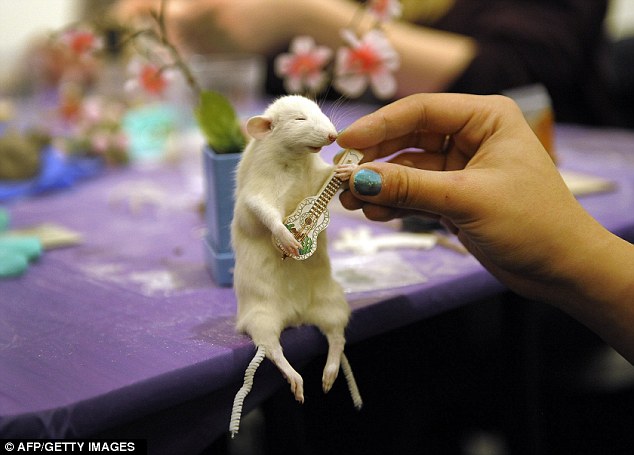
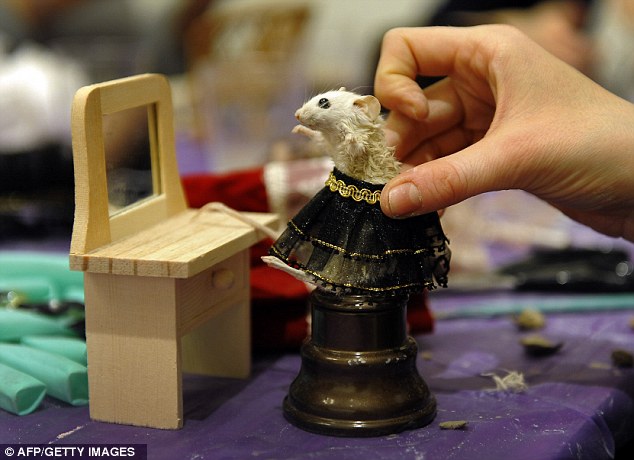
ADDITIONAL CLASS ADDED Anthropomorphic Mouse Taxidermy Class with Sue Jeiven, London, Last Tuesday Society, September 27, 1-5

Due to popular demand, we have just added one additional "Anthropomorphic Mouse Taxidermy Class" to the month-long Morbid Anatomy Presents lineup at The Last Tuesday Society.
The new class will take place next Thursday, September 27th at 1:00 PM. No former taxidermy experience is required, and you need bring nothing; you will leave with your own taxidermied mouse set in a tableau, and the skills to create your own in the future; past student projects can be seen by clicking here. It must also be mentioned that Sue is a passionate and amazing teacher, and we have had nothing but excellent feedback about her class.
Class size is limited to 15, and this class tends to sell out very quickly--the first two we announced are already sold out!--so if interested, I suggest you purchase tickets straight away. You can do so by clicking here. Hope very much to see you there!

Anthropomorphic Mouse Taxidermy Class  with Susan Jeiven
Dates: Thursday September 27 2012 
Cost: £60.00
Time: 1-5
Location: Last Tuesday Society, 11 Mare Street London E8 4RP

Anthropomorphic taxidermy–the practice of mounting and displaying taxidermied animals as if they were humans or engaged in human activities–was a popular art form during the Victorian and Edwardian eras. The best known practitioner of the art form is British taxidermist Walter Potter who displayed his pieces–which included such elaborate tableaux as The Death of Cock Robin, The Kitten Wedding, and The Kitten Tea Party–in his own museum of curiosities.

We invite you to join taxidermist, tattoo artist and educator Susan Jeiven for a beginners class in anthropomorphic taxidermy. All materials–including a mouse for each student–will be provided, and each class member will leave at the end of the day with their own anthropomorphic taxidermied mouse. Students are invited to bring any miniature items with which they might like to dress or decorate their new friend; some props and miniature clothing will also be provided by the teacher. A wide variety of sizes and colors of mice will be available.

No former taxidermy experience is required.

Also, some technical notes:

  • We use NO harsh or dangerous chemicals.
  • Everyone will be provided with gloves.
  • All animals are disease free.
  • Although there will not be a lot of blood or gore, a strong constitution is necessary; taxidermy is not for everyone.
  • All animals were already dead, nothing was killed for this class. All mice used are feeder animals for snakes and lizards and would literally be discarded if not sold.
  • Please do not bring any dead animals with you to the class

Source:
http://morbidanatomy.blogspot.com/feeds/posts/default?alt=rss

"Ecstatic Raptures and Immaculate Corpses: Visions of Death Made Beautiful in Italy" Exhibition, Open Hours This Saturday, September 22, Noon-7 PM


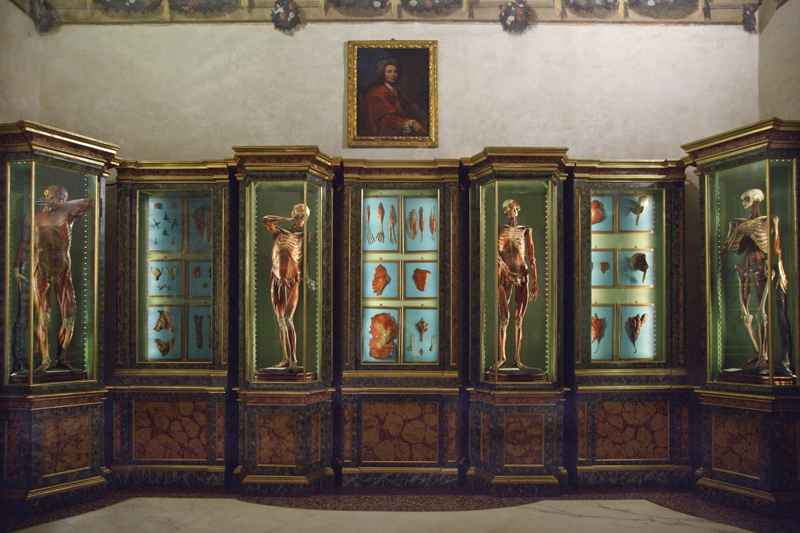
This Saturday, September 22, will be one of your last chances to catch an unobstructed view of the exhibition "Ecstatic Raptures and Immaculate Corpses: Visions of Death Made Beautiful in Italy" featuring my own photographs (some of which can be seen above) as well as waxworks by artists Eleanor Crook and Sigrid Sarda. All photographs and waxworks are also for sale.

The exhibition will be view at The Last Tuesday Society--11 Mare Street, London, E8 4RP--from noon until 7:00 PM. Also on view will be the wonderful collection of taxidermy, naturalia, erotica, books and curiosities which comprise the spectacular Last Tuesday Society Giftshop.

Well worth a trip, I promise! Full details follow; hope very much to see you there!

Ecstatic Raptures and Immaculate Corpses: Visions of Death Made Beautiful in Italy
An exhibition of photographs by Joanna Ebenstein of the Morbid Anatomy Blog, The Morbid Anatomy Library and Observatory with waxworks by Eleanor Crook and Sigrid Sarda.
Date: This Saturday, September 22
Time: Noon-7:00 PM
Location: The Last Tuesday Society, 11 Mare Street, London, E8 4RP

In her many projects, ranging from photography to curation to writing, New York based Joanna Ebenstein utilizes a combination of art and scholarship to tease out the ways in which the pre-rational roots of modernity are sublimated into ostensibly "purely rational" cultural activities such as science and medicine.Much of her work uses this approach to investigate historical moments or artifacts where art and science, death and beauty, spectacle and edification, faith and empiricism meet in ways that trouble contemporary categorical expectations.In the exhibition "Ecstatic Raptures and Immaculate Corpses" Ebenstein turns this approach to an examination of the uncanny and powerfully resonant representations of the dead, martyred, and anatomized body in Italy, monuments to humankind's quest to eternally preserve the corporeal body and defeat death in arenas sacred and profane.The artifacts she finds in both the churches, charnel houeses and anatomical museums of Italy complicate our ideas of the proper roles of--and divisions between--science and religion, death and beauty; art and science; eros and thanatos; sacred and profane; body and soul.

In this exhibition, you will be introduced to tantalizing visions of death made beautiful, uncanny monuments to the human dream of life eternal. You will meet "Blessed Ismelda Lambertini," an adolescent who fell into a fatal swoon of overwhelming joy at the moment of her first communion with Jesus Christ, now commemorated in a chillingly beautiful wax effigy in a Bolognese church; The Slashed Beauty, swooning with a grace at once spiritual and worldly as she makes a solemn offering of her immaculate viscera; Saint Vittoria, with slashed neck and golden ringlets, her waxen form reliquary to her own powerful bones; and the magnificent and troubling Anatomical Venuses, rapturously ecstatic life-sized wax women reclining voluptuously on silk and velvet cushions, asleep in their crystal coffins, awaiting animation by inquisitive hands eager to dissect them into their dozens of demountable, exactingly anatomically correct, wax parts.

Joanna Ebenstein: New York based visual artist and independent scholar Joanna Ebenstein runs the popular Morbid Anatomy Blog and the related Morbid Anatomy Library, where her privately held collection of books, art, artifacts, and curiosities are made available by appointment.

For the past 5 years, she has traveled the world, seeking out the most curious, obscure and macabre collections, public and private, front stage and back, and sharing her findings via her the Morbid Anatomy Blog as well as a variety of exhibitions including  Anatomical Theatre, a photographic survey of artifacts of great medical museums of the Western World; The Secret Museum, a photographic exhibition exploring the poetics of collections private and public, front stage and back.

Other exhibitions using history as their muse include Savior of Mothers: The Forgotten Ballet of Dr. Ignaz Semmelweis  at the Center for Disease Control Museum and The Great Coney Island Spectacularium, an immersive investigation into the often bizarre spectacles of turn of the 20th century Coney Island at The Coney Island Museum.

She is the founding member of Observatory--a gallery and lecture space in Brooklyn, New York--and annual co-curator of The Congress for Curious Peoples, a 10-day series of lectures and performances investigating curiosity and curiosities, broadly considered and taking place at the Coney Island Museum.

Her work has been shown and published internationally, and she has lectured at museums and conferences around the world.

You can find out more about the show here, and view more images by clicking here.

Source:
http://morbidanatomy.blogspot.com/feeds/posts/default?alt=rss

(Sorry to Announce) Field Trip and Lecture Cancellation: This Wednesday, September 19

A very sad announcement: the field trip to, and lecture at, St. Barts Pathology Museum organized as part of my one month residency at The Last Tuesday Society in London--originally scheduled to take place tomorrow, Wednesday September 19 at 7:00 PM--has been cancelled, due to circumstances beyond my control. Apologies to all! And hope to see you at one of these other wonderful upcoming events:

Source:
http://morbidanatomy.blogspot.com/feeds/posts/default?alt=rss

Canines take over Purdue’s campus

WEST LAFAYETTE, Ind. (WLFI) - Professor of Veterinary Physiology Dr. Skip Jackson started the annual event in 1969.

In the past the event has always been free but this year veterinarian students are raising money for a good cause. All proceeds from the 5-K will go to PetSafe, a program that provides veterinary care and housing for animals owned by families in crisis.

Veterinary student Emily Rudman and Jackson said this year's Dog Jog is a big success.

"Well, we've usually only had two or three dogs run but it's good to see more dogs this year and more people with their pets," Jackson said

"It feels pretty good to see it all coming together right now and seeing everybody putting their bandanas on their dogs and getting ready to race. It's really great to see everybody out here," Rudman said.

Registration cost five dollars for dogs and $20 for their owners.

Rudman said one Dog Jog participant ran with six dogs through Purdue's campus.

Original post:
Canines take over Purdue's campus

Texas A&M student wins undergraduate research fellowship

COLLEGE STATION Texas A&M University student Jesse Pyle has won an American Society for Microbiologys Undergraduate Research Fellowship.

Pyle, a senior bioenvironmental sciences major from Houston, will receive a $4,000 stipend, a two-year membership in the society and travel expenses to the 113th general meeting in Denver in 2013.

Dr. Karen-Beth Scholthof, a professor of plant pathology at Texas A&M, will mentor Pyle in his research on Brachypodium distachyon, a type of grass also called purple false brome, for its potential as a model plant in lab studies on viruses.

Texas A&M University student Jesse Pyle, a senior from Houston, has won an American Society for Microbiologys Undergraduate Research Fellowship. (Texas A&M University photo).

The fellowship targets highly competitive students who wish to pursue graduate careers in microbiology, according to the society.

Fellows conduct full-time summer research at their institution with a society mentor and then submit abstracts for a chance to present the research results at the general meeting. This year, 122 applications were received and 56 were awarded, according to the society.

The American Society for Microbiology, headquartered in Washington, D.C., is the

oldest and largest single biological membership organization, with more than 40,000 members worldwide. -30-

Link:
Texas A&M student wins undergraduate research fellowship