"Wellcome's Collectors," Ross MacFarlane, The Royal Society, London. November 2nd

Oh, if only I were still in London... The inimitable Ross MacFarlane, genius moderator of last month's Congress for Curious Peoples, London edition on Henry Wellcome's collectors, at The Royal Society, London, on November 2:

Wellcome's Collectors1:00 pm – 2:00 pm on Friday 02 November 2012
at The Royal Society, London
History of science lecture by Ross MacFarlane.

Event details
Ross MacFarlane is Academic Engagement Officer at the Wellcome Library, London.
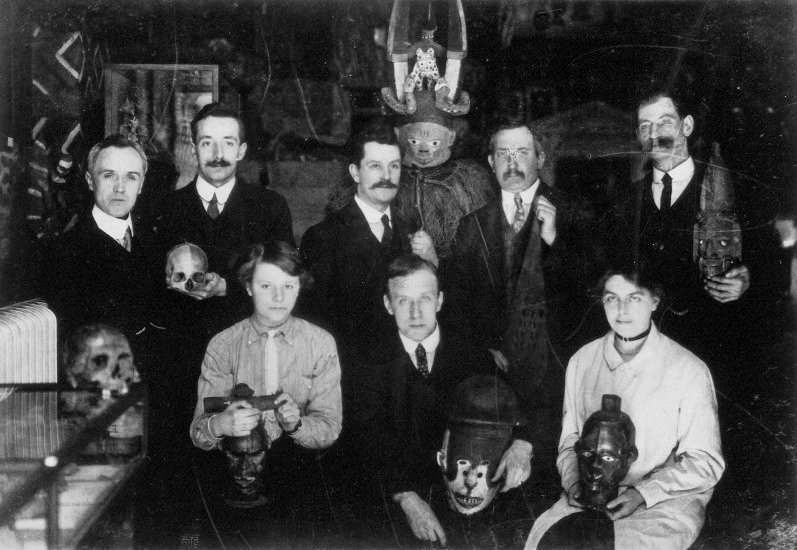
Pharmacist, philanthropist – and Fellow of the Royal Society – Sir Henry Wellcome is now widely recognised as one of the most acquisitive of collectors during the late nineteenth and early twentieth centuries. But Wellcome’s collection of historical objects was not the work of one man acting alone. This talk will aim to bring forth from the shadows of his store rooms the men and women who bid, bought, and collected in Wellcome’s name. 

Attending this event
This event is free to attend and open to all. No tickets are required. Doors open at 12:30pm and seats will be allocated on a first-come-first-served basis.
Recorded audio will be available on this page a few days afterwards.
Enquiries: Contact the events team.

This event is free and open to the public. To find out more, click here.

Image: Photograph of Wellcome Museum staff with artefacts (Wellcome Library, London)

Source:
http://morbidanatomy.blogspot.com/2012/10/wellcomes-collectors-ross-macfarlane.html

Integrative Nutrition Holds September Health Coaching Conference

New York, NY (PRWEB) October 06, 2012

The Institute for Integrative Nutrition (IIN), the worlds largest nutrition school, held its first health coaching conference of the season this past weekend at Jazz at Lincoln Center in New York City. The live health coaching conference brought together more than 800 students from over 10 countries around the world, with another 5,000 tuning in online for the first time to watch the lectures via Live Stream.

Theres nothing like the buzz of energy, enthusiasm, and passion that happens when the Integrative Nutrition community gets together to connect in one place, said Integrative Nutrition Founder, Director, and Primary Teacher Joshua Rosenthal, MScEd. This conference was such an inspiration. I hope that all who attended or tuned in are more motivated than ever to do the work they love and be role models of health and positive change in their communities and beyond.

Attendees were inspired and educated by New York Times food writer Mark Bittman; Ayurvedic expert John Douillard, DC; psychiatrist and self-help advisor Daniel Amen, MD; expert in healing and patient empowerment Bernie Siegel, MD; and natural foods expert Andrea Beaman.

The conference was open to select classes of current students of Integrative Nutritions flagship course, the Health Coach Training Program, an innovative online course that combines nutrition education with real-world business training. The course empowers Integrative Nutrition graduates to launch new careers as Health Coaches.

All other Integrative Nutrition students and graduates were able to view the entire conference online, and for the first time select sessions of the conference were even accessible to the general public via Live Stream.

Integrative Nutrition will be holding a second live conference for select classes of students the weekend of October 20-21, 2012 in New York City. All other students and graduates will be granted Live Stream access, and select sessions will be also accessible to the general public.

The second live conference will feature Rosenthal as well as the following keynote speakers:

Im so excited to offer everyone live access to select sessions of our upcoming conference, said Rosenthal. I encourage anyone whos passionate about health and wellness to tune in to be inspired and learn from our community and this amazing lineup of distinguished keynote speakers.

About The Institute for Integrative Nutrition (IIN) Founded by Joshua Rosenthal, MScEd, in 1992, the Institute for Integrative Nutrition has grown from a small classroom of passionate individuals to a global community of nearly 30,000 students and graduates in 100 countries worldwide. Its flagship course, the IIN Health Coach Training Program, teaches students to become successful Health Coaches who can effect positive, long-lasting change. The schools unique curriculum teaches a wide variety of skills in health coaching, nutrition education, business management, and healthy lifestyle choices. Visit http://www.integrativenutrition.com for more information

Continued here:
Integrative Nutrition Holds September Health Coaching Conference

Longevity Global Inc. Now Launches New LDG Series Of Modern And Powerful Diesel Generators

Longevity Global Inc., the leading brand to manufacture the best welding and cutting machines now have launched its new and advanced range of portable generators. Now people will not have to use those bulky and expensive generators which produce harmful smoke more than the power output. Longevitys new LDG series of portable generators can be the best replacement for all the other cumbersome power back-up machines available in the market.

Hayward, CA (PRWEB) October 06, 2012

Longevitys LDG series of diesel generators are designed to provide the users with mobile and housing backup power. These new power back-up units are more efficient because these are powered by Longevitys top direct fuel injected diesel engine with its sturdy yet efficient design and powered by diesel fuel. The diesel engines installed offer twice the compression of ordinary gasoline engines found in gasoline generator, resulting in a longer operating life and more efficient productivity. Diesel fuel is also less volatile in comparison to gasoline making it much safer to store and use. The diesel engines are protected by an oil alert lamp. If the oil alert lamp lights, the generator will go into safe mode and shut down. The Automatic Voltage Regulator (AVR) makes every unit safe to use with the most precious electronics such as computers, refrigerators, televisions, power tools, etc. The AVR will regulate the output voltage for all devices to prevent excess or insufficient voltage during operation. Each generator is also digital start ready for automatic power to the start.

For smooth and quiet operation, the new all diesel generator models are enclosed in a steel frame which is very rigid, insulated with sound proof material and isolated by motor mounts. Beside Longevitys new LDG series of power back-up equipment, they also pride themselves in selling economy Gasoline powered, propane powered, and natural gas generators. These generate electricity with a much quieter ambience than markets any other generators with several options. Along with these technologically modern generators Longevitys manufactured welding equipment and cutting tools have helped the company to sustain its dominance among other market players. Longevitys inventory has hundreds of welding machines which are designed for precise quality gas welding, Tig welding and Mig welding.

About the company:

Longevity Welding is providing its dedicated service since 2001. It is growing at a phenomenal pace with high customer satisfaction, innovative products and efficient industrial production. It works in different parts of world with distributors in Canada, Mexico, Brazil, Australia, United Kingdom, and multiple other countries. Longevity Welding serve globally with manufacturing facilities with its logistic companies to effectively distribute products in a punctual and effective manner. To know more visit http://www.longevity-inc.com

Simon Katz Longevity, Inc. 1.877.566.4462 Email Information

Visit link:
Longevity Global Inc. Now Launches New LDG Series Of Modern And Powerful Diesel Generators

California to vote on ‘genetically modified’ labels

LOS ANGELES -- Calories. Nutrients. Serving size. How about produced with genetic engineering?

California voters will soon decide whether to require certain raw and processed foods to carry such a label.

In a closely watched test of consumers appetite for genetically modified foods, the special label is being pushed by organic farmers and advocates who are concerned about what people eat even though the federal government and many scientists contend such foods are safe.

More than just food packaging is at stake. The outcome could reverberate through American agriculture, which has long tinkered with the genes of plants to reduce disease, ward off insects and boost the food supply.

International food and chemical conglomerates, including Monsanto Co. and DuPont Co., have contributed about $35 million to defeat Proposition 37 on the November ballot. It also would ban labeling or advertising genetically altered food as natural. Its supporters have raised just about one-tenth of that amount.

If voters approve the initiative, California would become the first state to require disclosure of a broad range of foods containing genetically modified organisms, or GMOs. Food makers would have to add a label or reformulate their products to avoid it. Supermarkets would be charged with making sure their shelves are stocked with correctly labeled items.

Genetically altered plants grown from seeds engineered in the laboratory have been a mainstay for more than a decade. Much of the corn, soybean, sugar beets and cotton cultivated in the United States today have been tweaked to resist pesticides or insects. Most of the biotech crops are used for animal feed or as ingredients in processed foods including cookies, cereal, potato chips and salad dressing.

Proponents say explicit labeling gives consumers information about how a product is made and allows them to decide whether to choose foods with genetically modified ingredients.

Theyre fed up. They want to know whats in their food, said Stacy Malkan, spokeswoman for the California Right to Know campaign.

Agribusiness, farmers and retailers oppose the initiative, claiming it would lead to higher grocery bills and leave the state open to frivolous lawsuits. Kathy Fairbanks, spokeswoman for the No on 37 campaign, said labels would be interpreted as a warning and confuse shoppers.

See more here:
California to vote on 'genetically modified' labels

DNA expert: Ken Bluew the 'single source' of blood found on pregnant Jennifer Webb's clothes, vehicle

SAGINAW, MI Kenneth T. Bluew's DNA matches the DNA from at least 26 bloodstains examined in connection with the apparent suicide of the woman who was eight months pregnant with his son, an expert testified today.

Lisa Ramos, who works for the Michigan State Police, testified during Bluew's trial today regarding the results of the tests she conducted on numerous bloodstain samples sent to her from Valerie Bowman at the state police's Bridgeport crime lab.

Bluew, 37, is charged with first-degree premeditated murder in the Aug. 30, 2011, death of Webb at North Outer and Hack in Buena Vista Township. Webb, 32, planned to name her son Braxton; the fetus' DNA showed that "it was consistent" that Bluew was the father, Ramos said.

Ramos testified that Bluew was the only DNA donor of bloodstains found on Webb's clothing, in and on the outside of Webb's Pontiac Aztek, on his uniform, and in his police cruiser.

Among those stains included those from the inside portion of a piece of a disposable examination glove found in Webb's clothes, Ramos said. She also tested the outside of the piece of the glove, and neither Bluew nor Webb could be excluded as being a donor, Ramos testified.

The stains to which Bluew was the only donor, or single source, also included a swab under the fingernails of Webb's left hand; stains on Webb's shirt, pants and bra; and one of Webb's flip flops, found in a culvert of the ditch Webb was hanging into. Last week's testimony from Bluew's fellow officers who were on scene showed that the flip flops were not touched until crime lab personnel arrived hours later.

Ramos also testified that Bluew was the only donor of a stain on the rear door of the Aztek's passenger side, which Bowman this week testified had a ridge structure in it like a fingerprint.

Bluew also was the single source of at least seven stains found inside the Aztek; all nine stains on Bluew's duty pants, the ones he told state police Detective Sgts. Allan Ogg and Jason Teddy were oldand not worn that night; a stain on the CE portion of the POLICE lettering on Bluew's tactical vest; a stain on the sleeve of his T-shirt, found with the old duty pants; and the interior of the driver's side door, the steering wheel, and the handheld police radio microphone of his police cruiser.

Ramos testified that Webb was the only DNA donor of a blood stain found on a driveway leading to the Buena Vista Township Wastewater Treatment Plant, about 270 feet by foot from where Webb's vehicle was found and next to a silver charm that appears to have come from Webb's necklace. She also was the only donor of blood stains on the left neckline of her shirt; a hoop earring and a stud earring found in her vehicle; and the driver rear door molding of her vehicle, Ramos testified.

Ramos testified that the swabs taken from under Webb's fingernails both contained two donors: Webb and a male source. Ramos testified that Bluew's DNA matched the male donor of the left hand and cannot be excluded as being the source of the right hand.

Read the original post:
DNA expert: Ken Bluew the 'single source' of blood found on pregnant Jennifer Webb's clothes, vehicle

Posted in DNA

RBCC: NASA Bioreactor Could Speed Parkinson’s Research

NOKOMIS, Fla.--(BUSINESS WIRE)--

Stem cell research may hold the key to a cure for Parkinsons disease. The only problem is, stem cell research hasnt advanced as quickly as patients need it to. Rainbow BioSciences, the biotech subsidiary of Rainbow Coral Corp. (RBCC) is working to market an advanced stem cell growth solution that could potentially energize the worldwide search for a cure.

Currently, government restrictions and ethical dilemmas serve as roadblocks to fast-paced stem cell research, but even when these roadblocks are absent, controlling the behavior of stem cells in a laboratory isnt easy. One way to help speed research projects up and make them more efficient is to raise the number of high-quality adult stem cells available for that research.

RBCC is working to do just that. The company has engaged Regenetech in discussions regarding the potential acquisition of a license to perform cell expansion using that companys Rotary Cell Culture SystemTM.

Originally developed by NASA, the Rotary Cell Culture SystemTM is a rotating-wall bioreactor designed to facilitate the growth of human cells in simulated weightlessness. Cell cultures, including stem cells, grown inside the bioreactor look and function much closer to human cells grown within the body than the flat cell cultures grown in Petri dishes.

By bringing the bioreactor to emerging research markets where stem cell research faces fewer roadblocks, RBCC hopes to help kickstart billions of dollars worth of research into possible cures for Parkinsons and other neurological disorders.

RBCC plans to offer new technology to compete in the stem-cell research industry alongside Amgen, Inc. (AMGN), Celgene Corporation (CELG), Genzyme Corp. (NASDAQ:GENZ) and Gilead Sciences Inc. (GILD).

For more information on Rainbow BioSciences, please visit http://www.rainbowbiosciences.com/investors.html.

About Rainbow BioSciences

Rainbow BioSciences, LLC, is a wholly owned subsidiary of Rainbow Coral Corp. (OTCBB:RBCC). The company continually seeks out new partnerships with biotechnology developers to deliver profitable new medical technologies and innovations. For more information on our growth-oriented business initiatives, please visit our website at [http://www.RainbowBioSciences.com]. For investment information and performance data on the company, please visit http://www.RainbowBioSciences.com/investors.html.

Excerpt from:
RBCC: NASA Bioreactor Could Speed Parkinson’s Research

Pig cell Parkinson's treatment okayed

Pig cells will be transplanted into the brains of New Zealanders with Parkinson's disease as part of an experimental treatment of the neurological disorder.

Kiwi scientists will undertake the clinical trial after Living Cell Technologies, which has its research and development based in this country, got the go-ahead to test the treatment in humans next year.

Government approval was given this week for the trial.

'Receiving regulatory approval to conduct clinical trials is a critical step in developing a treatment for this debilitating condition,' said the company's chief executive Andrea Grant said in a statement.

She says pre-clinical trials suggest the treatment, known as NTCELL, can protect brain tissue which would otherwise die, potentially delaying or preventing the effects of Parkinson's.

Only those who have been diagnosed with the neurodegenerative disease for at least four years will be part of the study, which will last for up to 60 weeks.

The trial will involve patients getting either the pig cells or the current gold standard of treatment - deep brain stimulation.

The leader of Auckland District Health Board's movement disorder clinic, Barry Snow, will oversee the trial.

'This represents an exciting new potential option for patients,' Dr Snow said.

Pre-clinical studies had shown improvement in movement and neurological defects and a rise in dopamine-producing neurons within two weeks of treatment.

View original post here:
Pig cell Parkinson's treatment okayed

Pig cell Parkinson’s treatment okayed

Pig cells will be transplanted into the brains of New Zealanders with Parkinson's disease as part of an experimental treatment of the neurological disorder.

Kiwi scientists will undertake the clinical trial after Living Cell Technologies, which has its research and development based in this country, got the go-ahead to test the treatment in humans next year.

Government approval was given this week for the trial.

'Receiving regulatory approval to conduct clinical trials is a critical step in developing a treatment for this debilitating condition,' said the company's chief executive Andrea Grant said in a statement.

She says pre-clinical trials suggest the treatment, known as NTCELL, can protect brain tissue which would otherwise die, potentially delaying or preventing the effects of Parkinson's.

Only those who have been diagnosed with the neurodegenerative disease for at least four years will be part of the study, which will last for up to 60 weeks.

The trial will involve patients getting either the pig cells or the current gold standard of treatment - deep brain stimulation.

The leader of Auckland District Health Board's movement disorder clinic, Barry Snow, will oversee the trial.

'This represents an exciting new potential option for patients,' Dr Snow said.

Pre-clinical studies had shown improvement in movement and neurological defects and a rise in dopamine-producing neurons within two weeks of treatment.

View original post here:
Pig cell Parkinson's treatment okayed

Pig cell treatment for Parkinson’s okayed

Pig cells will be transplanted into the brains of New Zealanders with Parkinson's disease as part of an experimental treatment of the neurological disorder.

Kiwi scientists will undertake the clinical trial after Living Cell Technologies, which has its research and development based in this country, got the go-ahead to test the treatment in humans next year.

Government approval was given this week for the trial.

"Receiving regulatory approval to conduct clinical trials is a critical step in developing a treatment for this debilitating condition," said the company's chief executive Andrea Grant said in a statement.

She says pre-clinical trials suggest the treatment, known as NTCELL, can protect brain tissue which would otherwise die, potentially delaying or preventing the effects of Parkinson's.

Only those who have been diagnosed with the neurodegenerative disease for at least four years will be part of the study, which will last for up to 60 weeks.

The trial will involve patients getting either the pig cells or the current gold standard of treatment - deep brain stimulation.

The leader of Auckland District Health Board's movement disorder clinic, Barry Snow, will oversee the trial.

"This represents an exciting new potential option for patients," Dr Snow said.

Pre-clinical studies had shown improvement in movement and neurological defects and a rise in dopamine-producing neurons within two weeks of treatment.

More:
Pig cell treatment for Parkinson's okayed

Pig cell treatment for Parkinson's okayed

Pig cells will be transplanted into the brains of New Zealanders with Parkinson's disease as part of an experimental treatment of the neurological disorder.

Kiwi scientists will undertake the clinical trial after Living Cell Technologies, which has its research and development based in this country, got the go-ahead to test the treatment in humans next year.

Government approval was given this week for the trial.

"Receiving regulatory approval to conduct clinical trials is a critical step in developing a treatment for this debilitating condition," said the company's chief executive Andrea Grant said in a statement.

She says pre-clinical trials suggest the treatment, known as NTCELL, can protect brain tissue which would otherwise die, potentially delaying or preventing the effects of Parkinson's.

Only those who have been diagnosed with the neurodegenerative disease for at least four years will be part of the study, which will last for up to 60 weeks.

The trial will involve patients getting either the pig cells or the current gold standard of treatment - deep brain stimulation.

The leader of Auckland District Health Board's movement disorder clinic, Barry Snow, will oversee the trial.

"This represents an exciting new potential option for patients," Dr Snow said.

Pre-clinical studies had shown improvement in movement and neurological defects and a rise in dopamine-producing neurons within two weeks of treatment.

More:
Pig cell treatment for Parkinson's okayed

Brain Scan Can Predict The Course Of Parkinson’s Disease

Editor's Choice Academic Journal Main Category: Parkinson's Disease Also Included In: MRI / PET / Ultrasound Article Date: 05 Oct 2012 - 8:00 PDT

Current ratings for: Brain Scan Can Predict The Course Of Parkinson's Disease

4.25 (4 votes)

The authors explained that this brain scan can identify which Parkinson's patients are at risk of severe disease, thus enabling doctors to better manage and treat their symptoms.

Some specialists already use the DaTscan when confirming a Parkinson's diagnosis after a physical examination.

However, the DaTscan can only help in the diagnosis to a certain extent. It can point towards Parkinsonism, but cannot help the doctor distinguish between many similar disorders, of which classic Parkinson's disease is one.

GE Healthcare announced the availability of DaTscan (Ioflupane I 123 Injection) in June 2011.

When using the DaTscan, the patient is injected with a small quantity of a radioactive contrast agent which binds to dopamine transporters in the brain. Then, a scanner is used to measure how much of the contrast agent there is in the brain, and where exactly it is. People with Parkinson's have fewer neurons with dopamine transporters, thus, lower amounts of the radioactive agent appear in their brain scans, compared to "healthy" individuals.

Bernard Ravina, M.D., M.S.C.E., and team set out to determine whether the DaTscan might be used to predict the long-term progression of Parkinson's disease. They looked at the DaTscan images of 491 individuals who had just been diagnosed with Parkinson's - none of them had yet started on standard medications for the disease. All the patients were participants in the Longitudinal and Biomarker Study in PD (LABS-PD), a clinical trial funded in part by the Parkinson's Disease Foundation.

The LABS-PD study had been a long-term one, thus the team were able to compare participants' DaTscan results, which were taken just after diagnosis and then again 22 months later, with information from their yearly health assessments.

See the original post:
Brain Scan Can Predict The Course Of Parkinson's Disease

Brain Scan Can Predict The Course Of Parkinson's Disease

Editor's Choice Academic Journal Main Category: Parkinson's Disease Also Included In: MRI / PET / Ultrasound Article Date: 05 Oct 2012 - 8:00 PDT

Current ratings for: Brain Scan Can Predict The Course Of Parkinson's Disease

4.25 (4 votes)

The authors explained that this brain scan can identify which Parkinson's patients are at risk of severe disease, thus enabling doctors to better manage and treat their symptoms.

Some specialists already use the DaTscan when confirming a Parkinson's diagnosis after a physical examination.

However, the DaTscan can only help in the diagnosis to a certain extent. It can point towards Parkinsonism, but cannot help the doctor distinguish between many similar disorders, of which classic Parkinson's disease is one.

GE Healthcare announced the availability of DaTscan (Ioflupane I 123 Injection) in June 2011.

When using the DaTscan, the patient is injected with a small quantity of a radioactive contrast agent which binds to dopamine transporters in the brain. Then, a scanner is used to measure how much of the contrast agent there is in the brain, and where exactly it is. People with Parkinson's have fewer neurons with dopamine transporters, thus, lower amounts of the radioactive agent appear in their brain scans, compared to "healthy" individuals.

Bernard Ravina, M.D., M.S.C.E., and team set out to determine whether the DaTscan might be used to predict the long-term progression of Parkinson's disease. They looked at the DaTscan images of 491 individuals who had just been diagnosed with Parkinson's - none of them had yet started on standard medications for the disease. All the patients were participants in the Longitudinal and Biomarker Study in PD (LABS-PD), a clinical trial funded in part by the Parkinson's Disease Foundation.

The LABS-PD study had been a long-term one, thus the team were able to compare participants' DaTscan results, which were taken just after diagnosis and then again 22 months later, with information from their yearly health assessments.

See the original post:
Brain Scan Can Predict The Course Of Parkinson's Disease

Genes behind Parkinson’s disease identified

Washington, October 6 (ANI): Boston University School of Medicine (BUSM) investigators have conducted the first genome-wide evaluation of genetic variants associated with Parkinson's disease (PD).

The study points to the involvement of specific genes and alterations in their expression as influencing the risk for developing PD.

Jeanne Latourelle, DSc, assistant professor of neurology at BUSM, served as the study's lead author and Richard H. Myers, PhD, professor of neurology at BUSM, served as the study's principal investigator and senior author.

A recent paper by the PD Genome Wide Association Study Consortium (PDGC) confirmed that an increased risk for PD was seen in individuals with genetic variants in or near the genes SNCA, MAPT, GAK/DGKQ, HLA and RIT2, but the mechanism behind the increased risk was not determined.

"One possible effect of the variants would be to change the manner in which a gene is expressed in the brains, leading to increased risk of PD," said Latourelle.

To investigate the theory, the researchers examined the relationship between PD-associated genetic variants and levels of gene expression in brain samples from the frontal cortex of 26 samples with known PD and 24 neurologically healthy control samples.

Gene expression was determined using a microarray that screened effects of genetic variants on the expression of genes located very close to the variant, called cis-effects, and genes that are far from the variant, such as those on a completely different chromosome, called trans-effects.

An analysis of the cis-effects showed that several genetic variants in the MAPT region showed a significant association to the expression of multiple nearby genes, including gene LOC644246, the duplicated genes LRRC37A and LRRC37A2 and the gene DCAKD.

Significant cis-effects were also observed between variants in the HLA region on chromosome 6 and two nearby genes HLA-DQA1 and HLA-DQA1. An examination of trans-effects revealed 23 DNA sequence variations that reached statistical significance involving variants from the SNCA, MAPT and RIT2 genes.

"The identification of the specific altered genes in PD opens opportunities to further study them in model organisms or cell lines with the goal of identifying drugs which may rectify the defects as treatment for PD," said Myers.

Here is the original post:
Genes behind Parkinson's disease identified

Genes behind Parkinson's disease identified

Washington, October 6 (ANI): Boston University School of Medicine (BUSM) investigators have conducted the first genome-wide evaluation of genetic variants associated with Parkinson's disease (PD).

The study points to the involvement of specific genes and alterations in their expression as influencing the risk for developing PD.

Jeanne Latourelle, DSc, assistant professor of neurology at BUSM, served as the study's lead author and Richard H. Myers, PhD, professor of neurology at BUSM, served as the study's principal investigator and senior author.

A recent paper by the PD Genome Wide Association Study Consortium (PDGC) confirmed that an increased risk for PD was seen in individuals with genetic variants in or near the genes SNCA, MAPT, GAK/DGKQ, HLA and RIT2, but the mechanism behind the increased risk was not determined.

"One possible effect of the variants would be to change the manner in which a gene is expressed in the brains, leading to increased risk of PD," said Latourelle.

To investigate the theory, the researchers examined the relationship between PD-associated genetic variants and levels of gene expression in brain samples from the frontal cortex of 26 samples with known PD and 24 neurologically healthy control samples.

Gene expression was determined using a microarray that screened effects of genetic variants on the expression of genes located very close to the variant, called cis-effects, and genes that are far from the variant, such as those on a completely different chromosome, called trans-effects.

An analysis of the cis-effects showed that several genetic variants in the MAPT region showed a significant association to the expression of multiple nearby genes, including gene LOC644246, the duplicated genes LRRC37A and LRRC37A2 and the gene DCAKD.

Significant cis-effects were also observed between variants in the HLA region on chromosome 6 and two nearby genes HLA-DQA1 and HLA-DQA1. An examination of trans-effects revealed 23 DNA sequence variations that reached statistical significance involving variants from the SNCA, MAPT and RIT2 genes.

"The identification of the specific altered genes in PD opens opportunities to further study them in model organisms or cell lines with the goal of identifying drugs which may rectify the defects as treatment for PD," said Myers.

Here is the original post:
Genes behind Parkinson's disease identified

Parkinson’s Disease Cure May Be In Stem Cell Research, But..

Editor's Choice Main Category: Parkinson's Disease Also Included In: Stem Cell Research Article Date: 04 Oct 2012 - 11:00 PDT

Current ratings for: Parkinson's Disease Cure May Be In Stem Cell Research, But..

3.67 (3 votes)

An advanced stem cell growth solution that may potentially lead to a search for a Parkinson's cure, according to a communiqu released today by Rainbow Biosciences. The company is working towards having such technology on the market as soon as possible.

Scientists say that ethical dilemmas and government restrictions have made stem cell research breakthrough much more difficult to achieve. Add to this the difficulty in controlling stem cell behavior in the lab, and the task seems even harder.

Rainbow Biosciences says that one way to accelerate research projects and make them advance more efficiently is to increase the availability of top-quality adult stem cells for research.

Rainbow says it is working on this. It is in discussions with Regenetech regarding acquiring a license to perform cell expansion using its Rotary Cell Culture System, which was originally developed by NASA.

Rainbow Biosciences wrote:

The company would like to bring the bioreactor to "emerging research markets" which do not face as many regulatory roadblocks. They say this will help activate "billions of dollars' worth of research" into potential cures for Parkinson's disease, as well as some the disorders of the nervous system.

Rainbow Biosciences says that this new addition to the stem cell research world will compete alongside industry giants, such as Amgen Inc., Celgene Corporation, Gilead Sciences Inc., and Gynzyme Corp.

See the rest here:
Parkinson's Disease Cure May Be In Stem Cell Research, But..

Parkinson's Disease Cure May Be In Stem Cell Research, But..

Editor's Choice Main Category: Parkinson's Disease Also Included In: Stem Cell Research Article Date: 04 Oct 2012 - 11:00 PDT

Current ratings for: Parkinson's Disease Cure May Be In Stem Cell Research, But..

3.67 (3 votes)

An advanced stem cell growth solution that may potentially lead to a search for a Parkinson's cure, according to a communiqu released today by Rainbow Biosciences. The company is working towards having such technology on the market as soon as possible.

Scientists say that ethical dilemmas and government restrictions have made stem cell research breakthrough much more difficult to achieve. Add to this the difficulty in controlling stem cell behavior in the lab, and the task seems even harder.

Rainbow Biosciences says that one way to accelerate research projects and make them advance more efficiently is to increase the availability of top-quality adult stem cells for research.

Rainbow says it is working on this. It is in discussions with Regenetech regarding acquiring a license to perform cell expansion using its Rotary Cell Culture System, which was originally developed by NASA.

Rainbow Biosciences wrote:

The company would like to bring the bioreactor to "emerging research markets" which do not face as many regulatory roadblocks. They say this will help activate "billions of dollars' worth of research" into potential cures for Parkinson's disease, as well as some the disorders of the nervous system.

Rainbow Biosciences says that this new addition to the stem cell research world will compete alongside industry giants, such as Amgen Inc., Celgene Corporation, Gilead Sciences Inc., and Gynzyme Corp.

See the rest here:
Parkinson's Disease Cure May Be In Stem Cell Research, But..

Parkinson’s Patients Benefit From Physical Therapy

Editor's Choice Academic Journal Main Category: Parkinson's Disease Also Included In: Rehabilitation / Physical Therapy Article Date: 05 Oct 2012 - 4:00 PDT

Current ratings for: Parkinson's Patients Benefit From Physical Therapy

3.5 (6 votes)

In the USA, the term is Physical Therapy. In the United Kingdom, Ireland, and Australasia people say Physiotherapy.

Parkinson's disease management has traditionally been centered on drug therapy. Recently, however, doctors have been progressively embracing rehabilitation therapies, including physical therapy as a supplement to medications and neurosurgical treatment.

Dr Claire Tomlinson and team set out to determine what effect rehabilitation therapies might have on patients with Parkinson's disease. They gathered data from 39 randomized trials involving 1,827 people. Within those studies they assessed a wide range of physical therapy methods that were used to treat patients, including dance, treadmill training, exercises and physical therapy.

The researchers assessed 18 physical therapy outcomes, which showed clear improvements in nine areas.

They detected three especially positive outcomes from physical therapy treatment in the following areas:

Parkinson's patients demonstrated that they were able to walk faster or maintain their balance more effectively, and without intervention, after undergoing physical therapy sessions.

Dr Tomlinson, said:

Read the original post:
Parkinson's Patients Benefit From Physical Therapy

Parkinson's Patients Benefit From Physical Therapy

Editor's Choice Academic Journal Main Category: Parkinson's Disease Also Included In: Rehabilitation / Physical Therapy Article Date: 05 Oct 2012 - 4:00 PDT

Current ratings for: Parkinson's Patients Benefit From Physical Therapy

3.5 (6 votes)

In the USA, the term is Physical Therapy. In the United Kingdom, Ireland, and Australasia people say Physiotherapy.

Parkinson's disease management has traditionally been centered on drug therapy. Recently, however, doctors have been progressively embracing rehabilitation therapies, including physical therapy as a supplement to medications and neurosurgical treatment.

Dr Claire Tomlinson and team set out to determine what effect rehabilitation therapies might have on patients with Parkinson's disease. They gathered data from 39 randomized trials involving 1,827 people. Within those studies they assessed a wide range of physical therapy methods that were used to treat patients, including dance, treadmill training, exercises and physical therapy.

The researchers assessed 18 physical therapy outcomes, which showed clear improvements in nine areas.

They detected three especially positive outcomes from physical therapy treatment in the following areas:

Parkinson's patients demonstrated that they were able to walk faster or maintain their balance more effectively, and without intervention, after undergoing physical therapy sessions.

Dr Tomlinson, said:

Read the original post:
Parkinson's Patients Benefit From Physical Therapy

Trends in Multiple Sclerosis Therapy Examined in New Insightful FirstWord Report Published at MarketPublishers.com

New in-demand report "Therapy Trends: Multiple Sclerosis -- KOL Insight and Consensus Outlook Modules" developed by FirstWord has been recently published by Market Publishers Ltd. The report states that the most recent clinical trials of a new multiple sclerosis therapy were launched in Canada.

London, UK (PRWEB) October 02, 2012

Besides, new therapies are invented. For instance, the most recent clinical trials of a new therapy were launched in late September 2012 in Canada.

New in-demand report "Therapy Trends: Multiple Sclerosis -- KOL Insight and Consensus Outlook Modules" developed by FirstWord has been recently published by Market Publishers Ltd.

Report Details:

Title: Therapy Trends: Multiple Sclerosis -- KOL Insight and Consensus Outlook Modules

Published: September, 2012

Price: US$ 7,495.00 http://marketpublishers.com/report/medicine_pharmaceuticals_biotechnology/healthcare_equipment_services/therapy-trends-multiple-sclerosis-kol-insight-n-consensus-outlook-modules.html

The report provides a comprehensive guide to trends in multiple sclerosis therapy. It covers historical sales from 2006 through 2011, market majors and drug developers. The study includes valuable data on current and late-stage pipeline drugs, comparative clinical trial results. Sales outlook to 2016, product positioning forecast, market growth expectations as well as future event mapping can also be found in the research.

Report Contents:

More here:
Trends in Multiple Sclerosis Therapy Examined in New Insightful FirstWord Report Published at MarketPublishers.com

Infertility treatments may significantly increase multiple sclerosis activity

Public release date: 3-Oct-2012 [ | E-mail | Share ]

Contact: Dawn Peters sciencenewsroom@wiley.com 781-388-8408 Wiley

Researchers in Argentina report that women with multiple sclerosis (MS) who undergo assisted reproduction technology (ART) infertility treatment are at risk for increased disease activity. Study findings published in Annals of Neurology, a journal of the American Neurological Association and Child Neurology Society, suggest reproductive hormones contribute to regulation of immune responses in autoimmune diseases such as MS.

According to a 2006 report from the World Health Organization (WHO), MS affects 2.5 million individuals worldwide and is more common among women than men. While previous research found that up to 20% of couples in Western countries experience infertility, women with MS typically do not have diminished fertility except in those treated with cyclophosphamide or high-dose corticosteroids. Medical evidence shows sex hormones and those involved in ovulation (gonadotrophin-releasing hormone (GnRH)) play an important role in the development of autoimmune disorders.

"When MS and infertility coincide, patients seek ART to achieve pregnancy," explains Dr. Jorge Correale with the Ral Carrea Institute for Neurological Research in Buenos Aires. "Given the role of some reproductive hormones in autoimmune diseases, those with MS receiving infertility treatments are at particular risk of exacerbating their disease."

To further understand the impact of infertility treatment on MS disease activity, researchers analyzed clinical, radiological, and immune response data in 16 MS patients who were subject to 26 ART cycles. The team recruited 15 healthy volunteers and 15 MS patients in remission not receiving ART to serve as controls.

Results show that 75% of MS patients experienced disease exacerbation following infertility treatment. MS relapses were reported in 58% of the cycles during the three month period following ART treatment. Furthermore, ART was associated with a seven-fold increase in risk of MS exacerbation and a nine-fold increase of greater MS disease activity on magnetic resonance imaging (MRI). The authors noted that 73% of exacerbations were new symptoms and 27% were attributed to a worsening of pre-existing symptoms.

Worsening was associated with three different mechanisms: 1) increase in the production of certain pro-inflammatory molecules known as cytokines (IL-8, IL-12, IFN-, and TGF- by CD4+ T a GnRH-mediated effect); 2) increase in the production of antibodies against de myelin protein MOG, as well as B cell survival factor BAFF and antiapoptotic molecule Bcl-2 levels from purified B cells, these effects were a consequences of the rise of 17- estradiol production induced by ART; and 3) authors demonstrated using an in vitro model of the blood-brain-barrier that ART facilitated the penetration of deleterious peripheral blood cells into the central nervous system, an effect mediated by the induction of the molecules IL-8, VEGF and CXCL-12.

"Our findings indicate a significant increase in MS disease activity following infertility treatment," concludes Dr. Correale. "Neurologists should be aware of possible disease exacerbation so they may discuss the benefits and risks of ART with MS patients."

###

Continue reading here:
Infertility treatments may significantly increase multiple sclerosis activity